ICAN’s Mission Five Steps for Sustainable Prevention of Sexual Violence in Conflict ICAN Partner AWAPSA: A Catalyst for Kenya’s First SGBV Court The War Against Ourselves: Afghan Women Peacebuilders’ Response to the Mental Health Crisis in Afghanistan Protecting Women Peacebuilders: The Front Lines of Sustainable Peace
Case Studies on the Role of Gender and Identity in Shaping Positive Alternatives to Extremisms
These case studies emphasize how attention to gender and intersectional identities can transform extremisms and enable peaceful, pluralistic futures.
Access a full set of compiled case summaries here.
See More of ICAN's Case Studies
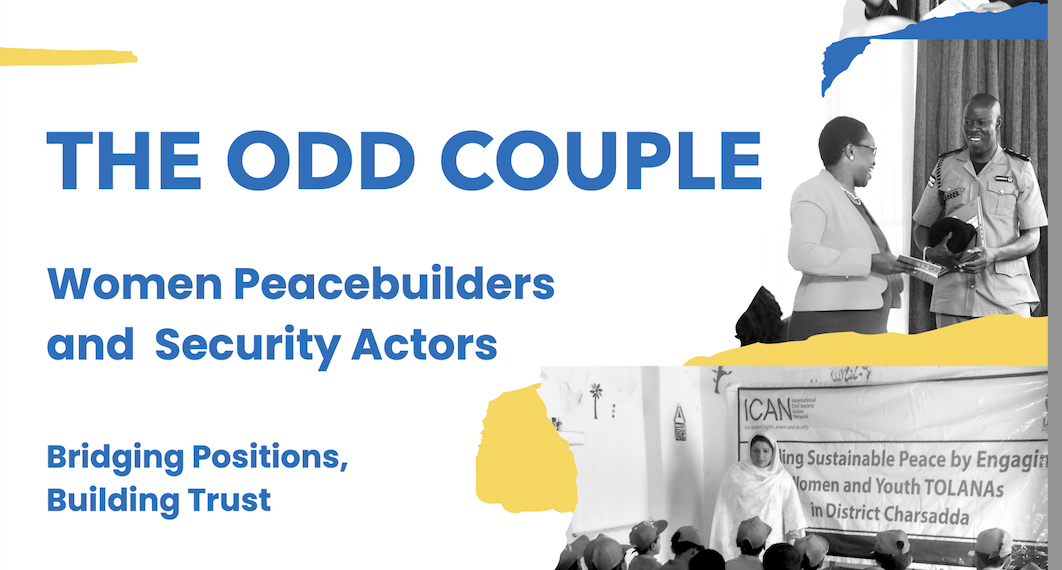
The WPS agenda has proven a vital entry point for women peacebuilders to engage with the security sector and build trust within affected communities. These efforts—often invisible—are contributing to the reform of the sector, reshaping local security environments and mitigating violence.
This case study describes the drivers of the mental health crisis in Afghanistan, its gendered and cultural dimensions, and the strategies used by Afghan women-led peacebuilding organizations to provide solutions. The authors conducted interviews with representatives of Afghan women-led peacebuilding organizations and thematic experts, which were complemented by a desk review of project documentation and […]
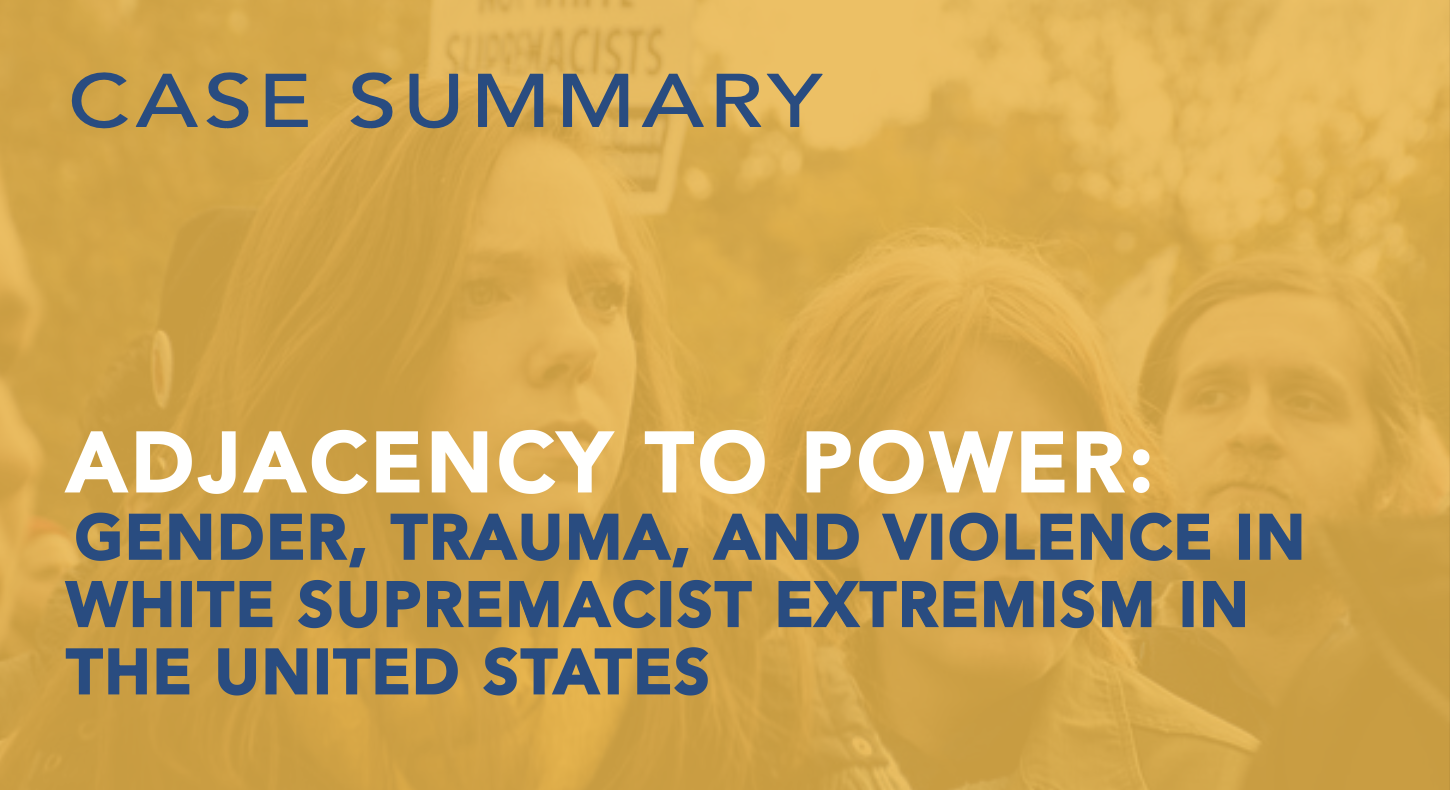
This case summary overviews drivers to violent extremism and terrorism in the United States, and the importance of addressing trauma and building interpersonal skills to successfully reintegrate into society after leaving a violent extremist group. Read the full case study here.
This report distills the range of threats to women peacebuilders, analyzes existing protection mechanisms, and provides guidance to protect women peacebuilders. This report is also available in English, Farsi, French, Spanish, and Turkish. See related operational guidance on how to establish and enhance the protection of women peacebuilders here.
Summaries of case studies emphasizing how attention to gender and intersectional identities can transform extremisms and enable peaceful, pluralistic futures. Access a full set of compiled case studies here.
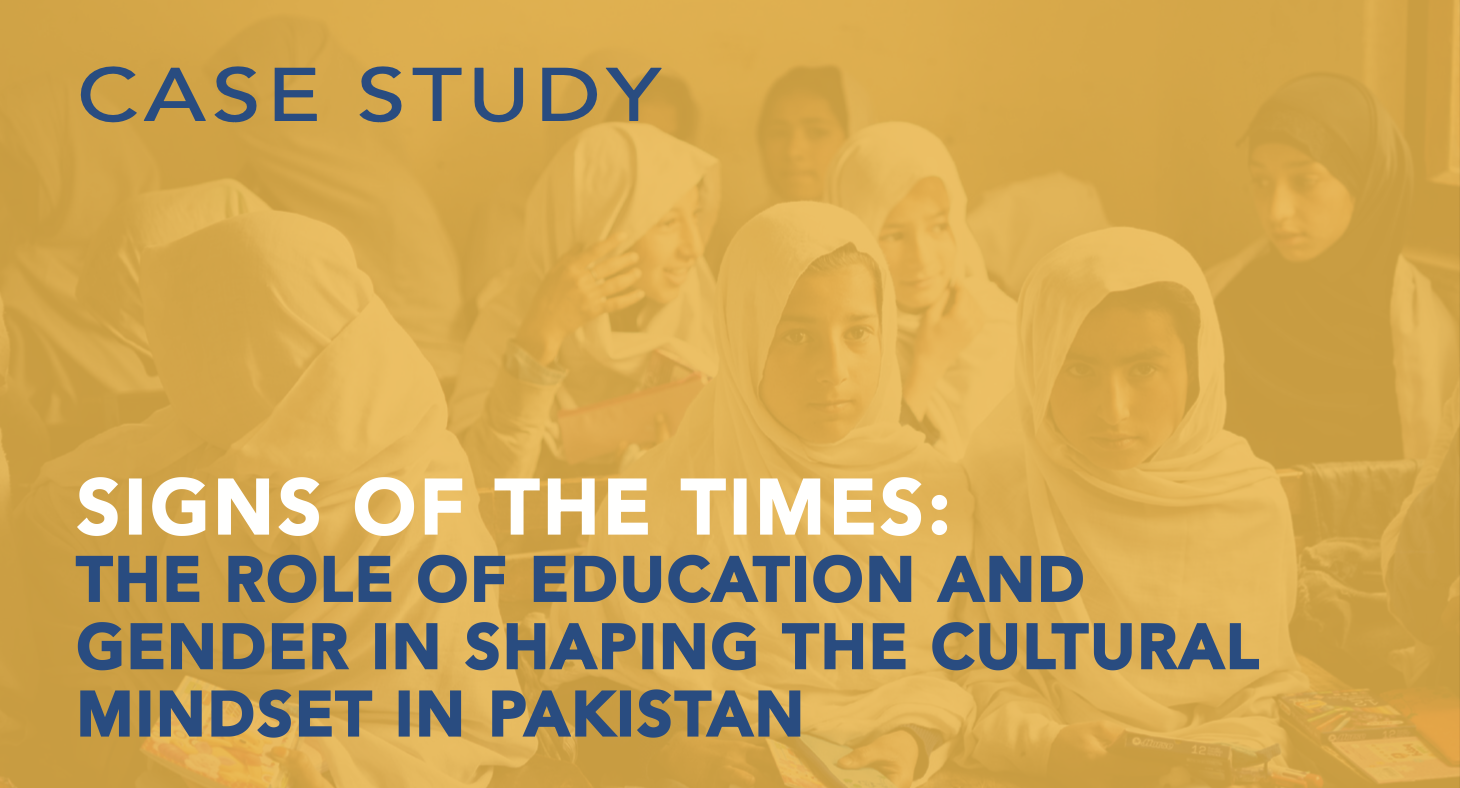
This case study focuses on how peace education curricula provide a positive counterweight to the identity-based divisions fostered by violent extremist groups in Pakistan and respond to signs of violent extremism in the larger Pakistani culture. It discusses how taking a broad educational approach enables direct intervention with students and parents to prevent their joining […]
This case study discusses how Libya has become home to extremist narratives justified by conservative interpretations of Islam that position women as weak, belonging in the domestic sphere, and in need of protection. The case analyzes how militant groups have deployed these gendered narratives to systematically curtail women’s legal rights and exclude women from reforming […]
This case study discusses facilitating factors, barriers, and challenges to expanding the roles of women in counterterrorism responses in Jordan. Drawing on good practices from women-led civil society organizations in other contexts, it considers how combining women’s participation with a community policing approach strengthens the ability of the security sector to provide a positive alternative […]
This case study discusses how Cameroonian conflict actors have systematically targeted, excluded, and co-opted women and radicalized men to promote a patriarchal culture of violence and militarism. It considers the role of women-led peace networks as a source for challenging structural inequality, maintaining collective agency, and providing support in the face of risk and threats. […]