Nina Potarska, a member of the ICAN-spearheaded Women’s Alliance for Security Leadership, is currently at sea with the Global Sumud Flotilla, a civilian-led mission organized with the Freedom Flotilla Coalition, en route to Gaza.
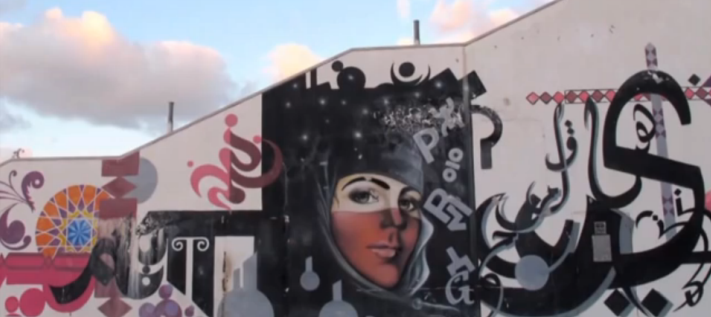
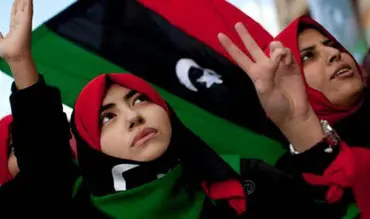
As the Arab world rumbles and shakes, women in the region are experiencing the good, the bad and the ugly that comes with instability, transition and crisis. From Tunisia and Egypt to Syria, Libya and Bahrain, women have been present and vocal in the street protest movements, standing shoulder to shoulder with the men, resisting the batons and tear gas, and being killed.
While they made major gains in education and civil rights in the 1950s and 60s, Middle Eastern women were marginalized from politics and decision-making throughout recent decades. The current transition period does not bode well either.
The political developments and status of women differ across countries. In the first of ICAN’s What theWomen Say; MENA Region briefs, we highlight common regional trends that threaten basic norms of democracy, equality and affect women’s abilities to participate in and influence the decision-making processes – nationally and internationally – that will determine the course of these countries’ futures and their lives.
Recognizing the value and need to channel equitable resources to local women’s peacebuilding organizations (WPBOs) have been constant stipulations of the value of the Women, Peace, and Security (WPS) agenda since its inception at the turn of the 21st century. From the United Nations to its 193 member states, the desire and intent to support such organizations has increased over the years. But the chasm between donors’ good intentions and their political, financial, and administrative constraints has hampered the flow of funds to the grassroots women who need them the most.
ICAN Featured ICAN Updates Our Resources SBP Frameworks
This policy brief highlights key challenges impeding progress on the global PVE and SDG 16 agendas, underscoring how they are two sides of the same coin.
Exclude from RSS Our Resources PVE Thematic Reports
This brief examines and reflects on existing efforts to enable the participation of civil society voices, notably women, in Yemen’s formal negotiations. And it provides practical recommendations to the U.S. administration and Congress on steps needed to reach peace in Yemen.
ICAN Featured ICAN Updates Our Resources Papers Peace Track Initiative
Images of women’s mass participation surprised Western observers and revealed the vibrant force of Yemeni women as influential, yet previously unrecognized, change agents.
Our Resources What The Women Say Briefs