ICAN’s Mission Five Steps for Sustainable Prevention of Sexual Violence in Conflict ICAN Partner AWAPSA: A Catalyst for Kenya’s First SGBV Court The War Against Ourselves: Afghan Women Peacebuilders’ Response to the Mental Health Crisis in Afghanistan Protecting Women Peacebuilders: The Front Lines of Sustainable Peace
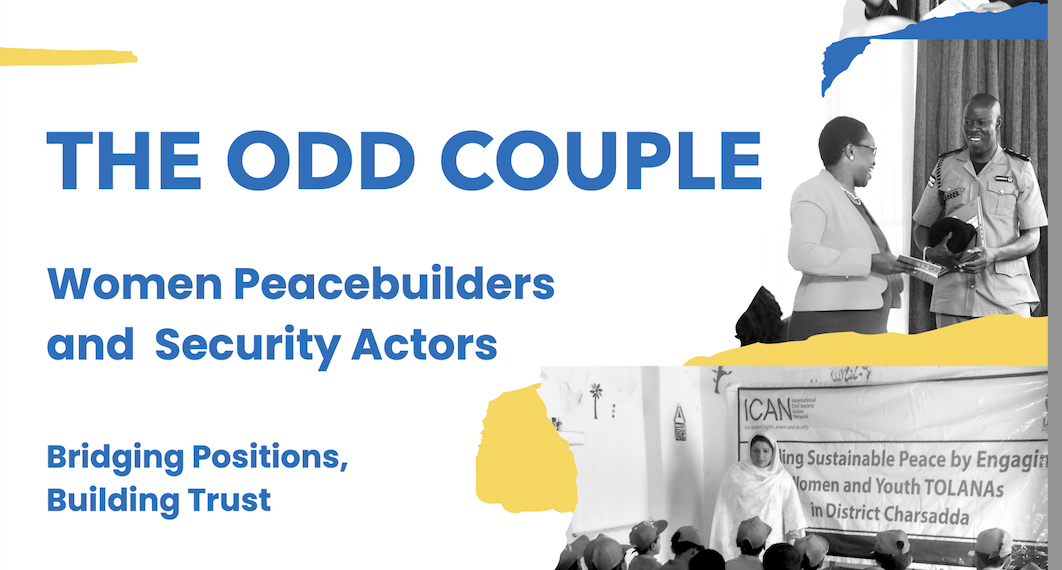
The Odd Couple: Women Peacebuilders and Security Actors Bridging Positions, Building Trust
The WPS agenda has proven a vital entry point for women peacebuilders to engage with the security sector and build trust within affected communities. These efforts—often invisible—are contributing to the reform of the sector, reshaping local security environments and mitigating violence.
The War Against Ourselves: Afghan Women Peacebuilders’ Response to the Mental Health Crisis in Afghanistan
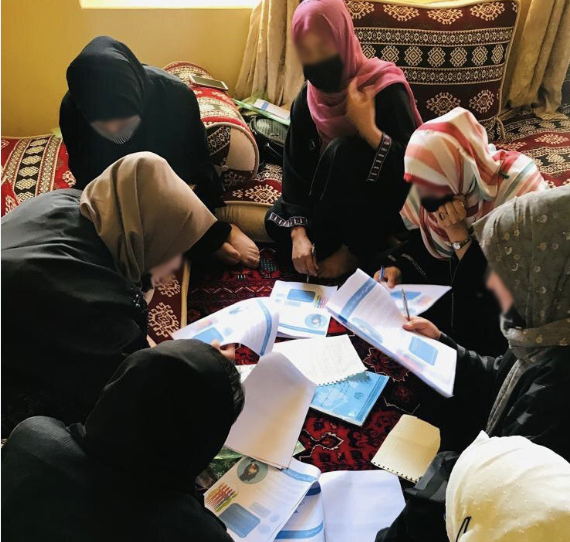
This case study describes the drivers of the mental health crisis in Afghanistan, its gendered and cultural dimensions, and the strategies used by Afghan women-led peacebuilding organizations to provide solutions. The authors conducted interviews with representatives of Afghan women-led peacebuilding organizations and thematic experts, which were complemented by a desk review of project documentation and […]
Open Statement to the United Nations Security Council on behalf of Women Peacebuilders Marking 25 Years of the Women, Peace, and Security Agenda
On October 6, 2025, the U.N. Security Council holds its annual open debate on Resolution 1325 on Women, Peace, and Security. Today, we are not issuing a new statement. Instead, we are honoring our community of women peacebuilders—who appeared before the Security Council throughout these 25 years, speaking for the millions they represent—by echoing their messages.
Home»Stories»
CoACT: Engaging Youth to Build Peace and Prevent Election Violence in Uganda
CoACT: Engaging Youth to Build Peace and Prevent Election Violence in Uganda
07 June 2021
“The youth aren’t leaders of tomorrow; they are leaders of today and we challenge them to take up leadership now!”
– Robinah Rubimbwa, Executive Director, CoACT
Established in 2014, the Coalition for Action on 1325 (CoACT) is an alliance of organizations that work to inspire women’s leadership, amplify their voices and coordinate civil society action in building and sustaining peace in Uganda. CoACT works to promote inclusive governance, social accountability, women and youth’s participation in decision-making, conflict prevention and conflict resolution.
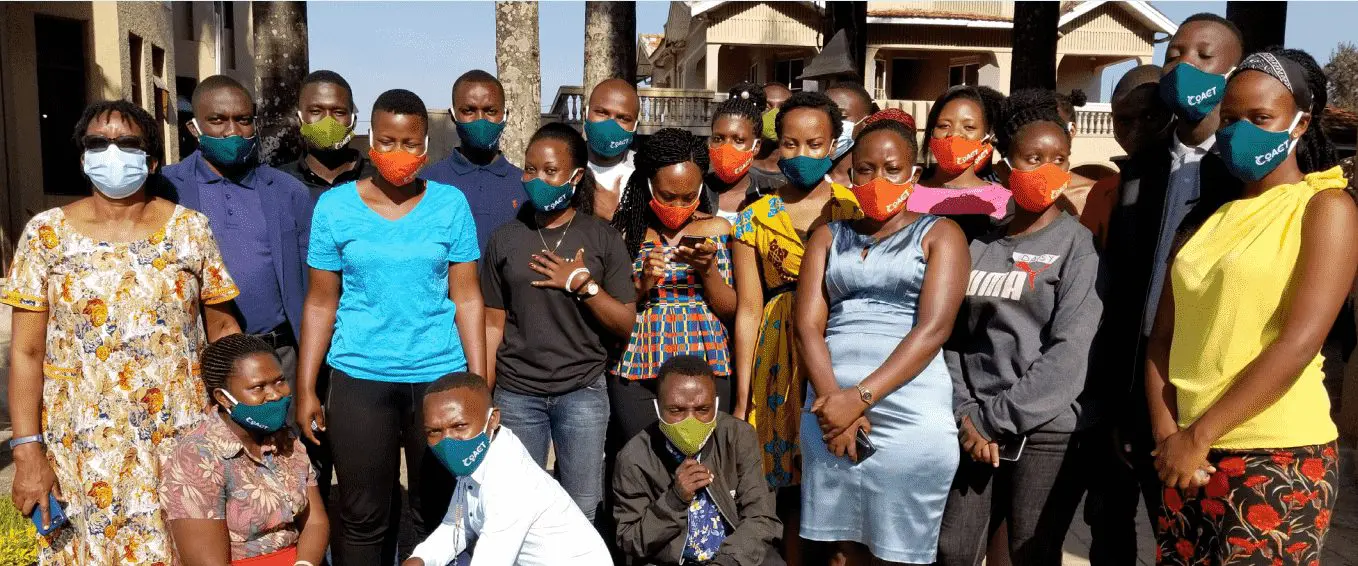
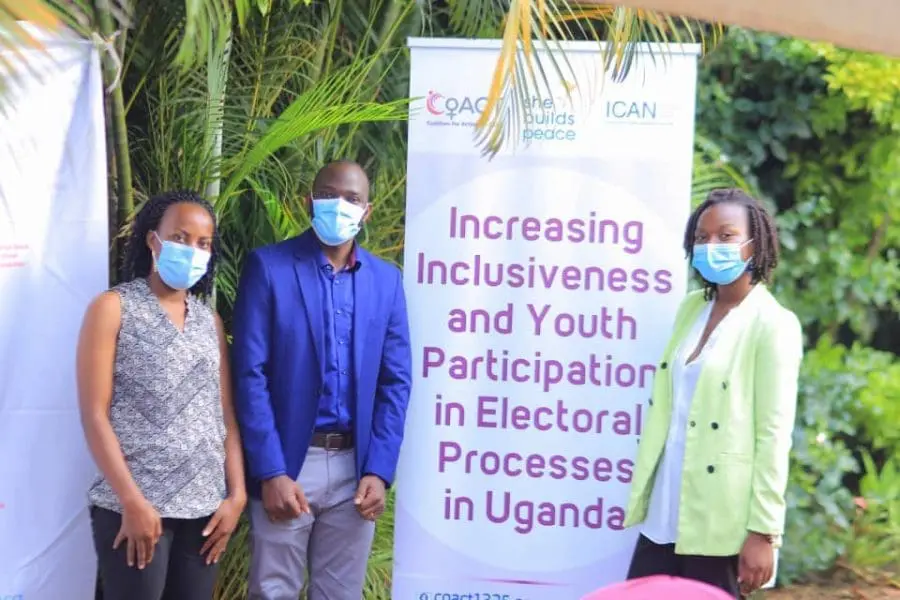
On June 2, 2021, CoACT and the Embassy of Sweden in Kampala hosted a ‘Democracy Talks’ event bringing together civil society, youth leaders, members of the police force, media, and representatives from the Swedish embassy, to discuss youth participation in democratic processes in Uganda. The ‘Democracy Talks’ event was the culmination of over a year of CoACT’s efforts to mobilize youth to build sustainable peace in Uganda.
Since May 2020, CoACT has implemented a program to increase inclusiveness and youth participation in election processes, funded by ICAN’s Innovative Peace Fund (IPF). Through consultative meetings with over 80 youth leaders, CoACT sought to understand the barriers which prevent youth participation in decision-making, election processes, conflict prevention and resolution. In particular, the process explored the double burden female youth face, which limits their participation in leadership roles. CoACT then developed a comprehensive training program to increase youth’s leadership and advocacy capacity, knowledge of election processes, and peacebuilding skills.
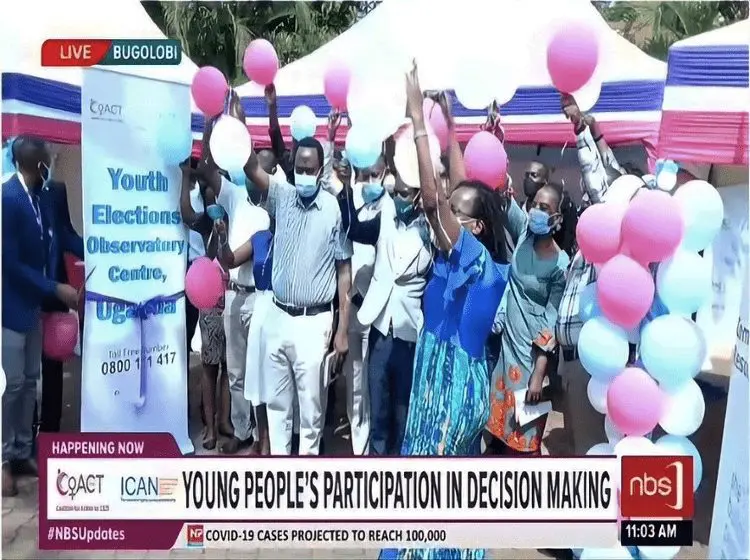
In January, CoACT initiated the world’s first Youth Elections Observatory center, a week ahead of Uganda’s highly anticipated 2021 general election. The center, supported by ICAN’s IPF, is a youth-led mechanism for preventing violence before, during and after elections.
“If guided and trained properly, youth have the potential to keep peace!”
– Robinah Rubimbwa, Executive Director, CoACT
Mobilizing Youth for Early Warning and Early Response
Since 2011, Uganda has experienced violence during election campaigns, on voting day, and in the weeks and months following each election. The 2016 post-election violence was the worst the country had ever experienced. As the level of violence increases, the government finds a reason to unleash police brutality onto citizens, especially targeting campaign rallies of opposition candidates.
During these periods, young people, who make up a strong majority of the population (over 75% of Uganda’s population is under 30), often find themselves enmeshed in violent contestations. Gangs of youth, particularly young men, are recruited by politicians to disrupt campaign rallies, harass or attack political candidates and cause insecurity. In post-election months, youth may be mobilized for violent protests by those who contest the result, resulting in arrests, injuries and even death.
At the same time, apathy among the youth electorate towards elections continues to grow in Uganda, as they feel disenfranchised and powerless to create change through fair and free elections. This disengagement is particularly strong among young women, whose participation is limited due to lack of knowledge of enabling laws, persistent stigmatization towards women’s leadership, and lack of confidence. CoACT seeks to bridge this gap and emphasize the intersection between the Women, Peace and Security (WPS)– and Youth, Peace and Security (YPS) agendas: “it’s all about building inclusive societies” and “creating sustainable peace” says Ms. Rubimbwa.
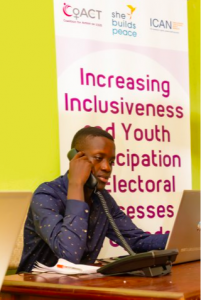
In preparation for the opening of the Youth Elections Observatory, CoACT trained male and female youth on election monitoring, observation and reporting. The youth leaders developed a strong understanding of conflict early warning indicators and 20 were accredited as election observers on completion of the training. During the 2021 general elections, the Youth Elections Observatory served as a central hub for early warning and rapid response to election-related violence across four districts: Kampala, Kasese, Ntungamo, and Kabarole. The center was managed by four youth observers, who operated a toll-free telephone line that members of the public could use to report instances of violence. The 16 other youth observers were deployed to potential hotspots of violence across the four districts to look out for incidents, such as gender-based violence, obstruction of observers and agents, inconsistencies in the voter register, malfunctioning biometric machines, and voter bribery and intimidation. They reported incidents back to the center, where members of the Ugandan Police and Electoral Commission remained to analyze and coordinate real-time responses.
“To the youth listening: you can use alternative means of resolving a conflict – you can report, you can reach out to us or the authorities, but don’t go to the streets to riot.”
-Gorett Komurembe, Director of Programmes, CoACT at the Youth Elections Observatory Launch Event
Looking to a More Peaceful Future
A total of 112 incidents were reported to the center before, during and after the elections by the youth observers and members of the public. One incident, reported by a youth observer, was the theft of polling kits from Kacerere polling station in Ntungamo district. As a result of quick reporting, the Electoral Commission immediately responded by pausing the vote there and postponing it to the next day.
The role of the center as an early warning and reporting mechanism and the presence of youth observers significantly improved election-related security in the districts where they were operating. This impact was particularly obvious in Ntungamo and Kasese districts, where the 2021 election period passed peacefully as compared to the 2016 general elections, which witnessed high rates of violence.
“If it was not for this observatory center, Kasese and Ntungamo would be on fire by now. The Youth Elections Observatory center is really an effective mechanism in preventing election-related violence. Actually, the center should be maintained for early reporting and response to all forms of peace-related issues.”
-ASP Francis Ogweng, Uganda Police Official
As a result of the tremendous success of this project and the center, CoACT’s next IPF project seeks to create more learning opportunities and dialogues for young people to discuss strategies to increase their participation in decision-making, conflict prevention and resolution. CoACT will also expand geographically, mobilizing youth leaders in two more districts, specifically refugee-hosting districts.
“We are looking to see what lessons we learn from this first experience so we can refine the concept for the future. I believe many countries will adopt the use of the Youth Elections Observatory as an effective mechanism for preventing and mitigating election-related violence and as a best practice for increasing youth participation and leadership in electoral processes in the future.”
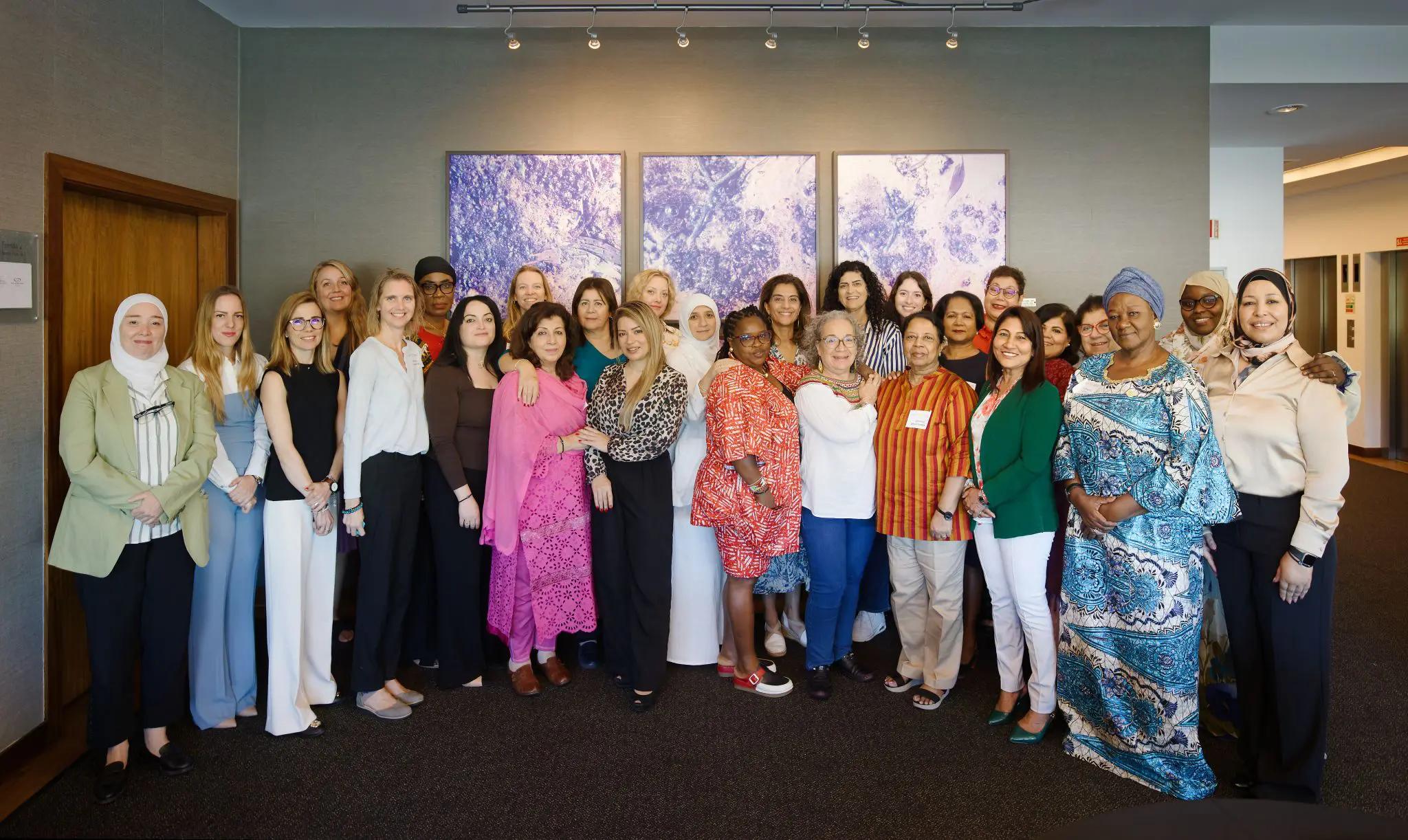
ICAN convened 20 members of WASL in Lisbon for the “Our Strategies, Our Peace” Writers’ Workshop. This unique gathering provided a secure and creative space for women peacebuilders to share their strategies, experience, expertise, and stories from conflict and crisis contexts.
Addu Women's AssociationAllamin FoundationAWAWCAGEADCIASECOECICAN FeaturedMobaderoonPAIMANRescue MeWCDCAWi'amWomen's Alliance for Security LeadershipWPSO
On October 6, 2025, the U.N. Security Council holds its annual open debate on Resolution 1325 on Women, Peace, and Security. Today, we are not issuing a new statement. Instead, we are honoring our community of women peacebuilders—who appeared before the Security Council throughout these 25 years, speaking for the millions they represent—by echoing their messages.
ICAN FeaturedICAN LatestICAN UpdatesWASL UpdatesWomen's Alliance for Security Leadership
In South Sudan, a nation where peace has long remained fragile and democratic progress uncertain, women are stepping forward to shape the future of their country. Long excluded from the corridors of power, they are forging their own movement for lasting change.
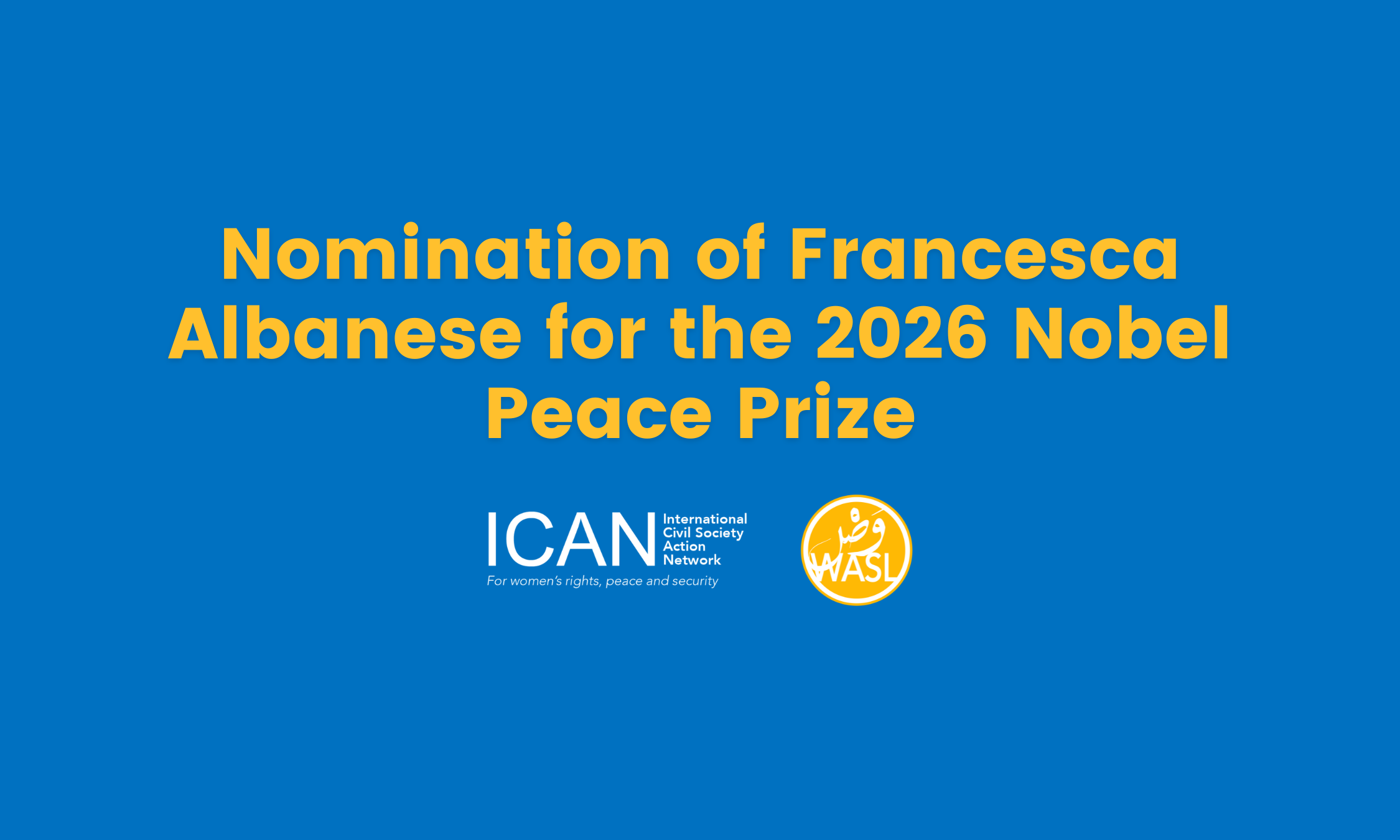
On behalf of the International Civil Society Action Network (ICAN) and members of the global Women’s Alliance for Security Leadership (WASL), we are honored to nominate Francesca Albanese, United Nations Special Rapporteur on the situation of human rights in the Palestinian territories occupied since 1967, for the 2026 Nobel Peace Prize.
در عرصه صحت روانی، افغانستان با بحران پیچیدهای مواجه است که این بحران به طور جدایی ناپذیر با ناامنی شدید فیزیکی، سیاسی و اقتصادی در کشور گره خورده و این نا امنی ها بحران را تشدید میکند. برای رسیدگی به آسیب های روانی، صحت و بهداشت جامعه به شیوه های پاسخگو به جنسیت و با مد نظر گرفتن حساسیت های فرهنگی، سازمانهای فعال در عرصه صلح سازی به رهبری زنان افغان در موقعیتی منحصربه فرد قرار دارند. این سازمان ها خدمات ابتدایی ارائه میدهند، مهارتها را توسعه میبخشند و در شکلدهی هنجارهای فرهنگی و جنسیتی نقش مؤثر ایفا میکنند.
ICAN FeaturedICAN LatestICAN UpdatesWASL UpdatesWomen's Alliance for Security LeadershipWPSO
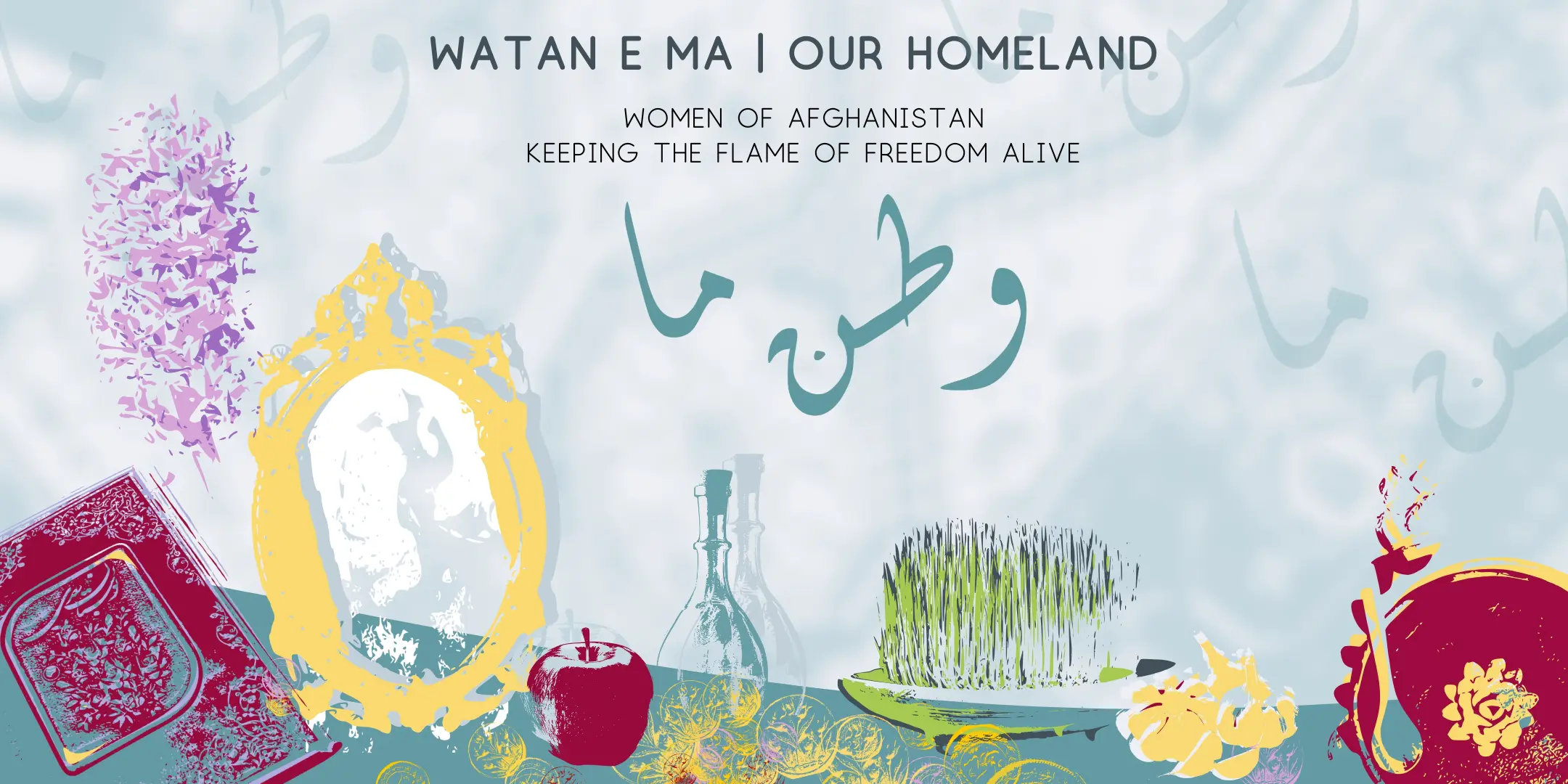
In a powerful departure from traditional advocacy, ICAN—guided by our Afghan partners and women peacebuilders—hosted the event “Watan e Ma – وطن ما – Our Homeland: Women of Afghanistan Keeping the Flame of Freedom Alive” on March 17, 2025 at Blue Gallery in New York City. Held during the 69th Commission on the Status of Women (CSW69), the event celebrated Afghan cultural heritage and the resilience of Afghan women peacebuilders, who persist in their leadership for peace, justice, and equality under the Taliban’s regime of gender apartheid.
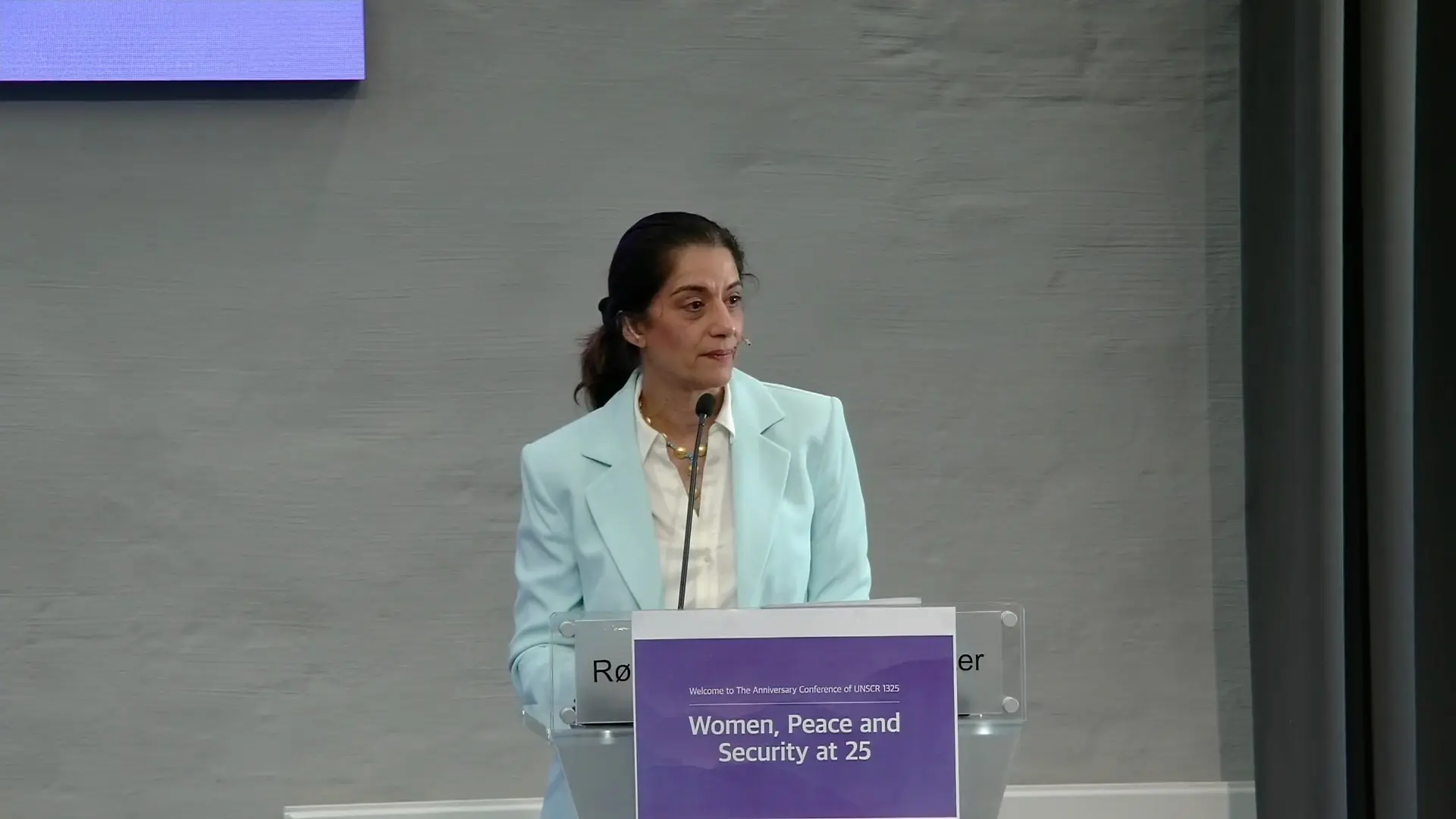
On May 5, 2025, ICAN's Sanam Naraghi Anderlini delivered the keynote speech at the two-day international conference "25th Anniversary Conference of UNSCR 1325 Women, Peace and Security."
As Senator Mobina Jaffer concludes 23 years of distinguished public service in the Canadian Senate, we extend our deepest thanks for her steadfast leadership as Chair of ICAN’s Board of Directors from 2014 to 2024.
Together with André Mundal, our new Interim Chair of the ICAN Board of Directors, we are delighted to welcome two new members to our Board of Directors.
Trust between communities and the security sector is critical for effective governance and peace. So is a vibrant civil society. When women peacebuilders are recognized and engaged as independent, strategic partners and security actors—in their own right—the results are transformative. Twenty-five years on from the launch of the WPS agenda, women peacebuilders’ creativity and contributions to societal peace and security are not only timely, they are even more essential.
Allamin FoundationAWAPSAAWAWBetter Peace InitiativeCIASECoACTGEN MyanmarGender and ExtremismsICAN FeaturedICAN LatestICAN UpdatesPAIMANPCIDWASL UpdatesWomen's Alliance for Security Leadership