Countering Extremism in Iraq: A New Horizon for Peace
Iraqi Al-Firdaws Society (Al-Firdaws) is taking a new approach to peacebuilding. Their project, Horizon: Promoting Community Peace, supported by ICAN’s Innovative Peace Fund (IPF), brings together youth, local security forces, and civil society actors to address violent extremism through dialogue, education, and community-based action.
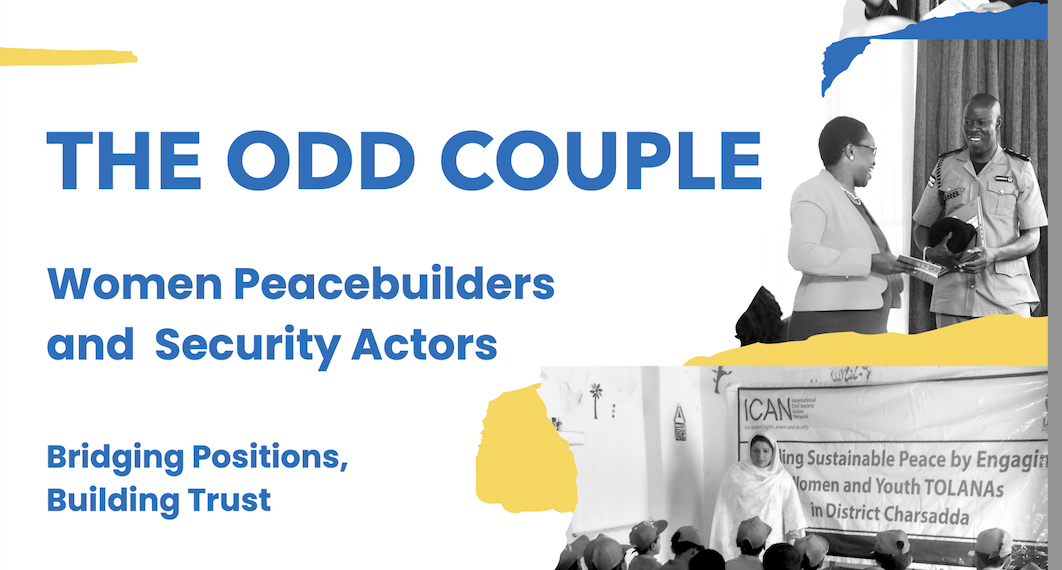
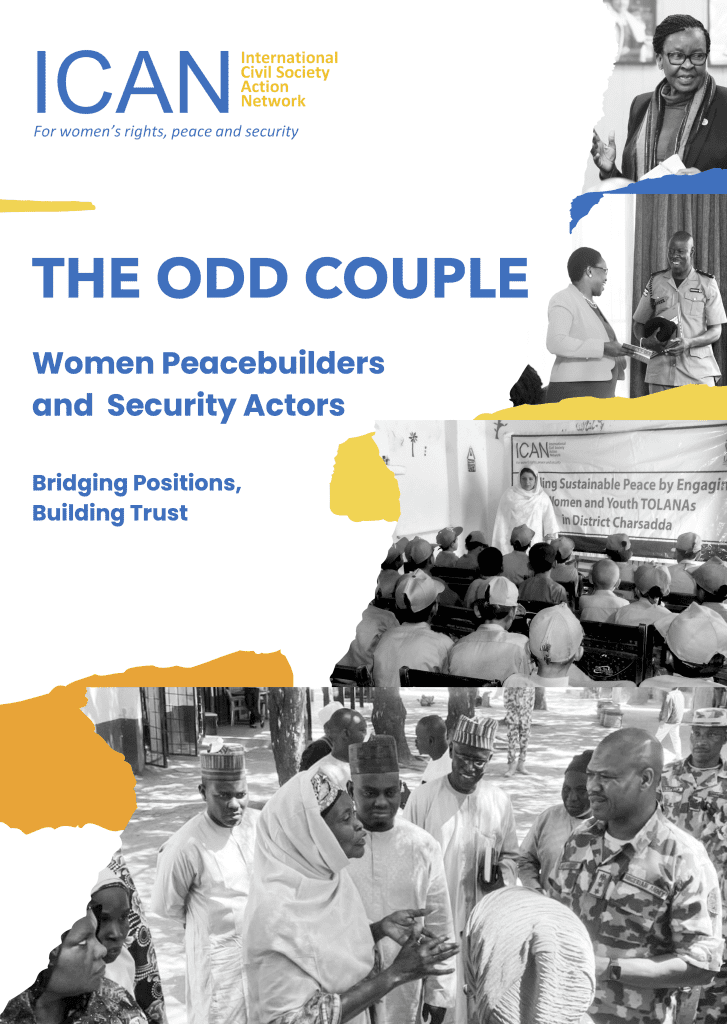
The Odd Couple: Women Peacebuilders and Security Actors Bridging Positions, Building Trust
The WPS agenda has proven a vital entry point for women peacebuilders to engage with the security sector and build trust within affected communities. These efforts—often invisible—are contributing to the reform of the sector, reshaping local security environments and mitigating violence.
The War Against Ourselves: Afghan Women Peacebuilders’ Response to the Mental Health Crisis in Afghanistan
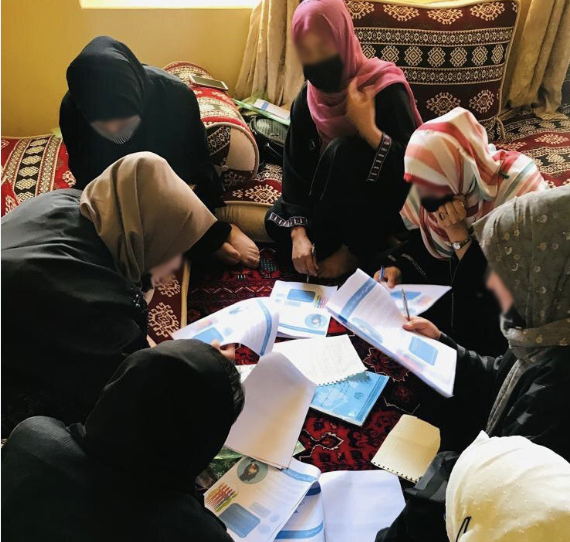
This case study describes the drivers of the mental health crisis in Afghanistan, its gendered and cultural dimensions, and the strategies used by Afghan women-led peacebuilding organizations to provide solutions. The authors conducted interviews with representatives of Afghan women-led peacebuilding organizations and thematic experts, which were complemented by a desk review of project documentation and […]
Open Statement to the United Nations Security Council on behalf of Women Peacebuilders Marking 25 Years of the Women, Peace, and Security Agenda
On October 6, 2025, the U.N. Security Council holds its annual open debate on Resolution 1325 on Women, Peace, and Security. Today, we are not issuing a new statement. Instead, we are honoring our community of women peacebuilders—who appeared before the Security Council throughout these 25 years, speaking for the millions they represent—by echoing their messages.
Home»ICAN Latest»
The Odd Couple: Women Peacebuilders and Security Actors Bridging Positions, Building Trust
The Odd Couple: Women Peacebuilders and Security Actors Bridging Positions, Building Trust
12 May 2025
Coming together is key to mobilize a new form of community security.
– Visaka Dharmadasa Founder, AWAW, Sri Lanka
In the multilateral system, countless resolutions, reports, and processes address women’s rights and security issues—but rarely in tandem. The adoption of UN Security Council Resolution 1325 in 2000 and the emergence of the Women, Peace, and Security (WPS) agenda marked a rare and critical convergence of these worlds.
The WPS agenda has proven a vital entry point for women peacebuilders to engage with the security sector and build trust within affected communities. These efforts—often invisible—are contributing to the reform of the sector, reshaping local security environments and mitigating violence.
But challenging police and military impunity can make women peacebuilders targets. At the same time, security forces in many contexts—including democratic ones—are being deployed to suppress peaceful protest and dissent, eroding public trust. In extreme cases, this mistrust fuels vigilantism and deepens community tensions.
In March 2024, ICAN, in partnership with the Norwegian Mission to the UN, convened the first formal dialogue between civil society women peacebuilders and security actors at the United Nations—Bridging Positions, Building Trust: Women Peacebuilders and Security Sector Actors. This report captures the key discussions, initiatives, and actionable recommendations, focusing on three core areas of work between the two sectors: addressing the threat of violent extremism; reframing and reforming the security sector; and confronting election-related violence.
The report and its methodology center the experiences of local civil society, in particular, women-led civil society organizations who contributed to this project through their contributions at the March 2024 workshop, interviews, dialogues, and correspondence, in addition to desk research. It emphasizes the necessity of integrated, multi-stakeholder approaches that enable security actors from the state and international spheres to work in tandem with civil society, based on the comparative advantages of each.
Iraqi Al-Firdaws Society (Al-Firdaws) is taking a new approach to peacebuilding. Their project, Horizon: Promoting Community Peace, supported by ICAN’s Innovative Peace Fund (IPF), brings together youth, local security forces, and civil society actors to address violent extremism through dialogue, education, and community-based action.
Women peacebuilders often operate in some of the world’s most dangerous contexts—yet the security support available to them is frequently fragmented, repetitive, and short-term. Recognizing the need for a fundamentally different approach, ICAN conducted a holistic security assessment of its Afghan partners, including members of the Women’s Alliance for Security Leadership (WASL). The result is the Holistic Security Menu: a co-designed, partner-driven model that provides practical and sustainable security support—on women peacebuilders’ […]
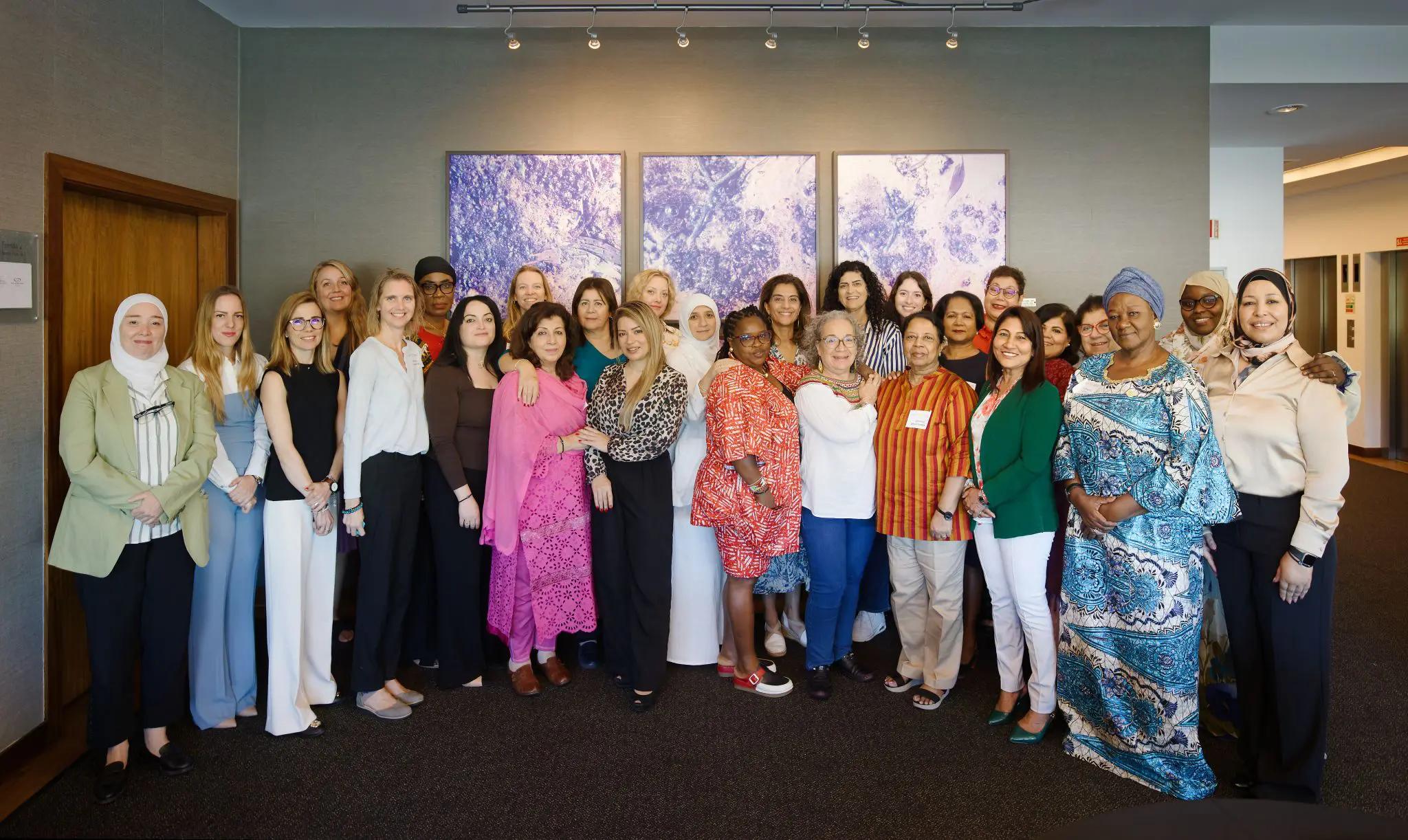
ICAN convened 20 members of WASL in Lisbon for the “Our Strategies, Our Peace” Writers’ Workshop. This unique gathering provided a secure and creative space for women peacebuilders to share their strategies, experience, expertise, and stories from conflict and crisis contexts.
Addu Women's AssociationAllamin FoundationAWAWCAGEADCIASECOECICAN FeaturedMobaderoonPAIMANRescue MeWCDCAWi'amWomen's Alliance for Security LeadershipWPSO
On October 6, 2025, the U.N. Security Council holds its annual open debate on Resolution 1325 on Women, Peace, and Security. Today, we are not issuing a new statement. Instead, we are honoring our community of women peacebuilders—who appeared before the Security Council throughout these 25 years, speaking for the millions they represent—by echoing their messages.
ICAN FeaturedICAN LatestICAN UpdatesWASL UpdatesWomen's Alliance for Security Leadership
In South Sudan, a nation where peace has long remained fragile and democratic progress uncertain, women are stepping forward to shape the future of their country. Long excluded from the corridors of power, they are forging their own movement for lasting change.
On behalf of the International Civil Society Action Network (ICAN) and members of the global Women’s Alliance for Security Leadership (WASL), we are honored to nominate Francesca Albanese, United Nations Special Rapporteur on the situation of human rights in the Palestinian territories occupied since 1967, for the 2026 Nobel Peace Prize.
در عرصه صحت روانی، افغانستان با بحران پیچیدهای مواجه است که این بحران به طور جدایی ناپذیر با ناامنی شدید فیزیکی، سیاسی و اقتصادی در کشور گره خورده و این نا امنی ها بحران را تشدید میکند. برای رسیدگی به آسیب های روانی، صحت و بهداشت جامعه به شیوه های پاسخگو به جنسیت و با مد نظر گرفتن حساسیت های فرهنگی، سازمانهای فعال در عرصه صلح سازی به رهبری زنان افغان در موقعیتی منحصربه فرد قرار دارند. این سازمان ها خدمات ابتدایی ارائه میدهند، مهارتها را توسعه میبخشند و در شکلدهی هنجارهای فرهنگی و جنسیتی نقش مؤثر ایفا میکنند.
ICAN FeaturedICAN LatestICAN UpdatesWASL UpdatesWomen's Alliance for Security LeadershipWPSO
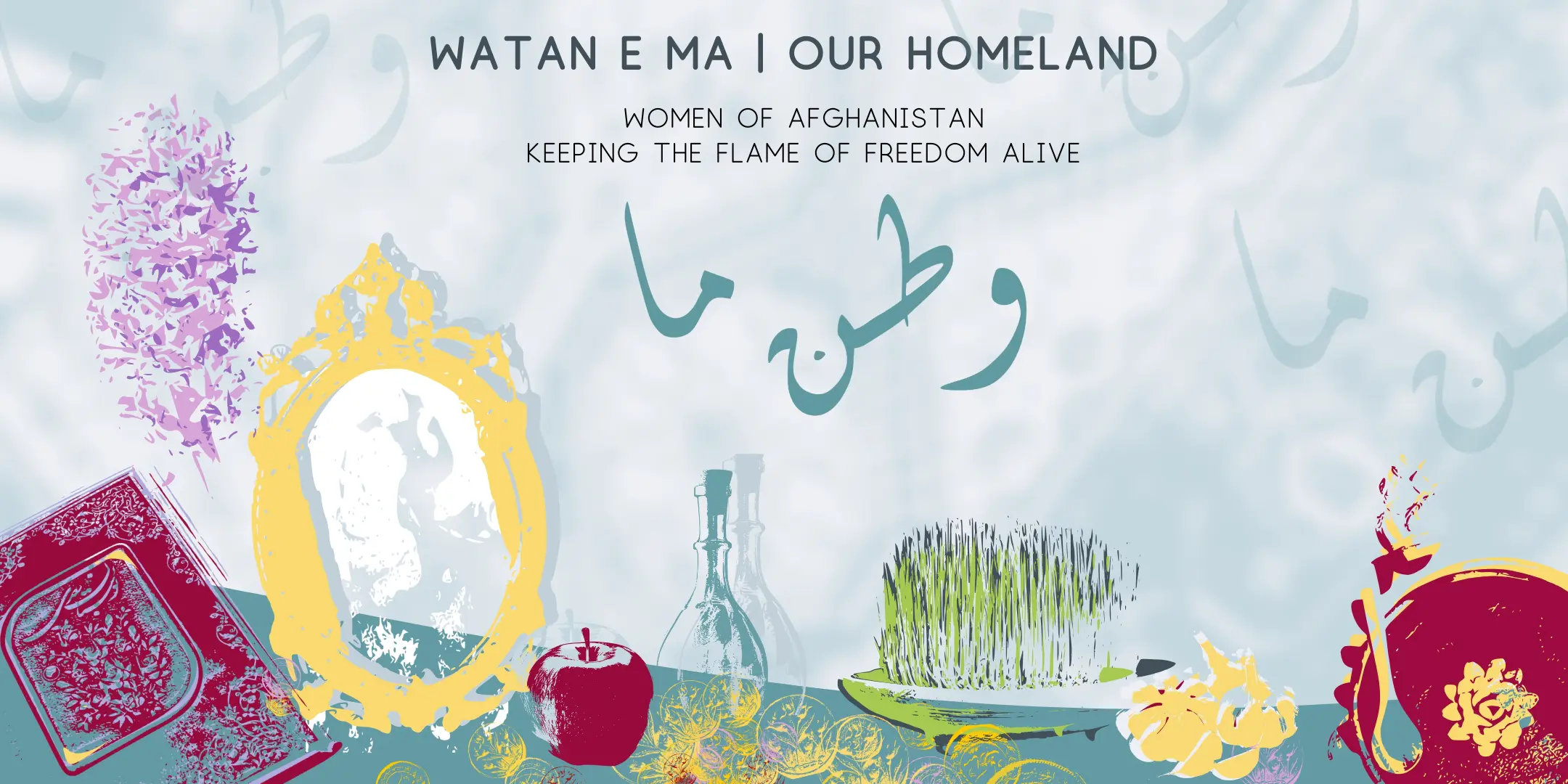
In a powerful departure from traditional advocacy, ICAN—guided by our Afghan partners and women peacebuilders—hosted the event “Watan e Ma – وطن ما – Our Homeland: Women of Afghanistan Keeping the Flame of Freedom Alive” on March 17, 2025 at Blue Gallery in New York City. Held during the 69th Commission on the Status of Women (CSW69), the event celebrated Afghan cultural heritage and the resilience of Afghan women peacebuilders, who persist in their leadership for peace, justice, and equality under the Taliban’s regime of gender apartheid.
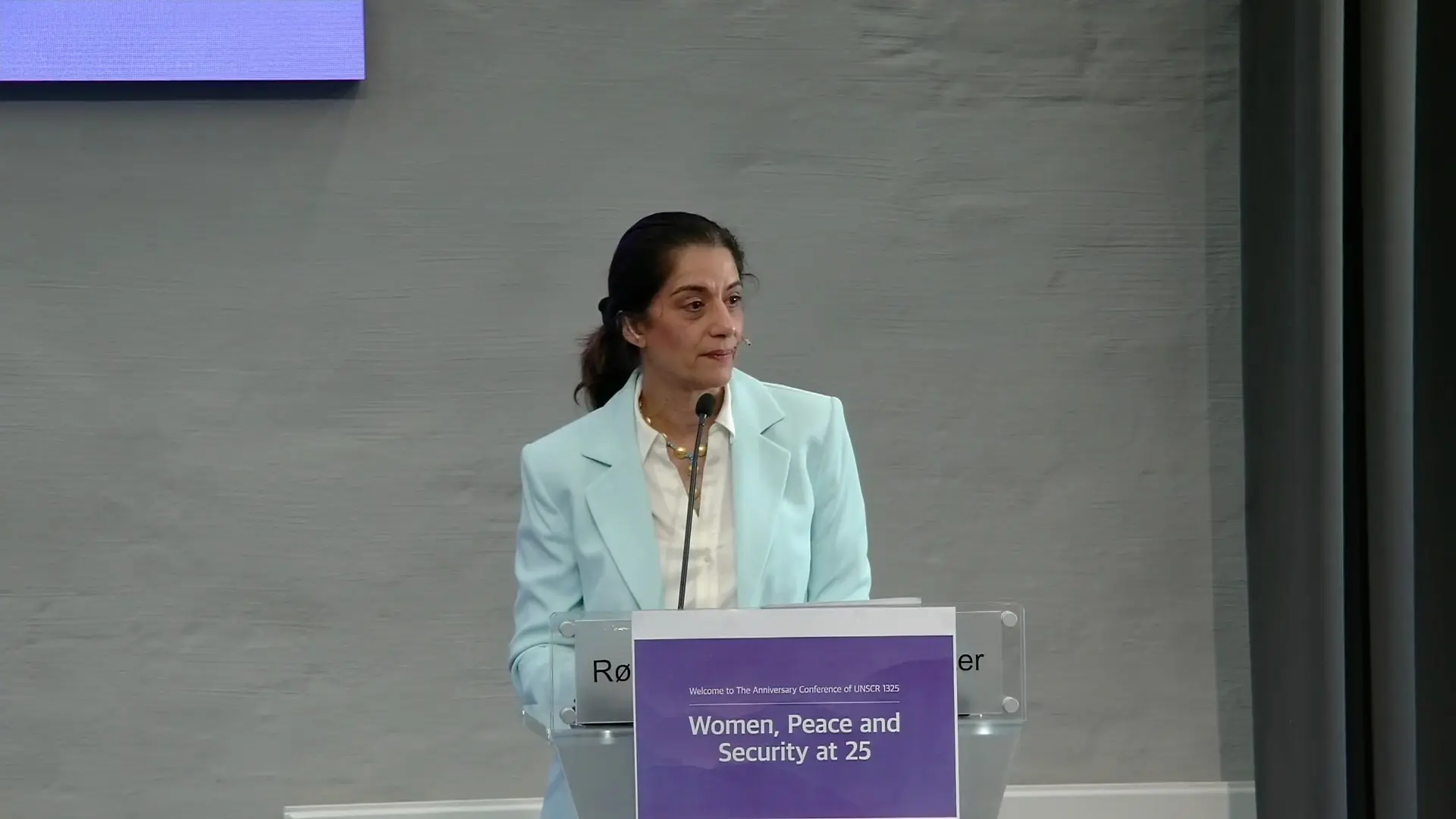
On May 5, 2025, ICAN's Sanam Naraghi Anderlini delivered the keynote speech at the two-day international conference "25th Anniversary Conference of UNSCR 1325 Women, Peace and Security."
As Senator Mobina Jaffer concludes 23 years of distinguished public service in the Canadian Senate, we extend our deepest thanks for her steadfast leadership as Chair of ICAN’s Board of Directors from 2014 to 2024.