ICAN’s Holistic Security Menu: A New Way to Support Women Peacebuilders
Women peacebuilders often operate in some of the world’s most dangerous contexts—yet the security support available to them is frequently fragmented, repetitive, and short-term. Recognizing the need for a fundamentally different approach, ICAN conducted a holistic security assessment of its Afghan partners, including members of the Women’s Alliance for Security Leadership (WASL). The result is the Holistic Security Menu: a co-designed, partner-driven model that provides practical and sustainable security support—on women peacebuilders’ […]
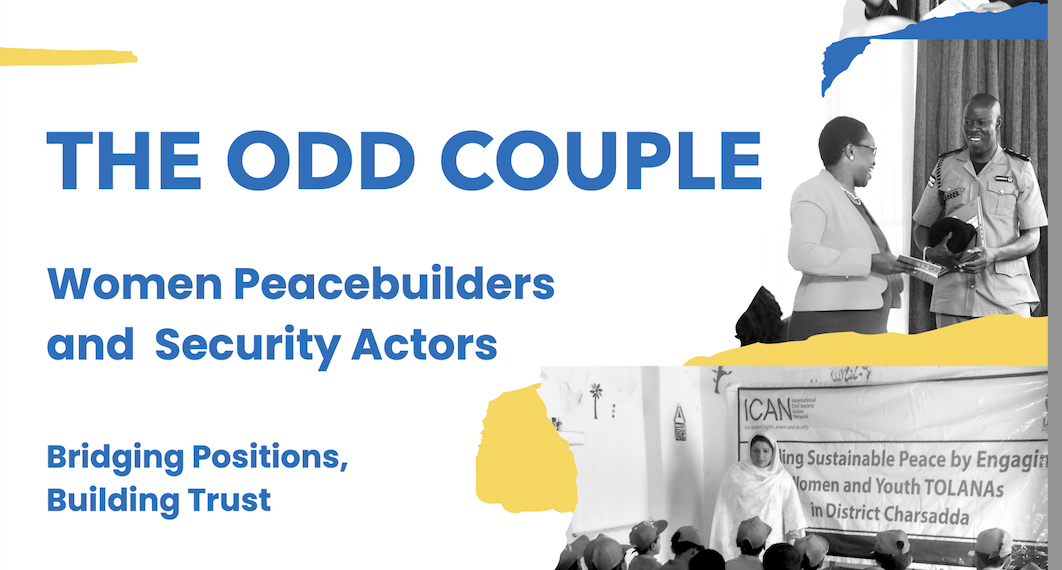
The Odd Couple: Women Peacebuilders and Security Actors Bridging Positions, Building Trust
The WPS agenda has proven a vital entry point for women peacebuilders to engage with the security sector and build trust within affected communities. These efforts—often invisible—are contributing to the reform of the sector, reshaping local security environments and mitigating violence.
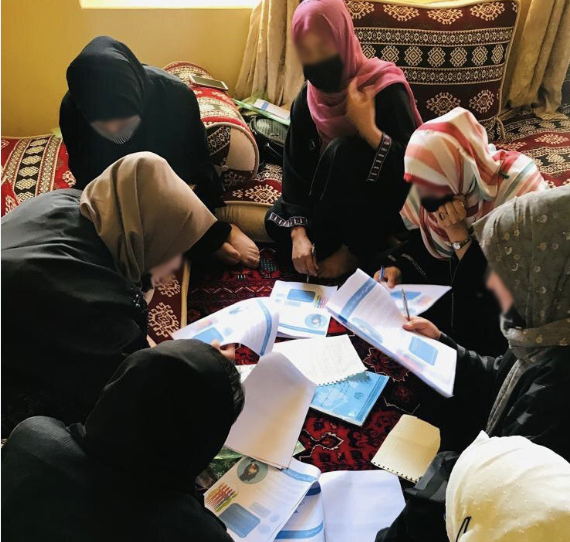
The War Against Ourselves: Afghan Women Peacebuilders’ Response to the Mental Health Crisis in Afghanistan
This case study describes the drivers of the mental health crisis in Afghanistan, its gendered and cultural dimensions, and the strategies used by Afghan women-led peacebuilding organizations to provide solutions. The authors conducted interviews with representatives of Afghan women-led peacebuilding organizations and thematic experts, which were complemented by a desk review of project documentation and […]
Open Statement to the United Nations Security Council on behalf of Women Peacebuilders Marking 25 Years of the Women, Peace, and Security Agenda
On October 6, 2025, the U.N. Security Council holds its annual open debate on Resolution 1325 on Women, Peace, and Security. Today, we are not issuing a new statement. Instead, we are honoring our community of women peacebuilders—who appeared before the Security Council throughout these 25 years, speaking for the millions they represent—by echoing their messages.
Home»ICAN Featured»
From Crisis to Action: Strengthening Women’s Leadership in Myanmar
From Crisis to Action: Strengthening Women’s Leadership in Myanmar
01 May 2025
As this story was being published, on March 28, 2025, a 7.7 magnitude earthquake struck Myanmar. The disaster exacerbated existing vulnerabilities among women and girls. Many were displaced into overcrowded shelters with limited privacy—conditions that heighten the risk of gender-based violence and compromise physical and emotional well-being. GEN responded immediately on the ground with rapid response support from ICAN’s Innovative Peace Fund, distributing humanitarian aid including sanitary pads, soap, and other personal hygiene items to help women maintain their health and dignity during this crisis. These efforts also serve as entry points to raise awareness about gender-based violence and provide information on available support services.
Since gaining independence in 1948, Myanmar has been shaped by relentless conflict, political upheaval, and deep-seated resistance. Ethnic divisions, decades of military rule, and systemic gender inequality have compounded the struggles faced by women across the country. Yet, despite oppression and violence, Myanmar’s women have consistently led movements for justice and change, standing at the forefront of resistance.
Founded in 2008, the Gender Equality Network (GEN) emerged as a powerful coalition dedicated to gender equality and social justice in Myanmar. With over 100 members—including local civil society groups, international NGOs, and individual advocates—GEN has worked to dismantle discriminatory systems, challenge harmful norms, and push for transformative policies.
Before Myanmar’s February 2021 military coup, the network played a pivotal role in policy advocacy, collaborating with ministries like the Department of Social Welfare to shape national gender policies. After the coup, when engagement with state institutions became impossible, GEN rapidly adapted, shifting its focus to emergency response, grassroots support, and international advocacy. Today, it remains one of Myanmar’s most vital platforms for women human rights defenders (WHRDs) and women-led organizations, ensuring that the fight for equality and justice continues despite escalating repression.
Myanmar: A Crisis Deepening Gender Inequality
The 2021 military coup plunged Myanmar into a widespread devastating humanitarian crisis, one that has been particularly brutal for women and girls. Widespread violence, arbitrary arrests, and human rights violations have become the norm, and women face the constant threat of sexual violence, human trafficking, and forced recruitment into Myanmar’s ruling military junta. Movement restrictions and military checkpoints have created a climate of fear, where women traveling between towns risk harassment and detention. The military has also weaponized access to essential resources, deliberately restricting access to food, medicine, and reproductive health supplies, disproportionately affecting women and children.
The coup has also dealt a severe blow to women’s participation in politics, peacebuilding, and leadership. The hard-won progress made in securing women’s roles in governance before 2021 has been reversed. Under military rule, women’s voices have been silenced, and male-dominated resistance movements have been slow to recognize women as equal partners. Despite these setbacks, women activists continue to lead. Using underground networks, cross-border collaborations, and digital platforms, women are defying repression and ensuring that gender equality remains central to Myanmar’s fight for democracy.
Supporting Women Human Rights Defenders
GEN has remained steadfast in its commitment to strengthening women’s leadership, protecting WHRDs and women peacebuilders, and ensuring women’s voices are heard. Through a project supported by the International Civil Society Action Network (ICAN) with funding from the United Kingdom Foreign, Commonwealth, & Development Office (FCDO)/GCICD, GEN has provided critical funding and resources to women-led organizations. The support has enabled them to implement their own initiatives in their communities. In a context where minimal international funding reaches WHRDs and women-led organizations in Myanmar, the project has offered a rare and necessary opportunity for women-led groups to sustain their work.
GEN is committed to locally led, community-driven solutions. Instead of dictating projects from the top down, GEN prioritizes flexibility and direct support. This allows local women’s organizations to develop programming that directly responds to their communities’ unique needs. The approach not only strengthens the capacity of WHRDs but also fosters coordination and deeper solidarity among women leaders across the country.
Strengthening Networks and Addressing Violence
Notably, this project has strengthened the Women’s Advocacy Coalition-Myanmar (WAC-M). In June 2024, GEN convened 53 women leaders and six male allies from across Myanmar for a knowledge-sharing workshop. For many, simply attending the gathering was an act of resilience. Many attendees braved security risks and communications blackouts to participate. Over several days, they worked intensively to embed gender justice into Myanmar’s future governance. By the end of the workshop, they had developed a concrete action plan to push for gender representation within Myanmar’s parallel civilian government, the National Unity Government (NUG), and crafted strategies to ensure that women’s rights would be included in future legal frameworks.
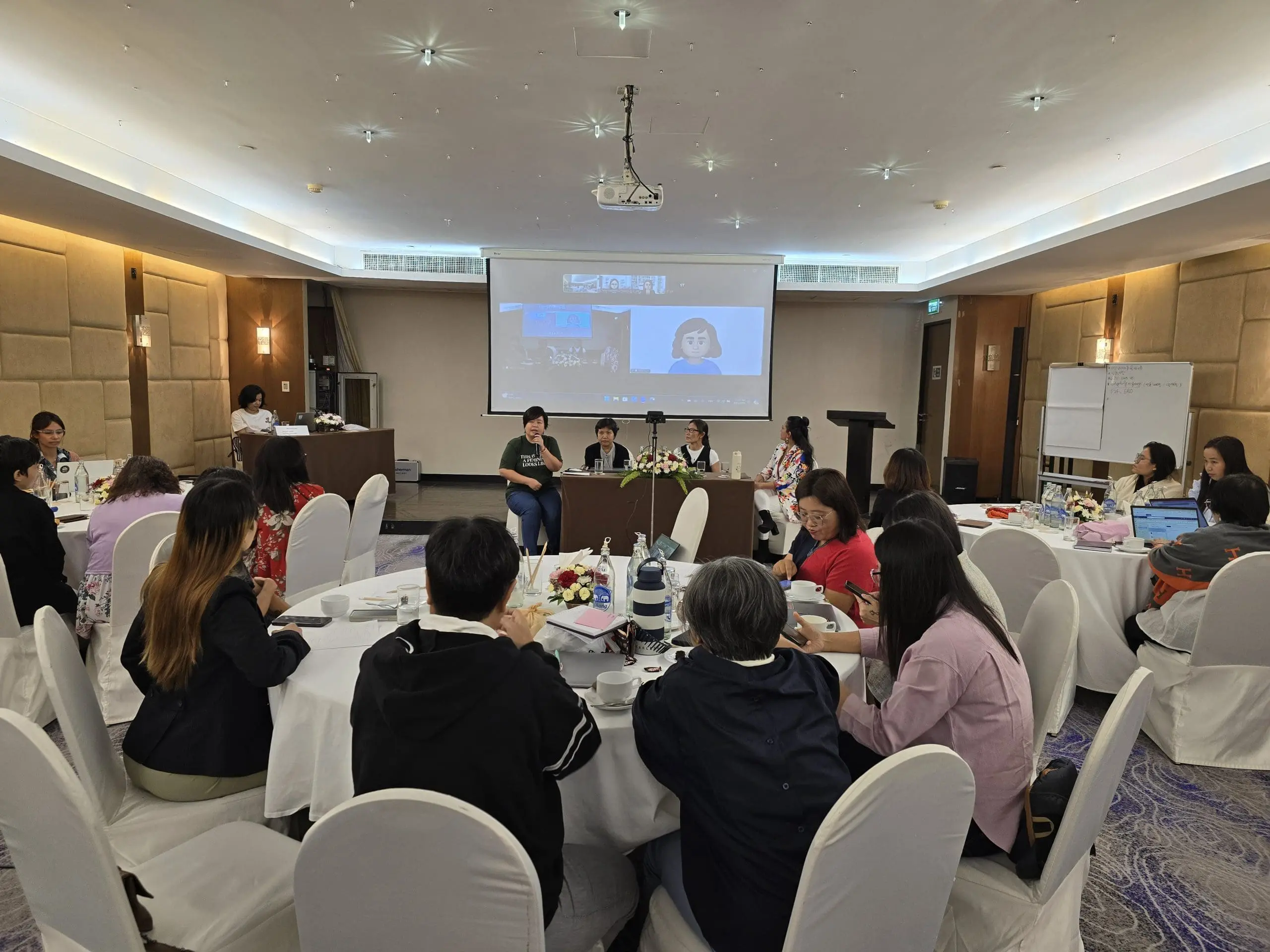
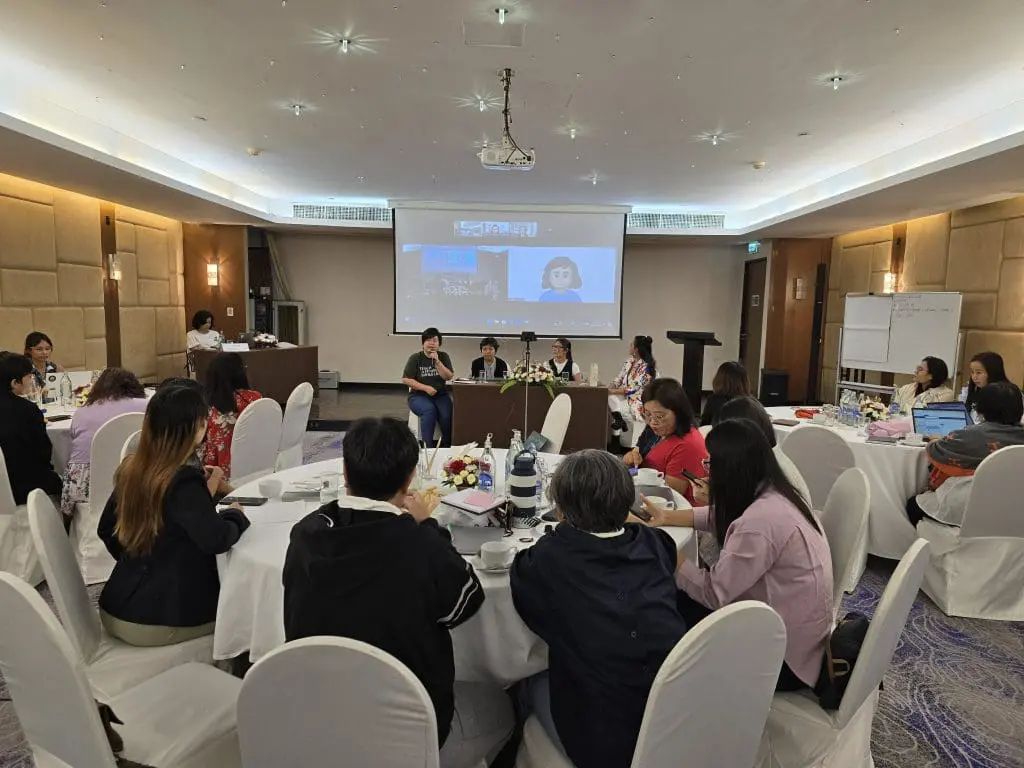
Building on this momentum, GEN hosted a WPS Forum in September 2024, bringing together 45 women human rights defenders and peacebuilders to confront the worsening conditions for women and strategize ways to counter oppression. While participants spoke of escalating militarization, sexual violence, and the loss of access to education and healthcare, the forum was more than just a space to document suffering: it was a call to action. Women peacebuilders exchanged insights on engaging with international advocacy networks, strengthening community organizing, and developing innovative resistance strategies even amid extreme repression.
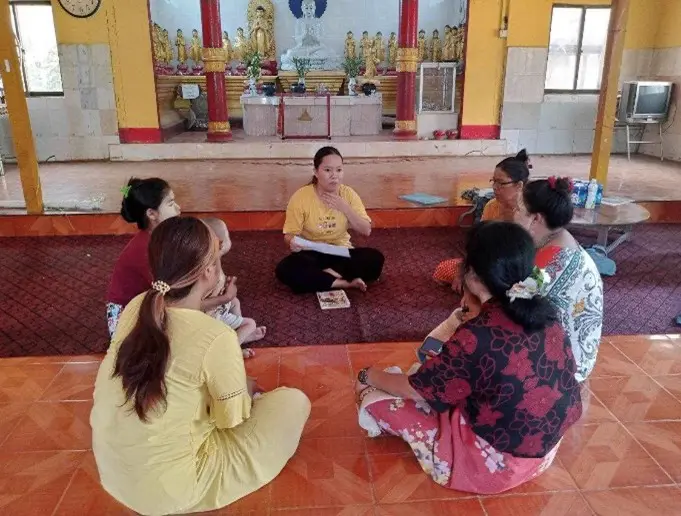
SGBV Awareness Session
To further amplify these efforts, GEN conducted a four-day WPS training in November 2024, equipping 32 women leaders operating at local and sub-national levels with critical tools for advocacy and peacebuilding. The training was designed to promote women’s meaningful participation in peace and democracy, share strategies on how to secure their access to leadership opportunities within their organizations and high-level advocacy spaces, and enhance protections for vulnerable women.
The training was particularly relevant to the day-to-day work of women leaders as Myanmar’s military junta continues to tighten its grip on civil society. For many participants, it provided a rare and valuable opportunity to learn about peacebuilding and advocacy, while forging connections with other women confronting similar challenges. By the end of the course, participants had strengthened their ability to navigate policy spaces, advocate for women’s inclusion in leadership, and tailor peacebuilding strategies to their own local realities. Equipped with these skills, they are better positioned to drive lasting change more effectively in the pursuit of gender justice.
“I’m proud to implement this project, which is unique because we collaborate with WHRDs, supporting them to bring their ideas to life through sub-grants. At the same time, we engage with the community, addressing critical issues like conflict-related sexual violence, gender-based violence, and the gaps in women’s services. Even in a short time, by building capacity, fostering collaboration, and assessing survivor needs, we can make a lasting impact.”
— Agnes, Program Manager, GEN
Addressing Gender-Based Violence at the Community Level
Beyond advocacy and leadership training, GEN’s project addressed gender-based violence (GBV) at the community level. Through partnerships with Mi Mon Women Organization and Women’s Federation for Peace, GEN supported locally led efforts to prevent and respond to sexual and gender-based violence (SGBV) in some of the most affected areas, including Yangon, Mon, and Kayin states. These collaborations supported community awareness campaigns, volunteer training, and direct support for survivors. Activities included training on GBV case management, gender and GBV, and psychosocial support, equipping local volunteers with essential skills.
The initiative reached 191 individuals, including 136 women and 55 men. Additionally, advocacy materials—including a handbook and briefing papers—were developed with and for community members. These resources will be used in future campaigns to influence policies and strengthen GBV response mechanisms in target regions.
GBV survivors played a crucial role in the efforts, contributing to advocacy materials and helping strengthen community protection mechanisms. In addition to training and awareness-raising, GEN and its partners provided emergency food assistance to 15 women survivors of violence, ensuring immediate relief for those in crisis.
“After the training and capacity-building program, participants began engaging SGBV survivors to assess their needs. Even with a broken justice system, they are working to support informal justice—a significant and positive step for the community.”
— Agnes, Program Manager, GEN
SGBV Awareness Session
Holding Perpetrators Accountable
GEN’s project has generated impact that extends well beyond individual workshops and community interventions. At the national level, GEN has played a key role in ensuring accountability for sexual violence within resistance governance structures, including the National Unity Government in exile.
“In Myanmar, justice is broken down and almost all of survivors of conflict related sexual violence can’t be accessed through NGOs, so it is critical to raise awareness of these issues within communities.”
— Agnes, Program Manager, GEN
In April 2024, a survivor of workplace sexual harassment reached out to the Women’s Advocacy Coalition-Myanmar (WAC-M) for support. The perpetrator was an official within the National Unity Government, and without formal mechanisms for justice, it seemed unlikely that action would be taken. In response, GEN and WAC-M members drafted a public statement calling for accountability, which was released in June 2024.
The statement sparked a broader conversation in the NUG about the prevention of sexual exploitation and abuse within resistance structures. In August 2024, the NUG announced the removal of the perpetrator from his position—a rare victory in a landscape where justice is often unattainable.
WPS Forum September 2024 hosted by GEN
The Role of the Innovative Peace Fund
ICAN’s Innovative Peace Fund (IPF) enabled GEN to rapidly respond to emerging challenges and provide timely support to WHRDs. Unlike traditional funding models, which are often rigid and bureaucratic, IPF’s flexibility allowed GEN to adapt its approach as conditions in Myanmar evolved. GEN’s Head of Programs, Okkar, emphasized how critical this was, noting that the ability to provide direct financial support to women’s organizations and activists on the ground was key to the project’s success.
“I am proud of the flexibility at all levels—from ICAN to GEN—which allowed us to receive and extend flexible support to WHRDs and WROs. This adaptability made our project successful.”
— Okkar, Head of Programs, GEN
Looking Ahead: Sustaining the Movement
Despite ongoing challenges, GEN remains committed to expanding its support for WHRDs and women-led organizations. Moving forward, it aims to scale grassroots interventions supported through its network to ensure that more women-led organizations have the funding and resources needed to lead change in their communities. It also hopes to expand safe spaces for WHRDs, recognizing that opportunities to connect, share knowledge, and receive psychosocial support are essential for activists facing constant threats. Additionally, GEN plans to continue its work on gender-sensitive policy development, reinforcing protections for women within emerging governance structures.
Myanmar’s women have proven time and again that they will not be silenced. Even in the face of escalating violence and repression, their movement is growing stronger, more connected, and more determined. With GEN’s continued support, women will remain at the forefront of Myanmar’s struggle for justice, democracy, and lasting peace.
Women peacebuilders often operate in some of the world’s most dangerous contexts—yet the security support available to them is frequently fragmented, repetitive, and short-term. Recognizing the need for a fundamentally different approach, ICAN conducted a holistic security assessment of its Afghan partners, including members of the Women’s Alliance for Security Leadership (WASL). The result is the Holistic Security Menu: a co-designed, partner-driven model that provides practical and sustainable security support—on women peacebuilders’ […]
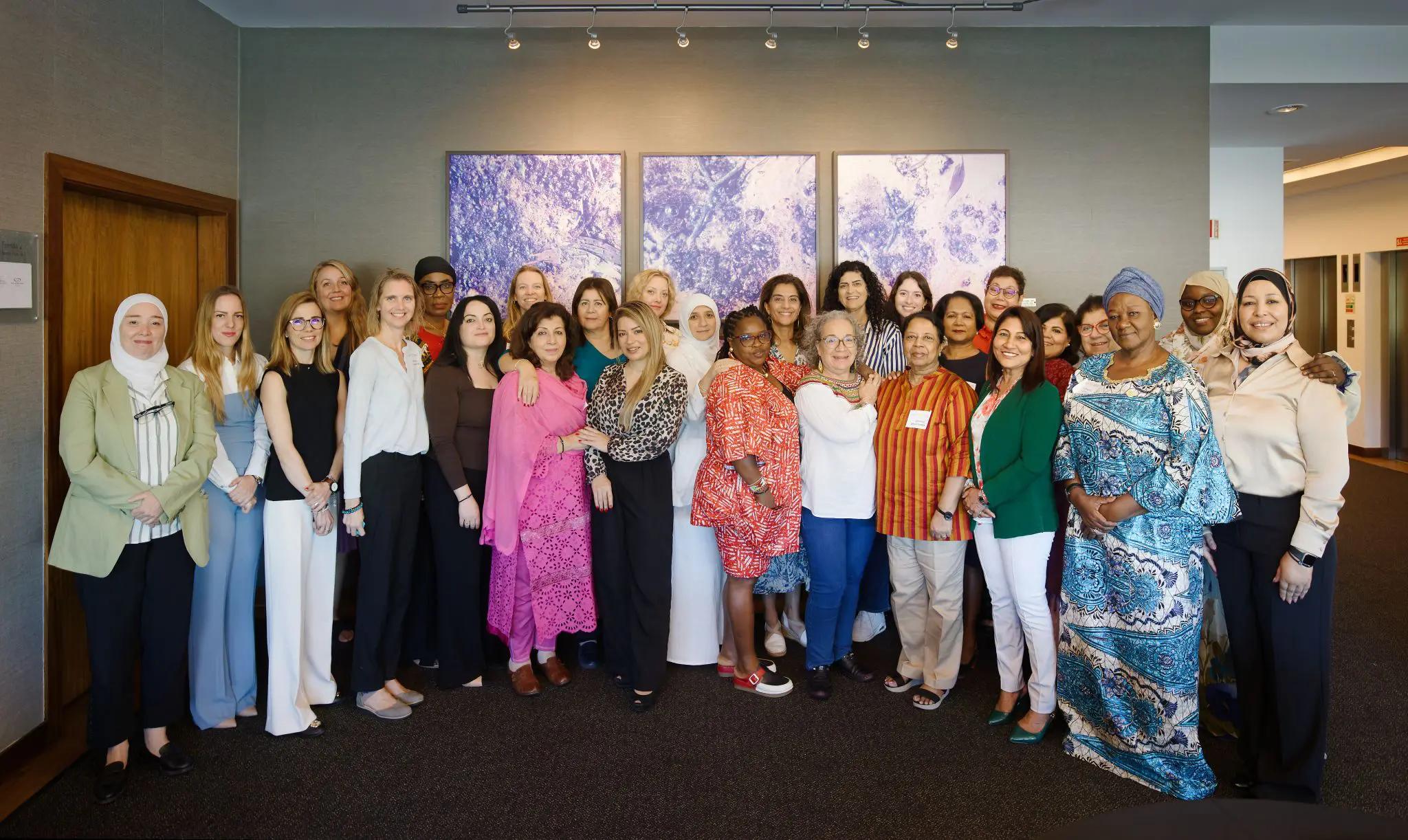
ICAN convened 20 members of WASL in Lisbon for the “Our Strategies, Our Peace” Writers’ Workshop. This unique gathering provided a secure and creative space for women peacebuilders to share their strategies, experience, expertise, and stories from conflict and crisis contexts.
Addu Women's AssociationAllamin FoundationAWAWCAGEADCIASECOECICAN FeaturedMobaderoonPAIMANRescue MeWCDCAWi'amWomen's Alliance for Security LeadershipWPSO
On October 6, 2025, the U.N. Security Council holds its annual open debate on Resolution 1325 on Women, Peace, and Security. Today, we are not issuing a new statement. Instead, we are honoring our community of women peacebuilders—who appeared before the Security Council throughout these 25 years, speaking for the millions they represent—by echoing their messages.
ICAN FeaturedICAN LatestICAN UpdatesWASL UpdatesWomen's Alliance for Security Leadership
In South Sudan, a nation where peace has long remained fragile and democratic progress uncertain, women are stepping forward to shape the future of their country. Long excluded from the corridors of power, they are forging their own movement for lasting change.
On behalf of the International Civil Society Action Network (ICAN) and members of the global Women’s Alliance for Security Leadership (WASL), we are honored to nominate Francesca Albanese, United Nations Special Rapporteur on the situation of human rights in the Palestinian territories occupied since 1967, for the 2026 Nobel Peace Prize.
در عرصه صحت روانی، افغانستان با بحران پیچیدهای مواجه است که این بحران به طور جدایی ناپذیر با ناامنی شدید فیزیکی، سیاسی و اقتصادی در کشور گره خورده و این نا امنی ها بحران را تشدید میکند. برای رسیدگی به آسیب های روانی، صحت و بهداشت جامعه به شیوه های پاسخگو به جنسیت و با مد نظر گرفتن حساسیت های فرهنگی، سازمانهای فعال در عرصه صلح سازی به رهبری زنان افغان در موقعیتی منحصربه فرد قرار دارند. این سازمان ها خدمات ابتدایی ارائه میدهند، مهارتها را توسعه میبخشند و در شکلدهی هنجارهای فرهنگی و جنسیتی نقش مؤثر ایفا میکنند.
ICAN FeaturedICAN LatestICAN UpdatesWASL UpdatesWomen's Alliance for Security LeadershipWPSO
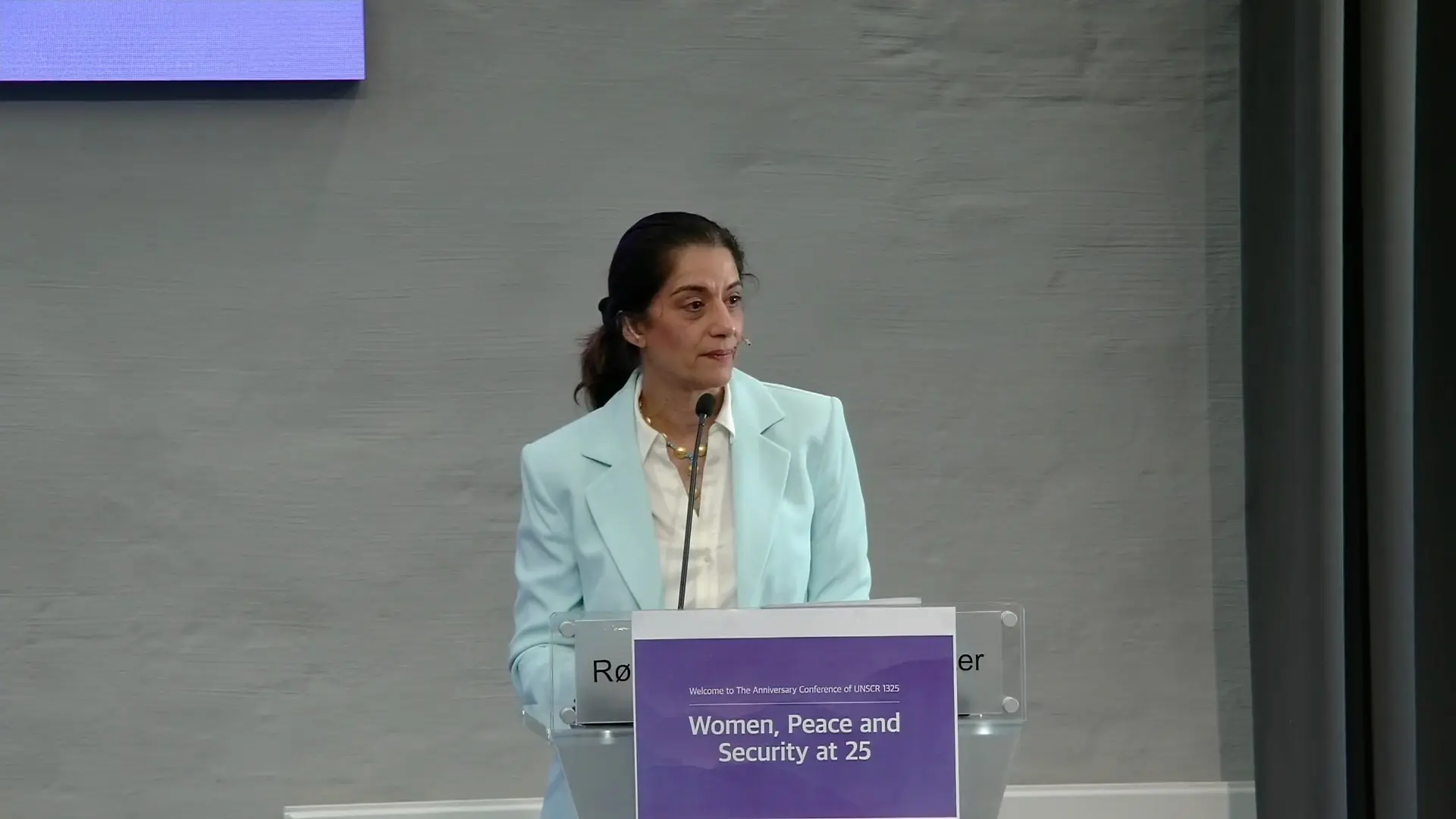
On May 5, 2025, ICAN's Sanam Naraghi Anderlini delivered the keynote speech at the two-day international conference "25th Anniversary Conference of UNSCR 1325 Women, Peace and Security."
As Senator Mobina Jaffer concludes 23 years of distinguished public service in the Canadian Senate, we extend our deepest thanks for her steadfast leadership as Chair of ICAN’s Board of Directors from 2014 to 2024.
Trust between communities and the security sector is critical for effective governance and peace. So is a vibrant civil society. When women peacebuilders are recognized and engaged as independent, strategic partners and security actors—in their own right—the results are transformative. Twenty-five years on from the launch of the WPS agenda, women peacebuilders’ creativity and contributions to societal peace and security are not only timely, they are even more essential.
Allamin FoundationAWAPSAAWAWBetter Peace InitiativeCIASECoACTGEN MyanmarGender and ExtremismsICAN FeaturedICAN LatestICAN UpdatesPAIMANPCIDWASL UpdatesWomen's Alliance for Security Leadership
Afghanistan is facing a complex mental health crisis inextricably linked with and compounding the dire state of physical, political, and economic insecurity in the country. Afghan women-led peacebuilding organizations are uniquely positioned to address community members’ health and wellness in gender-responsive, culturally- sensitive, and trauma-informed ways.
ICAN FeaturedICAN LatestICAN UpdatesWASL UpdatesWomen's Alliance for Security LeadershipWPSO
At ICAN, we stand in solidarity and compassion with everyone at USAID, as well as international and national charitable organizations affected by the U.S. administration’s decisions to freeze overseas aid.