In South Sudan, a nation where peace has long remained fragile and democratic progress uncertain, women are stepping forward to shape the future of their country. Long excluded from the corridors of power, they are forging their own movement for lasting change.
During a period of ongoing instability and political uncertainty, the National Transformational Leadership Institute (NTLI), is enabling women to assert their role in decision-making in preparation for South Sudan’s 2026 elections. Supported by ICAN’s Innovative Peace Fund (IPF), NTLI is demonstrating why investing in women-led peacebuilding is strategically essential. By asserting their influence, strengthening their networks, and stepping into leadership roles, South Sudanese women are transforming communities, and their country.
A Fragile and Evolving Transition
South Sudan’s transition remains fragile. Since gaining independence through a referendum in 2011, the country has experienced repeated cycles of violence, stalled peace processes, and delayed elections. The 2018 Revitalized Agreement on the Resolution of the Conflict in the Republic of South Sudan (R-ARCSS) resulted in the formation of a unity government in 2020. However, implementation has been slow, with elections now postponed to 2026. Political rivalries have escalated into armed conflict, undermining stability and limiting opportunities for genuine dialogue.
Women and girls are particularly affected in this volatile context. Deep-rooted patriarchal norms, gender-based violence, early marriage, and exclusion from leadership persist—fueled by economic hardship and social inequality. The 2018 agreement promised a 35% quota for women’s participation in governance, yet meaningful inclusion remains limited. As NTLI’s Monitoring & Evaluation Officer, Richard Musoke, noted, “most peace agreements are signed, but the political will to implement them is missing.”
Security challenges remain acute, with armed conflict, cattle raiding, and attacks on humanitarian workers disrupting daily life, especially in rural areas. A growing refugee and internally displaced persons (IDP) population, combined with climate shocks like flooding, is placing even more strain on communities and services.
Despite these obstacles, NTLI sees the present transitional period as an opportunity—not just to include women, but to reshape leadership in South Sudan altogether. By equipping women to participate meaningfully, the organization is laying the groundwork for a more inclusive and peaceful future.
Advocating for Women’s Political Participation
Launched in November 2023, NTLI’s ICAN-funded initiative seeks to strengthen women’s engagement in South Sudan’s political processes. The project combines advocacy efforts within government institutions with grassroots mobilization to address structural, legal, and cultural barriers to participation.
The initiative began with a consultative meeting that brought together 30 key electoral stakeholders, including government officials, legal experts, and representatives from the Ministry of Gender, Child, and Social Welfare (MGCSW). The meeting coincided with the release of the Elections and Political Parties Acts, a significant piece of legislation with implications for South Sudan’s electoral process, including a proposed increase in the number of Members of Parliament and the introduction of mixed representation mechanisms. The timing of NTLI’s meeting offered a timely opportunity to examine gaps in women’s legal access to political engagement, party registration costs, and the need for more inclusive language in existing frameworks. NTLI shared community input with the electoral stakeholders to strengthen its advocacy for more inclusive policies and the inclusive dissemination of electoral laws to women.
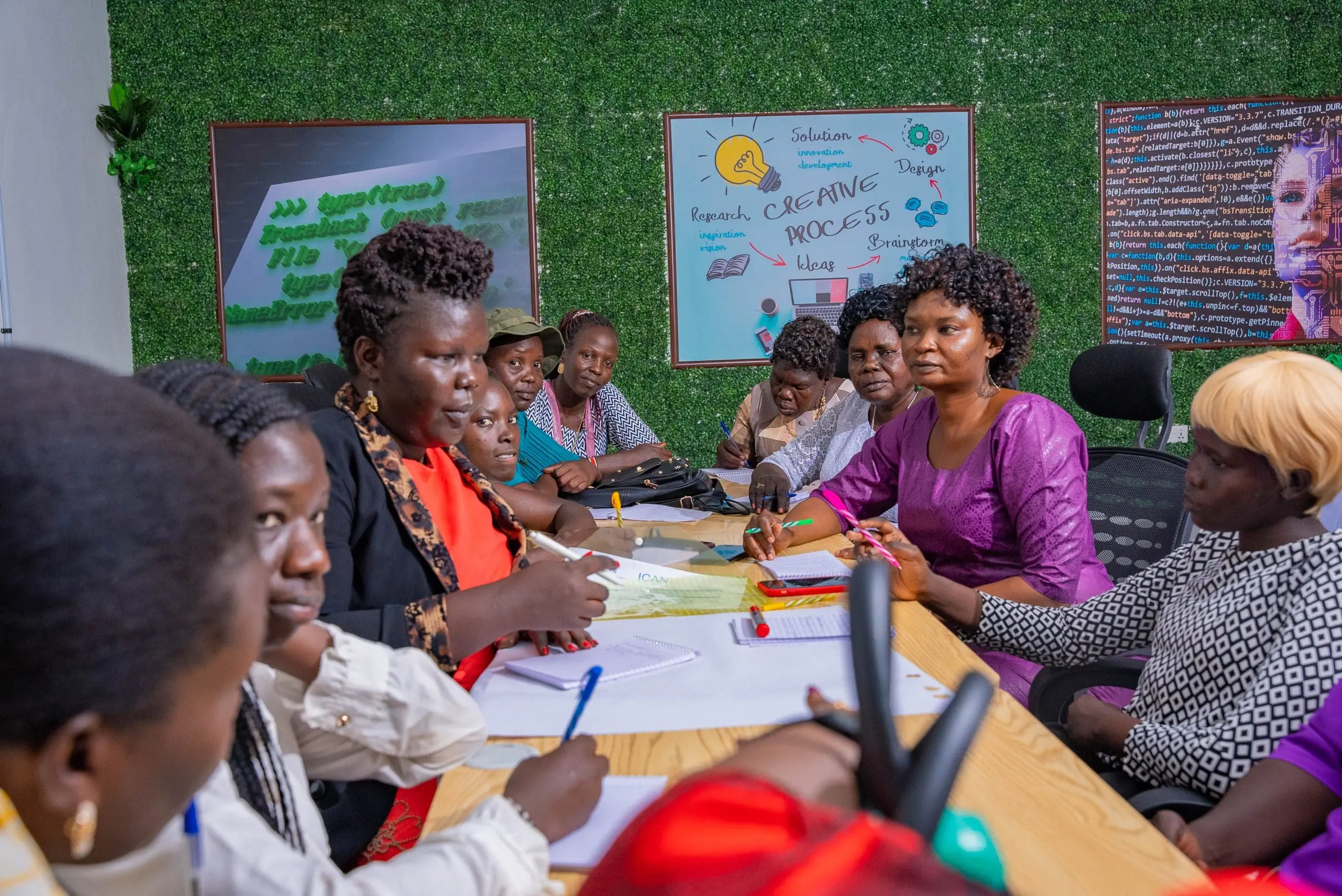
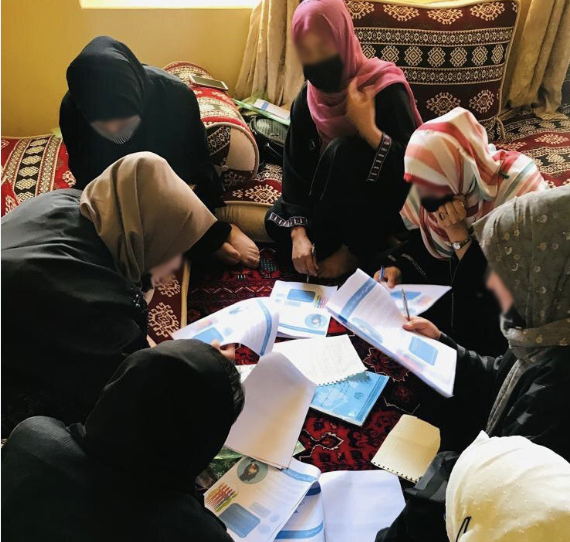
A follow-up advocacy workshop convened 60 women from political parties, civil society, academia, and media. The workshop created space for peer learning and inter-generational mentorship, recognizing the generational divide between established and emerging leaders. Established leaders shared details of the parties available and the process of joining a political party, which led most participants, despite not yet being affiliated to political parties, to express interest in running for office and take initial steps toward political engagement.
“[Before the workshop] the older women were willing to support young women, but they didn’t know how. The younger women felt detached from those women in government.” – Richard Mursoke, Monitoring and Evaluation Officer.
To translate the insights and commitments emerging from the workshop into sustained action, NTLI produced advocacy materials, including a book on women’s experiences in the 2010 elections and a pamphlet on electoral preparedness. The resources, informed by participatory research from across the country, aim to both document women’s political history and provide practical guidance.
In May 2024,a six-day Training of Trainers program further deepened the initiative’s reach. Twenty women leaders built their knowledge on electoral law, and strengthened their skills in campaign strategies, public speaking, media engagement, and community outreach. They were equipped with resources to conduct awareness sessions and radio engagements in their respective counties on the electoral process and women’s participation in elections.
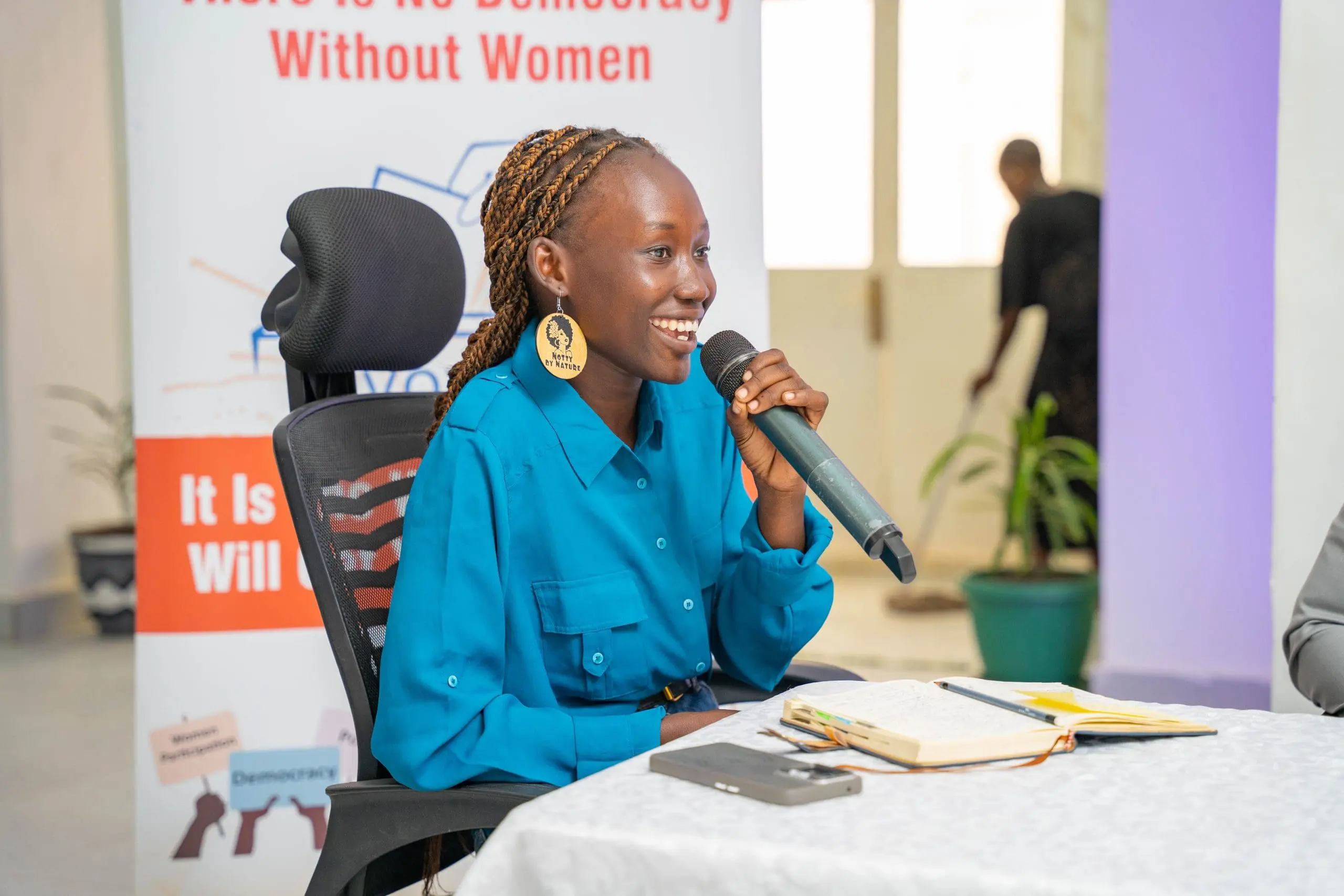
The project had a significant impact, expanding community outreach and strengthening the political skills of young women leaders at a grassroots level. One participant, Christine—a university student from a conflict-affected region—underwent a powerful transformation. Initially shy and hesitant to speak, she was inspired by the intergenerational dialogue and has since launched a podcast that features stories of young women across South Sudan, creating a space for their voices to be heard.
Christine is one example of the project’s broader ripple effect. As Richard Mursoke noted, “We have had young women ask us, ‘I’m 20 — can I really stand for office?’ That shift in mindset alone is a powerful start.”
Radio played a key role in NTLI’s outreach strategy. Two talk shows aired on Eye Radio and Ebony Broadcasting Channel, reaching audiences nationwide with accessible discussions on women’s political participation, electoral rights, and male allyship. These broadcasts simplified complex processes and encouraged inclusive civic dialogue.
“The impact was tangible…Some callers said, ‘My daughter should come and join your program so she can speak like you.’ That is when we knew that minds were beginning to change.” – Richard Mursoke, Monitoring and Evaluation Officer
Project Impact: From Dialogue to Mobilization
Although South Sudan’s elections have been postponed to 2026, NTLI’s work is already producing measurable outcomes. Through consultations, training, and media engagement, the project has helped shift public perceptions, build the confidence of South Sudanese women, and lay the groundwork for their increased political involvement.
“We woke women up by asking triggering questions- ‘Are you part of a political party?’ – that challenged them to reflect on their role in shaping the future.” –– Igale Consolata, Communications Officer
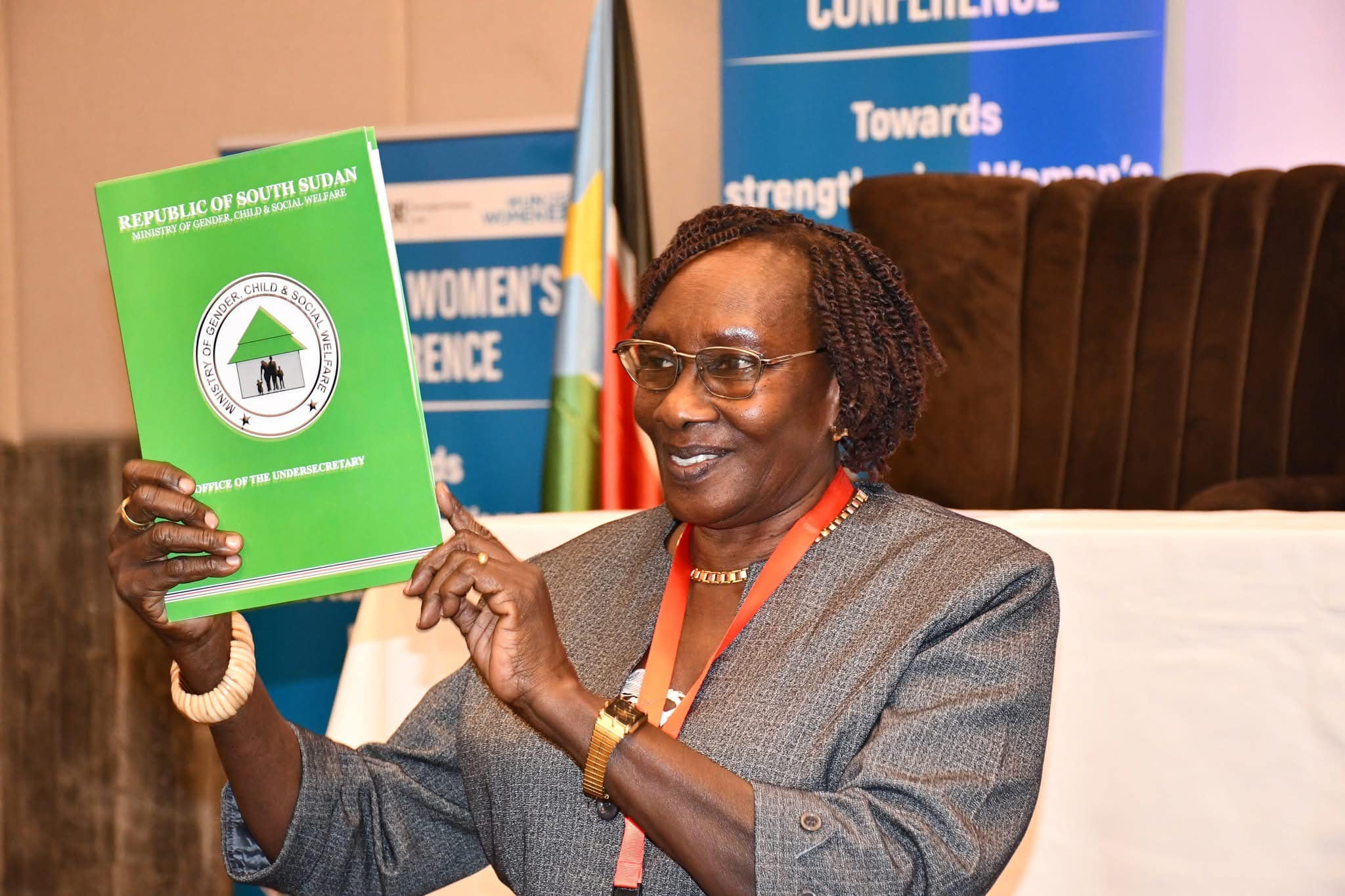
To assess the initiative’s reach, NTLI conducted a nationwide study with over 700 participants. Despite facing structural and cultural barriers, many women expressed a strong desire to lead—driven by the goal of contributing to peace and development in their communities. Findings highlighted strong interest in leadership despite ongoing barriers such as limited resources and cultural expectations. Many participants were motivated by a desire to serve their communities and contribute to national development. Building on these insights, NTLI developed actionable recommendations to enhance women’s participation in the upcoming elections and renewed collaboration with the MGCSW, culminating in the revitalization of the National Women’s Conference (NWC) in February 2025. Dormant since 2009, the NWC returned as a national platform for dialogue and collective action.
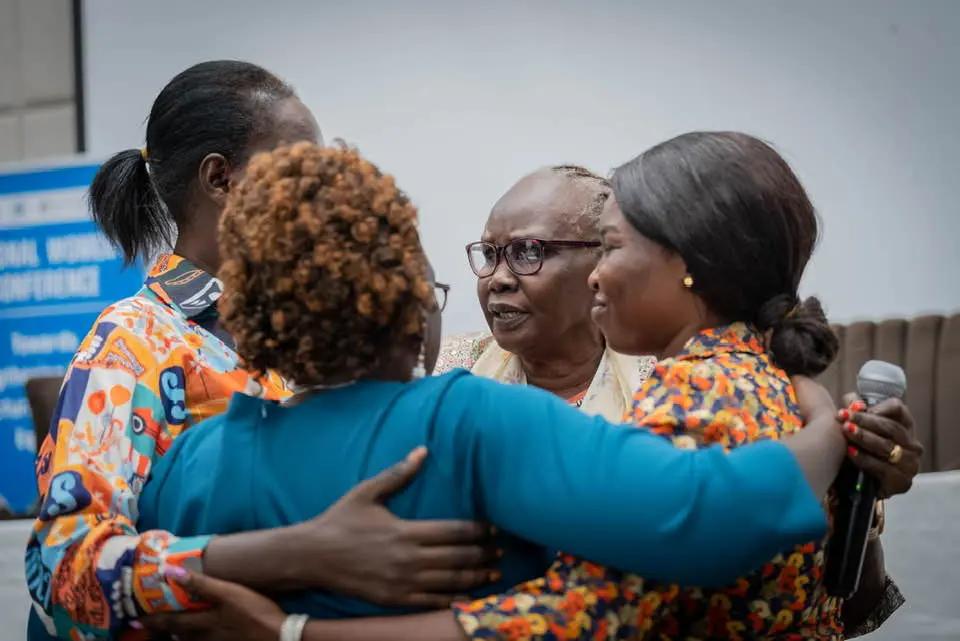
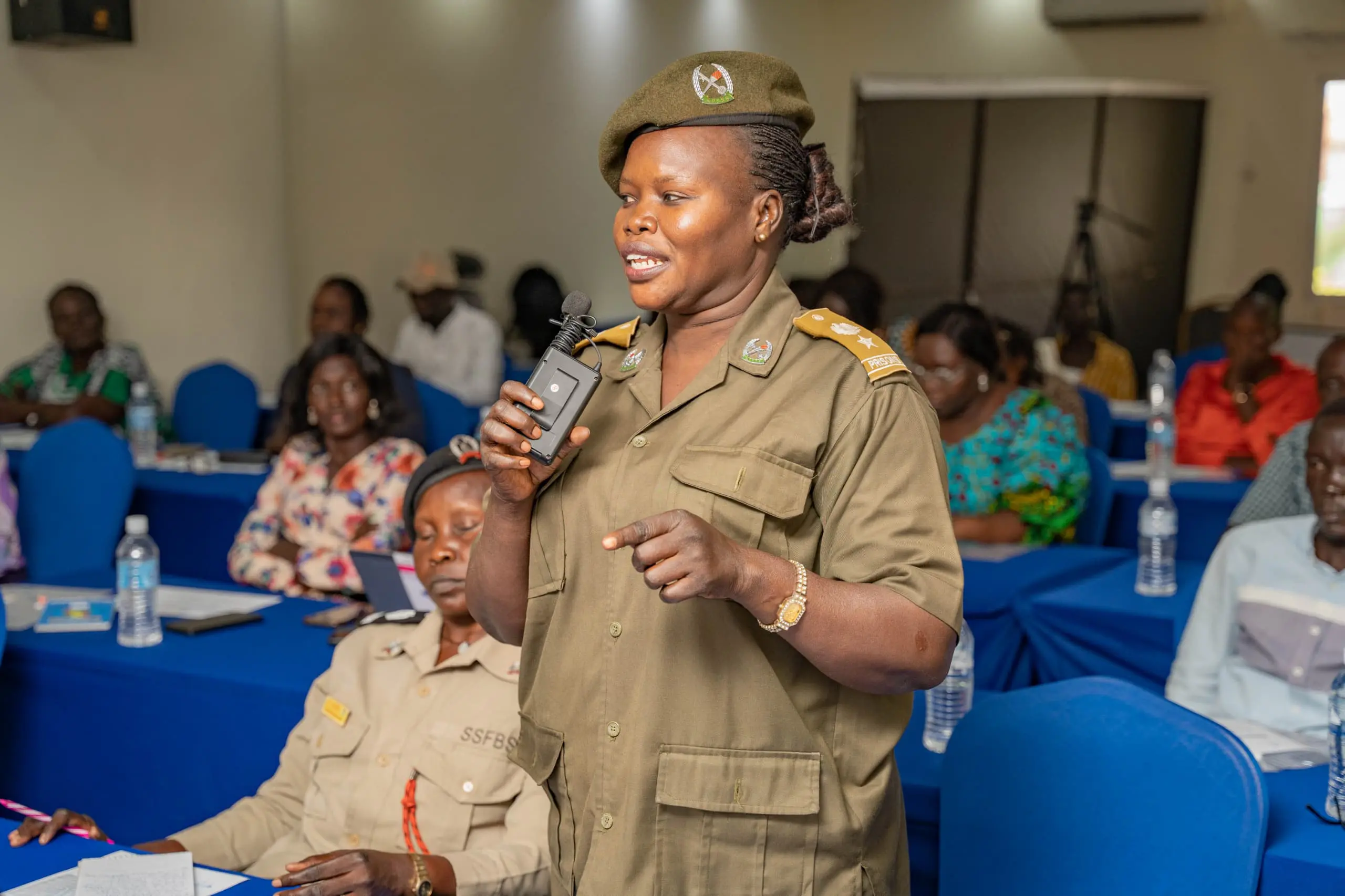
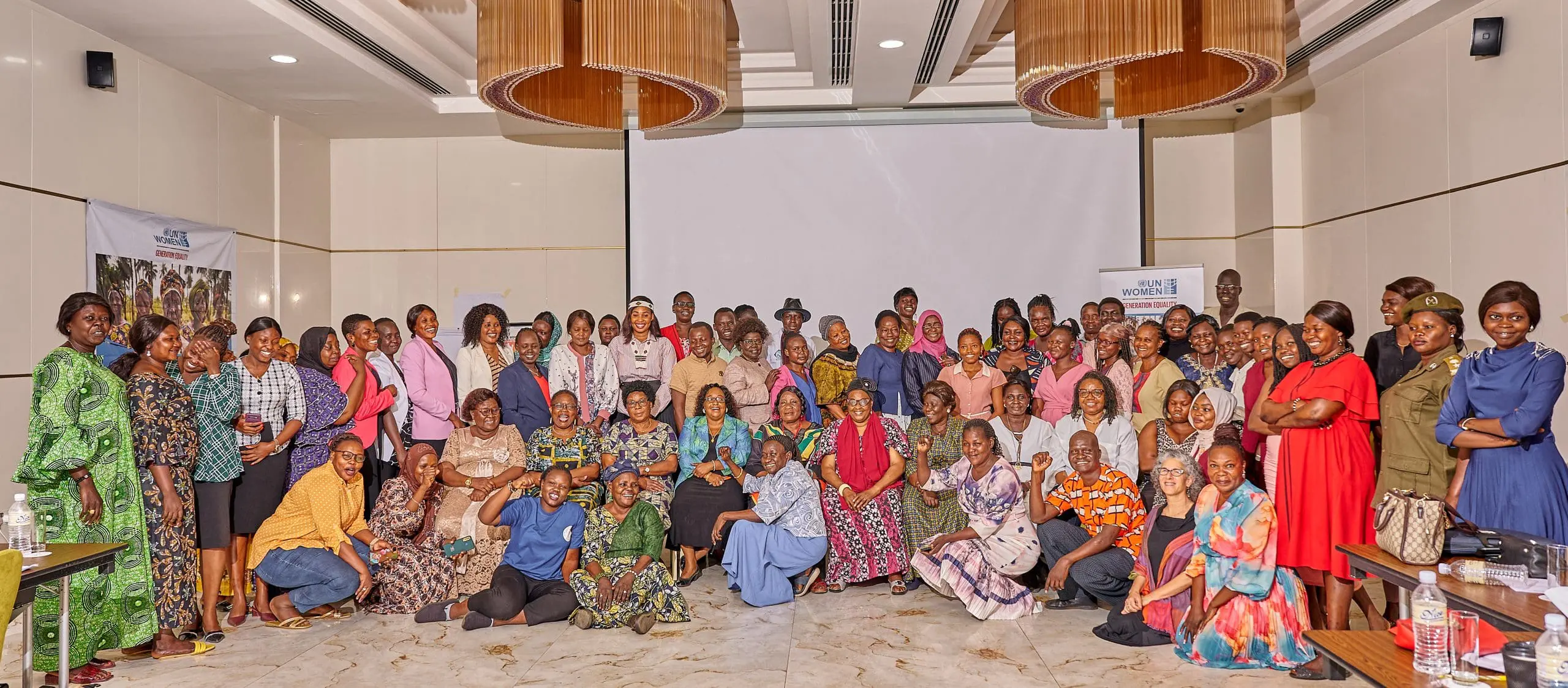
Over 400 women representing South Sudan’s 10 states and multiple sectors—civil society, academia, politics, and the armed forces—came together at the NWC to identify challenges and define a joint advocacy agenda. Conference topics included exclusion from leadership, cultural stigma (particularly toward unmarried or divorced women), and lack of reforms within political parties and military institutions. Mentorship and male allyship emerged as key priorities to respond to these barriers to full and meaningful participation.
The conference also served as a platform for electing new leadership within the South Sudan Women’s Union and reaffirmed the role of the NWC as a unifying voice in national policy.
“For the first time, I saw what they call a ‘woman’s tribe’ – a powerful, unified voice for change,” –– Richard Mursoke, Monitoring and Evaluation Officer
The Role of ICAN’s Innovative Peace Fund (IPF)
NTLI’s ability to adapt—from navigating publishing delays to pivoting in response to the election postponement—was supported by the flexible design of ICAN’s Innovative Peace Fund. The IPF enabled the rapid reallocation of resources to respond to NTLI’s evolving needs.
The IPF is the first and only independent, multi-donor, global grantmaking mechanism wholly dedicated to providing financial support and technical assistance to women-led peacebuilding organizations in countries affected by violent conflict, extremism, and militarism. Yet it’s more than just a financial mechanism. The IPF provides NTLI with the trust and autonomy to respond to shifting needs—turning challenges into opportunities for deeper engagement and greater impact.
Looking Ahead
As South Sudan prepares for the 2026 elections, NTLI is expanding its efforts to ensure women are informed, prepared, and empowered to lead. The organization will distribute its advocacy materials nationwide and extend training programs to all regions, helping decentralize women’s political participation.
With growing support from both women and male allies, NTLI is also strengthening mentorship networks and advancing inclusive leadership strategies. Continued investment in research and policy engagement will help shape national conversations on representation and reform.
NTLI’s vision is clear: a future where women are not just participating in politics—but leading it.
“This time around, no one is telling our story—we are the ones telling it.” –– Igale Monoja, Communications Officer