Countering Extremism in Iraq: A New Horizon for Peace
Iraqi Al-Firdaws Society (Al-Firdaws) is taking a new approach to peacebuilding. Their project, Horizon: Promoting Community Peace, supported by ICAN’s Innovative Peace Fund (IPF), brings together youth, local security forces, and civil society actors to address violent extremism through dialogue, education, and community-based action.
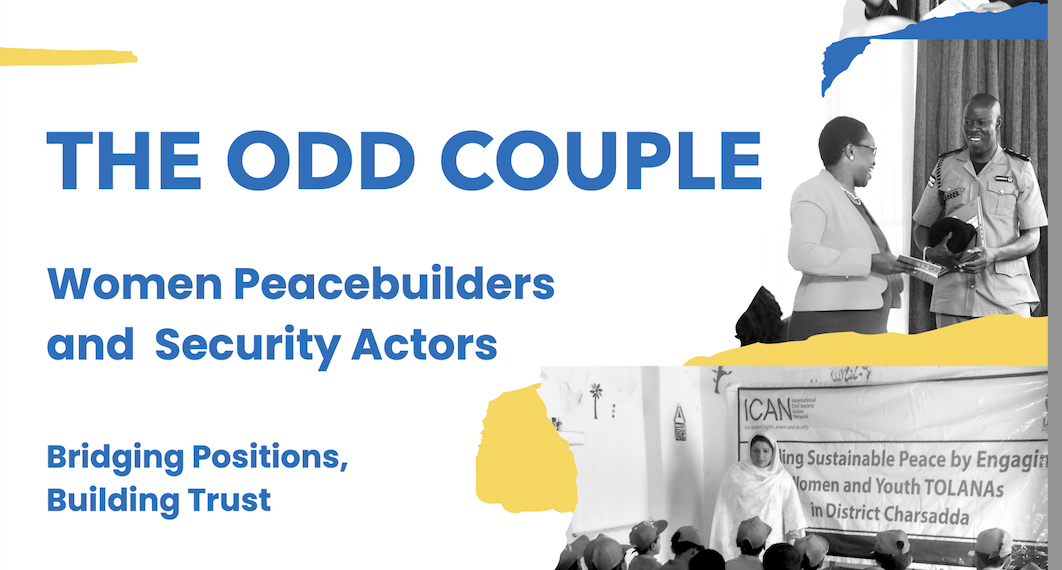
The Odd Couple: Women Peacebuilders and Security Actors Bridging Positions, Building Trust
The WPS agenda has proven a vital entry point for women peacebuilders to engage with the security sector and build trust within affected communities. These efforts—often invisible—are contributing to the reform of the sector, reshaping local security environments and mitigating violence.
The War Against Ourselves: Afghan Women Peacebuilders’ Response to the Mental Health Crisis in Afghanistan
This case study describes the drivers of the mental health crisis in Afghanistan, its gendered and cultural dimensions, and the strategies used by Afghan women-led peacebuilding organizations to provide solutions. The authors conducted interviews with representatives of Afghan women-led peacebuilding organizations and thematic experts, which were complemented by a desk review of project documentation and […]
Open Statement to the United Nations Security Council on behalf of Women Peacebuilders Marking 25 Years of the Women, Peace, and Security Agenda
On October 6, 2025, the U.N. Security Council holds its annual open debate on Resolution 1325 on Women, Peace, and Security. Today, we are not issuing a new statement. Instead, we are honoring our community of women peacebuilders—who appeared before the Security Council throughout these 25 years, speaking for the millions they represent—by echoing their messages.
Home»ICAN Featured»
Countering Extremism in Iraq: A New Horizon for Peace
Countering Extremism in Iraq: A New Horizon for Peace
12 February 2026
The southern Iraqi city of Basra, long affected by the legacies of war and systemic underinvestment, faces growing threats posed by hate speech, radicalization, and fraying trust between citizens and institutions. Young people—especially young women—are often caught in the crosshairs of these tensions, navigating a world where online harassment and real-world insecurity are deeply intertwined.
In this environment, the Iraqi Al-Firdaws Society (Al-Firdaws) is taking a new approach to peacebuilding. Their project, Horizon: Promoting Community Peace, supported by ICAN’s Innovative Peace Fund (IPF) and the UK’s Foreign, Commonwealth and Development Office, brings together youth, local security forces, and civil society actors to address violent extremism through dialogue, education, and community-based action.
Localized Peacebuilding in a National Context
In Basra, tensions between communities and security forces remain high, with youth from marginalized areas feeling disconnected and disempowered in matters of community peace and security. Approaches to addressing hate speech and violent extremism have frequently strained relations between police and communities, deepening mistrust. At the same time, women and girls face growing online threats, rising cyber harassment, and gender-based violence—all of which make them particularly vulnerable to extremist influence and societal exclusion.
While Iraq has adopted a National Strategy for Countering Violent Extremism and a National Action Plan for the implementation of UN Security Council Resolution 1325 on Women, Peace, and Security (WPS), these policies have often struggled to gain traction locally.
Recognizing the growing risks of online violence and extremism, Al-Firdaws sought to fill the gap between national policy and local action by rooting national frameworks in grassroots realities—starting with community policing and youth engagement.
A New Model of Community Engagement
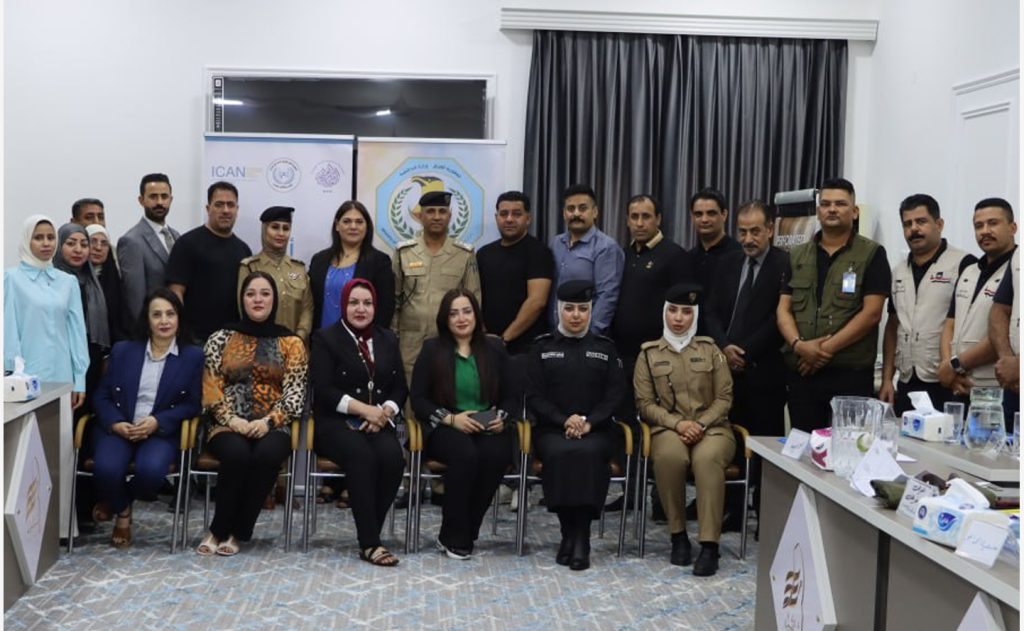
The Horizon project started in May 2024 by working with government and security actors, to improve the relationship between the local community and security forces as an important part of advancing sustainable peace and inclusive security. Al-Firdaws trained 20 officers from the community police, family protection units, and women’s affairs departments on Iraq’s national counter-extremism strategies, the UNSCR 1325 National Action Plan, and a new Combating Hate Speech Guide, developed by Al-Firdaws with support from ICAN. The training emphasized participatory dialogue and mutual understanding, aiming to reframe the role of security forces as community protectors and collaborators, not enforcers.
The process was not without challenges. Early discussions on hate speech, gender, and extremism met resistance from some officers, reflecting broader discomfort with addressing issues of gender openly. Al-Firdaws responded by carefully sequencing the training—beginning with conflict sensitivity and countering hate speech before introducing WPS principles. This gradual approach helped create space for dialogue and allowed sensitive gender issues to be addressed more openly over time.
Following the training, the officers worked with Al-Firdaws to co-develop Basra’s first Local Action Plan to counter hate speech and violent extremism. Endorsed by the municipality, this plan marked a rare achievement: a grassroots strategy institutionalized through formal local government approval.
To understand how well these strategies were being understood, Al-Firdaws trained a group of surveyors to reach out to 215 local police officers and community members. The data collected provided insights into police officers’ understanding of UNSCR 1325 and hate speech and helped identify gaps where further training and knowledge exchange were needed.
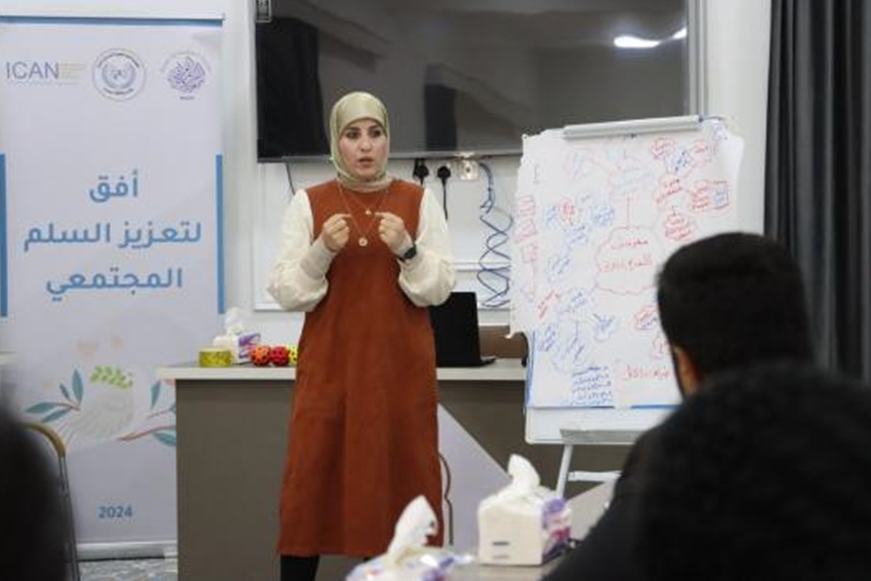
In early 2025, the project’s attention shifted to Basra’s youth. Al-Firdaws trained 25 young people—both active and new to civil society—in the causes and impact of extremism, nonviolent communication, community safety, and conflict resolution. From this group, three local committees were formed and tasked with implementing public initiatives addressing specific community challenges, bridging gaps between the police and civilians.
“Trust from people comes when you work inside the community. When you work within the community, you’ll find that the community places great trust in you.” – Fatima Al-Behadly, Founder, Al-Firdaws
From Dialogue to Action: Three Youth-Led Initiatives
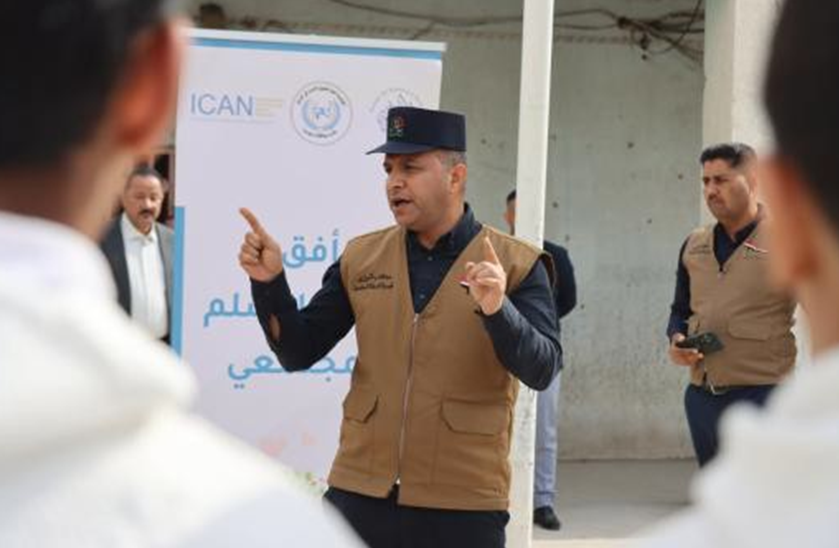
The first initiative, based at Al-Batool School in Al-Hussein, targeted adolescent girls—many of whom were experiencing or witnessing cyber extortion. In partnership with the community police, a presentation raised awareness of digital threats and available hotline support. One student shared her personal experience of cyber and emotional extortion, sparking a powerful group discussion and helping others recognize forms of emotional and psychological abuse. The initiative concluded with a Ramadan visit to a local elderly care home. The visit also created an opportunity for police and youth to engage with the wider community in a way that centered empathy, shared humanity, and collective care, whilst also demonstrating a more relational and trust-based approach to community safety.
The second initiative was hosted at Al-Zahraa Intermediate School for Girls, where a recent student’s suicide had deeply shaken the community. Bringing together 50 parents, police officers, and educators, the dialogue session focused on the role of family communication in preventing extremist ideologies and supporting adolescent mental health. Participants discussed emotional support strategies, learned how to foster safe home environments, and explored ways to counter psychological pressures on girls. Many parents admitted it was the first time they had reflected on the impact of open dialogue with their daughters.
“When there were specific cases of violence against women and girls that reached our organization, we worked directly on them. We provided awareness sessions for girls in villages, gathering them in sports clubs and forums, telling them that no matter how difficult life is, it shouldn’t lead to suicide.” – Fatima Al-Behadly, Founder, Al-Firdaws
The third initiative, at Ibn Sina School in the Manawi Basha district, focused on reducing bullying through constructive communication. Students learned about different forms of bullying—including cyberbullying—and engaged in skill-building workshops to support victims, resolve conflicts peacefully, and build inclusive peer relationships. Teachers and school counsellors were also trained to recognize and intervene in bullying cases, ensuring long-term follow-up and support.
Each of these initiatives was locally tailored and participatory—designed and led by youth, supported by trained security officers, and grounded in community partnerships. The initiatives directly engaged over 300 individuals, from students and parents to educators, police, and community leaders, addressing the very challenges the project was designed to tackle: rising hate speech, radicalization, and the lack of trust between communities and institutions.
Following these initiatives, Al-Firdaws convened a closing conference that brought together youth committee members, community leaders, Basra police, municipal representatives, and civil society actors. The group reflected on progress, shared lessons, and identified gaps that remain in addressing violent extremism at the community level.
Institutional Change Rooted in Community Trust
As a result of Al-Firdaws’s Horizon project, the Basra Local Action Plan to counter violent extremism and hate speech received formal approval from the Basra Municipality. The endorsement by the municipality not only institutionalizes the work of Al-Firdaws and the local committees but also sets a precedent for localized peacebuilding to shape public policy. It reflects a growing trust in civil society as a critical partner in addressing extremism—particularly in regions historically excluded from formal decision-making.
Beyond its symbolic value, the Local Action Plan offers a practical framework for implementation. By breaking down UNSCR 1325 into specific, community-level actions, it connects national commitments to everyday realities. The plan outlines who is responsible for what—from government authorities and police to civil society organizations, schools, and families—creating a shared roadmap for collaboration and accountability. In doing so, it positions peacebuilding as a collective responsibility, rather than a security-only mandate.
The project also shifted perceptions of the police. Officers who once operated in isolation now collaborate openly with youth and educators. Families who feared security forces now see them as allies in protecting their children.
“We were able to break the barrier of fear among people and build bridges of trust between communities that had been isolated.” – Fatima Al-Behadly, Founder, Al-Firdaws
The shift was visible over the duration of the project. While initial sessions required significant effort to bring participants together, knowledge exchange became easier as trust grew. Police-to-police learning emerged as a particularly effective entry point, helping normalize new approaches and easing collaboration with civil society partners. What began as cautious engagement evolved into genuine partnership—marking a change not only in practice, but in mindset.
Enabling Success through Flexible Support
ICAN’s Innovative Peace Fund played a pivotal role in Horizon’s success. The IPF’s flexible structure allowed Al-Firdaws to adapt its activities in real time—developing new training content, adjusting outreach strategies, and responding to community needs as they emerged. ICAN’s partnership with Al-Firdaws also included technical support in monitoring and evaluation, strategic planning, and storytelling, helping Al-Firdaws strengthen its institutional capacity while delivering tangible impact to its community.
“We were the first local organization at the Iraq level in 2014 to work on peacebuilding. The peacebuilding book I got from ICAN, I used it extensively. In addition to the videos that ICAN launched on Resolution 1325, they helped us greatly to reach many police officers and people.” – Fatima Al-Behadly, Founder, Al-Firdaws
A Model for the Future
Al-Firdaws is already planning the next phase of the Horizon project. The organization aims to expand youth committee activities to new neighborhoods and schools, integrate peace education into formal curricula, and institutionalize support for victims of cyber extortion and school-based bullying through dedicated counsellors and support staff. It also plans to replicate the project in other governorates across southern Iraq—scaling its impact while maintaining its community-centered ethos.
In a country where policies often fail to reach the people they are meant to serve, Al-Firdaws’s Horizon project demonstrates the power of local ownership, inclusive leadership, and flexible funding. By turning dialogue into action and trust into institutional change, Al-Firdaws is helping build a more peaceful and resilient Iraq—one neighborhood at a time.
Women peacebuilders often operate in some of the world’s most dangerous contexts—yet the security support available to them is frequently fragmented, repetitive, and short-term. Recognizing the need for a fundamentally different approach, ICAN conducted a holistic security assessment of its Afghan partners, including members of the Women’s Alliance for Security Leadership (WASL). The result is the Holistic Security Menu: a co-designed, partner-driven model that provides practical and sustainable security support—on women peacebuilders’ […]
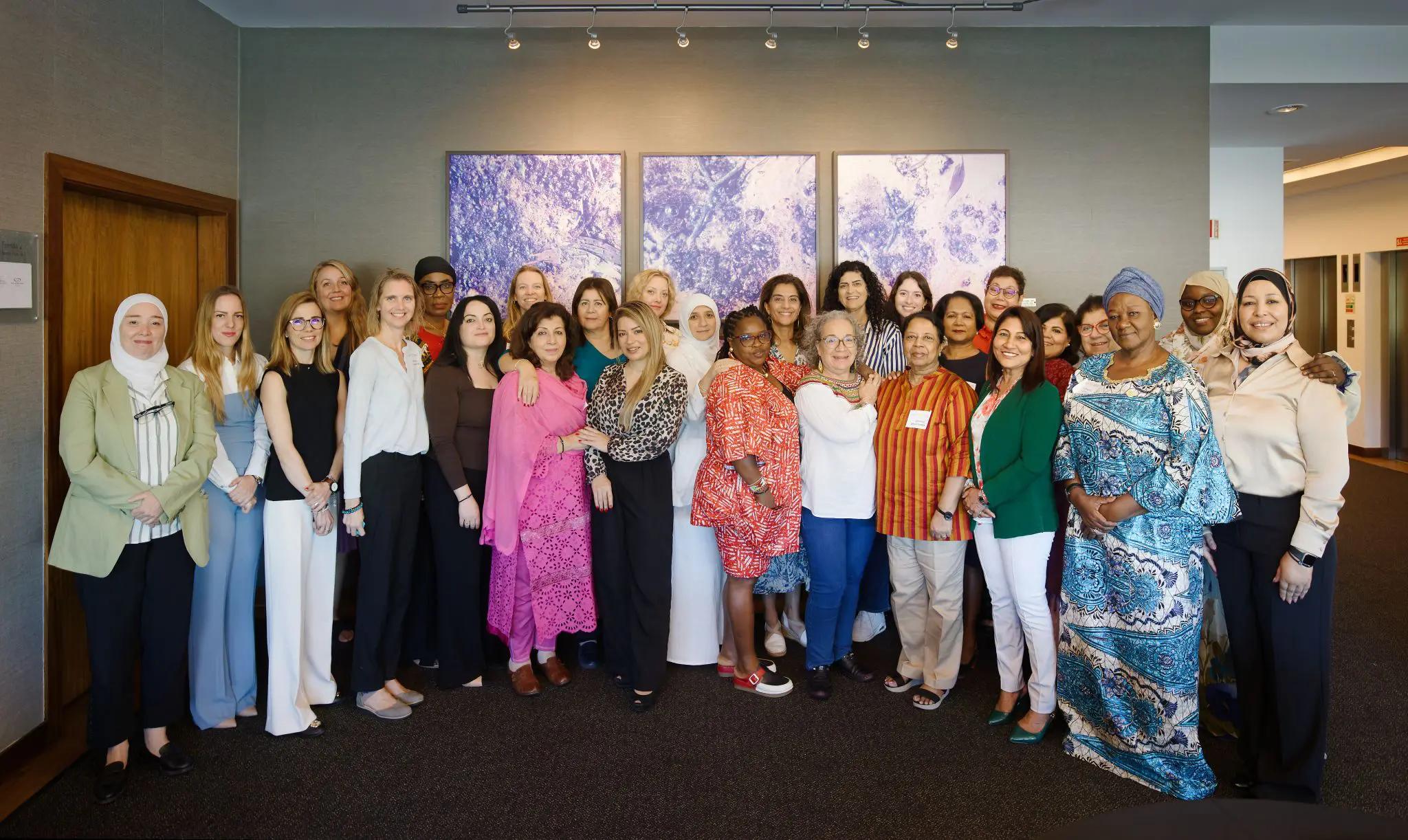
ICAN convened 20 members of WASL in Lisbon for the “Our Strategies, Our Peace” Writers’ Workshop. This unique gathering provided a secure and creative space for women peacebuilders to share their strategies, experience, expertise, and stories from conflict and crisis contexts.
Addu Women's AssociationAllamin FoundationAWAWCAGEADCIASECOECICAN FeaturedMobaderoonPAIMANRescue MeWCDCAWi'amWomen's Alliance for Security LeadershipWPSO
On October 6, 2025, the U.N. Security Council holds its annual open debate on Resolution 1325 on Women, Peace, and Security. Today, we are not issuing a new statement. Instead, we are honoring our community of women peacebuilders—who appeared before the Security Council throughout these 25 years, speaking for the millions they represent—by echoing their messages.
ICAN FeaturedICAN LatestICAN UpdatesWASL UpdatesWomen's Alliance for Security Leadership
In South Sudan, a nation where peace has long remained fragile and democratic progress uncertain, women are stepping forward to shape the future of their country. Long excluded from the corridors of power, they are forging their own movement for lasting change.
On behalf of the International Civil Society Action Network (ICAN) and members of the global Women’s Alliance for Security Leadership (WASL), we are honored to nominate Francesca Albanese, United Nations Special Rapporteur on the situation of human rights in the Palestinian territories occupied since 1967, for the 2026 Nobel Peace Prize.
در عرصه صحت روانی، افغانستان با بحران پیچیدهای مواجه است که این بحران به طور جدایی ناپذیر با ناامنی شدید فیزیکی، سیاسی و اقتصادی در کشور گره خورده و این نا امنی ها بحران را تشدید میکند. برای رسیدگی به آسیب های روانی، صحت و بهداشت جامعه به شیوه های پاسخگو به جنسیت و با مد نظر گرفتن حساسیت های فرهنگی، سازمانهای فعال در عرصه صلح سازی به رهبری زنان افغان در موقعیتی منحصربه فرد قرار دارند. این سازمان ها خدمات ابتدایی ارائه میدهند، مهارتها را توسعه میبخشند و در شکلدهی هنجارهای فرهنگی و جنسیتی نقش مؤثر ایفا میکنند.
ICAN FeaturedICAN LatestICAN UpdatesWASL UpdatesWomen's Alliance for Security LeadershipWPSO
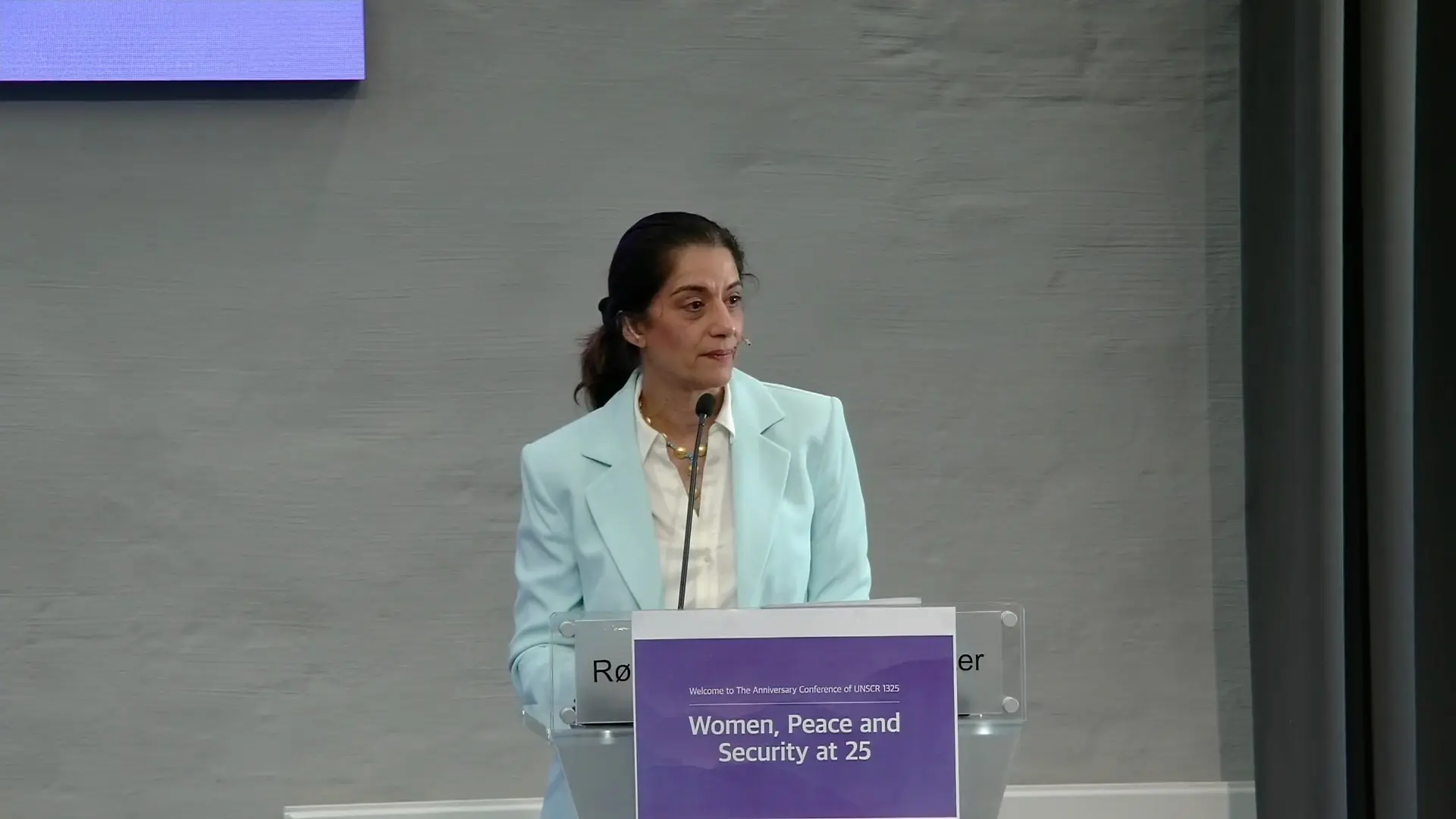
On May 5, 2025, ICAN's Sanam Naraghi Anderlini delivered the keynote speech at the two-day international conference "25th Anniversary Conference of UNSCR 1325 Women, Peace and Security."
As Senator Mobina Jaffer concludes 23 years of distinguished public service in the Canadian Senate, we extend our deepest thanks for her steadfast leadership as Chair of ICAN’s Board of Directors from 2014 to 2024.
Trust between communities and the security sector is critical for effective governance and peace. So is a vibrant civil society. When women peacebuilders are recognized and engaged as independent, strategic partners and security actors—in their own right—the results are transformative. Twenty-five years on from the launch of the WPS agenda, women peacebuilders’ creativity and contributions to societal peace and security are not only timely, they are even more essential.
Allamin FoundationAWAPSAAWAWBetter Peace InitiativeCIASECoACTGEN MyanmarGender and ExtremismsICAN FeaturedICAN LatestICAN UpdatesPAIMANPCIDWASL UpdatesWomen's Alliance for Security Leadership
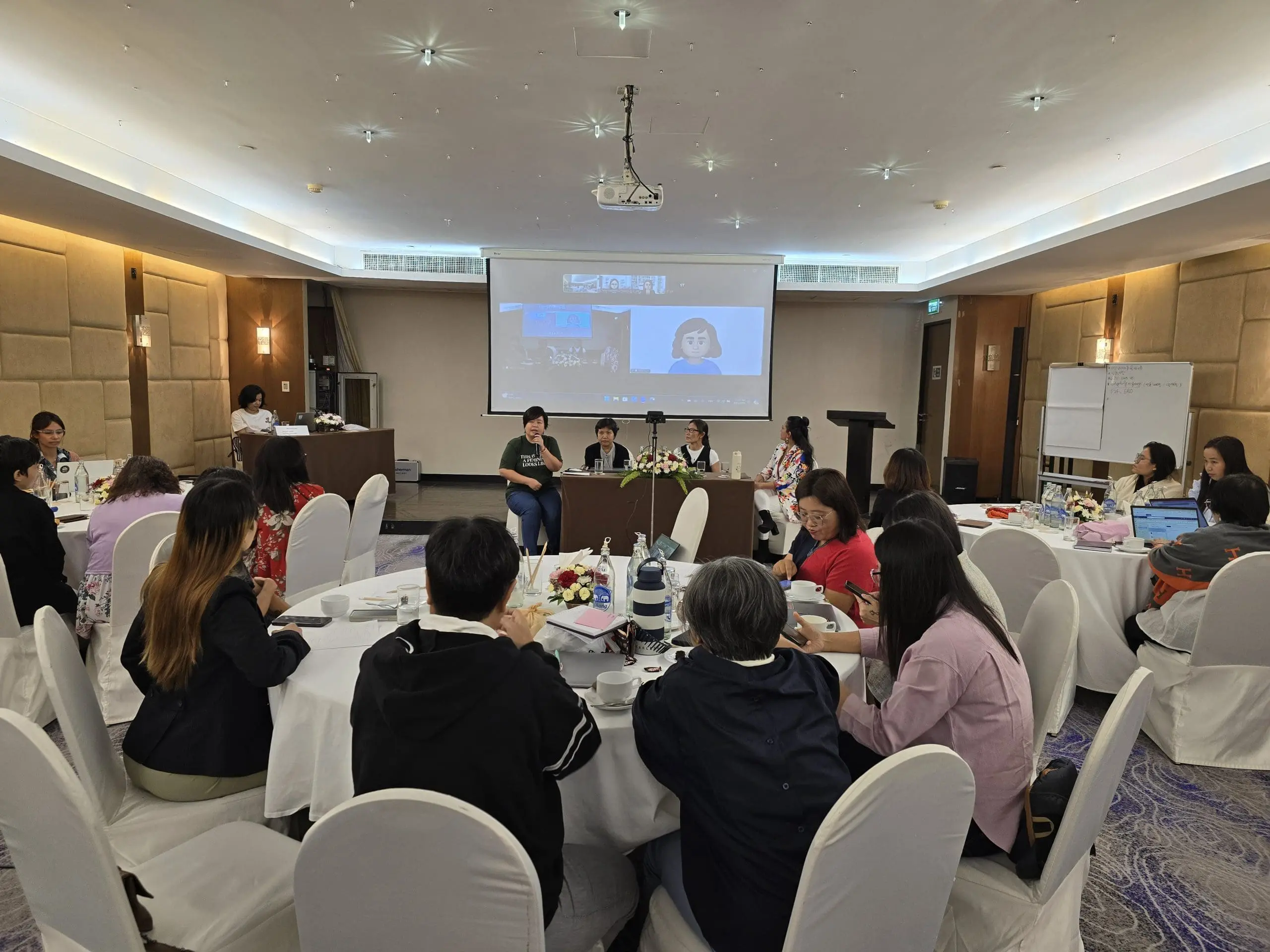
Since gaining independence in 1948, Myanmar has been shaped by relentless conflict, political upheaval, and deep-seated resistance. Ethnic divisions, decades of military rule, and systemic gender inequality have compounded the struggles faced by women across the country. Yet, despite oppression and violence, Myanmar’s women have consistently led movements for justice and change, standing at the forefront of resistance.
Afghanistan is facing a complex mental health crisis inextricably linked with and compounding the dire state of physical, political, and economic insecurity in the country. Afghan women-led peacebuilding organizations are uniquely positioned to address community members’ health and wellness in gender-responsive, culturally- sensitive, and trauma-informed ways.
ICAN FeaturedICAN LatestICAN UpdatesWASL UpdatesWomen's Alliance for Security LeadershipWPSO