ICAN’s Mission Five Steps for Sustainable Prevention of Sexual Violence in Conflict ICAN Partner AWAPSA: A Catalyst for Kenya’s First SGBV Court The War Against Ourselves: Afghan Women Peacebuilders’ Response to the Mental Health Crisis in Afghanistan Protecting Women Peacebuilders: The Front Lines of Sustainable Peace
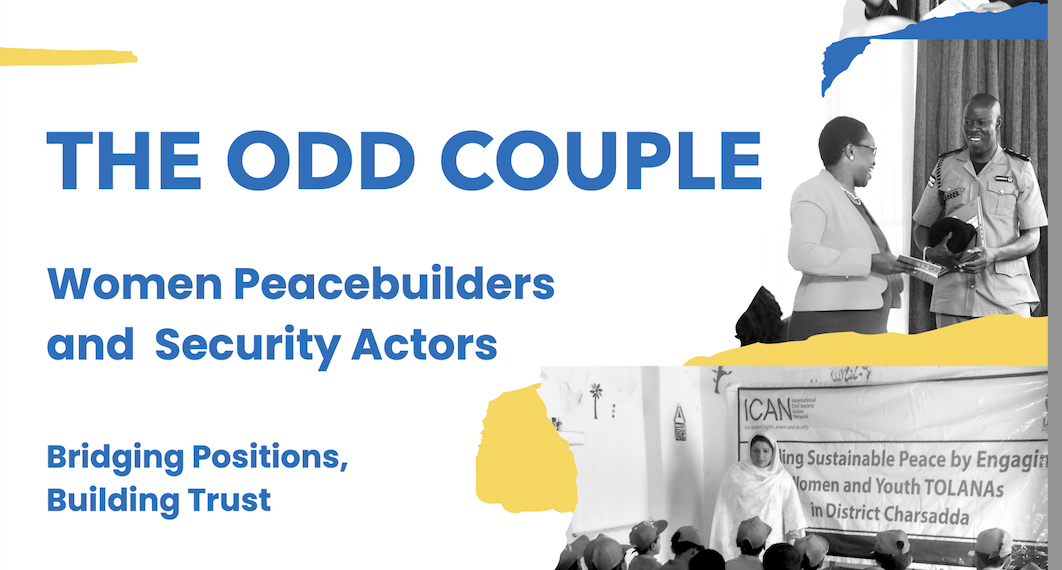
The Odd Couple: Women Peacebuilders and Security Actors Bridging Positions, Building Trust
The WPS agenda has proven a vital entry point for women peacebuilders to engage with the security sector and build trust within affected communities. These efforts—often invisible—are contributing to the reform of the sector, reshaping local security environments and mitigating violence.
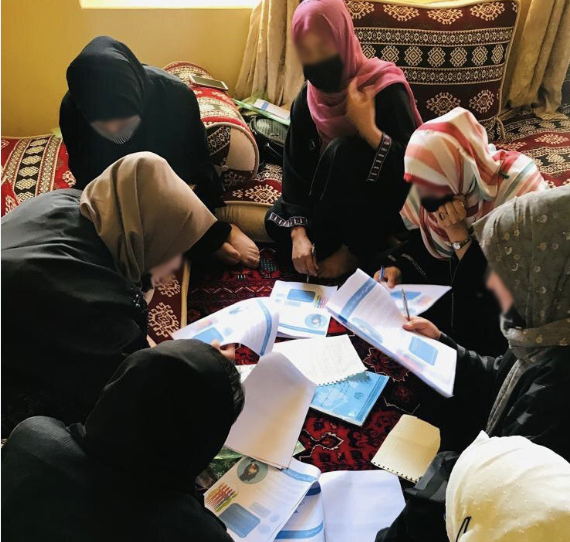
The War Against Ourselves: Afghan Women Peacebuilders’ Response to the Mental Health Crisis in Afghanistan
This case study describes the drivers of the mental health crisis in Afghanistan, its gendered and cultural dimensions, and the strategies used by Afghan women-led peacebuilding organizations to provide solutions. The authors conducted interviews with representatives of Afghan women-led peacebuilding organizations and thematic experts, which were complemented by a desk review of project documentation and […]
Open Statement to the United Nations Security Council on behalf of Women Peacebuilders Marking 25 Years of the Women, Peace, and Security Agenda
On October 6, 2025, the U.N. Security Council holds its annual open debate on Resolution 1325 on Women, Peace, and Security. Today, we are not issuing a new statement. Instead, we are honoring our community of women peacebuilders—who appeared before the Security Council throughout these 25 years, speaking for the millions they represent—by echoing their messages.
Home»ICAN Latest»
How Women Peacebuilders are Balancing Work on COVID-19 and Violent Extremism
How Women Peacebuilders are Balancing Work on COVID-19 and Violent Extremism
11 June 2020
By Stacey Schamber
“We know that you have the analysis, the practical know-how; you’re the ones out there doing the job and I’m here to listen to you. I and Norway stand with women peacebuilders. We need to be connected with you and establish new working methods for inclusive, sustainable peace.” remarked State Secretary Marianne Hagen from Norway who joined the 9th weekly call with the Women’s Alliance for Security Leadership (WASL).
In previous discussions women peacebuilders reported an increase in xenophobia and extremist messaging during the pandemic of COVID-19. Weakness in state infrastructure and response has left a vacuum which extremist actors have exploited for their own interests. For example, in Pakistan extremists are now taking an indirect approach to the community; without revealing themselves as extremists they act under the guise of humanitarian actors. While meeting the humanitarian needs of the community, they say that COVID-19 is a curse and use their own interpretations of religious texts to recruit new members. Women peacebuilders are meeting this challenge by building a counter-narrative that is also grounded in the local culture, religion, and traditions.
From Pakistan to Morocco, Sudan or Egypt, Islamists militantsare presenting the pandemic as a curse to‘bad’ Muslims.
In Yemen, women peacebuilders have been responding to one of the world’s worst humanitarian crises while advocating for a ceasefire. Parts of Aden have suffered through torrential floods and six types of viral diseases. With 24 million people in need of protection and assistance, including access to clean water, the international community continues to sell weapons which support warring parties on the ground. In the words of one peacebuilder, “Time is running out… We need to bring the parties together because those who feel excluded pick up arms which contributes to violence.”
Likewise, a woman peacebuilder from Libya empathized with her experience. She asked the State Secretary, “How can your government and others influence the warring parties in Libya to give civil society space to move?” In the absence of the state and the midst of rampant insecurity, she describes that “women are being abducted and no one has addressed this seriously.” Women peacebuilders in Yemen, Sudan, and Iraq also described sexual assault and extensive violence against women, now exacerbated by COVID-19. Many extremist groups use specific gendered narratives to recruit members, propagate their message, and instill a culture of misogyny and violence against women. The rise in domestic violence and focus on the pandemic makes it an opportune time for this approach.
Women peacebuilders have long been at the forefront of preventing violent extremism. Often the first ones to detect the early warning signs, they have mediated local conflicts and reached out to youth and others vulnerable to recruitment. In Afghanistan a WASL member established a men’s network which started with 20 men and now has over 300 members. This volunteer group has shared information about COVID-19 with local communities, and worked to prevent extremism, discourage early marriage and promote girls’ education and women’s participation in local councils. They recognize the increased role of women in society and don’t want to lose this progress in Afghanistan.
The government and the powers that be don’t want us women peacebuilders to expose their weaknesses
In Cameroon, the government has struggled to address COVID-19 and extremism, fueling marginalization and inequality, and providing justification for non-state armed groups to recruit members. Women peacebuilders integrate community dialogues and psychosocial support into their humanitarian response to COVID-19, which enables them to detect early warning signs for radicalization among youth. In response they have created a virtual community interfaith and inter-ethnic platform to promote peaceful cohabitation among 150 youth and coach parents and teachers to recognize the early warning signs. They also advocate with key stakeholders at local and national levels of government for inclusive dialogue with the meaningful participation of youth and women.
Governments like Norway recognize and understand the growth of extremism and its long-term impacts if left unaddressed. The State Secretary indicated her participation in a donor conference on Yemen and that the Nordic Mediators’ Network has established a resource group on Libya. She also shared a goal that at least 50% of bilateral financing should have a gender focus, highlighting the importance of gendered programming and support to women-led civil society organizations. Women peacebuilders represent the voices of their communities and should be recognized as actors who can mitigate the impact of extremism and offer an alternative vision for peace and security.
On October 6, 2025, the U.N. Security Council holds its annual open debate on Resolution 1325 on Women, Peace, and Security. Today, we are not issuing a new statement. Instead, we are honoring our community of women peacebuilders—who appeared before the Security Council throughout these 25 years, speaking for the millions they represent—by echoing their messages.
ICAN FeaturedICAN LatestICAN UpdatesWASL UpdatesWomen's Alliance for Security Leadership
On behalf of the International Civil Society Action Network (ICAN) and members of the global Women’s Alliance for Security Leadership (WASL), we are honored to nominate Francesca Albanese, United Nations Special Rapporteur on the situation of human rights in the Palestinian territories occupied since 1967, for the 2026 Nobel Peace Prize.
در عرصه صحت روانی، افغانستان با بحران پیچیدهای مواجه است که این بحران به طور جدایی ناپذیر با ناامنی شدید فیزیکی، سیاسی و اقتصادی در کشور گره خورده و این نا امنی ها بحران را تشدید میکند. برای رسیدگی به آسیب های روانی، صحت و بهداشت جامعه به شیوه های پاسخگو به جنسیت و با مد نظر گرفتن حساسیت های فرهنگی، سازمانهای فعال در عرصه صلح سازی به رهبری زنان افغان در موقعیتی منحصربه فرد قرار دارند. این سازمان ها خدمات ابتدایی ارائه میدهند، مهارتها را توسعه میبخشند و در شکلدهی هنجارهای فرهنگی و جنسیتی نقش مؤثر ایفا میکنند.
ICAN FeaturedICAN LatestICAN UpdatesWASL UpdatesWomen's Alliance for Security LeadershipWPSO
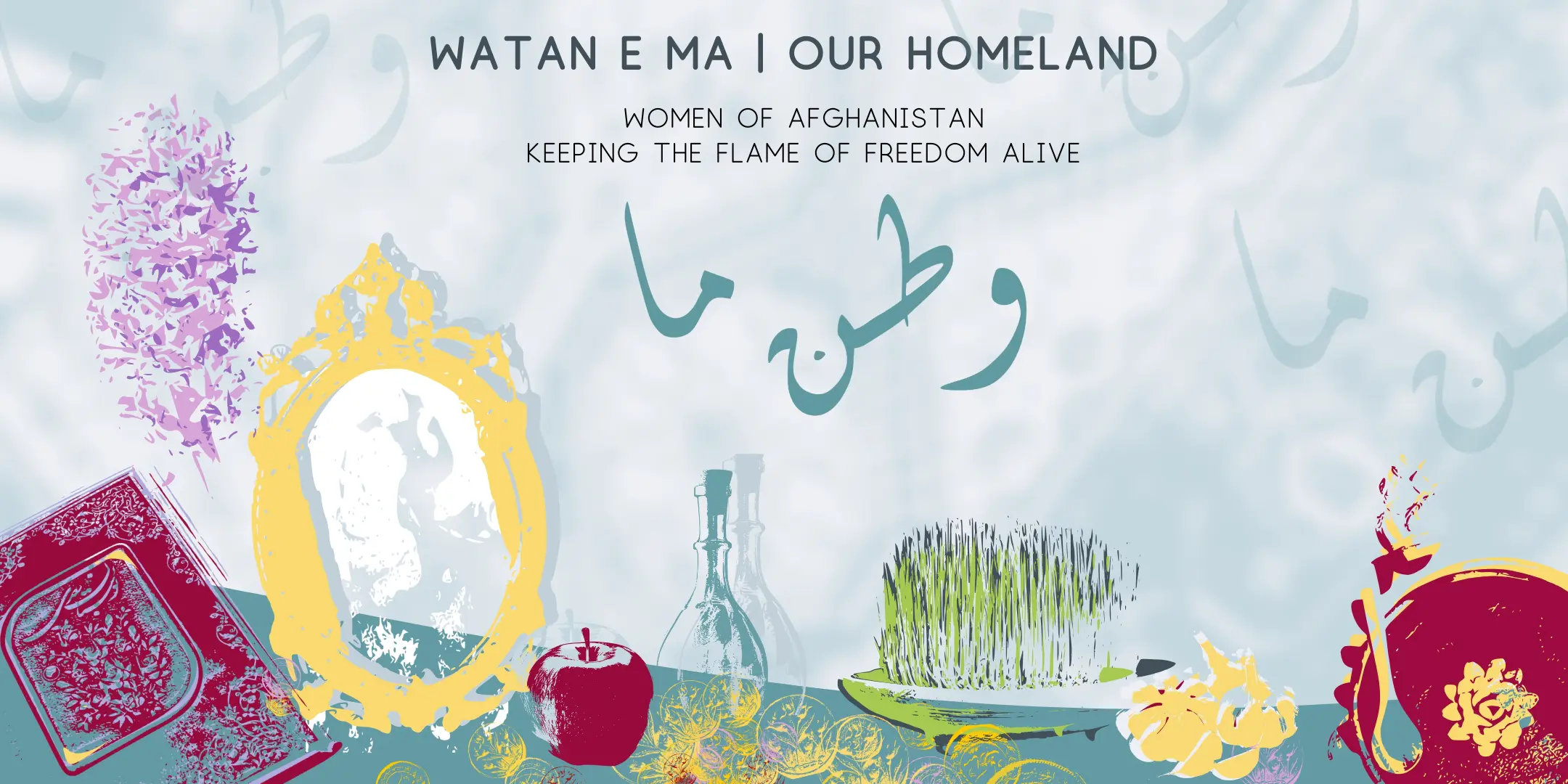
In a powerful departure from traditional advocacy, ICAN—guided by our Afghan partners and women peacebuilders—hosted the event “Watan e Ma – وطن ما – Our Homeland: Women of Afghanistan Keeping the Flame of Freedom Alive” on March 17, 2025 at Blue Gallery in New York City. Held during the 69th Commission on the Status of Women (CSW69), the event celebrated Afghan cultural heritage and the resilience of Afghan women peacebuilders, who persist in their leadership for peace, justice, and equality under the Taliban’s regime of gender apartheid.
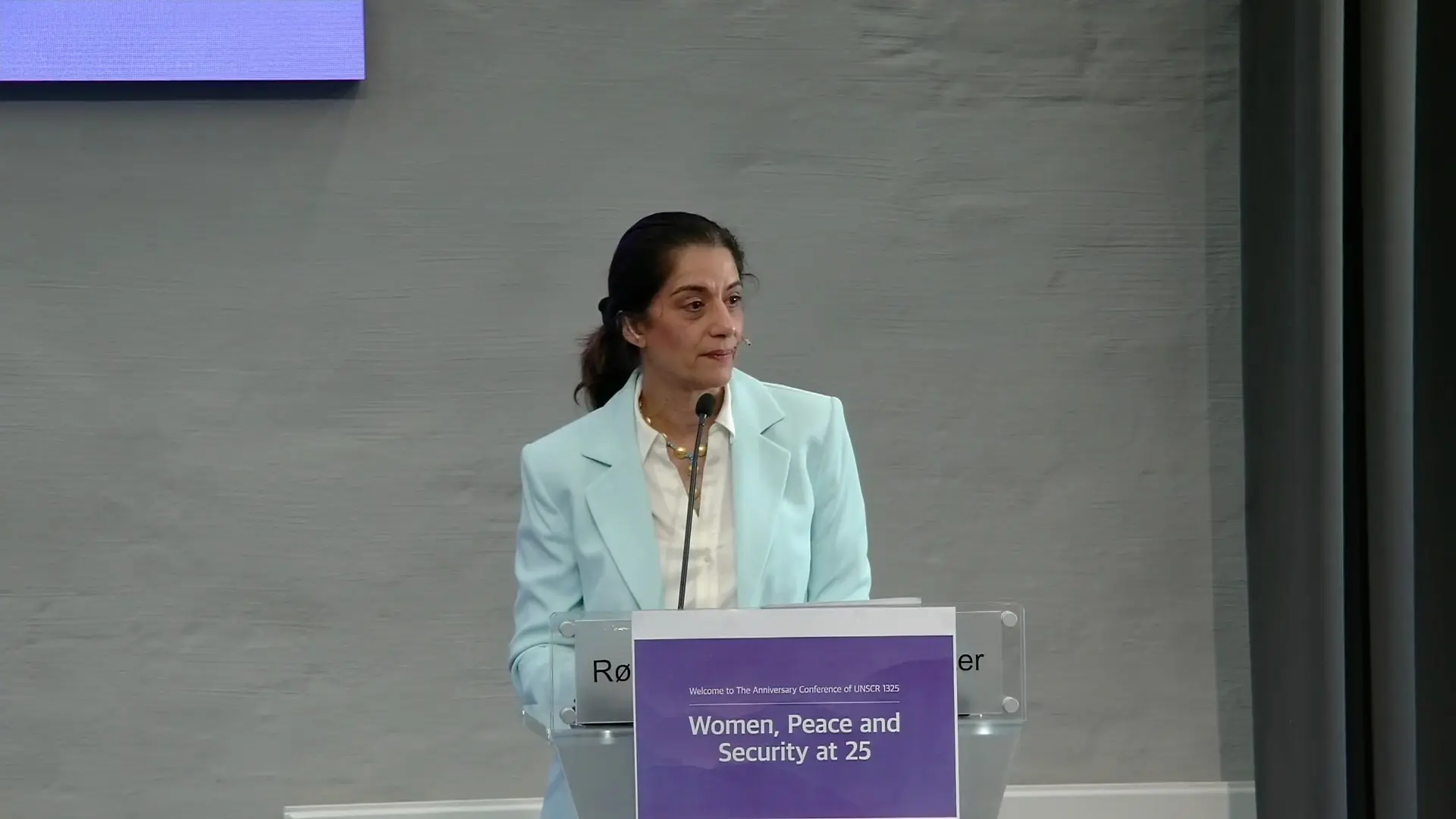
On May 5, 2025, ICAN's Sanam Naraghi Anderlini delivered the keynote speech at the two-day international conference "25th Anniversary Conference of UNSCR 1325 Women, Peace and Security."
As Senator Mobina Jaffer concludes 23 years of distinguished public service in the Canadian Senate, we extend our deepest thanks for her steadfast leadership as Chair of ICAN’s Board of Directors from 2014 to 2024.
Together with André Mundal, our new Interim Chair of the ICAN Board of Directors, we are delighted to welcome two new members to our Board of Directors.
Trust between communities and the security sector is critical for effective governance and peace. So is a vibrant civil society. When women peacebuilders are recognized and engaged as independent, strategic partners and security actors—in their own right—the results are transformative. Twenty-five years on from the launch of the WPS agenda, women peacebuilders’ creativity and contributions to societal peace and security are not only timely, they are even more essential.
Allamin FoundationAWAPSAAWAWBetter Peace InitiativeCIASECoACTGEN MyanmarGender and ExtremismsICAN FeaturedICAN LatestICAN UpdatesPAIMANPCIDWASL UpdatesWomen's Alliance for Security Leadership
Afghanistan is facing a complex mental health crisis inextricably linked with and compounding the dire state of physical, political, and economic insecurity in the country. Afghan women-led peacebuilding organizations are uniquely positioned to address community members’ health and wellness in gender-responsive, culturally- sensitive, and trauma-informed ways.
ICAN FeaturedICAN LatestICAN UpdatesWASL UpdatesWomen's Alliance for Security LeadershipWPSO
As the Women’s Alliance for Security Leadership (WASL) continues to expand globally, fostering stronger regional and national networks, we are excited to announce the formation of the first-ever WASL Steering Committee.