ICAN’s Mission Five Steps for Sustainable Prevention of Sexual Violence in Conflict ICAN Partner AWAPSA: A Catalyst for Kenya’s First SGBV Court The War Against Ourselves: Afghan Women Peacebuilders’ Response to the Mental Health Crisis in Afghanistan Protecting Women Peacebuilders: The Front Lines of Sustainable Peace
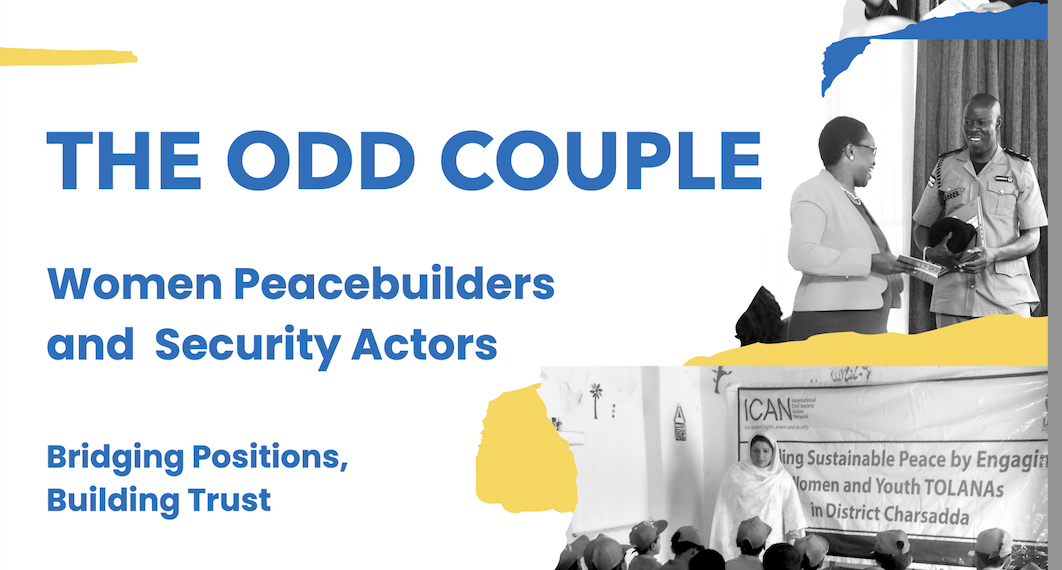
The Odd Couple: Women Peacebuilders and Security Actors Bridging Positions, Building Trust
The WPS agenda has proven a vital entry point for women peacebuilders to engage with the security sector and build trust within affected communities. These efforts—often invisible—are contributing to the reform of the sector, reshaping local security environments and mitigating violence.
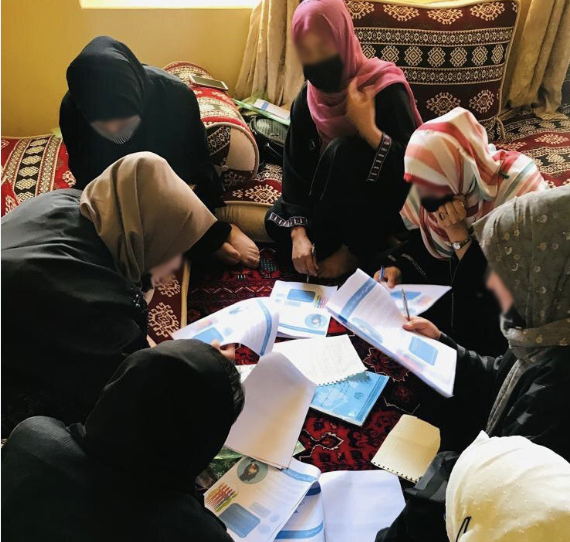
The War Against Ourselves: Afghan Women Peacebuilders’ Response to the Mental Health Crisis in Afghanistan
This case study describes the drivers of the mental health crisis in Afghanistan, its gendered and cultural dimensions, and the strategies used by Afghan women-led peacebuilding organizations to provide solutions. The authors conducted interviews with representatives of Afghan women-led peacebuilding organizations and thematic experts, which were complemented by a desk review of project documentation and […]
Open Statement to the United Nations Security Council on behalf of Women Peacebuilders Marking 25 Years of the Women, Peace, and Security Agenda
On October 6, 2025, the U.N. Security Council holds its annual open debate on Resolution 1325 on Women, Peace, and Security. Today, we are not issuing a new statement. Instead, we are honoring our community of women peacebuilders—who appeared before the Security Council throughout these 25 years, speaking for the millions they represent—by echoing their messages.
Home»ICAN Featured»
How the Counterterrorism Agenda Has Failed Women Peacebuilders – and Where Do We Go from Here?
How the Counterterrorism Agenda Has Failed Women Peacebuilders – and Where Do We Go from Here?
12 November 2021
By Rosalie Fransen
Since the inception of the global countering and preventing violent extremism (C/PVE) agenda, states have abused it to pursue their own political and security interests, at the expense of human rights. At WASL, we have seen first-hand how counterterrorism legislation has been used to target civil society actors and delegitimize the work of women peacebuilders and women human rights defenders. One of WASL’s own members, grassroots activist and peacebuilder Waheed Para, has been detained since August 2019 by the Indian government on alleged terrorism charges. Other WASL members have reported issues with opening bank accounts, delays in financial transactions, and oppressive administrative requirements as a result of counterterrorism policies.
The crisis in Afghanistan forced us to reckon with the failures of the C/PVE agenda, as well as with the lack of will of the international community to protect the human rights of the women peacebuilders who have been asked to support it. What is the meaning of counterterrorism when the world has collectively abandoned a country and its people to be governed by a terrorist organization? How can states speak of gender-sensitive P/CVE or of the importance of women, peace, and security, when they have left Afghan women to their fate? These questions have hung over recent ICAN and WASL discussions as we try to support Afghan women peacebuilders and our requests for help are faced with silence from all but a few international counterparts.
The crisis in Afghanistan forced us to reckon with the failures of the C/PVE agenda, as well as with the lack of will of the international community to protect the human rights of the women peacebuilders who have been asked to support it.
In her remarks, the Special Rapporteur reiterated findings from her reports on the absence of human rights within the counterterrorism and P/CVE agendas. She underscored that the lack of a clear definition of what constitutes terrorism continues to enable States to define terrorism in ways that directly target and impact civil society, journalists, dissenters, human rights defenders, ethnic and religious minorities and others. She noted that at the international level, there remains a lack of human rights oversight, noting that the mandate of Special Rapporteurs as unpaid, independent experts with little institutional support limits the scope of work. She noted that this space is also “gender light” and, through its permissiveness, successfully defends itself from efforts to mainstream gender.
“The P/CVE agenda has commodified women for 20 years. Security spaces do not protect women’s rights. This is not a marginal problem, this is a DNA problem, it is built into the structure. Which suggests to me that as feminists we have an obligation to look at the [P/CVE] space and ask what we are doing in it.”
The P/CVE agenda has commodified women for 20 years. Security spaces do not protect women’s rights.
WASL member Antelak Al-Mutawakel from Yemen echoed this sentiment, noting that the lack of a clear definition of terrorism means that for the West, fighting terrorism is just another way to colonize and occupy non-Western countries. Often it seems as though “fighting terrorism” is just a way to suppress Islamic culture. WASL member Nicoline Nwenushi Tumasang Wazeh from Cameroon described how anti-terrorism law has been used to designate civilian Anglophone protestors as terrorists and compared them to Boko Haram, further exacerbating the crisis.
Yet, despite the misuse of the global P/CVE agenda, terrorism and violent extremism remain real issues that WASL members are confronted with at the local level to which they cannot turn a blind eye. In past weekly calls, we have seen how women peacebuilders have mobilized to respond: they use trauma-informed approaches to help people disengage from violent extremist groups, fill health and safety vacuums left by states during the COVID-19 pandemic to prevent capture by extremist groups, coach parents and teachers to detect early warning signs of radicalization among youth, and provide women with alternative sources of livelihood so they can go from sewing suicide jackets to sewing facemasks. The Special Rapporteur concurred that there remains a pressing need for these localized solutions:
“The actual counterterrorism work is about servicing communities, dealing with the fundamental needs of communities, protecting their socioeconomic rights. The international community does not want to do the hard, unsexy work of sustaining peace. There are no quick fixes for sustained, systemic violence.”
There are no quick fixes for sustained, systemic violence.
There exists a significant disconnect between localized work by grassroots civil society and peacebuilding organizations and practitioners, who serve the people in their communities, and the P/CVE discussions at the national and multilateral level, which serve state, authoritarian and security interests. WASL member Amina Rasul from the Philippines said that she does not see much movement in reducing the gap between her reality and that of the policies voiced by UN agencies: “we find that international programs and recommendations of C/PVE are sort of in the air. When you try to bring it down to the community level there is a such a huge gap between the intent of a national action plan and what is doable at the community level.”
WASL member Bushra Qadeem Hyder from Pakistan, a school principal who has integrated a comprehensive peace education curriculum in her school to respond to growing radicalization of her students into jihadism, expressed the fear and frustration that comes with watching the international community’s response – or lack thereof – to the problem of terrorism:
“If the government wants it, if the international agencies want it, all the work that has been done by powerful and outspoken women will go down the drain. Does that mean that even after 20 or 50 years we will be in the same place we are now? The only solution I see is to work on the future of my students and help them to understand the difference between politics and religion.”
The only solution I see is to work on the future of my students and help them to understand the difference between politics and religion.
The disconnect between the local and the global extends to the language we use. The framing of “P/CVE” is not always productive in local work, particularly when trying to build trust with communities. ICAN CEO Sanam Naraghi Anderlini described how at ICAN, we frame our work not as “countering” or “preventing,” but as devising positive, peaceful solutions to extremisms. Although the problem of extremisms isn’t going away, if the global C/PVE architecture and vocabulary is fundamentally flawed, we will need to create our own frameworks to tackle it. Here, the language of building peace is a useful tool.
Part of the reckoning brought on by the Afghanistan crisis is a loss of trust in those Western countries who we, as the peacebuilding and women, peace, and security community, have traditionally considered to be our key allies. The Special Rapporteur remarked that these countries have long been responsible for producing the conditions of conflict in Afghanistan, through 20 years of drone strikes and human rights violations.
Between the failures of the current P/CVE architecture and the apathy and lack of accountability of those we presumed to be allies, WASL has an opportunity to rethink its collective approach as a global alliance. The central question – as resonant and unanswerable in this conversation as it has been in our heads for the past month – is what do we do now?
Part of the reckoning brought on by the Afghanistan crisis is a loss of trust in those Western countries who we, as the peacebuilding and women, peace, and security community, have traditionally considered to be our key allies.
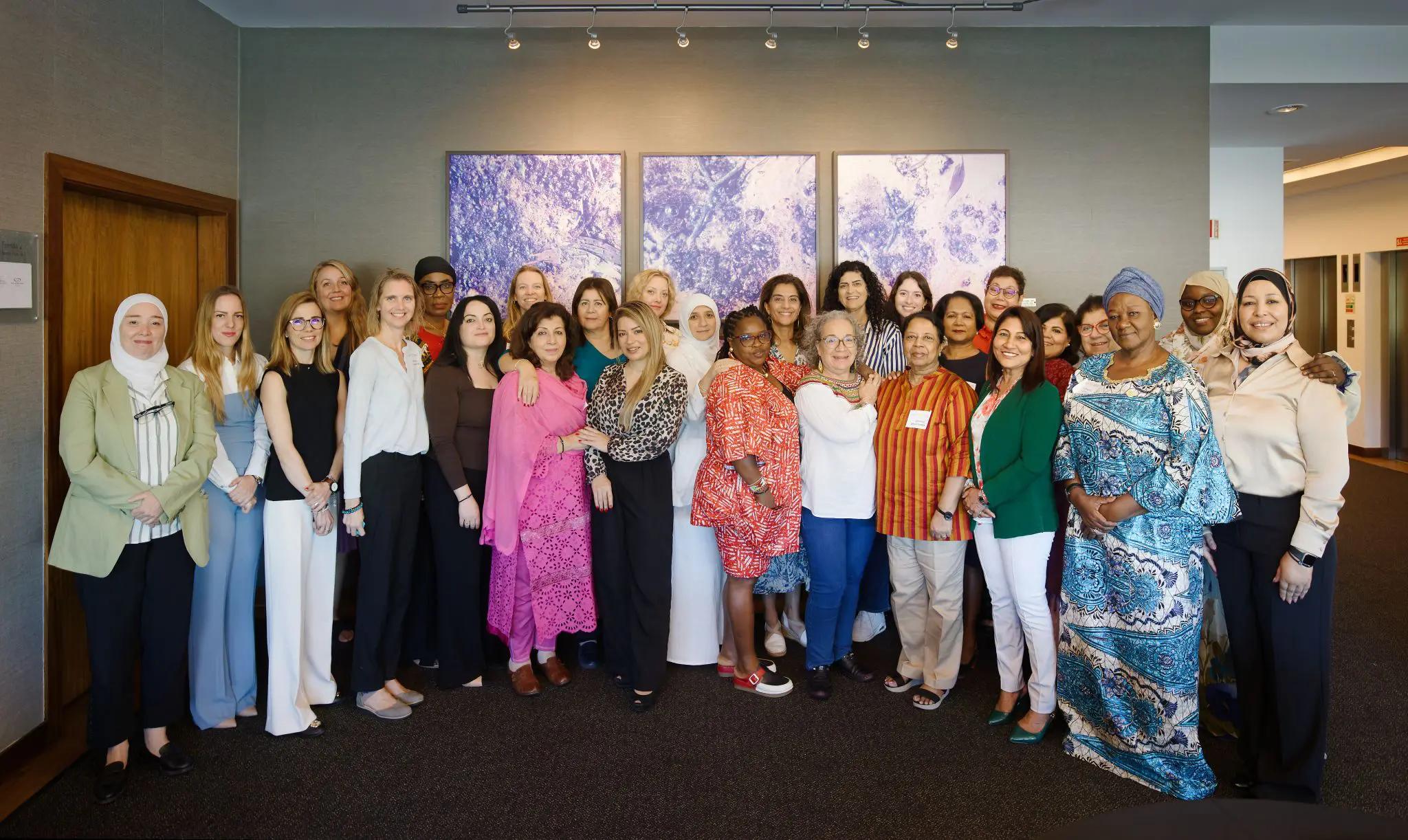
ICAN convened 20 members of WASL in Lisbon for the “Our Strategies, Our Peace” Writers’ Workshop. This unique gathering provided a secure and creative space for women peacebuilders to share their strategies, experience, expertise, and stories from conflict and crisis contexts.
Addu Women's AssociationAllamin FoundationAWAWCAGEADCIASECOECICAN FeaturedMobaderoonPAIMANRescue MeWCDCAWi'amWomen's Alliance for Security LeadershipWPSO
On October 6, 2025, the U.N. Security Council holds its annual open debate on Resolution 1325 on Women, Peace, and Security. Today, we are not issuing a new statement. Instead, we are honoring our community of women peacebuilders—who appeared before the Security Council throughout these 25 years, speaking for the millions they represent—by echoing their messages.
ICAN FeaturedICAN LatestICAN UpdatesWASL UpdatesWomen's Alliance for Security Leadership
In South Sudan, a nation where peace has long remained fragile and democratic progress uncertain, women are stepping forward to shape the future of their country. Long excluded from the corridors of power, they are forging their own movement for lasting change.
On behalf of the International Civil Society Action Network (ICAN) and members of the global Women’s Alliance for Security Leadership (WASL), we are honored to nominate Francesca Albanese, United Nations Special Rapporteur on the situation of human rights in the Palestinian territories occupied since 1967, for the 2026 Nobel Peace Prize.
در عرصه صحت روانی، افغانستان با بحران پیچیدهای مواجه است که این بحران به طور جدایی ناپذیر با ناامنی شدید فیزیکی، سیاسی و اقتصادی در کشور گره خورده و این نا امنی ها بحران را تشدید میکند. برای رسیدگی به آسیب های روانی، صحت و بهداشت جامعه به شیوه های پاسخگو به جنسیت و با مد نظر گرفتن حساسیت های فرهنگی، سازمانهای فعال در عرصه صلح سازی به رهبری زنان افغان در موقعیتی منحصربه فرد قرار دارند. این سازمان ها خدمات ابتدایی ارائه میدهند، مهارتها را توسعه میبخشند و در شکلدهی هنجارهای فرهنگی و جنسیتی نقش مؤثر ایفا میکنند.
ICAN FeaturedICAN LatestICAN UpdatesWASL UpdatesWomen's Alliance for Security LeadershipWPSO
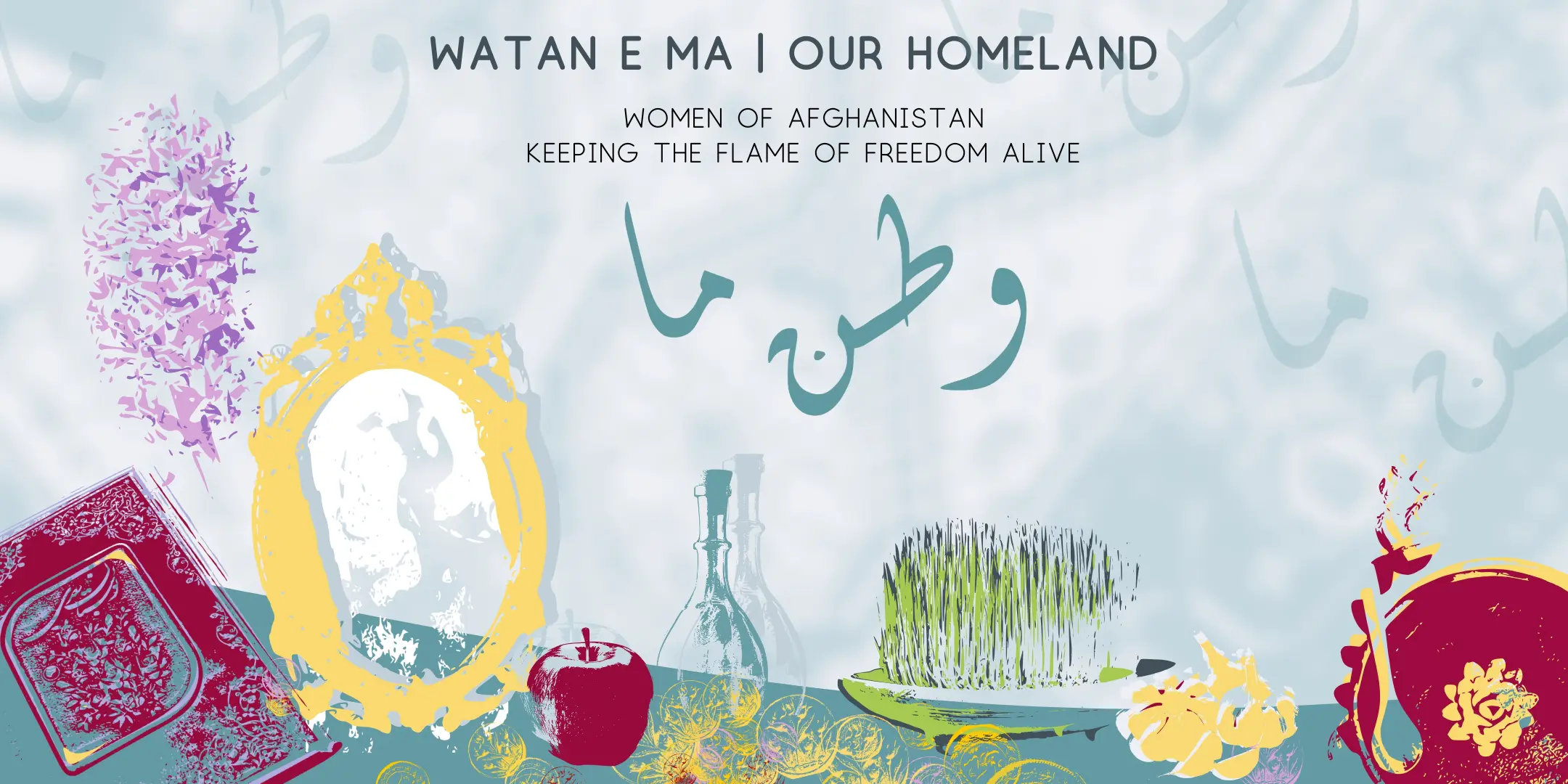
In a powerful departure from traditional advocacy, ICAN—guided by our Afghan partners and women peacebuilders—hosted the event “Watan e Ma – وطن ما – Our Homeland: Women of Afghanistan Keeping the Flame of Freedom Alive” on March 17, 2025 at Blue Gallery in New York City. Held during the 69th Commission on the Status of Women (CSW69), the event celebrated Afghan cultural heritage and the resilience of Afghan women peacebuilders, who persist in their leadership for peace, justice, and equality under the Taliban’s regime of gender apartheid.
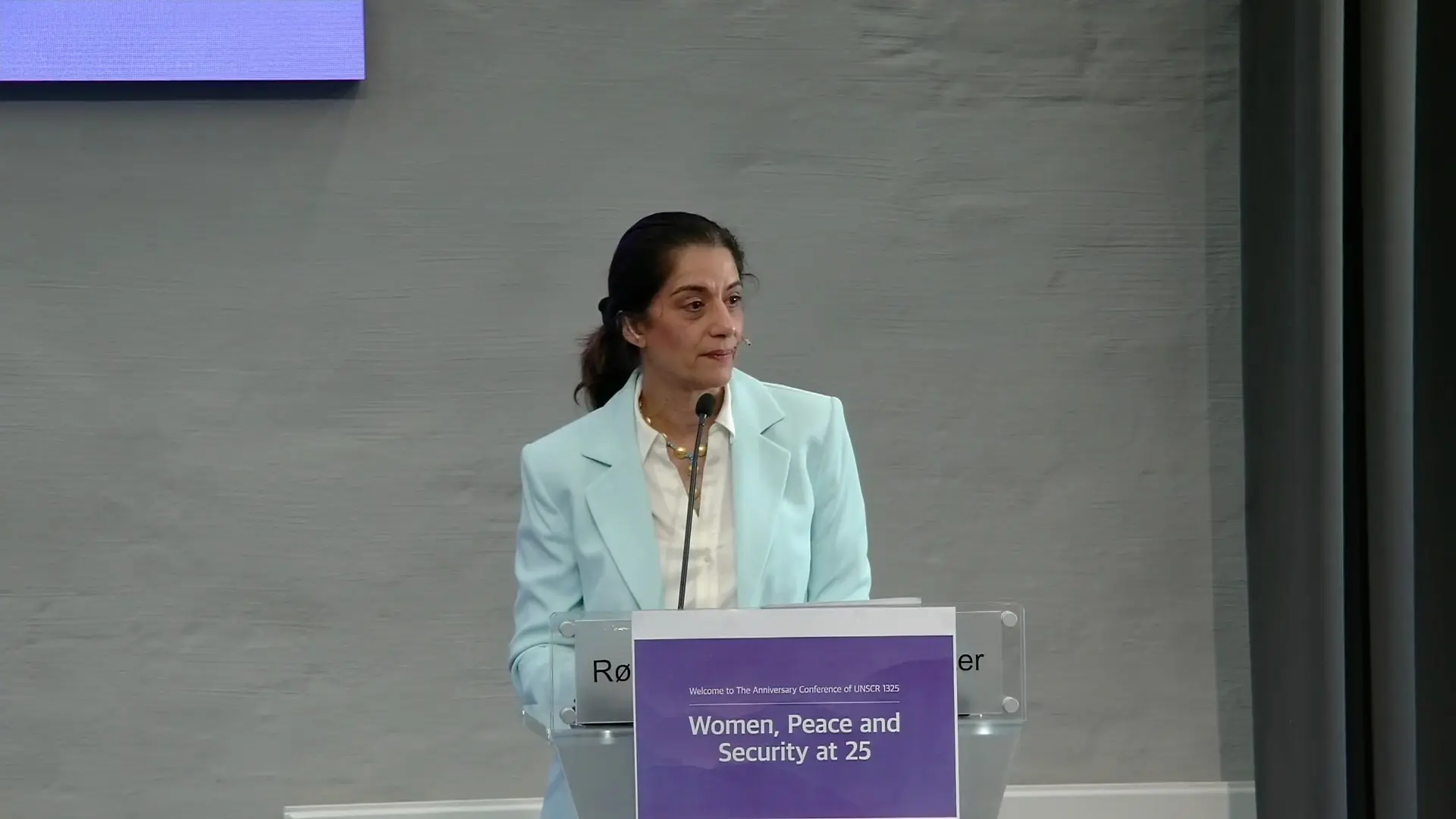
On May 5, 2025, ICAN's Sanam Naraghi Anderlini delivered the keynote speech at the two-day international conference "25th Anniversary Conference of UNSCR 1325 Women, Peace and Security."
As Senator Mobina Jaffer concludes 23 years of distinguished public service in the Canadian Senate, we extend our deepest thanks for her steadfast leadership as Chair of ICAN’s Board of Directors from 2014 to 2024.
Together with André Mundal, our new Interim Chair of the ICAN Board of Directors, we are delighted to welcome two new members to our Board of Directors.
Trust between communities and the security sector is critical for effective governance and peace. So is a vibrant civil society. When women peacebuilders are recognized and engaged as independent, strategic partners and security actors—in their own right—the results are transformative. Twenty-five years on from the launch of the WPS agenda, women peacebuilders’ creativity and contributions to societal peace and security are not only timely, they are even more essential.
Allamin FoundationAWAPSAAWAWBetter Peace InitiativeCIASECoACTGEN MyanmarGender and ExtremismsICAN FeaturedICAN LatestICAN UpdatesPAIMANPCIDWASL UpdatesWomen's Alliance for Security Leadership