ICAN’s Mission Five Steps for Sustainable Prevention of Sexual Violence in Conflict ICAN Partner AWAPSA: A Catalyst for Kenya’s First SGBV Court The War Against Ourselves: Afghan Women Peacebuilders’ Response to the Mental Health Crisis in Afghanistan Protecting Women Peacebuilders: The Front Lines of Sustainable Peace
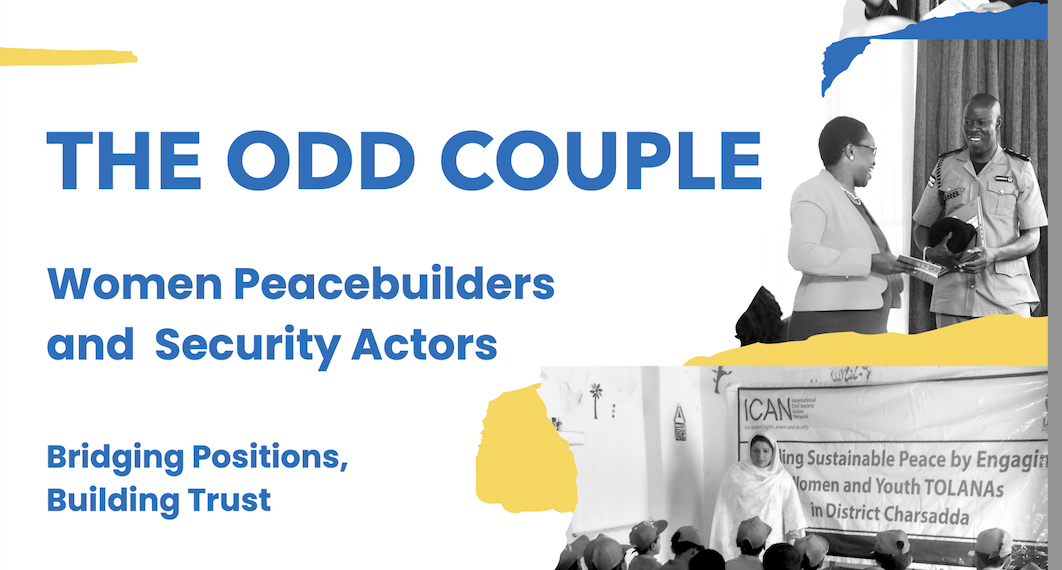
The Odd Couple: Women Peacebuilders and Security Actors Bridging Positions, Building Trust
The WPS agenda has proven a vital entry point for women peacebuilders to engage with the security sector and build trust within affected communities. These efforts—often invisible—are contributing to the reform of the sector, reshaping local security environments and mitigating violence.
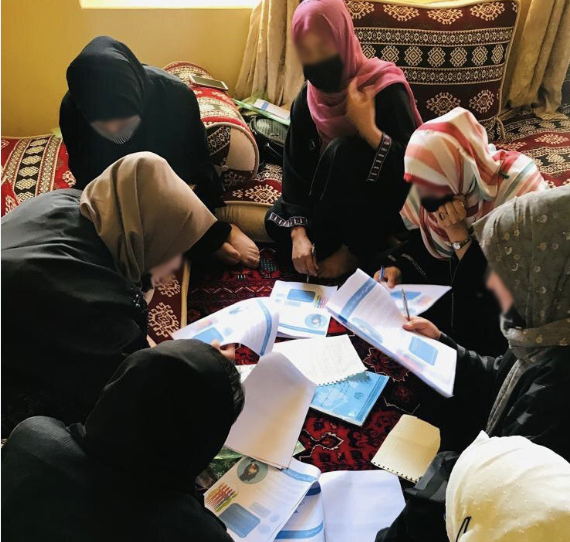
The War Against Ourselves: Afghan Women Peacebuilders’ Response to the Mental Health Crisis in Afghanistan
This case study describes the drivers of the mental health crisis in Afghanistan, its gendered and cultural dimensions, and the strategies used by Afghan women-led peacebuilding organizations to provide solutions. The authors conducted interviews with representatives of Afghan women-led peacebuilding organizations and thematic experts, which were complemented by a desk review of project documentation and […]
Open Statement to the United Nations Security Council on behalf of Women Peacebuilders Marking 25 Years of the Women, Peace, and Security Agenda
On October 6, 2025, the U.N. Security Council holds its annual open debate on Resolution 1325 on Women, Peace, and Security. Today, we are not issuing a new statement. Instead, we are honoring our community of women peacebuilders—who appeared before the Security Council throughout these 25 years, speaking for the millions they represent—by echoing their messages.
The goal of this consultation meeting was to generate ideas about what concrete actions and commitments the Secretary-General could call for in the New Agenda for Peace. The New Agenda for Peace will aim to advance the implementation of critical priorities – including the Women, Peace, and Security (WPS) agenda – to address current and future peace and security challenges.
Through the conversation we explored what women peacebuilders consider critical priorities and how the framework could affect their lived realities and work on the ground in fragile and conflict settings.
Recognition of the role of civil society and women peacebuilders
Women peacebuilders from Ukraine to Cameroon stressed that civil society’s role in addressing peace and security issues and responding to humanitarian crises is vastly overlooked. In the context of the recent devastating earthquake in Turkey and Syria and the delayed response from UN agencies,AhlamAlmilaj,a Syrian peacebuilder and Executive Director of Zenobia Syrian Women’s Association, who has been carrying out emergency response noted:
“Action always comes late during disasters, responsibility lands on grassroots women peacebuilders.”
Given women are the most affected by conflicts and crises, she argued that quick response is vital to any agenda for peace. Others too noted how, despite being the first to support their communities, women’s efforts fail to be recognized, and they are excluded when it comes to decision-making. According to a WASL member from Morocco, the WPS National Action Plan (NAP) in her country was tailored by the government to suit its priorities, while grassroots civil society organizations such as her own were left out of the process.
A Cameroonian peacebuilder called for the framework to prioritize the inclusion of grassroots women in policymaking. She also argued that youth are consistently marginalized and that efforts must be made to better include their voices.
“Looking at Women, Peace, and Security ten years from now, what future is there for us as women peacebuilders and mediators? The future is bleak if we don’t take drastic actions to make sure our voices are included in all policy decisions.”
– Esther Omam, Executive Director, Reach Out Cameroon
Protecting and funding peacebuilding
On top of being recognized and included in decision-making processes, women peacebuilders need to be able to carry out their peace work safely. The WASL members present at the consultation called for consideration around the protection of women peacebuilders, activists, and human rights defenders. A Cameroonian peacebuilder pointed out that civil society space is shrinking, and violence and attacks on activists dissuades women from taking on public roles and carrying out peace work. Meanwhile, a Tunisian WASL member said that women peacebuilders are increasingly stigmatized and are sometimes even labeled terrorists because they engage actors on all sides of the conflict.
Flexible and equitable funding of local peacebuilding organizations was put forward as a priority for the New Agenda for Peace. A peacebuilder from Albania argued that local civil society organizations face barriers to receiving international support due to bureaucracy and administration, she called for technical capabilities training alongside increased funding. ICAN’s Founder and CEO, Sanam Naraghi Anderlini, MBE, added that there is a need for greater accountability and transparency in donors’ funding practices.
An ecosystem of peacebuilding and violence prevention
Throughout the consultation many pointed to a disconnect between civil society and the international system. Peacebuilders are actors of change, who are on the frontlines as mitigators of conflict and first responders. Sanam Naraghi Anderlini closed the consultation by calling for the New Agenda for Peace to listen to grassroots voices and recognize civil society as equals in an ecosystem of peacebuilding and preventing violence.
“Civil society is your ally, not your adversary. Civil society is a constructive force.”
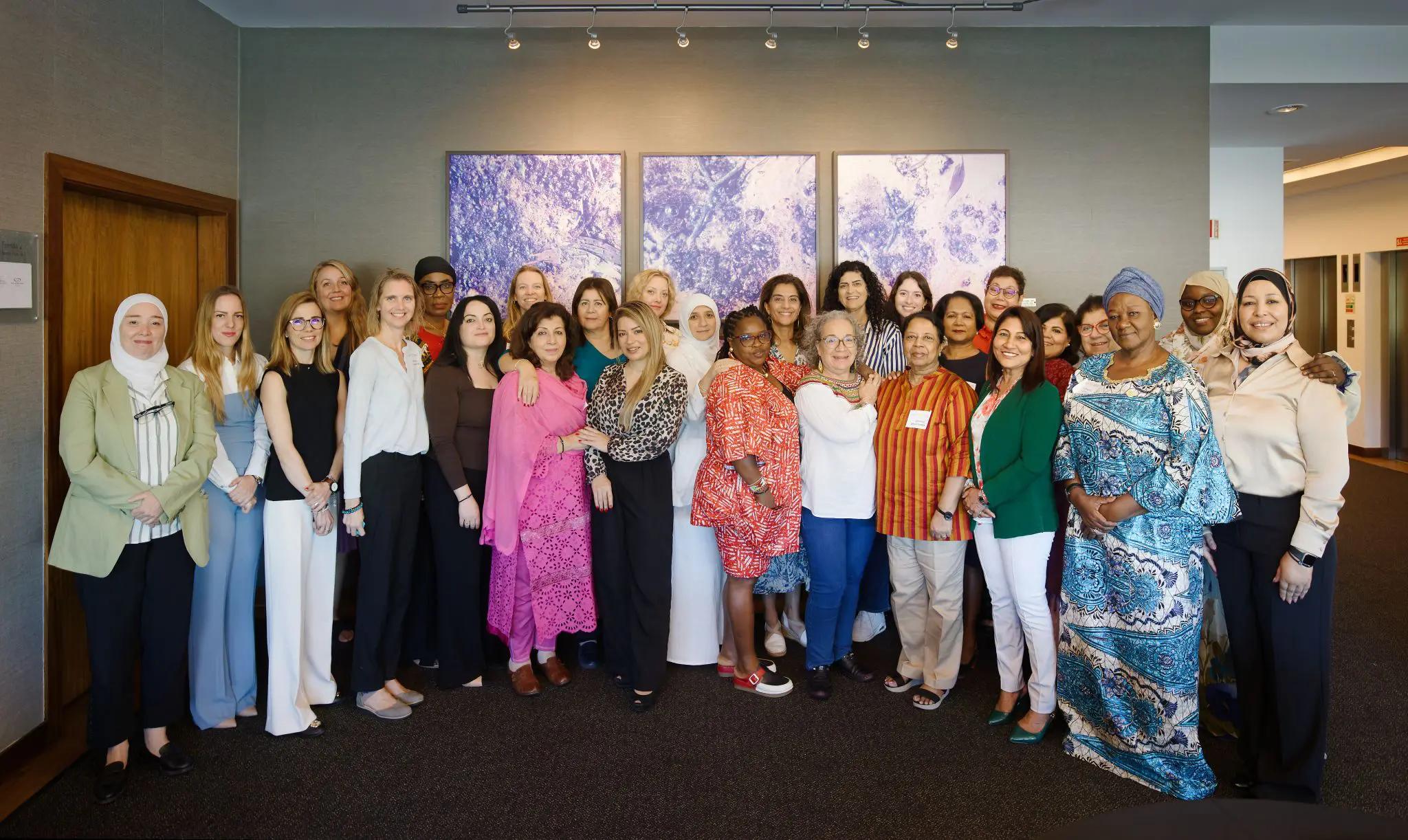
ICAN convened 20 members of WASL in Lisbon for the “Our Strategies, Our Peace” Writers’ Workshop. This unique gathering provided a secure and creative space for women peacebuilders to share their strategies, experience, expertise, and stories from conflict and crisis contexts.
Addu Women's AssociationAllamin FoundationAWAWCAGEADCIASECOECICAN FeaturedMobaderoonPAIMANRescue MeWCDCAWi'amWomen's Alliance for Security LeadershipWPSO
On October 6, 2025, the U.N. Security Council holds its annual open debate on Resolution 1325 on Women, Peace, and Security. Today, we are not issuing a new statement. Instead, we are honoring our community of women peacebuilders—who appeared before the Security Council throughout these 25 years, speaking for the millions they represent—by echoing their messages.
ICAN FeaturedICAN LatestICAN UpdatesWASL UpdatesWomen's Alliance for Security Leadership
On behalf of the International Civil Society Action Network (ICAN) and members of the global Women’s Alliance for Security Leadership (WASL), we are honored to nominate Francesca Albanese, United Nations Special Rapporteur on the situation of human rights in the Palestinian territories occupied since 1967, for the 2026 Nobel Peace Prize.
در عرصه صحت روانی، افغانستان با بحران پیچیدهای مواجه است که این بحران به طور جدایی ناپذیر با ناامنی شدید فیزیکی، سیاسی و اقتصادی در کشور گره خورده و این نا امنی ها بحران را تشدید میکند. برای رسیدگی به آسیب های روانی، صحت و بهداشت جامعه به شیوه های پاسخگو به جنسیت و با مد نظر گرفتن حساسیت های فرهنگی، سازمانهای فعال در عرصه صلح سازی به رهبری زنان افغان در موقعیتی منحصربه فرد قرار دارند. این سازمان ها خدمات ابتدایی ارائه میدهند، مهارتها را توسعه میبخشند و در شکلدهی هنجارهای فرهنگی و جنسیتی نقش مؤثر ایفا میکنند.
ICAN FeaturedICAN LatestICAN UpdatesWASL UpdatesWomen's Alliance for Security LeadershipWPSO
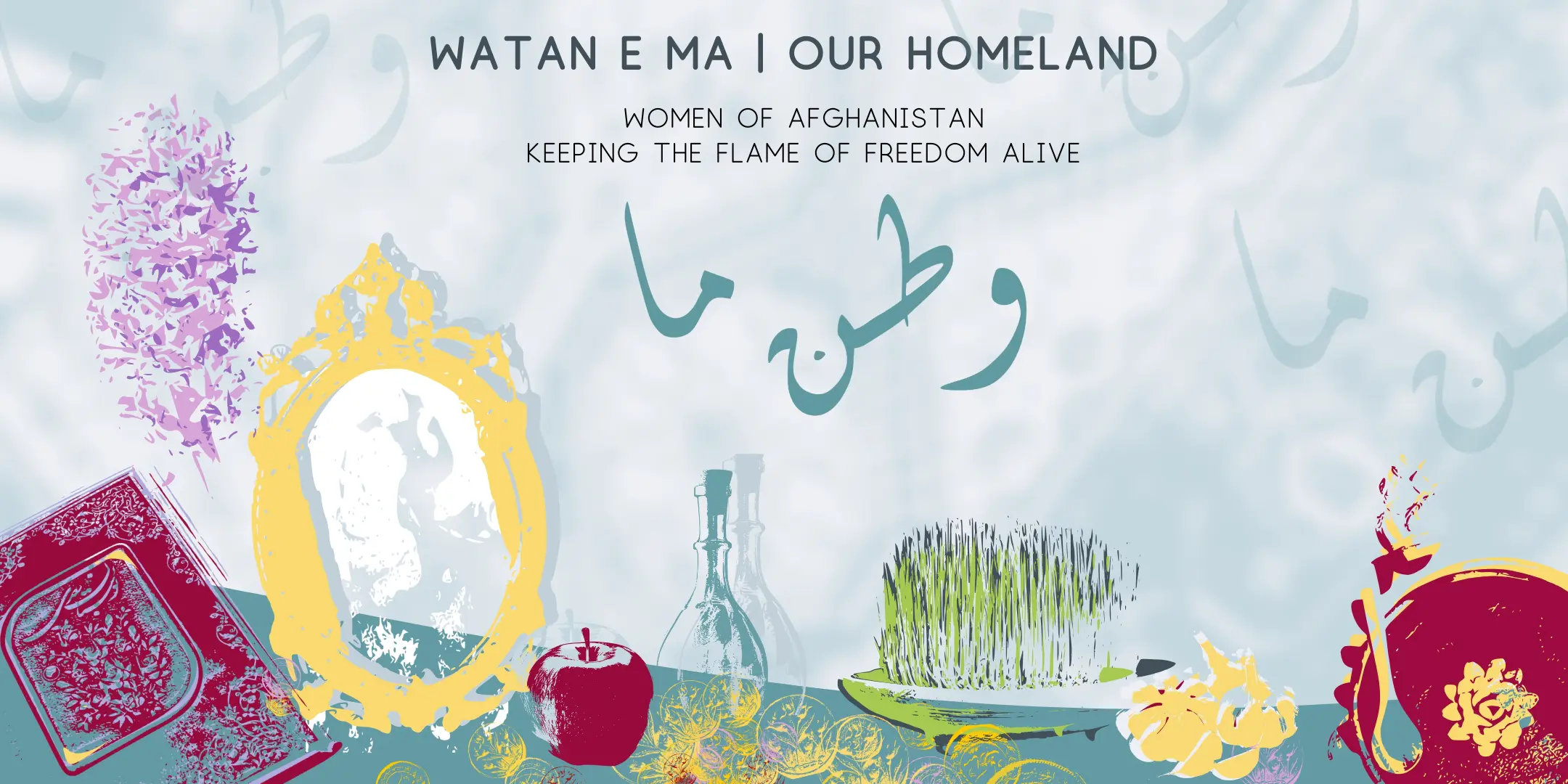
In a powerful departure from traditional advocacy, ICAN—guided by our Afghan partners and women peacebuilders—hosted the event “Watan e Ma – وطن ما – Our Homeland: Women of Afghanistan Keeping the Flame of Freedom Alive” on March 17, 2025 at Blue Gallery in New York City. Held during the 69th Commission on the Status of Women (CSW69), the event celebrated Afghan cultural heritage and the resilience of Afghan women peacebuilders, who persist in their leadership for peace, justice, and equality under the Taliban’s regime of gender apartheid.
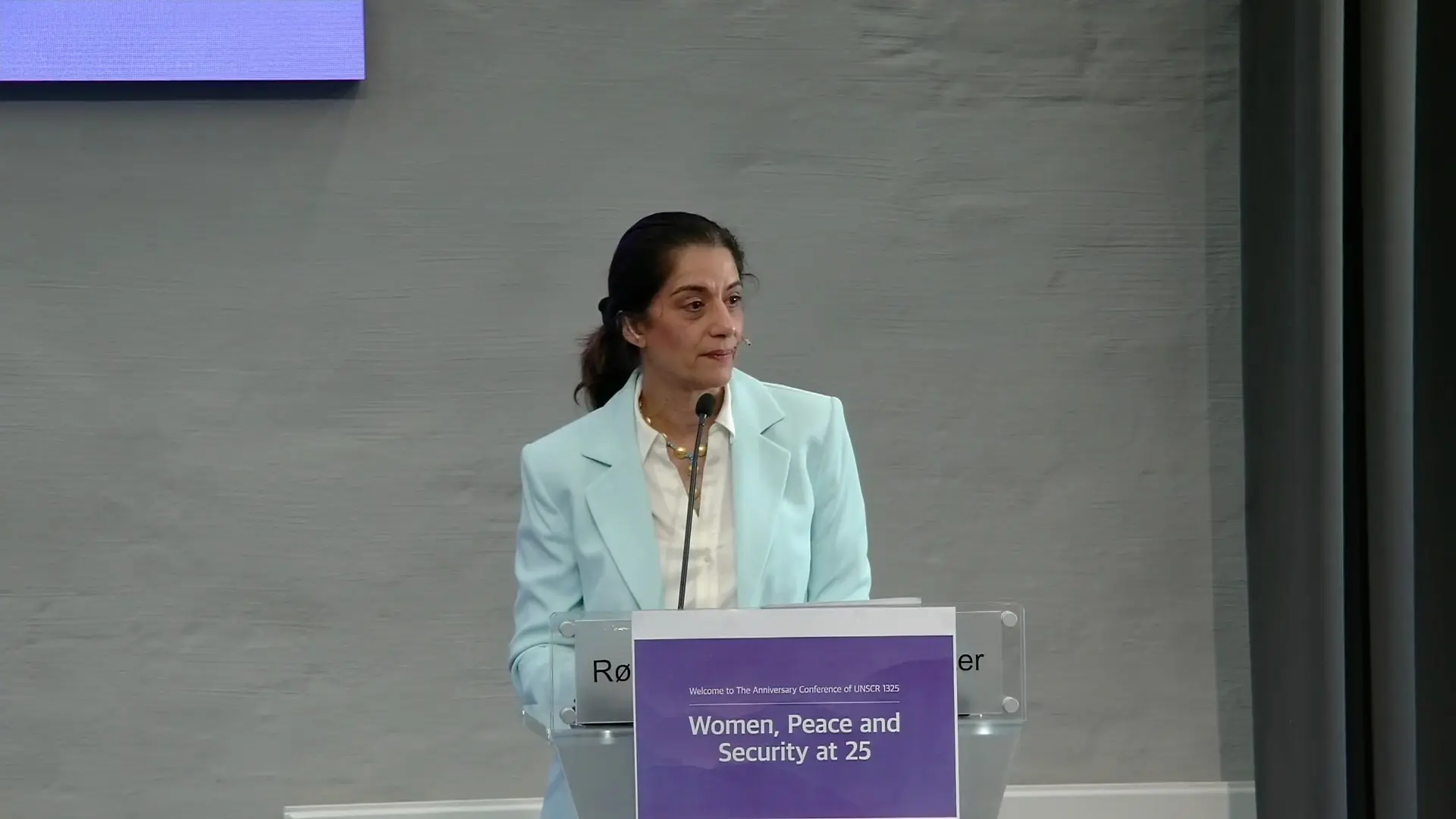
On May 5, 2025, ICAN's Sanam Naraghi Anderlini delivered the keynote speech at the two-day international conference "25th Anniversary Conference of UNSCR 1325 Women, Peace and Security."
As Senator Mobina Jaffer concludes 23 years of distinguished public service in the Canadian Senate, we extend our deepest thanks for her steadfast leadership as Chair of ICAN’s Board of Directors from 2014 to 2024.
Together with André Mundal, our new Interim Chair of the ICAN Board of Directors, we are delighted to welcome two new members to our Board of Directors.
Trust between communities and the security sector is critical for effective governance and peace. So is a vibrant civil society. When women peacebuilders are recognized and engaged as independent, strategic partners and security actors—in their own right—the results are transformative. Twenty-five years on from the launch of the WPS agenda, women peacebuilders’ creativity and contributions to societal peace and security are not only timely, they are even more essential.
Allamin FoundationAWAPSAAWAWBetter Peace InitiativeCIASECoACTGEN MyanmarGender and ExtremismsICAN FeaturedICAN LatestICAN UpdatesPAIMANPCIDWASL UpdatesWomen's Alliance for Security Leadership
Afghanistan is facing a complex mental health crisis inextricably linked with and compounding the dire state of physical, political, and economic insecurity in the country. Afghan women-led peacebuilding organizations are uniquely positioned to address community members’ health and wellness in gender-responsive, culturally- sensitive, and trauma-informed ways.
ICAN FeaturedICAN LatestICAN UpdatesWASL UpdatesWomen's Alliance for Security LeadershipWPSO