ICAN’s Holistic Security Menu: A New Way to Support Women Peacebuilders
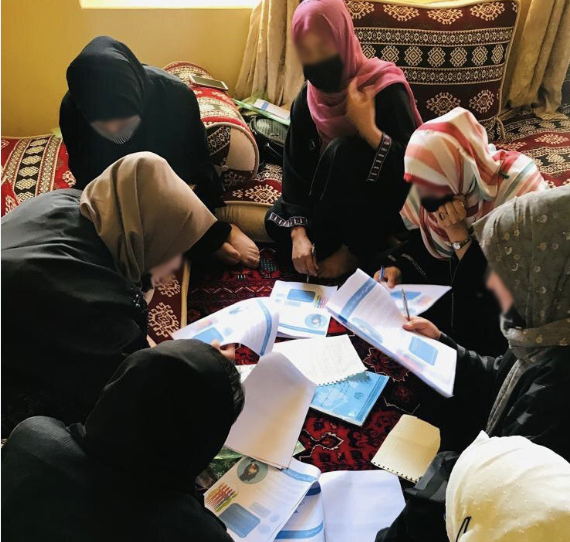
Women peacebuilders often operate in some of the world’s most dangerous contexts—yet the security support available to them is frequently fragmented, repetitive, and short-term. Recognizing the need for a fundamentally different approach, ICAN conducted a holistic security assessment of its Afghan partners, including members of the Women’s Alliance for Security Leadership (WASL). The result is the Holistic Security Menu: a co-designed, partner-driven model that provides practical and sustainable security support—on women peacebuilders’ […]
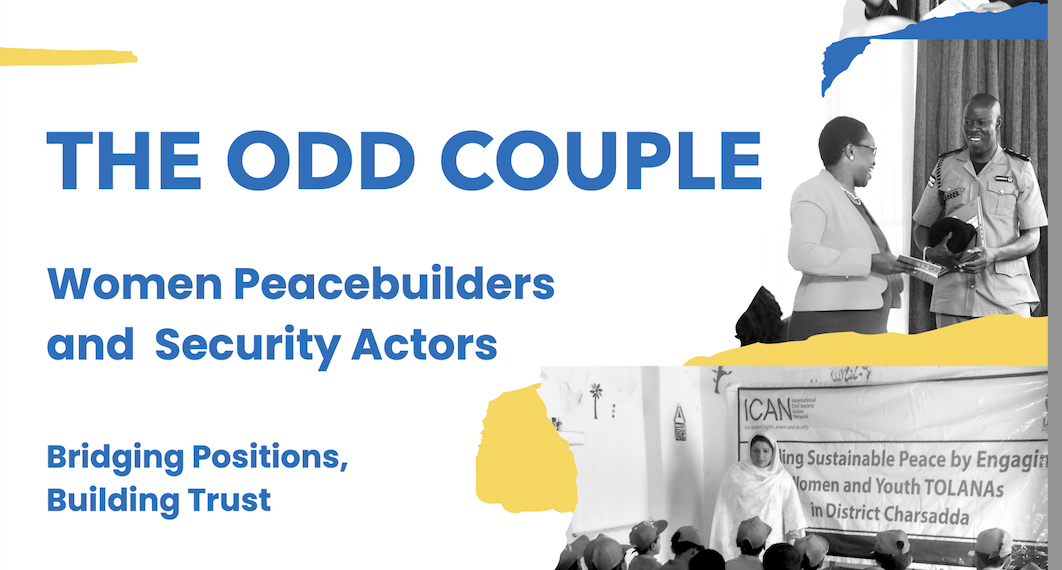
The Odd Couple: Women Peacebuilders and Security Actors Bridging Positions, Building Trust
The WPS agenda has proven a vital entry point for women peacebuilders to engage with the security sector and build trust within affected communities. These efforts—often invisible—are contributing to the reform of the sector, reshaping local security environments and mitigating violence.
The War Against Ourselves: Afghan Women Peacebuilders’ Response to the Mental Health Crisis in Afghanistan
This case study describes the drivers of the mental health crisis in Afghanistan, its gendered and cultural dimensions, and the strategies used by Afghan women-led peacebuilding organizations to provide solutions. The authors conducted interviews with representatives of Afghan women-led peacebuilding organizations and thematic experts, which were complemented by a desk review of project documentation and […]
Open Statement to the United Nations Security Council on behalf of Women Peacebuilders Marking 25 Years of the Women, Peace, and Security Agenda
On October 6, 2025, the U.N. Security Council holds its annual open debate on Resolution 1325 on Women, Peace, and Security. Today, we are not issuing a new statement. Instead, we are honoring our community of women peacebuilders—who appeared before the Security Council throughout these 25 years, speaking for the millions they represent—by echoing their messages.
Home»Stories»
A Home Away from Home: How Kareemat Supports Syrian Refugees’ Integration to Life in Kilis, Turkey
A Home Away from Home: How Kareemat Supports Syrian Refugees’ Integration to Life in Kilis, Turkey
08 June 2023
The ongoing war in Syria has resulted in the world’s largest refugee crisis with more than 13 million people forcibly displaced since the beginning of the conflict in 2011. The majority have sought refuge in neighboring Turkey, Lebanon, and Jordan. Turkey alone shelters around 3.6 million Syrians and is the world’s largest refugee-hosting country. Kilis, a Turkish border city, is the main point of entry from Syria and is home to around 200,000 Syrians, the largest percentage of migrants in Turkey.
Kareemat, a local women-led peacebuilding organization based in Kilis and partner of the International Civil Society Action Network (ICAN), serves a population of Syrian refugee women and their families, living in Turkey due to displacement from the war.
Displacement, Isolation, and Economic Hardships
Language barriers, discrimination and lack of social capital and networks hinder Syrians refugees’ chances of securing employment in host countries. This, combined with stress, trauma and unfamiliar social and cultural norms can prevent integration with local communities leading to isolation and vulnerability. The challenges faced by Syrian refugees have been exacerbated by the devastating effects of the earthquake in February 2023, elections and threats of deportation, and the economic crisis.
Najlaa Al-Sheikh, a Syrian activist, peacebuilder, and member of the Women’s Alliance for Security Leadership (WASL), is a driving force for the social and economic integration of Syrians in Kilis. As a Syrian refugee herself, Al-Sheikh had to flee her country in 2012 to escape the bombs and continuous threats. Having relocated to Turkey and faced with cultural challenges and economic hardships, in 2013 she founded Kareemat, a women’s community center, which helps Syrian women rebuild their lives and better integrate into Turkish society.
In particular, Kareemat’s projects support vulnerable Syrian refugee women, including widows, divorcees, women fleeing ISIS, and those who have been subjected to forms of injustice, exploitation, oppression and violence. Supporting Syrian women to cope with the challenges of displacement is a way for Al-Sheikh to process and heal her own trauma caused by the war. “I am not coming from a different environment. I am the daughter of this environment” she explains.
“I am not coming from a different environment. I am the daughter of this environment.” – Najlaa Al-Sheikh
Rebuilding Lives for Community Peace
Psychological support session, part of Kareemat’s mental health in peacebuilding project
Kareemat believes in peace, justice, and equal access to services so all members of society can live in dignity. By understanding the needs and challenges of Syrian refugees and helping strengthen their reputation within Turkish society, Kareemat seeks to reduce inter-communal tensions and promote social cohesion in host communities.
Funded by ICAN’s Innovative Peace Fund (IPF), in 2020 Kareemat initiated a project to provide psychological support, Turkish language classes and economic empowerment resources, to Syrians in Kilis.
Learning to Cope with Trauma and Distress
Al-Sheikh recognized that Syrian refugees’ ability to survive and integrate into host communities is highly dependent on whether they manage to cope constructively with the psychological effects of war and the refugee experience.
Since launching the project, Kareemat has provided psychosocial support sessions for women and children in at least 150 families. In tandem, Kareemat organized awareness and support sessions on pressing issues such as COVID-19 and domestic and gender-based violence.
Forming Bonds and Solving Tension through Shared Language
Turkish language proficiency is another crucial step towards integration, enabling refugees to access the local job market, receive basic services, and better engage with the host community. However, they are often hesitant to learn the language hoping their stay in Turkey is only temporary: “they were thinking that they would soon go back to Syria” explains Al-Sheikh.
By the end of 2022, Kareemat had encouraged more than 200 women to enroll in and successfully master conversational Turkish. Building a communication bridge enabled beneficiaries to form positive relationships with their Turkish landlords, better advocate for their children’s needs in schools, and communicate with doctors when accessing healthcare.
Empowering Women to Build Better Livelihoods
Kareemat has also capacitated at least 150 Syrian women with basic economic empowerment tools and computer literacy courses, leading to better economic and academic opportunities, a reduction in negative stereotypes of Syrian refugees, and increased leadership and communication skills. Graduates of the program have been able to complete online job applications and, when schools had to move to online schooling during COVID-19 lockdowns, were able to support their children’s learning.
One beneficiary, who previously worked as a sports coach, was able to begin giving sports lessons online, and another secured employment at Gaziantep University, inspiring some of her peers to also enroll in Kareemat’s courses. These success stories not only provide positive role models for Syrian girls, but also help build trusting relationship between Syrians and Turks.
Kareemat Turkish language course graduation
Investing in Trust
Besides providing monetary support for Kareemat’s projects, ICAN assists with building its institutional capacities through technical support in proposal writing, monitoring and evaluation, strategic planning, reporting and financial management. ICAN’s primary goal is to provide Kareemat with the tools they need to be sustainable and maximize impact. Crucially the relationship between Kareemat and ICAN is built on trust, respect and partnership; Al-Sheikh explains: “Other organizations impose their agendas on us, ICAN does not, it listens to our needs.”
In December 2022, ICAN’s IPF Program Director, France Bognon, and M&E Consultant, Randa Yassir, visited the Kareemat team in Kilis to help develop an organizational theory of change to strengthen new projects ideas and recruit donors.
During the visit, Bognon witnessed first-hand the impressive influence Kareemat has had on supporting the social and emotional development of many young Syrian women, while navigating the strict cultural norms that constrain them. Kareemat has thought creatively and strategically on how to engage Syrian men – the husbands, fathers and sons of the women – to get their acceptance and buy in for these projects. As a result of their community engagement, the Kareemat Center has become not just a place where people come to learn a new skill, but a safe space for Syrian women and children
“Other organizations impose their agendas on us, ICAN does not, it listens to our needs.” – Najlaa Al-Sheikh
Setting an Example and Expanding the Reach
Inspired by Kareemat’s successes, Kilis municipality has opened 11 more centers which provide similar services for Turkish and Syrian women. The fact that their model has been replicated by other public entities is recognition of the immense value and efficacy of Kareemat’s work. As is the fact that the Turkish government uses them as a resource for reaching and disseminating information to Syrian refugee populations and for conflict mediation between Syrians and Turks.
When the earthquake devastated communities in Turkey and Syria in February, the Kareemat team, who were themselves severely impacted, courageously regrouped and mobilized resources and aid for people in need. In addition to emergency supplies, they provided mental health support services. Kareemat’s immediate interventions, which served equally Turks and Syrians, created new entry points for trust and relationship building between these two populations.
Looking to the future, Kareemat aims to capitalize on this trust building to further address issues of exclusion and reduce overall community conflict by engaging Turkish and Syrian youth in conflict-mediation.
On October 6, 2025, the U.N. Security Council holds its annual open debate on Resolution 1325 on Women, Peace, and Security. Today, we are not issuing a new statement. Instead, we are honoring our community of women peacebuilders—who appeared before the Security Council throughout these 25 years, speaking for the millions they represent—by echoing their messages.
ICAN FeaturedICAN LatestICAN UpdatesWASL UpdatesWomen's Alliance for Security Leadership
In South Sudan, a nation where peace has long remained fragile and democratic progress uncertain, women are stepping forward to shape the future of their country. Long excluded from the corridors of power, they are forging their own movement for lasting change.
On behalf of the International Civil Society Action Network (ICAN) and members of the global Women’s Alliance for Security Leadership (WASL), we are honored to nominate Francesca Albanese, United Nations Special Rapporteur on the situation of human rights in the Palestinian territories occupied since 1967, for the 2026 Nobel Peace Prize.
در عرصه صحت روانی، افغانستان با بحران پیچیدهای مواجه است که این بحران به طور جدایی ناپذیر با ناامنی شدید فیزیکی، سیاسی و اقتصادی در کشور گره خورده و این نا امنی ها بحران را تشدید میکند. برای رسیدگی به آسیب های روانی، صحت و بهداشت جامعه به شیوه های پاسخگو به جنسیت و با مد نظر گرفتن حساسیت های فرهنگی، سازمانهای فعال در عرصه صلح سازی به رهبری زنان افغان در موقعیتی منحصربه فرد قرار دارند. این سازمان ها خدمات ابتدایی ارائه میدهند، مهارتها را توسعه میبخشند و در شکلدهی هنجارهای فرهنگی و جنسیتی نقش مؤثر ایفا میکنند.
ICAN FeaturedICAN LatestICAN UpdatesWASL UpdatesWomen's Alliance for Security LeadershipWPSO
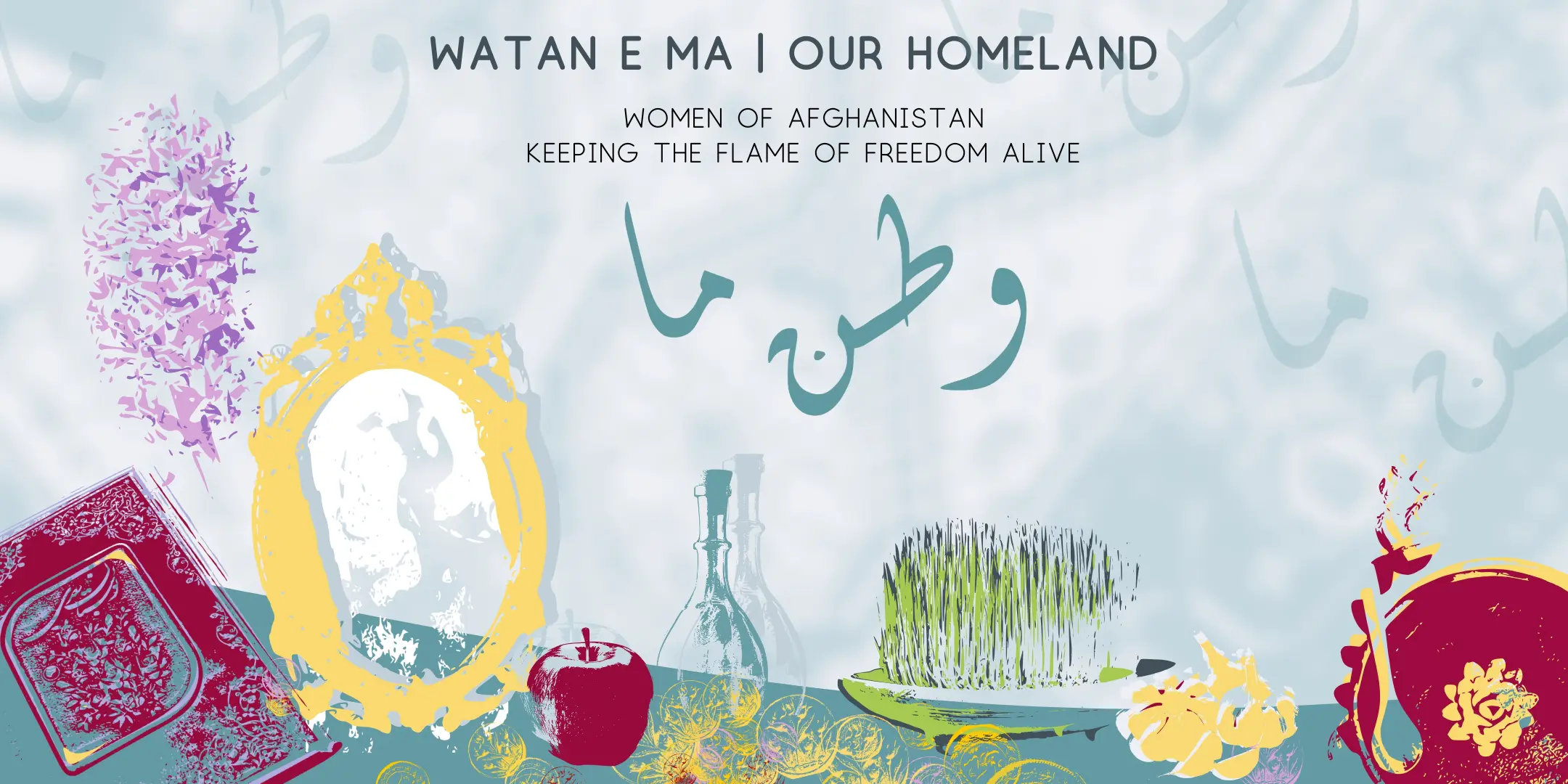
In a powerful departure from traditional advocacy, ICAN—guided by our Afghan partners and women peacebuilders—hosted the event “Watan e Ma – وطن ما – Our Homeland: Women of Afghanistan Keeping the Flame of Freedom Alive” on March 17, 2025 at Blue Gallery in New York City. Held during the 69th Commission on the Status of Women (CSW69), the event celebrated Afghan cultural heritage and the resilience of Afghan women peacebuilders, who persist in their leadership for peace, justice, and equality under the Taliban’s regime of gender apartheid.
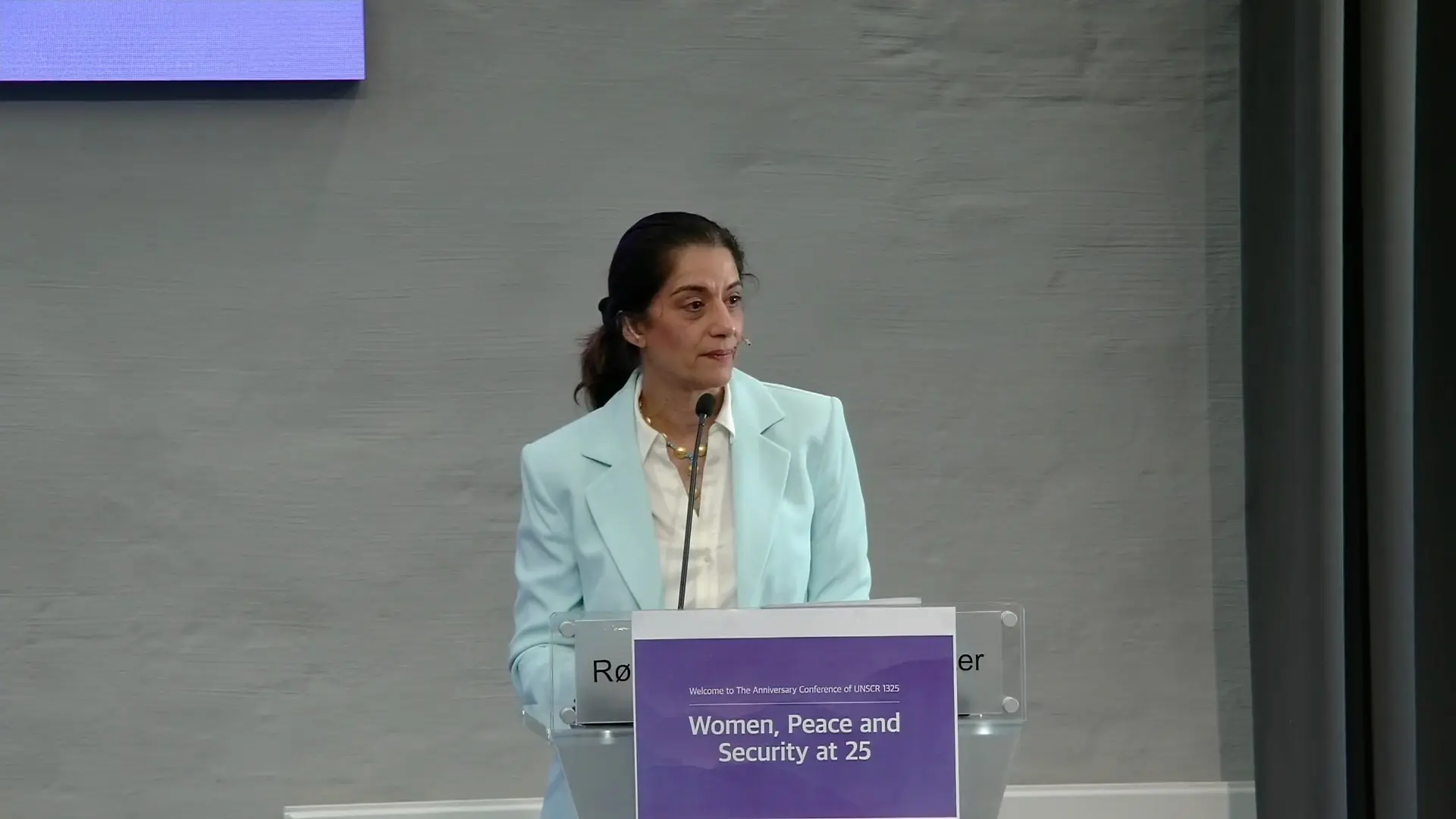
On May 5, 2025, ICAN's Sanam Naraghi Anderlini delivered the keynote speech at the two-day international conference "25th Anniversary Conference of UNSCR 1325 Women, Peace and Security."
As Senator Mobina Jaffer concludes 23 years of distinguished public service in the Canadian Senate, we extend our deepest thanks for her steadfast leadership as Chair of ICAN’s Board of Directors from 2014 to 2024.
Together with André Mundal, our new Interim Chair of the ICAN Board of Directors, we are delighted to welcome two new members to our Board of Directors.
Trust between communities and the security sector is critical for effective governance and peace. So is a vibrant civil society. When women peacebuilders are recognized and engaged as independent, strategic partners and security actors—in their own right—the results are transformative. Twenty-five years on from the launch of the WPS agenda, women peacebuilders’ creativity and contributions to societal peace and security are not only timely, they are even more essential.
Allamin FoundationAWAPSAAWAWBetter Peace InitiativeCIASECoACTGEN MyanmarGender and ExtremismsICAN FeaturedICAN LatestICAN UpdatesPAIMANPCIDWASL UpdatesWomen's Alliance for Security Leadership
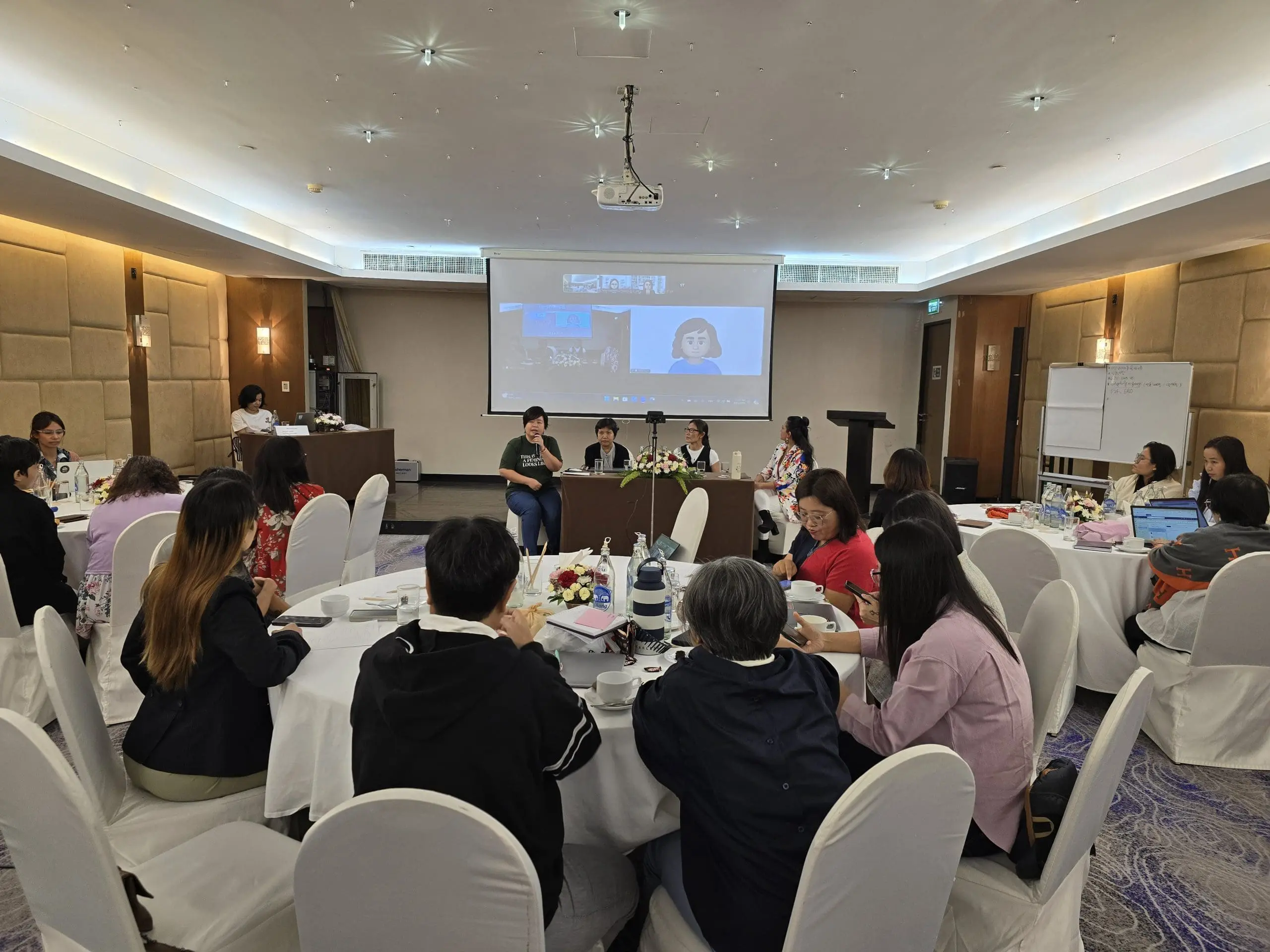
Since gaining independence in 1948, Myanmar has been shaped by relentless conflict, political upheaval, and deep-seated resistance. Ethnic divisions, decades of military rule, and systemic gender inequality have compounded the struggles faced by women across the country. Yet, despite oppression and violence, Myanmar’s women have consistently led movements for justice and change, standing at the forefront of resistance.