Countering Extremism in Iraq: A New Horizon for Peace
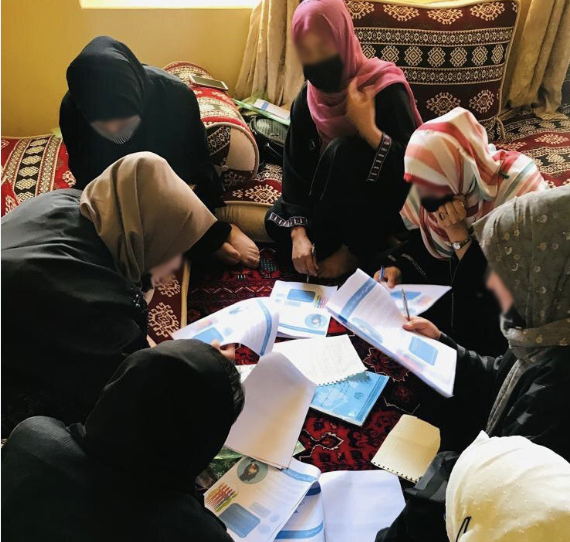
Iraqi Al-Firdaws Society (Al-Firdaws) is taking a new approach to peacebuilding. Their project, Horizon: Promoting Community Peace, supported by ICAN’s Innovative Peace Fund (IPF), brings together youth, local security forces, and civil society actors to address violent extremism through dialogue, education, and community-based action.
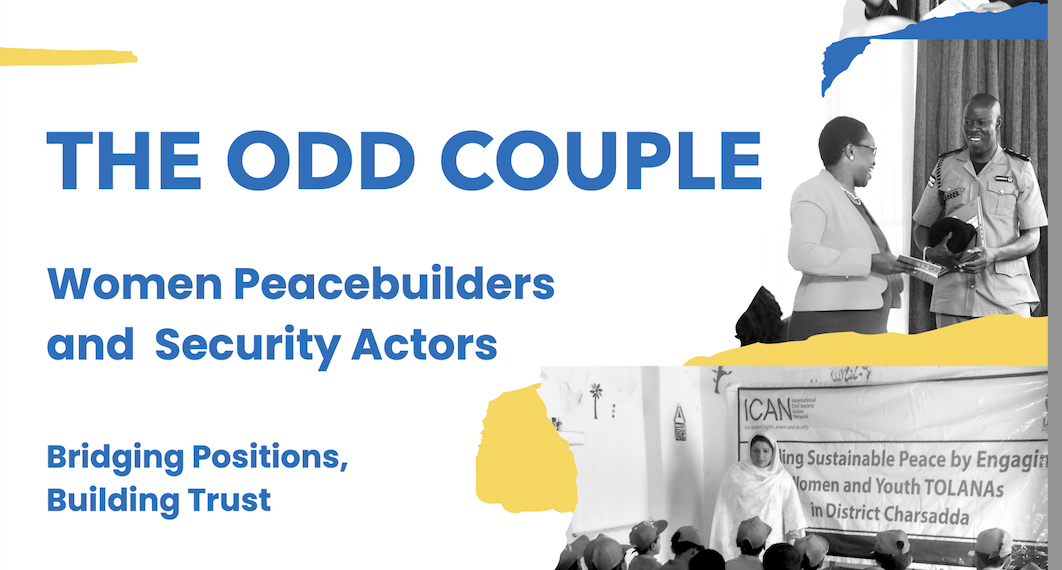
The Odd Couple: Women Peacebuilders and Security Actors Bridging Positions, Building Trust
The WPS agenda has proven a vital entry point for women peacebuilders to engage with the security sector and build trust within affected communities. These efforts—often invisible—are contributing to the reform of the sector, reshaping local security environments and mitigating violence.
The War Against Ourselves: Afghan Women Peacebuilders’ Response to the Mental Health Crisis in Afghanistan
This case study describes the drivers of the mental health crisis in Afghanistan, its gendered and cultural dimensions, and the strategies used by Afghan women-led peacebuilding organizations to provide solutions. The authors conducted interviews with representatives of Afghan women-led peacebuilding organizations and thematic experts, which were complemented by a desk review of project documentation and […]
Open Statement to the United Nations Security Council on behalf of Women Peacebuilders Marking 25 Years of the Women, Peace, and Security Agenda
On October 6, 2025, the U.N. Security Council holds its annual open debate on Resolution 1325 on Women, Peace, and Security. Today, we are not issuing a new statement. Instead, we are honoring our community of women peacebuilders—who appeared before the Security Council throughout these 25 years, speaking for the millions they represent—by echoing their messages.
Home»Stories»
“We Rise for a Peaceful South Sudan”: The Role of Women in Shaping Post-War South Sudan
“We Rise for a Peaceful South Sudan”: The Role of Women in Shaping Post-War South Sudan
30 January 2024
This article was based on an interview with Concy Dianah, Program Coordinator at Women Relief Aid (WRA), and an on-site visit to WRA in Juba, South Sudan by ICAN Program Directors France Bognon and Helena Gronberg.
South Sudan’s brutal civil war formally ended in February 2020, following the signing of the Revitalized Agreement on the Resolution of the Conflict in the Republic of South Sudan (R-ARCSS) one and a half years earlier. Despite this, violence persists, and South Sudanese women continue to face the burden of the prolonged civil conflict. The R-ARCSS has not effectively addressed the root causes of the conflict, and women find their concerns and interests sidelined in the peace process.
“When women rise, we all rise, we rise for a peaceful South Sudan!”
– Doreen, WRA Project Beneficiary
Compounding Struggles: Violence and Marginalization
South Sudan’s devastating civil war resulted in the death of an estimated 400,000 people and displaced over four million. The country also faces a dire humanitarian crisis. Despite the official end to the conflict, the security situation in South Sudan remains highly insecure with intercommunal violence and attacks threatening to undo fragile steps towards peace. Women and girls bear the brunt, with up to 65% South Sudanese women having experienced sexual or physical violence, according to the International Rescue Committee.
Young women are uniquely placed within this dynamic. They are most likely to be victims of violence and are connected to the most prominent drivers of inter-communal conflict, including cattle raiding to pay for high dowries, sexual and gender-based violence (SGBV), and land disputes around inheritance laws.
South Sudan Civil War and Pursuit of Peace: Timeline
2011: South Sudan gains its independence from Sudan.
2013: A power struggle between President Salva Kiir and Vice President Riek Machar leads to a civil war.
2014: The warring parties reach a ceasefire agreement in Addis Ababa, Ethiopia, but it quickly breaks down. Both sides engage in peace talks under the mediation of the Intergovernmental Authority on Development (IGAD).
2015: The parties sign the Agreement on the Resolution of the Conflict in the Republic of South Sudan (ARCSS) leading to a temporary pause in the fighting. Fighting reignites within a few months.
2018: New efforts at peace negotiations result in the Revitalized Agreement on the Resolution of the Conflict in the Republic of South Sudan (R-ARCSS).
2020: In accordance with the R-ARCSS, the Transitional Government of National Unity of South Sudan is established in Juba, formally ending the civil war.
2024: The government is unable to fully implement the R-ARCSS and widespread violence persists.
“Women shy away from reporting, even during armed conflict; a woman is raped, and she is not supposed to say. You don’t have access to find justice or resolve issues because you are a woman.”
– Concy Dianah, WRA
Globally, abundant evidence shows that women’s participation in peace processes and political decision-making at local and national levels leads to safer, more inclusive societies.
Genuine progress towards peace in South Sudan relies on an urgent and dedicated commitment to fulfilling the terms and milestones of the R-ARCSS and the meaningful inclusion of women. Yet, women continue to be underrepresented and excluded from national, state, and community peace efforts.
At the national level, women’s representation consistently falls below the 35% minimum commitment laid out in the R-ARCSS. Meanwhile, at the state and community level there is little awareness of the 35% requirement, “and if they do know, it is not practiced,” explains Concy Dianah. “Girls and women have no voice in family meetings, community gatherings, or community dialogues,” she adds.
“The mindset…makes it so hard for women in leadership at the local level where most of the challenges, insecurities, and conflicts happen. Women are not represented.”
– Concy Dianah, WRA
Cultural and traditional norms which prevent women’s participation are compounded by the burden of providing for their families and low literacy rates, with girls’ education considered “taboo” in some South Sudanese states. A lack of access to information and resources also means South Sudanese women are largely unaware of the contributions they can make to sustainable peace.
“For justice to prevail we need representation of women.”
– Concy Dianah, WRA
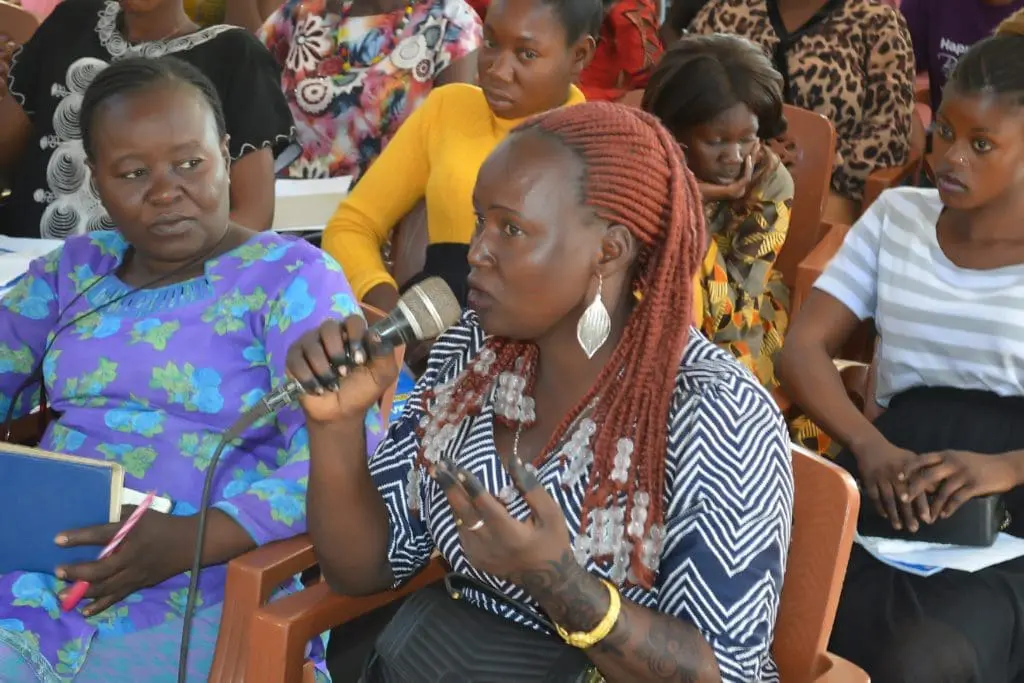
A community dialogue meeting with local community members of Magwi County Eastern Equatoria State
“Peace Starts with a Person”: Reaching the Grassroots
WRA’s project was funded under WPHF’s rapid response mechanism (Rapid Response Window), which aims to address the diverse barriers to women’s meaningful participation in the implementation of a peace agreement. With this grant from ICAN and WPHF, WRA is strengthening the capacity of young women leaders and groups from marginalized communities to actively contribute to peacebuilding initiatives that reinforce the values of the R-ARCSS. Their team used the grant to train 40 young women in peacebuilding and 50 young women in peace mediation from across all 10 states of South Sudan, on topics including conflict resolution, conflict management, and community mediation.
“We learned how to be peaceful members of our communities – you cannot build peace when you do not have peace…Peace starts with a person.”
– Anna, WRA Project Beneficiary
By transforming societal attitudes and behaviors about women’s roles in peace and security, WRA aims to create a more accepting, conducive environment for their participation. At the national and state level, WRA held stakeholder orientation meetings and conducted advocacy visits to the R-ARCSS committee and state peace committees on young women’s roles in peacebuilding. They also organized a national peace festival, engaging more than 300 individuals on the importance of inclusivity, equal participation, peace, and gender equality, through cultural activities.
To spread their message to the grassroots, WRA conducted rural outreach programs and held orientation meetings with local stakeholders. They also conducted several intergenerational forums with South Sudanese community-based organizations to identify gaps and challenges for the inclusion of young people in decision-making. Crucially, these spaces enabled members of different generations to collaborate, share lessons, and initiate mentorships.
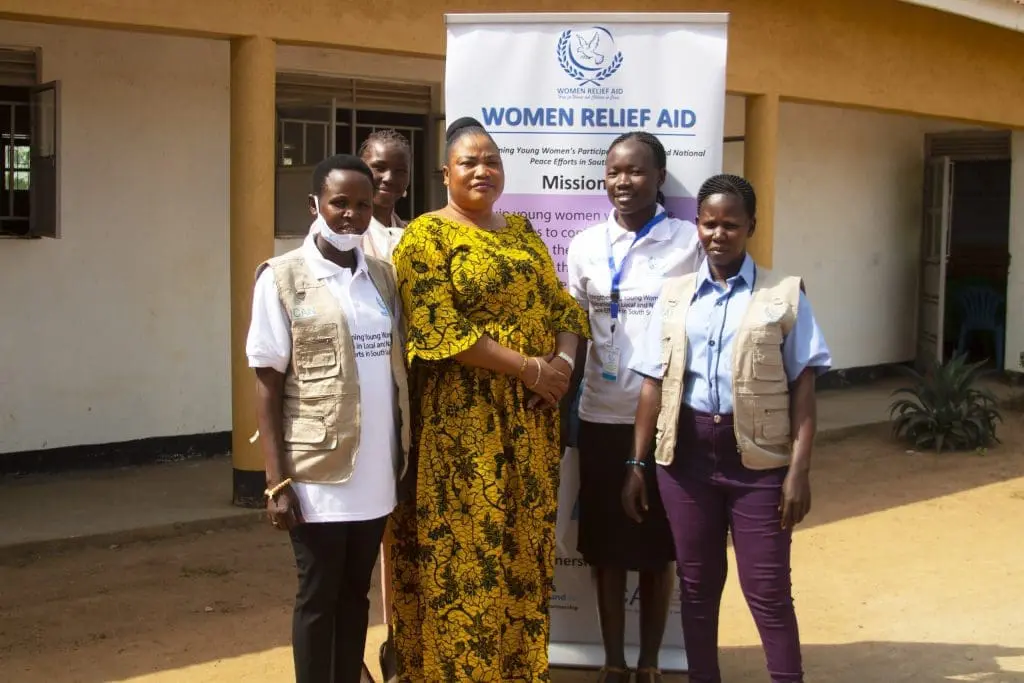
Women Relief Aid staff center ICAN Program Director right and WPHFRRW Focal Person left during a radio talk show hosted by UNMISSs Radio Miraya Juba StationParticipant at the CBOCSO forum in Yambio Western Equatoria StateCBO forum on the roles of local CBOsCSOs in community peace initiatives in Wau County Western Bahr El Ghazel StateWRA staff a facilitator and the State Minister of Gender Child and Social Welfare after she officially opened the training of 50 young women peace mediators in Torit County Eastern Equatoria State
“The Nation Belongs to Us”: Stepping Up to Lead
WRA has made a significant impact on raising awareness and engaging young South Sudanese women in understanding their roles in peacebuilding. Project beneficiaries repeatedly described feeling empowered by the knowledge they had gained and inspired to use their voices to advocate for their own rights and for others. They also felt compelled to transfer this knowledge in their communities by organizing their own training sessions, dialogues, and drama-tellings, generating a multiplier effect.
“We will apply the knowledge in our communities, using informal community dialogues to share skills with [other] women to solve community level issues.”
– Mary, WRA Project Beneficiary
The initiatives have had a tangible impact on women’s participation in decision-making. Project beneficiaries have sought out spaces to lead at the boma (the lowest-level administrative division, equivalent to a village) and payam (the second-lowest administrative division in South Sudan, below counties) levels.
For example, WRA focused its advocacy efforts on women’s participation in community meetings and brought several graduates of WRA’s programming to participate alongside local leaders and chiefs over land disputes and grazing issues. These gatherings serve as crucial forums for resolving intercommunal conflicts, particularly those between cattle raiders and farmers, ensuring fair resolutions and compensations. Given that a significant portion of farmers, grappling with the challenges of providing for their families, are women, it is essential that they can represent and speak for themselves and not be boycotted by male relatives or community leaders.
One participant of WRA’s peace mediation training went on to be elected as boma chief in Torit County, a notable achievement given that local chiefs have historically been men. When other localities saw her success, they followed suit. Now, more than four states have female chiefs in payams and bomas.
“They [female chiefs] have a lot of influence at the community level… they know the problems and are always present in every community dialogue, conflict resolution, or compensation meeting.”
– Concy Dianah, WRA
WRA has used media programming to amplify the results of their efforts to a wider audience and increase the credibility of women as leaders for positive change. Upon recognizing the success of WRA projects, the United Nations Mission in South Sudan (UNMISS) granted the organization bi-monthly free access to its radio station. Leveraging this key platform within South Sudanese society, WRA has organized more than 60 radio talk shows featuring young women participants from the trainings, reaching an audience of over 12,000 listeners across the states. During their visit to South Sudan in June 2023, ICAN’s France Bognon and WPHF’s Cherine Aly were hosted on the radio talk show to discuss WRA’s project implementation and funding opportunities for South Sudanese women’s organizations. WRA has also developed social media campaigns and conducted two TV talk shows.
Cultivating a South Sudanese Women’s Peace Movement
The proudest achievement of the organization is its pivotal role in fostering coalition building among women-led organizations in South Sudan. Empowered by WRA’s peacebuilding training, individuals joined forces to form national women’s alliances, collectively championing their inclusion in decision-making and leadership roles. Collaborative efforts, such as the Women Arise Network, focus on ensuring the full implementation of the R-ARCSS across critical sectors, including the constitutional-making process, truth and reconciliation efforts, and the electoral commission.
“After this training, women started a small coalition of young grassroots organizations to amplify their impact. South Sudanese women at the grassroots now know that there are other women out there fighting for them.”
– Doreen, WRA Project Beneficiary
Through their grassroots initiatives, WRA has created a platform for connection, encouragement, and advocacy among South Sudanese women peace advocates, especially the youth. They boast a strong and broad network across all states, can easily and quickly share and receive information, and jointly lobby for more resources, capacity building and representation in different spaces.
A Holistic Approach to Building South Sudan’s Future
“Women have been isolated because they do not have enough money. If you do not have money, they [male leaders] will not value the point you have.”
– Jully, WRA Project Beneficiary
Since its founding in 2018, WRA has carried out a range of interventions, from humanitarian assistance for women’s sexual and reproductive health and rights to supporting education and livelihoods projects. Concy Dianah stressed the importance of holistic support for humanitarian, development, and peace efforts when reaching marginalized segments of South Sudanese society. “In order to be heard, and to get recognition you also need to be empowered economically,” she explained. She emphasized the need for young South Sudanese women to be empowered with skills, knowledge, and capital alongside peacebuilding training.
“WRA is all about ‘we,’ the young people. We have been isolated, but WRA has really listened, asking what our challenges are, and then they build with us.”
– Jully, WRA Project Beneficiary
Looking to the future, WRA aims to capitalize on the peace movement that is spreading among young South Sudanese women. Following this project, the organization is quickly gaining national attention and forging new connections with partners and donors within the country and internationally. To continue to amplify WRA’s successes and aspirations, ICAN and WPHF seek to provide flexible and holistic funding based on trust, knowing that the WRA team will continue to make the greatest impact when given the space to respond to changing circumstances.
“The ICAN team [through the WPHF partnership] has made WRA known to many other donors… it’s given us a big platform to have more partners and exposure inside South Sudan and outside.”
– Concy Dianah, WRA
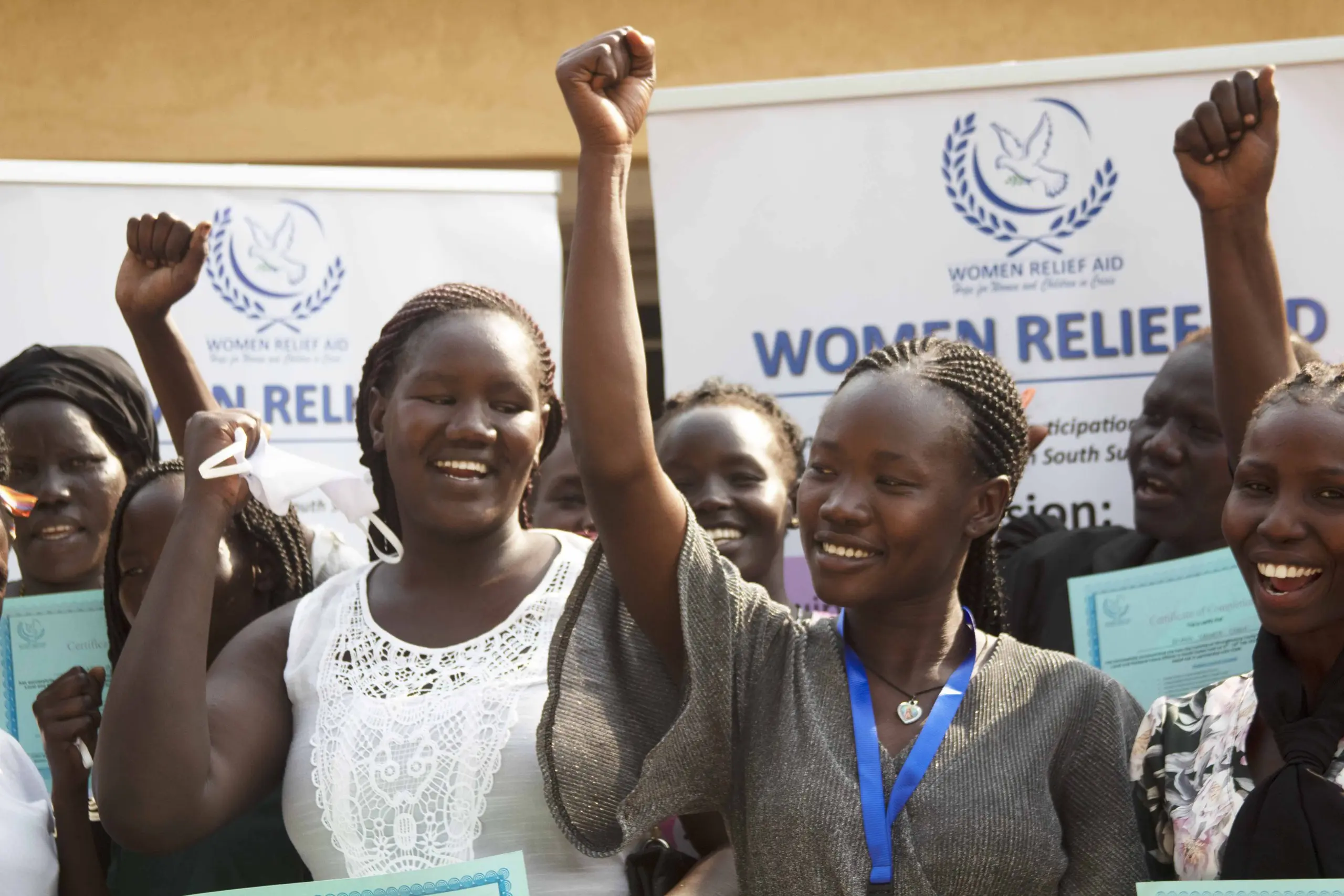
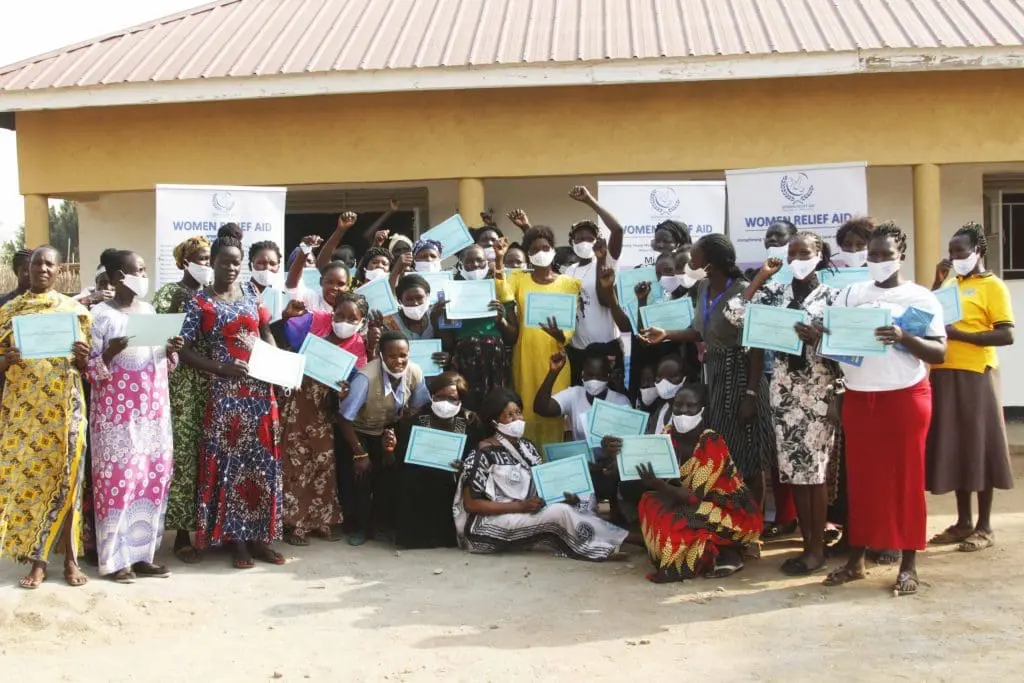
Women Relief Aid staff women and local chiefs after the women peace mediators training in Torit County Eastern Equatoria State
On October 6, 2025, the U.N. Security Council holds its annual open debate on Resolution 1325 on Women, Peace, and Security. Today, we are not issuing a new statement. Instead, we are honoring our community of women peacebuilders—who appeared before the Security Council throughout these 25 years, speaking for the millions they represent—by echoing their messages.
ICAN FeaturedICAN LatestICAN UpdatesWASL UpdatesWomen's Alliance for Security Leadership
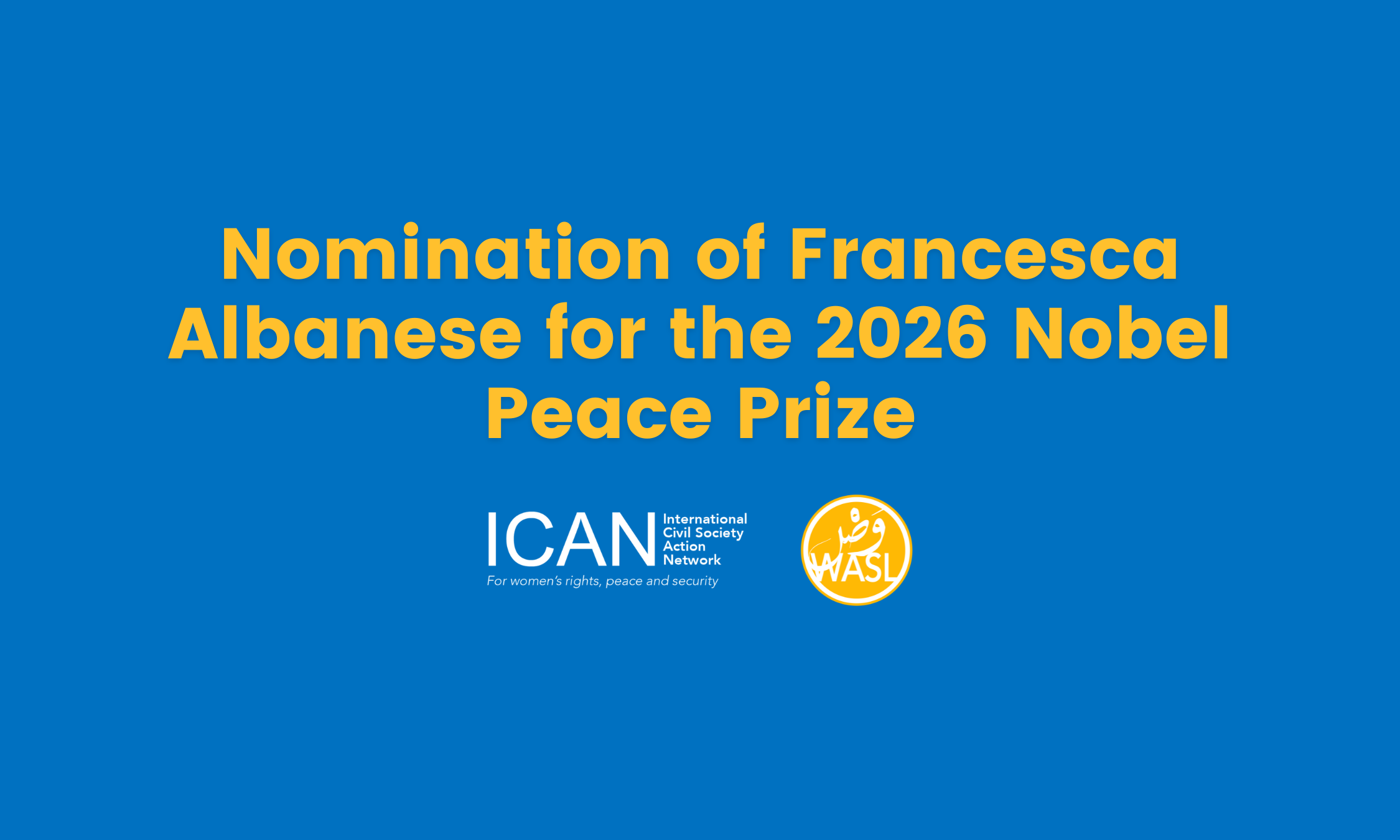
On behalf of the International Civil Society Action Network (ICAN) and members of the global Women’s Alliance for Security Leadership (WASL), we are honored to nominate Francesca Albanese, United Nations Special Rapporteur on the situation of human rights in the Palestinian territories occupied since 1967, for the 2026 Nobel Peace Prize.
در عرصه صحت روانی، افغانستان با بحران پیچیدهای مواجه است که این بحران به طور جدایی ناپذیر با ناامنی شدید فیزیکی، سیاسی و اقتصادی در کشور گره خورده و این نا امنی ها بحران را تشدید میکند. برای رسیدگی به آسیب های روانی، صحت و بهداشت جامعه به شیوه های پاسخگو به جنسیت و با مد نظر گرفتن حساسیت های فرهنگی، سازمانهای فعال در عرصه صلح سازی به رهبری زنان افغان در موقعیتی منحصربه فرد قرار دارند. این سازمان ها خدمات ابتدایی ارائه میدهند، مهارتها را توسعه میبخشند و در شکلدهی هنجارهای فرهنگی و جنسیتی نقش مؤثر ایفا میکنند.
ICAN FeaturedICAN LatestICAN UpdatesWASL UpdatesWomen's Alliance for Security LeadershipWPSO
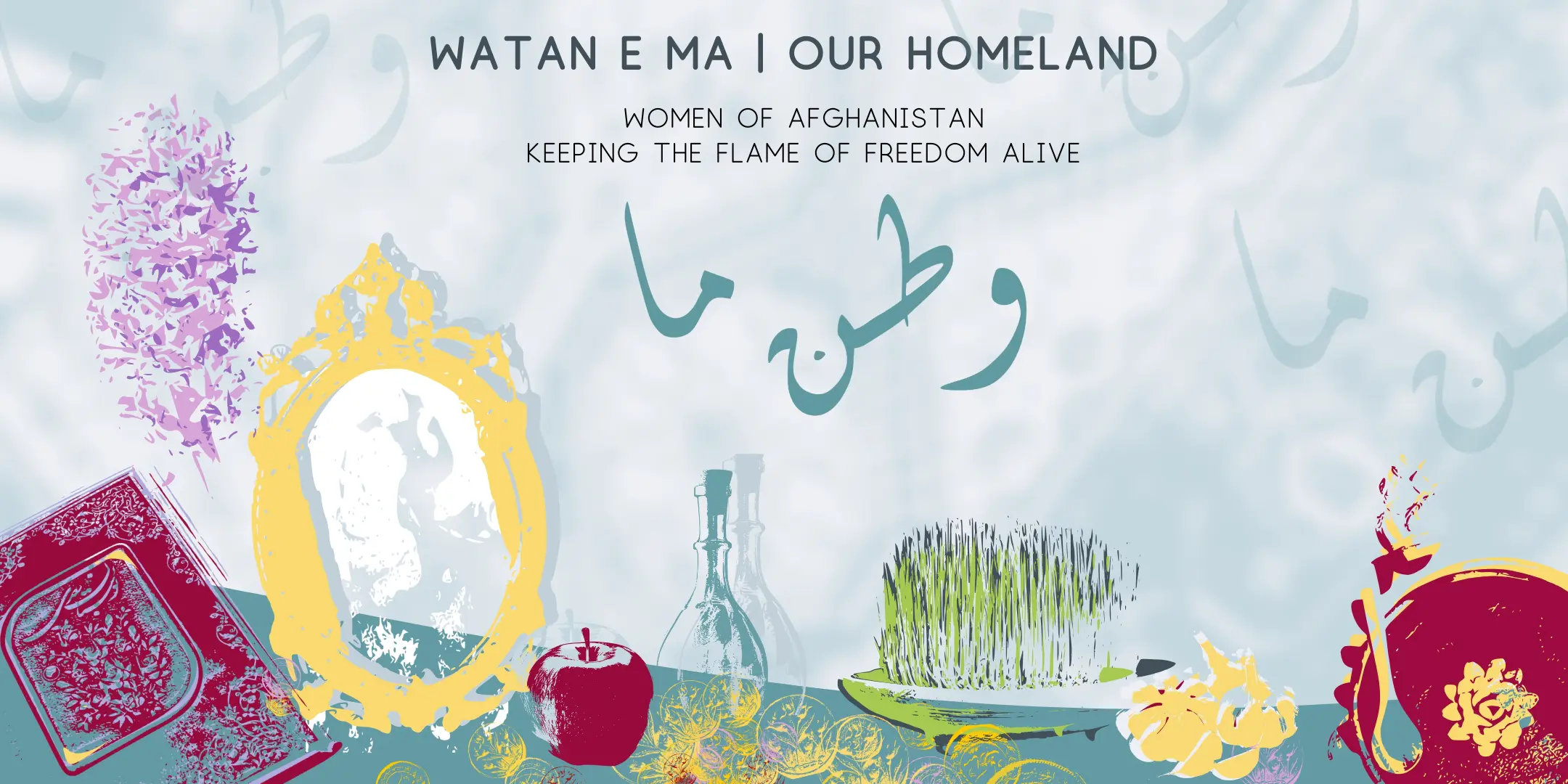
In a powerful departure from traditional advocacy, ICAN—guided by our Afghan partners and women peacebuilders—hosted the event “Watan e Ma – وطن ما – Our Homeland: Women of Afghanistan Keeping the Flame of Freedom Alive” on March 17, 2025 at Blue Gallery in New York City. Held during the 69th Commission on the Status of Women (CSW69), the event celebrated Afghan cultural heritage and the resilience of Afghan women peacebuilders, who persist in their leadership for peace, justice, and equality under the Taliban’s regime of gender apartheid.
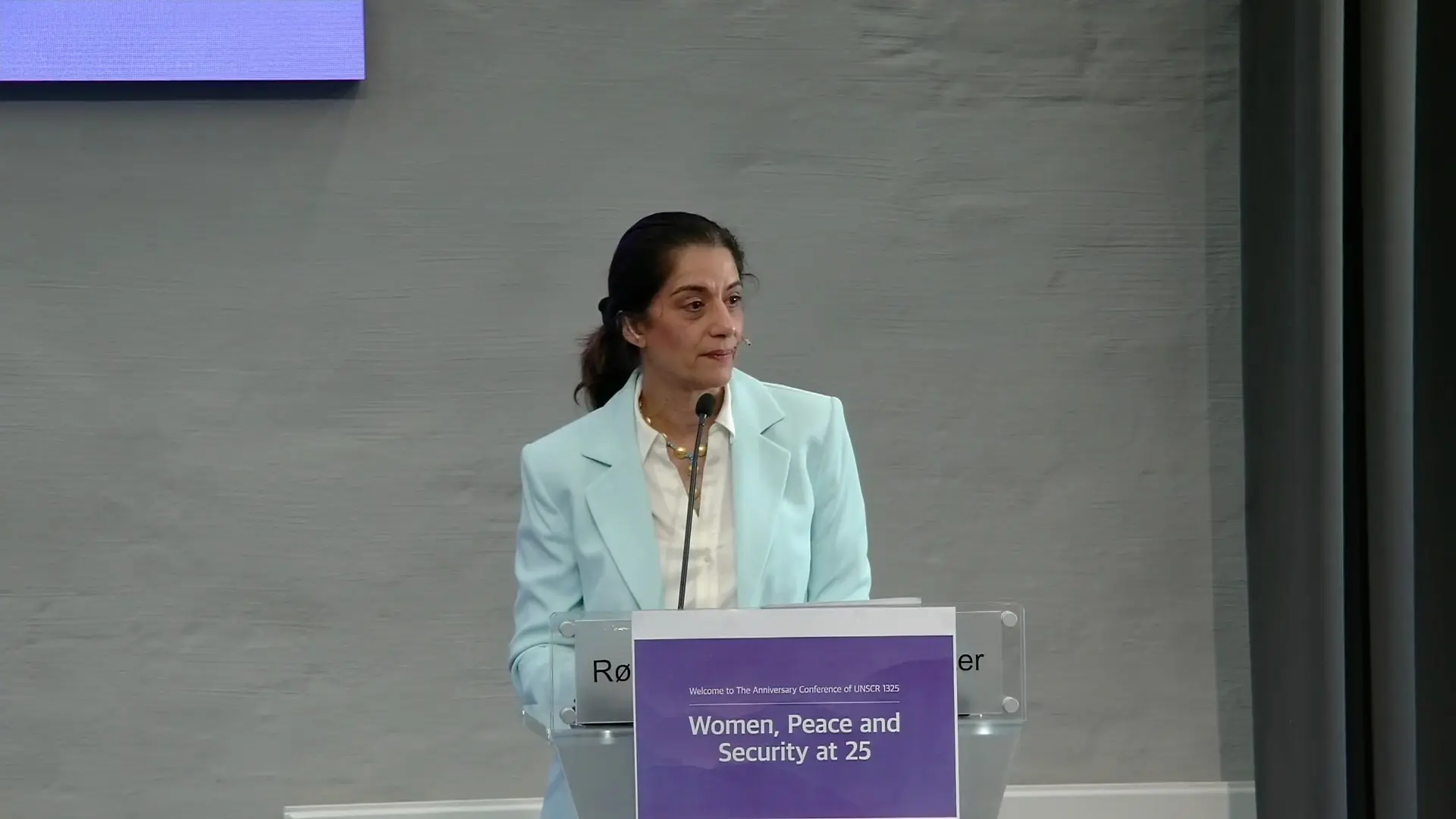
On May 5, 2025, ICAN's Sanam Naraghi Anderlini delivered the keynote speech at the two-day international conference "25th Anniversary Conference of UNSCR 1325 Women, Peace and Security."
As Senator Mobina Jaffer concludes 23 years of distinguished public service in the Canadian Senate, we extend our deepest thanks for her steadfast leadership as Chair of ICAN’s Board of Directors from 2014 to 2024.
Together with André Mundal, our new Interim Chair of the ICAN Board of Directors, we are delighted to welcome two new members to our Board of Directors.
Trust between communities and the security sector is critical for effective governance and peace. So is a vibrant civil society. When women peacebuilders are recognized and engaged as independent, strategic partners and security actors—in their own right—the results are transformative. Twenty-five years on from the launch of the WPS agenda, women peacebuilders’ creativity and contributions to societal peace and security are not only timely, they are even more essential.
Allamin FoundationAWAPSAAWAWBetter Peace InitiativeCIASECoACTGEN MyanmarGender and ExtremismsICAN FeaturedICAN LatestICAN UpdatesPAIMANPCIDWASL UpdatesWomen's Alliance for Security Leadership
Afghanistan is facing a complex mental health crisis inextricably linked with and compounding the dire state of physical, political, and economic insecurity in the country. Afghan women-led peacebuilding organizations are uniquely positioned to address community members’ health and wellness in gender-responsive, culturally- sensitive, and trauma-informed ways.
ICAN FeaturedICAN LatestICAN UpdatesWASL UpdatesWomen's Alliance for Security LeadershipWPSO
As the Women’s Alliance for Security Leadership (WASL) continues to expand globally, fostering stronger regional and national networks, we are excited to announce the formation of the first-ever WASL Steering Committee.