ICAN’s Mission Five Steps for Sustainable Prevention of Sexual Violence in Conflict ICAN Partner AWAPSA: A Catalyst for Kenya’s First SGBV Court The War Against Ourselves: Afghan Women Peacebuilders’ Response to the Mental Health Crisis in Afghanistan Protecting Women Peacebuilders: The Front Lines of Sustainable Peace
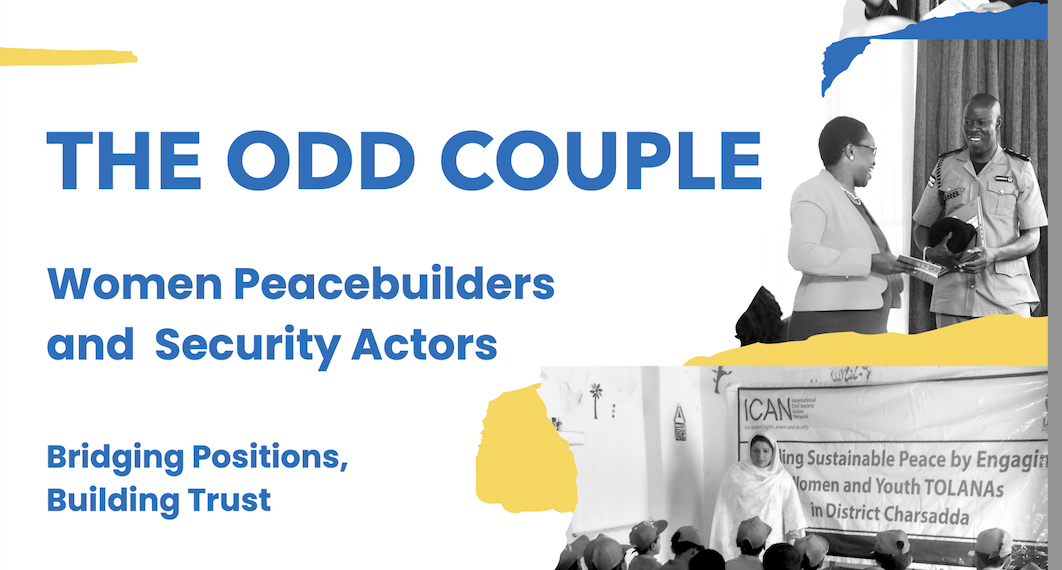
The Odd Couple: Women Peacebuilders and Security Actors Bridging Positions, Building Trust
The WPS agenda has proven a vital entry point for women peacebuilders to engage with the security sector and build trust within affected communities. These efforts—often invisible—are contributing to the reform of the sector, reshaping local security environments and mitigating violence.
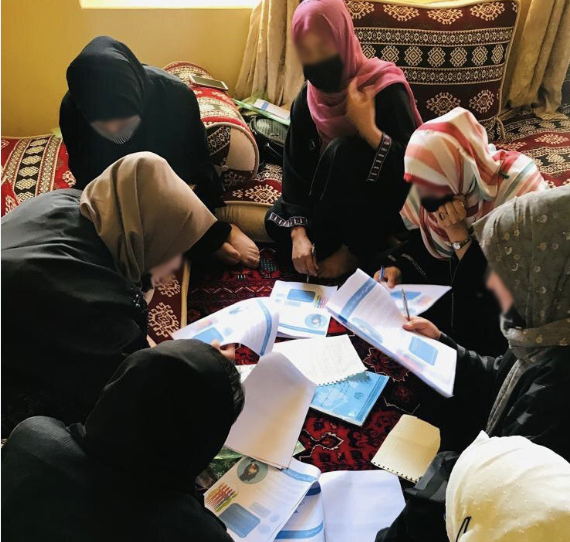
The War Against Ourselves: Afghan Women Peacebuilders’ Response to the Mental Health Crisis in Afghanistan
This case study describes the drivers of the mental health crisis in Afghanistan, its gendered and cultural dimensions, and the strategies used by Afghan women-led peacebuilding organizations to provide solutions. The authors conducted interviews with representatives of Afghan women-led peacebuilding organizations and thematic experts, which were complemented by a desk review of project documentation and […]
Open Statement to the United Nations Security Council on behalf of Women Peacebuilders Marking 25 Years of the Women, Peace, and Security Agenda
On October 6, 2025, the U.N. Security Council holds its annual open debate on Resolution 1325 on Women, Peace, and Security. Today, we are not issuing a new statement. Instead, we are honoring our community of women peacebuilders—who appeared before the Security Council throughout these 25 years, speaking for the millions they represent—by echoing their messages.
Home»Stories»
“Female Voices for Peace” Strengthening Women’s Political Participation and Leadership in Colombia
“Female Voices for Peace” Strengthening Women’s Political Participation and Leadership in Colombia
21 June 2024
The Colombian Government signed the Final Agreement for a Stable and Lasting Peace in 2016, ending a decades-long armed conflict with the Revolutionary Armed Forces of Colombia (FARC). Women played a pivotal role in creating the agreement, advocating for gender-inclusive provisions and highlighting the conflict’s disproportionate impact on women and girls.
Established in 1991, Corporación Conciudadanía (hereafter Conciudadanía) is a civil society organization dedicated to promoting active citizenship and women’s empowerment, political participation, and inclusion in decision-making bodies in Colombia.
With funding from the United Nations Women’s Peace and Humanitarian Fund (WPHF) Rapid Response Window (RRW) and technical support from the International Civil Society Action Network (ICAN), Conciudadanía carried out “Female Voices for Peace,” a project to promote women’s political participation and raise awareness about the issues, interests, and needs of women in the department of Antioquia in northwestern Colombia.
Political Tensions, Exclusion, and Insecurity in Antioquia
In the department of Antioquia, Conciudadanía navigates a context of evolving political and cultural tensions, persisting illegal activities of armed groups, and security risks.
Despite progress made under the peace agreement and women’s prominent role in community organizations, women in Antioquia face multiple barriers and obstacles when moving from social to political leadership. These challenges include traditional gender roles that prioritize family duties over politics, gender-based violence, and threats of violence and intimidation from armed groups. Limited access to political campaign resources, underrepresentation in decision-making bodies and political parties, lack of support and recognition, as well as institutional barriers within laws and regulations also limit women’s political leadership.
“Community organizing and citizen participation at the community level is led by women. But they have great limitations and obstacles when they want to climb up the ladder of power in order to access positions of decision making.”
– Jharry Martínez Restrepo, Peace and Reconciliation Coordinator, Conciudadanía
Antioquia’s political landscape features persistent tensions between peace-skeptical conservative politicians at the local level and more left-leaning progressive pro-peace parties at the national level. Additionally, the department faces violence from the National Liberation Army (ELN), dissident factions of the FARC, the presence of the drug trafficking group Clan del Golfo, and armed criminal groups. These groups engage in extortion, illegal mining, and drug trafficking, contributing to insecurity and instability.
“My Body is the Truth”: Women’s experiences during the conflict
Colombia’s 2016 peace agreement established the Truth Commission to document the conflict’s history and uncover the truth about human rights violations. The Commission aims to amplify victims’ voices and promote reconciliation by fostering understanding of the conflict’s complexities. Its final report, “Hay futuro si hay verdad” (“There is a future, if there is truth”), released in June 2022, plays a key role in Colombia’s post-conflict process. The chapter “Mi cuerpo es la verdad” (“My Body is the Truth”) specifically addresses women’s experiences during the conflict and the widespread gender-based violence, providing important recommendations for gender-sensitive transitional justice and reparations.
Victims and their families have generally welcomed the Commission’s efforts. However, some remain critical of the Commission’s scope and mechanisms for accountability, or skeptical of the women’s experiences documented in the reports. Some political leaders support the Commission’s role in peacebuilding and reconciliation, while others, particularly from conservative groups, criticize its findings as biased or incomplete.
“Female Voices for Peace”: Strengthening Women’s Political Participation
To address the barriers to women’s political participation and raise awareness of “My Body is the Truth,” Conciudadanía launched the “Female Voices for Peace” project in April 2023 in Antioquia’s Occidente (western) region. Conciudadanía’s project was funded under WPHF’s Rapid Response Window (RRW), which aims to address the diverse barriers to women’s meaningful participation in the implementation of a peace agreement. With RRW funding and technical support from ICAN, one of the RRW’s INGO partners, Conciudadanía’s project sought to strengthen inclusive democracy by promoting women’s participation in local elections and socializing issues of the Truth Commission’s chapter.
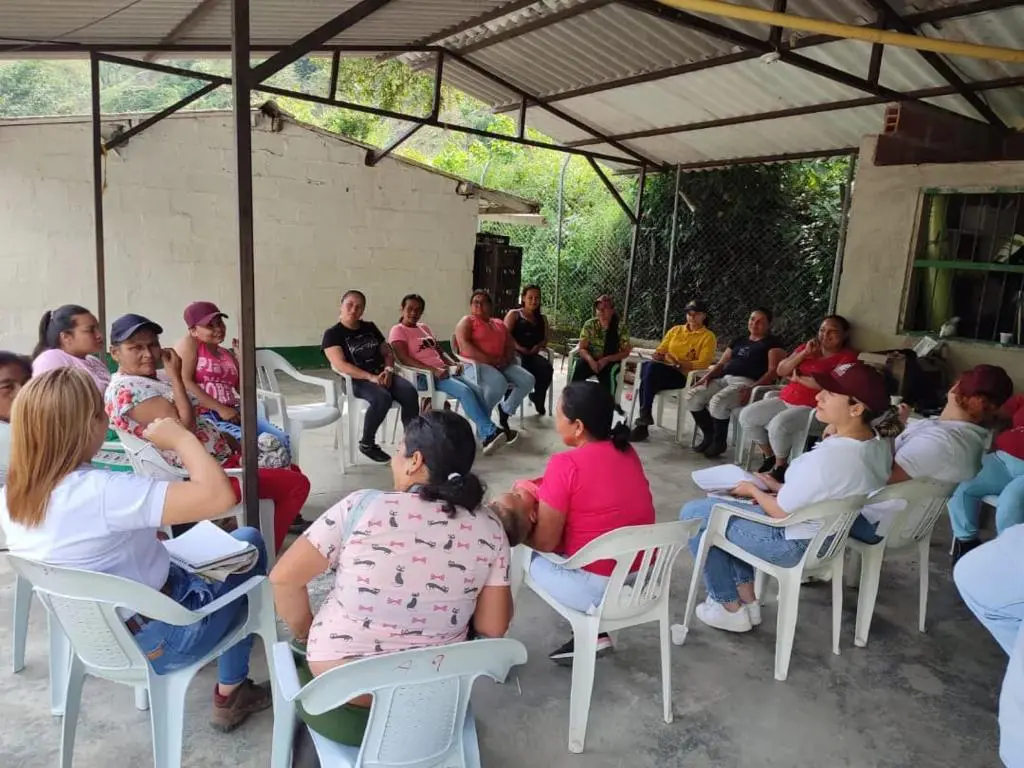
Conciudadanía convened 120 women leaders from 76 organizations—including human rights activists, municipal peace councils, and women’s groups—in 18 consultation meetings across nine municipalities. They discussed the Truth Commission’s report and the chapter “My Body is the Truth”, identifying their common interests, needs, and commitments to peace, which were then consolidated into 10 Citizen’s Agendas.
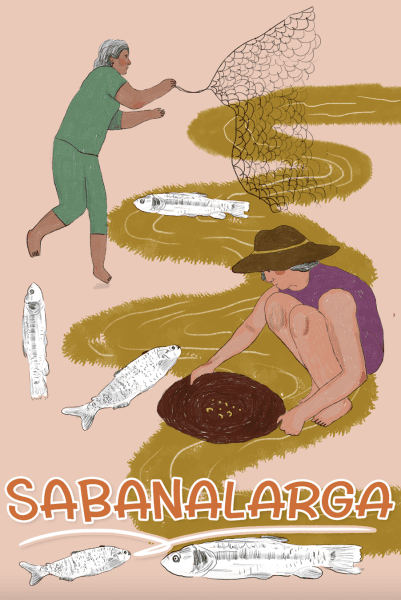
Agenda Ciudadana Sabanalarga
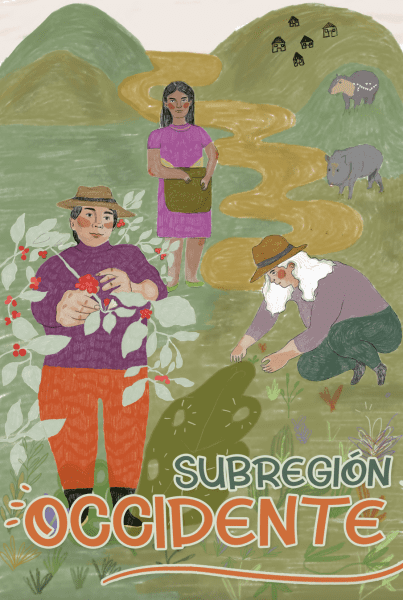
Agenda Ciudadana Occidente
Agenda Ciudadana Dabeiba
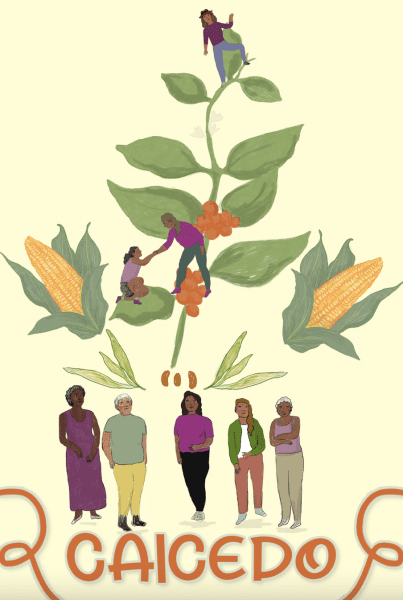
Agenda Ciudadana Caicedo
The resulting Citizen’s Agendas addressed issues built on women’s perspectives, experiences, and concerns, including food security, economic empowerment, community cohesion, climate change, women’s health, and women’s political participation. When discussing the key issues in the agendas, Conciudadanía’s Jharry Martinez Restrepo emphasized that women are not just concerned about “women’s issues.” Rather, “the issues of women are all the issues, there are no issues only limited to women. When we talk about the agendas of women, we’re talking about 100% of everything.”
These Agendas became tools to amplify women’s voices in local election campaigns and were presented to politicians, corporate representatives, and female mayoral and councilor candidates. Some candidates agreed to include the proposals in their electoral agendas and to implement them if elected.
Throughout the project’s meetings and events, Conciudadanía raised awareness of the Truth Commission’s report and the impact of the war on women, LGBTQI+, and indigenous communities. Participants identified how the report was relevant to their lives and communities and discussed how the recommendations for the state, organizations, and individuals could be integrated into each territory’s implementation proposals and municipal level development plans. These discussions emphasized women’s rights and political participation, the inclusion of human rights defenders and ex-combatants, and dismantling patriarchal attitudes to build sustainable peace.
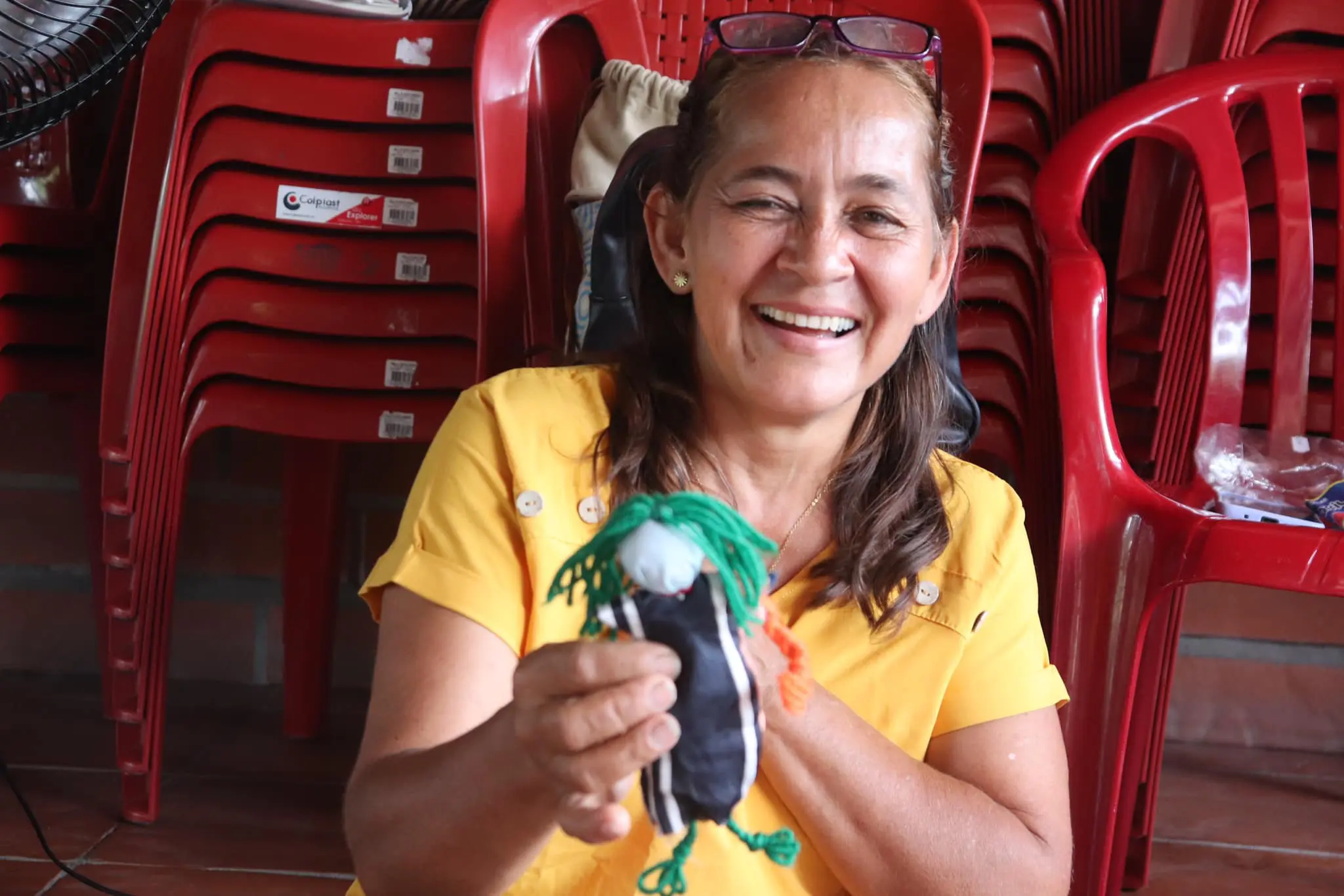
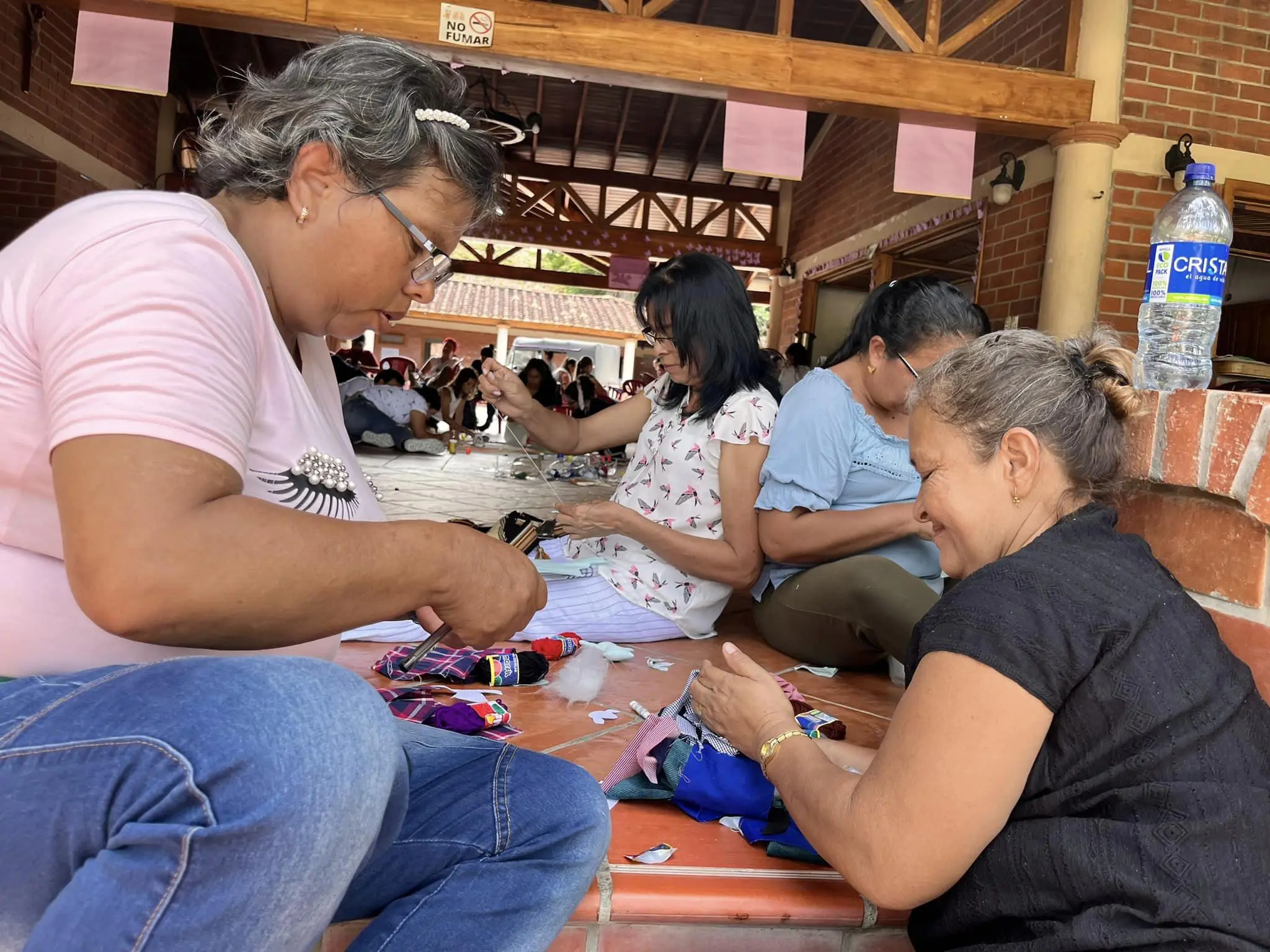
Sub-regional training meetings also equipped participants to host their own “Tertulias para la vida” (Gatherings for Life), to disseminate the chapter “My Body is the Truth” and its recommendations and to raise awareness in their communities of its impact on government programs, local development plans, and future peace processes and dialogues. Over 220 gatherings were held, reaching around 1,200 community members. These gatherings created important spaces for dialogue around women’s specific experiences of conflict and the Commission’s report, and collectively built proposals for local advocacy agendas. Male community members also attended these meetings, recognizing the importance of women’s participation in territorial and departmental planning.
As a result, attitudes are shifting amongst participants and their communities, with men and women challenging the narratives that dismiss the Truth Commission’s report and the “My Body is the Truth” chapter, raising awareness of its importance and relevance within their own communities. Conciudadanía also witnessed an increase in women’s political participation in the western region of Antioquia.
“However, this is the beginning––a drop in the ocean of what we need for the country. The participation of women in councils and mayoralties is only 18.7% and 19.9%––we have a lot to do in terms of decision-making.”
– Jharry Martinez Restrepo, Peace and Reconciliation Coordinator, Conciudadanía
Amplifying Women’s Voices to Build Peace
Conciudadanía amplified the project’s visibility and the participants’ reflections through the “La Voz de las Mujeres Construye Paz” (Women’s Voices Build Peace) campaign.
Conciudadanía produced an accessible summary of the Citizen’s Agendas and Truth Commission chapter and their Pactemos Magazine also showcased the “Female Voices for Peace” project. A special edition newspaper, “Voces Femeninas” (Women’s Voices), covered women’s political participation in western Antioquia, the Women, Peace, and Security Agenda, issues of human security, and a presentation of female mayoral candidates in the region.
The team created posters to raise awareness of the Truth Commission’s chapter, summarizing findings and recommendations. Local radio and TV programs amplified project participants’ voices, sharing their experiences and proposals to integrate the recommendations into municipal development plans. Conciudadanía also created the #VotaConMente campaign, encouraging citizens to reflect on their own voting patterns.
Supporting Women as Political and Community Leaders
Conciudadanía’s project strengthened women’s organizations in western Antioquia, enhancing their capacity for political advocacy and citizen participation. The Citizen’s Agendas serve as tools for women to advocate for their needs and strategic interests to political actors at the sub-regional and municipal levels, as well as mechanisms to hold decisionmakers accountable to their commitments. This encouraged women to raise awareness of their concerns and needs and to promote the inclusion of gender approaches in municipal institutions and policies.
“Women from the different municipalities would find common difficulties, common impediments for them to work together, and they collaborated to find strategies to combat these obstacles to promote their participation in politics.”
– Jharry Martinez Restrepo, Peace and Reconciliation Coordinator, Conciudadanía
The project also created important spaces for women to connect with political candidates personally, encouraging politicians to center the interests and needs of women in their political agendas. Conciudadanía and the participants were able to build connections with female senators and house representatives at the national level, as well as candidates for the departmental assembly.
Yet, some of the project’s most significant achievements were at the individual level: Women increasingly saw themselves as important political and community leaders.
“They think of themselves in a different way. They are thinking of themselves as gender leaders, and they are becoming more aware of how they can make a significant political impact in the region.”
– Jharry Martinez Restrepo, Peace and Reconciliation Coordinator, Conciudadanía
The “Female Voices for Peace” project also forged a sense of belonging and solidarity, supporting the participants and their organizations to build community networks and begin to envision a Regional Women’s Network. The project provided crucial spaces for women to feel safe and welcomed into a collective, where they could gather strength to share with their organizations as well as reflect upon their leadership roles and self-care.
ICAN’s Support: Investing in Trust
As an INGO partner of the WPHF, ICAN administered the grant to Conciudadanía and the “Female Voices for Peace” project. In all of its grantmaking, ICAN advocates for flexibility and local ownership, and provides technical and institutional support.
“To me, financing is important, but ICAN has a very horizontal model with a lot of listening, communication, and creating mutual trust.”
Now more than ever, CSOs and women peacebuilders are on the frontlines in their communities, preventing conflict and building lasting and sustainable peace. Through its support, ICAN seeks to strengthen these individuals and organizations, developing their capacity and reach, as well as connecting them with the international community and women peacebuilders in the ICAN-spearheaded Women’s Alliance for Security Leadership (WASL).
“It’s very good to see that we’re not only beneficiaries of a project, but we are being treated as peers, in a high-trust interaction.”
Even with the achievements of Conciudadanía and the Citizen’s Agendas in the department of Antioquia, there is still much work to be done. There remains a gap between the needs on the ground and the resources and political will committed by politicians and decision-makers, as well as persisting security challenges, patriarchal attitudes, and cultural barriers.
“Conciudadanía seeks to maintain, with whatever resources we have, our engagement with the territories, supporting these women in different ways, as this action needs to be there permanently to achieve long-term transformation.”
Conciudadanía remains undaunted in face of ongoing challenges and sees “Female Voices for Peace” as an essential step forward. The women involved in creating the Citizen’s Agendas must now meet the challenges of mobilizing the agendas and ensuring their inclusion in municipal development plans.
Sustainable funding to organizations such as Conciudadanía is crucial to support their work building these networks and spaces to apply the Truth Commission’s report, as well as monitoring the ongoing impact of this project, supporting women’s groups to take this work forward, and advocating for their political participation.
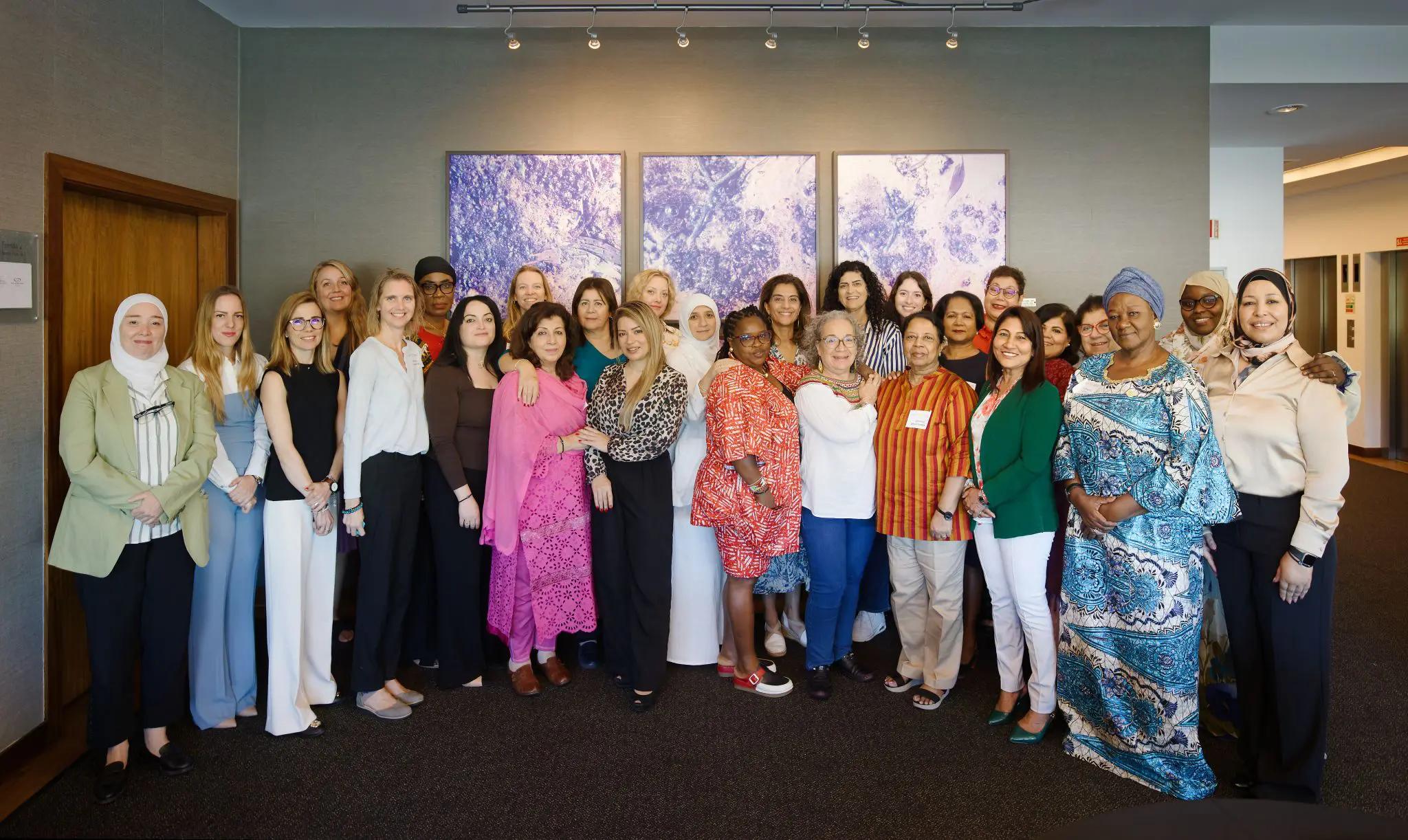
ICAN convened 20 members of WASL in Lisbon for the “Our Strategies, Our Peace” Writers’ Workshop. This unique gathering provided a secure and creative space for women peacebuilders to share their strategies, experience, expertise, and stories from conflict and crisis contexts.
Addu Women's AssociationAllamin FoundationAWAWCAGEADCIASECOECICAN FeaturedMobaderoonPAIMANRescue MeWCDCAWi'amWomen's Alliance for Security LeadershipWPSO
On October 6, 2025, the U.N. Security Council holds its annual open debate on Resolution 1325 on Women, Peace, and Security. Today, we are not issuing a new statement. Instead, we are honoring our community of women peacebuilders—who appeared before the Security Council throughout these 25 years, speaking for the millions they represent—by echoing their messages.
ICAN FeaturedICAN LatestICAN UpdatesWASL UpdatesWomen's Alliance for Security Leadership
In South Sudan, a nation where peace has long remained fragile and democratic progress uncertain, women are stepping forward to shape the future of their country. Long excluded from the corridors of power, they are forging their own movement for lasting change.
On behalf of the International Civil Society Action Network (ICAN) and members of the global Women’s Alliance for Security Leadership (WASL), we are honored to nominate Francesca Albanese, United Nations Special Rapporteur on the situation of human rights in the Palestinian territories occupied since 1967, for the 2026 Nobel Peace Prize.
در عرصه صحت روانی، افغانستان با بحران پیچیدهای مواجه است که این بحران به طور جدایی ناپذیر با ناامنی شدید فیزیکی، سیاسی و اقتصادی در کشور گره خورده و این نا امنی ها بحران را تشدید میکند. برای رسیدگی به آسیب های روانی، صحت و بهداشت جامعه به شیوه های پاسخگو به جنسیت و با مد نظر گرفتن حساسیت های فرهنگی، سازمانهای فعال در عرصه صلح سازی به رهبری زنان افغان در موقعیتی منحصربه فرد قرار دارند. این سازمان ها خدمات ابتدایی ارائه میدهند، مهارتها را توسعه میبخشند و در شکلدهی هنجارهای فرهنگی و جنسیتی نقش مؤثر ایفا میکنند.
ICAN FeaturedICAN LatestICAN UpdatesWASL UpdatesWomen's Alliance for Security LeadershipWPSO
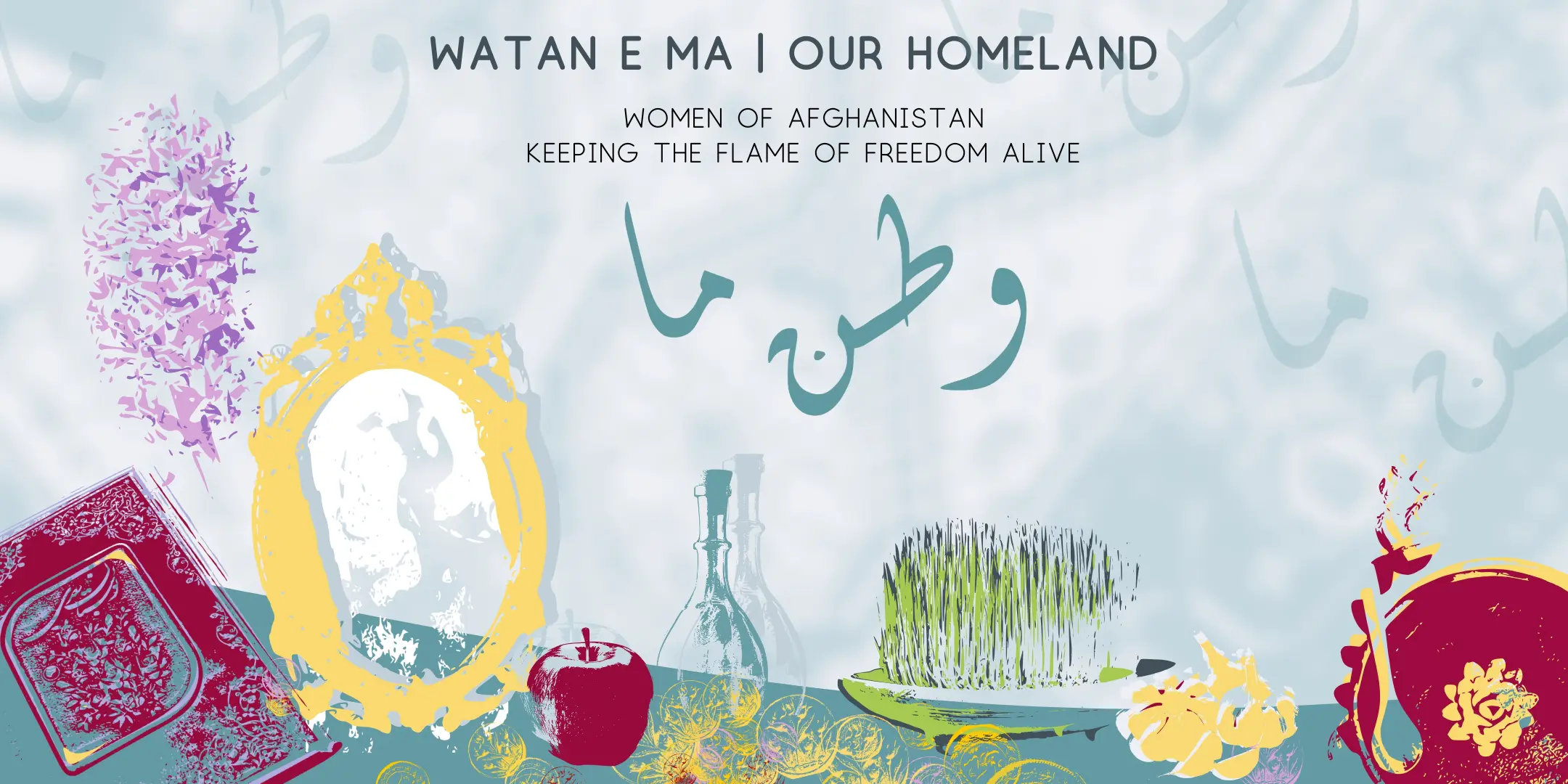
In a powerful departure from traditional advocacy, ICAN—guided by our Afghan partners and women peacebuilders—hosted the event “Watan e Ma – وطن ما – Our Homeland: Women of Afghanistan Keeping the Flame of Freedom Alive” on March 17, 2025 at Blue Gallery in New York City. Held during the 69th Commission on the Status of Women (CSW69), the event celebrated Afghan cultural heritage and the resilience of Afghan women peacebuilders, who persist in their leadership for peace, justice, and equality under the Taliban’s regime of gender apartheid.
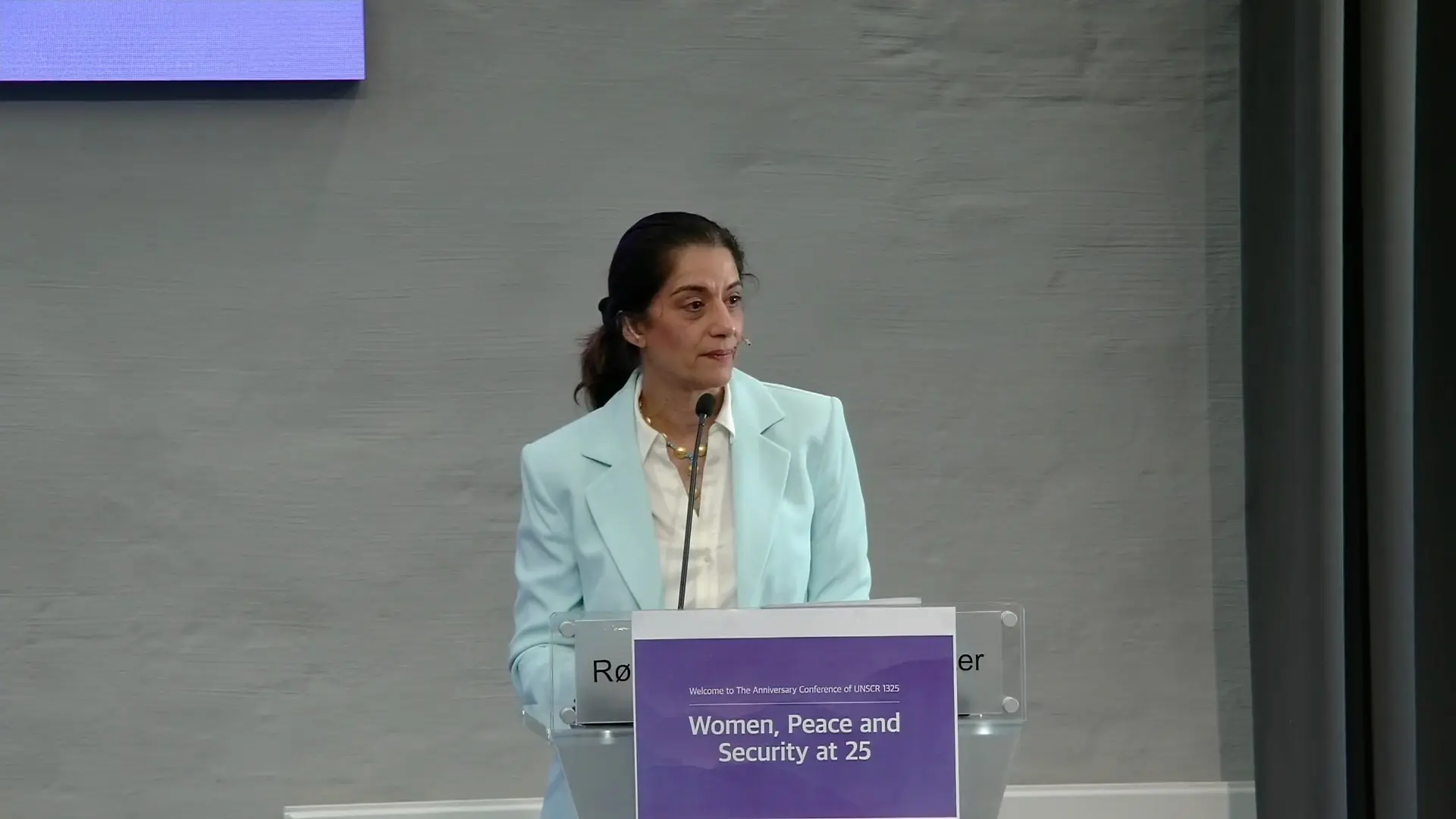
On May 5, 2025, ICAN's Sanam Naraghi Anderlini delivered the keynote speech at the two-day international conference "25th Anniversary Conference of UNSCR 1325 Women, Peace and Security."
As Senator Mobina Jaffer concludes 23 years of distinguished public service in the Canadian Senate, we extend our deepest thanks for her steadfast leadership as Chair of ICAN’s Board of Directors from 2014 to 2024.
Together with André Mundal, our new Interim Chair of the ICAN Board of Directors, we are delighted to welcome two new members to our Board of Directors.
Trust between communities and the security sector is critical for effective governance and peace. So is a vibrant civil society. When women peacebuilders are recognized and engaged as independent, strategic partners and security actors—in their own right—the results are transformative. Twenty-five years on from the launch of the WPS agenda, women peacebuilders’ creativity and contributions to societal peace and security are not only timely, they are even more essential.
Allamin FoundationAWAPSAAWAWBetter Peace InitiativeCIASECoACTGEN MyanmarGender and ExtremismsICAN FeaturedICAN LatestICAN UpdatesPAIMANPCIDWASL UpdatesWomen's Alliance for Security Leadership