Countering Extremism in Iraq: A New Horizon for Peace
Iraqi Al-Firdaws Society (Al-Firdaws) is taking a new approach to peacebuilding. Their project, Horizon: Promoting Community Peace, supported by ICAN’s Innovative Peace Fund (IPF), brings together youth, local security forces, and civil society actors to address violent extremism through dialogue, education, and community-based action.
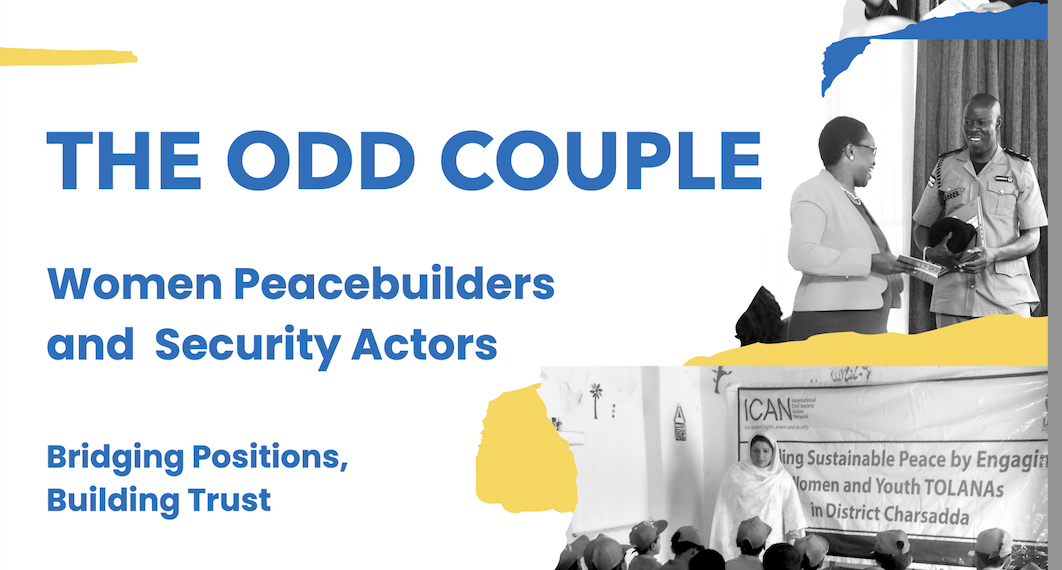
The Odd Couple: Women Peacebuilders and Security Actors Bridging Positions, Building Trust
The WPS agenda has proven a vital entry point for women peacebuilders to engage with the security sector and build trust within affected communities. These efforts—often invisible—are contributing to the reform of the sector, reshaping local security environments and mitigating violence.
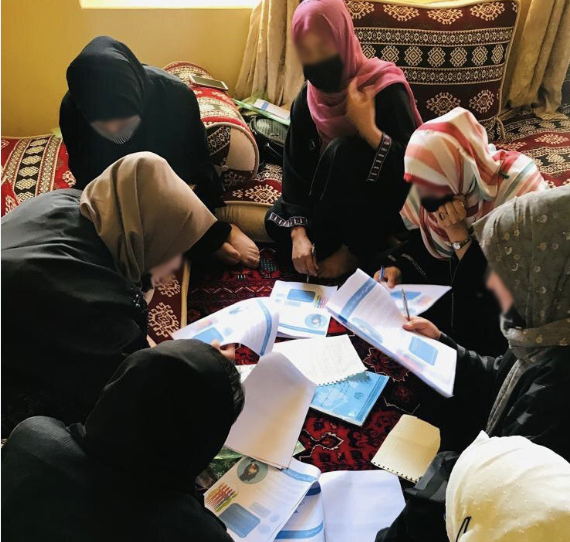
The War Against Ourselves: Afghan Women Peacebuilders’ Response to the Mental Health Crisis in Afghanistan
This case study describes the drivers of the mental health crisis in Afghanistan, its gendered and cultural dimensions, and the strategies used by Afghan women-led peacebuilding organizations to provide solutions. The authors conducted interviews with representatives of Afghan women-led peacebuilding organizations and thematic experts, which were complemented by a desk review of project documentation and […]
Open Statement to the United Nations Security Council on behalf of Women Peacebuilders Marking 25 Years of the Women, Peace, and Security Agenda
On October 6, 2025, the U.N. Security Council holds its annual open debate on Resolution 1325 on Women, Peace, and Security. Today, we are not issuing a new statement. Instead, we are honoring our community of women peacebuilders—who appeared before the Security Council throughout these 25 years, speaking for the millions they represent—by echoing their messages.
The conference brought together multilateral, governmental, and civil society actors as part of the first international ministerial-level convening of its kind in Southeast Asia. Co-hosted by WASL member the Philippines Center for Islam and Democracy (PCID), WASL members played a central role in featuring the work of civil society in side events and in a special forum.
The conference was hosted by the Philippine Government, led by the Department of Foreign Affairs; the Office of the Presidential Adviser on Peace, Reconciliation, and Unity (OPAPRU); Philippines Commission on Women; and the Department of Budget and Management. The ASEAN Institute for Peace and Reconciliation and PCID co-hosted. The conference convened nearly 800 delegates from over 70 countries.
The conference featured three days of programming under the theme “Forging Collaboration and Convergence for Advancing Women, Peace, and Security,” including high-level plenary sessions, delivery of national statements, and side events.
It aimed to serve as a regional and international platform to assess the progress made in implementing the Women, Peace, and Security (WPS) Agenda.
ICWPS provided WASL members space to assert the impact of the WASL network, the relevance and distinct nature of our work, and the need to elevate civil society voices in largely ministerial conversations. During our time in Manila, WASL members and ICAN representatives made key connections with actors in Southeast Asia, government representatives, and security officials.
ICAN and WASL members participated in and hosted seven sessions:
High-level Ministerial Session
Special Forum: Bridging Regions for Women, Peace and Security
Reimagining Peace in the Middle East: The Role of Women in Religion and Frontline Negotiation
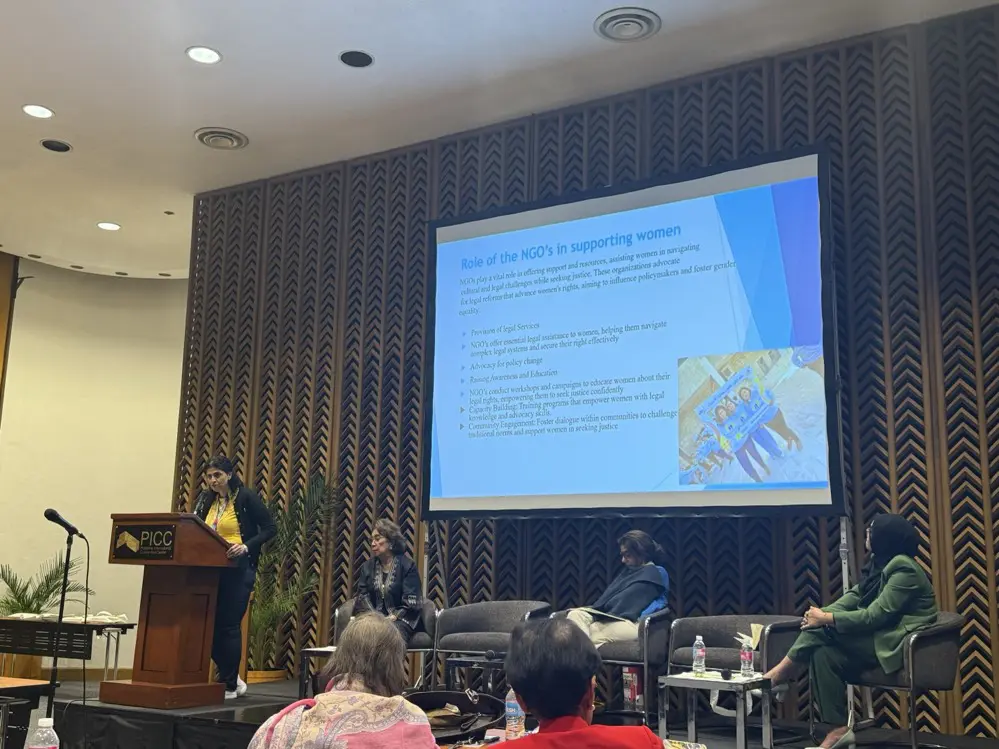
Enhancing Women’s Access to Justice
NAPWPS Praxis: From Vision to Reality
Courage and Conviction: Women Leadership and Moral Governance for Peace, Security and Development
Bridging Regions, Empowering Peace: A Dialogue for Strengthened WPS Collaboration
Centering Civil Society Voices
WASL’s active participation in the conference asserted the key role of women-led peacebuilding organizations and civil society in realizing the Women, Peace, and Security (WPS) Agenda. Appearing alongside government ministers, international officials, and dignitaries, WASL members spoke with a unified voice: women peacebuilders deserve a seat at all tables.
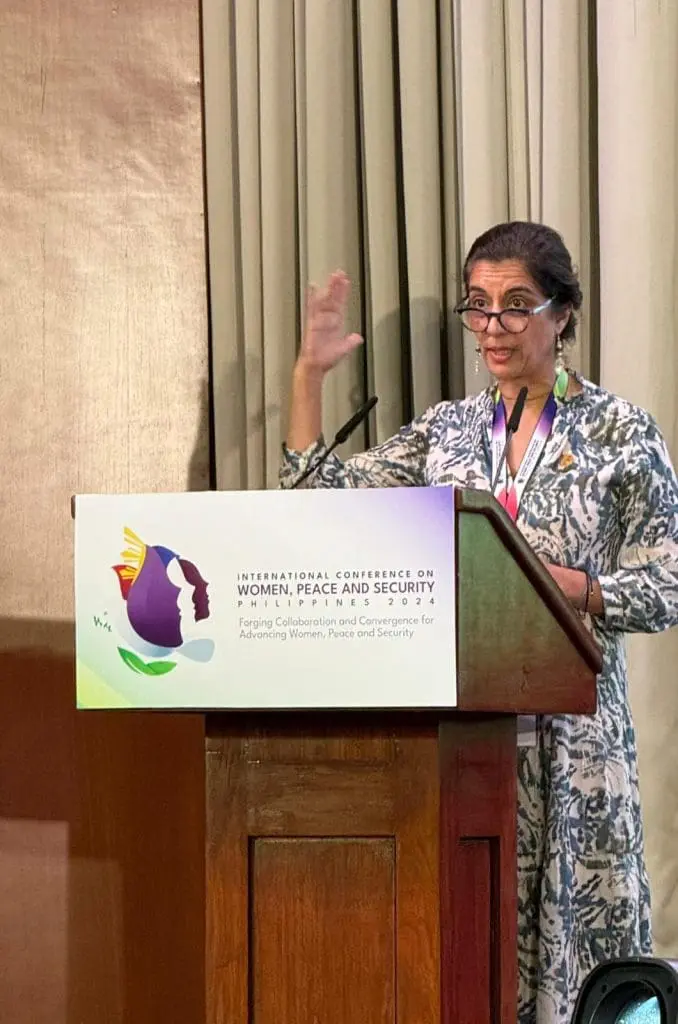
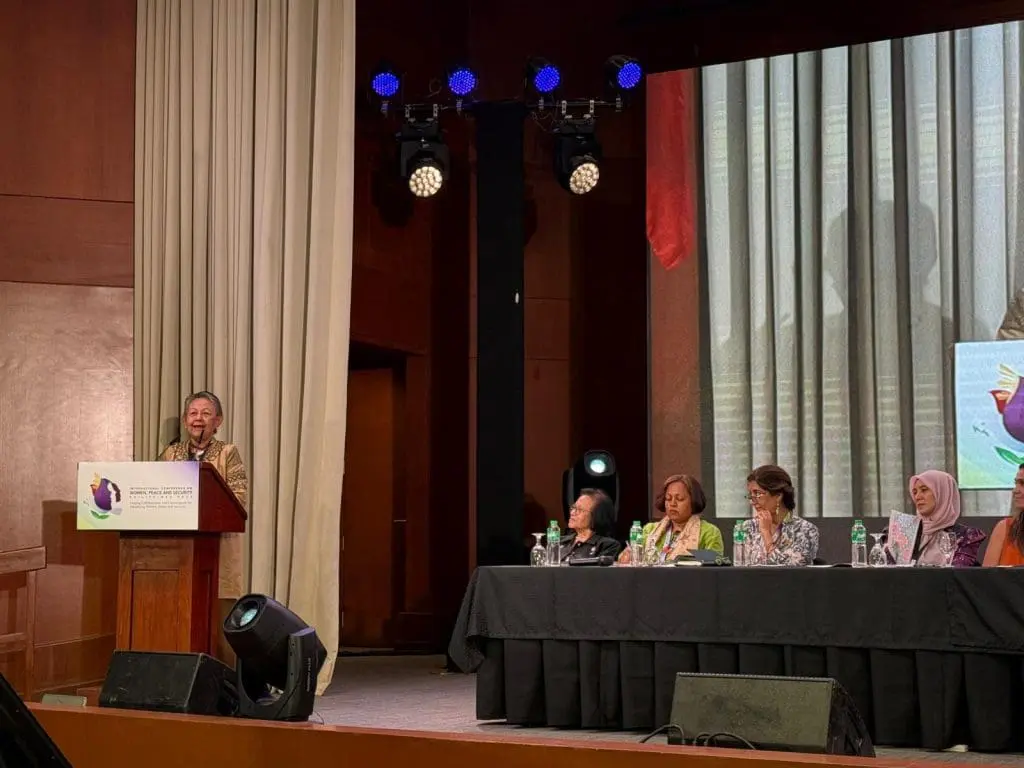
ICAN Founder Sanam Naraghi Anderlini, MBE and WASL member Amina Rasul Bernardo, PCID President, delivered remarks at the first day’s high-level ministerial session, with Naraghi Anderlini challenging the international community to center “peace as a priority, as the goal, and the strategy.”
“We will not get to peace through violence. We will not get to peace through war. We will not get to peace through genocide…Work with us in civil society because we will be there as our first responders, as the last responders, and the forever responders, because we care about our communities. But we need our governments to stand with us, as equal partners.”
– Sanam Naraghi Anderlini, MBE, ICAN Founder and CEO
“Women have shown that their engagement isn’t just advantageous, it is essential for sustainable peace. Governments have a key role in this process, but they must actively engage with civil society, particularly women, to ensure that peace agreements are not merely political documents but living realities.”
– Amina Rasul Bernardo, PCID President, WASL Member
Cross-Regional Exchange
Since its founding, WASL has pioneered sharing innovative solutions across regions, among conflict contexts, and at the global stage. Cross-regional exchange is at the heart of our network and ICAN’s strategic approach. In Manila, ICAN and WASL engaged in a series of events underscoring the imperative for international support to cross-regional networks.
WASL partner Ruby Kholifah, AMAN Indonesia Country Director, and Naraghi Anderlini participated in a special forum organized by PCID’s Amina Rasul and the ASEAN Institute for Peace and Reconciliation, “Bridging Regions for Women, Peace and Security.”
The Special Forum provided a venue for government and civil society representatives from regions and sub-regions, particularly in Southeast Asia and MENA, to exchange experiences on WPS regional partnerships.
Naraghi Anderlini shared how WASL forges partnerships across regions, including MENA, and engages with government and other sectors to break down existing siloes.
“If we don’t support organizational development and deepening the bench of activism, this work stops with an individual. Institutional support is key.”
– Sanam Naraghi Anderlini, MBE, ICAN Founder
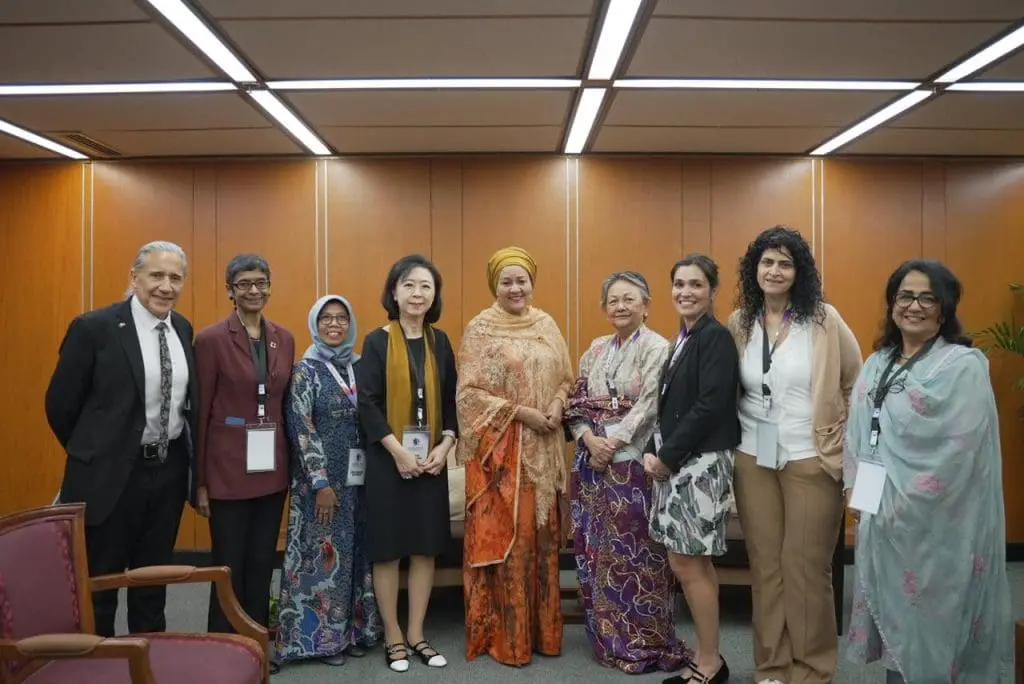
WASL partners Rasul, Lucy Talgieh, Huma Chugtai, and Amporn Marddent attended a meeting with UN Deputy Secretary General, Amina Mohamed, discussing strategies and approaches for formal collaboration between ASEAN and MENA regions to strengthen the WPS agenda and build sustainable peace.
“A network without fuel is impossible. Resource allocation is key.”
– Ruby Kholifah, AMAN – Indonesia Country Director, WASL Member
Locally Owned Solutions
ICAN, PCID, and the U.S. Institute of Peace co-hosted a side event entitled, “Reimagining Peace in the Middle East: The Role of Women in Religion and Frontline Negotiation.” In the event’s wide-ranging discussion, WASL members shared their perspectives as women peacebuilders and lessons from their respective contexts.
Women peacebuilders draw on a range of tactics in their innovative approaches to peacebuilding, such as harnessing religion and culture. WASL members from the MENA region and Southeast Asia—including Talgieh, Kholifah, Abir Haj Ibrahim, and Mossarat Qadeem—shared lessons to inform ongoing and future peace processes.
In a forward-looking conversation, WASL members reflected on the importance of creating spaces for community dialogue to build the foundation for peace and social movements.
“We have to understand each other in order to live together in a better way and resist for our rights as Palestinians. Without interfaith spaces, we cannot do a lot.”
– Lucy Talgieh, Wi’am, WASL Member, Palestine
“Our dream of national dialogue will not take place while we’re in a frozen conflict context. What we should do as community-based activists is prioritize social reconciliation and community dialogue.”
WASL members also offered observations from their contexts for countering and preventing violent extremist narratives from taking root.
“We had to go through the Quran, read it in our own way, and find what the actual text had to say. We realized that there are 16 different interpretations for ‘jihad.’”
“We are embracing the multiplicity of personal identities, not a single identity.”
– Ruby Kholifah, AMAN – Indonesia Country Director, WASL Member
Naraghi Anderlini and Talgieh also spoke at a side event about enhancing women’s access to justice, organized by the University of the Philippines’ Women Lawyers’ Circle and PCID. Naraghi Anderlini highlighted the multifaceted, gendered challenges in seeking justice in post-conflict settings, and the need for holistic, community-centered conceptions of justice. Talgieh emphasized the challenges of women’s access to justice in Palestine, including the impact of cultural and societal influences on legal and judicial outcomes.
Looking Ahead to WPS at 25
Approaching the WPS Agenda’s 25th anniversary in 2025, ICAN Founder Sanam Naraghi Anderlini, MBE reminded conference attendees of the crucial role civil society has played in the Agenda since its inception. Throughout ICWPS, Naraghi Anderlini asserted the need for civil society to be at the center of collaborative approaches to peace and security.
“As we approach the 25th anniversary of WPS, we need to imagine ourselves as an orchestra—create that space where CSOs, governments, and international organizations can work together and be agile and proactive, and to listen to each other’s solutions and approaches.”
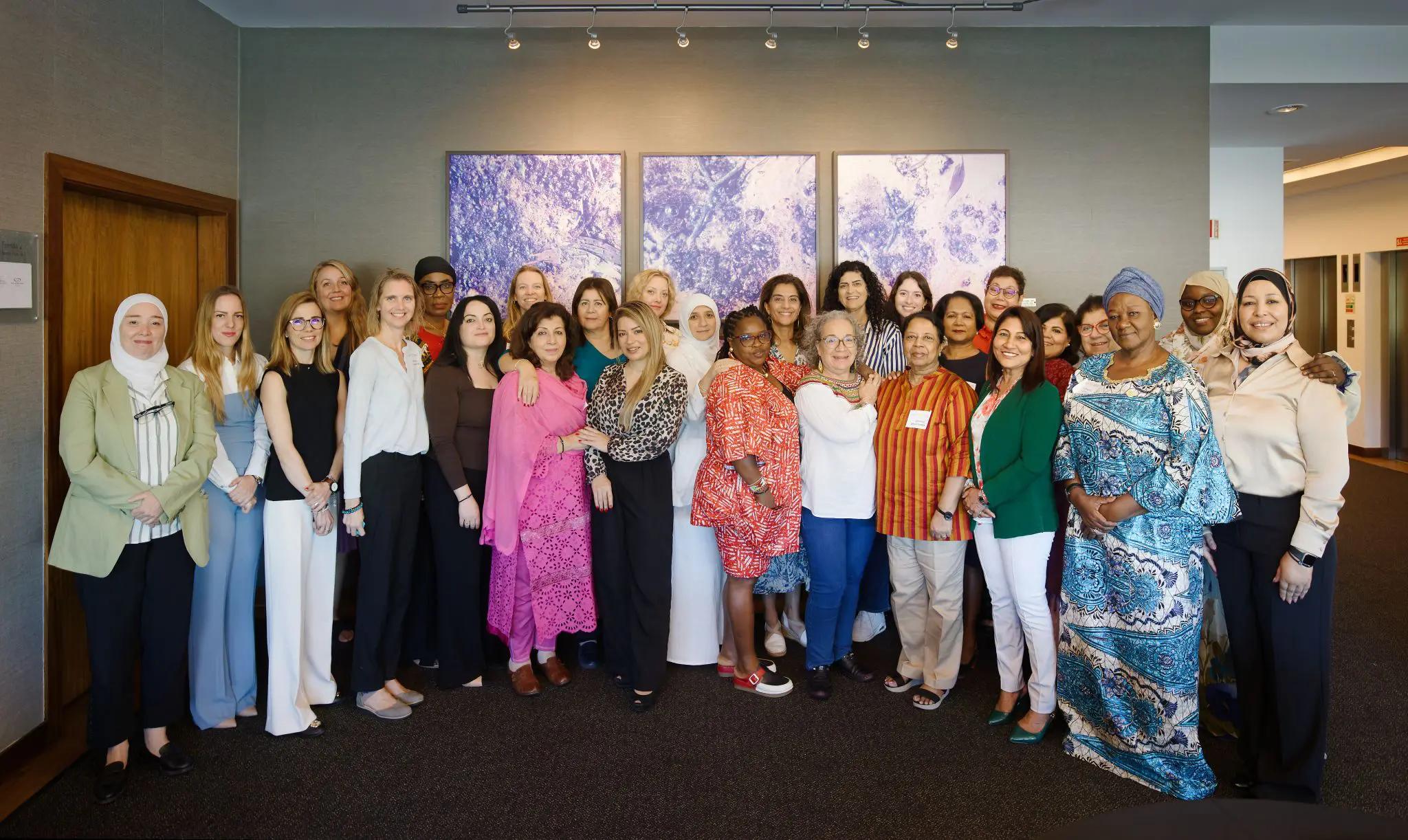
ICAN convened 20 members of WASL in Lisbon for the “Our Strategies, Our Peace” Writers’ Workshop. This unique gathering provided a secure and creative space for women peacebuilders to share their strategies, experience, expertise, and stories from conflict and crisis contexts.
Addu Women's AssociationAllamin FoundationAWAWCAGEADCIASECOECICAN FeaturedMobaderoonPAIMANRescue MeWCDCAWi'amWomen's Alliance for Security LeadershipWPSO
On October 6, 2025, the U.N. Security Council holds its annual open debate on Resolution 1325 on Women, Peace, and Security. Today, we are not issuing a new statement. Instead, we are honoring our community of women peacebuilders—who appeared before the Security Council throughout these 25 years, speaking for the millions they represent—by echoing their messages.
ICAN FeaturedICAN LatestICAN UpdatesWASL UpdatesWomen's Alliance for Security Leadership
On behalf of the International Civil Society Action Network (ICAN) and members of the global Women’s Alliance for Security Leadership (WASL), we are honored to nominate Francesca Albanese, United Nations Special Rapporteur on the situation of human rights in the Palestinian territories occupied since 1967, for the 2026 Nobel Peace Prize.
در عرصه صحت روانی، افغانستان با بحران پیچیدهای مواجه است که این بحران به طور جدایی ناپذیر با ناامنی شدید فیزیکی، سیاسی و اقتصادی در کشور گره خورده و این نا امنی ها بحران را تشدید میکند. برای رسیدگی به آسیب های روانی، صحت و بهداشت جامعه به شیوه های پاسخگو به جنسیت و با مد نظر گرفتن حساسیت های فرهنگی، سازمانهای فعال در عرصه صلح سازی به رهبری زنان افغان در موقعیتی منحصربه فرد قرار دارند. این سازمان ها خدمات ابتدایی ارائه میدهند، مهارتها را توسعه میبخشند و در شکلدهی هنجارهای فرهنگی و جنسیتی نقش مؤثر ایفا میکنند.
ICAN FeaturedICAN LatestICAN UpdatesWASL UpdatesWomen's Alliance for Security LeadershipWPSO
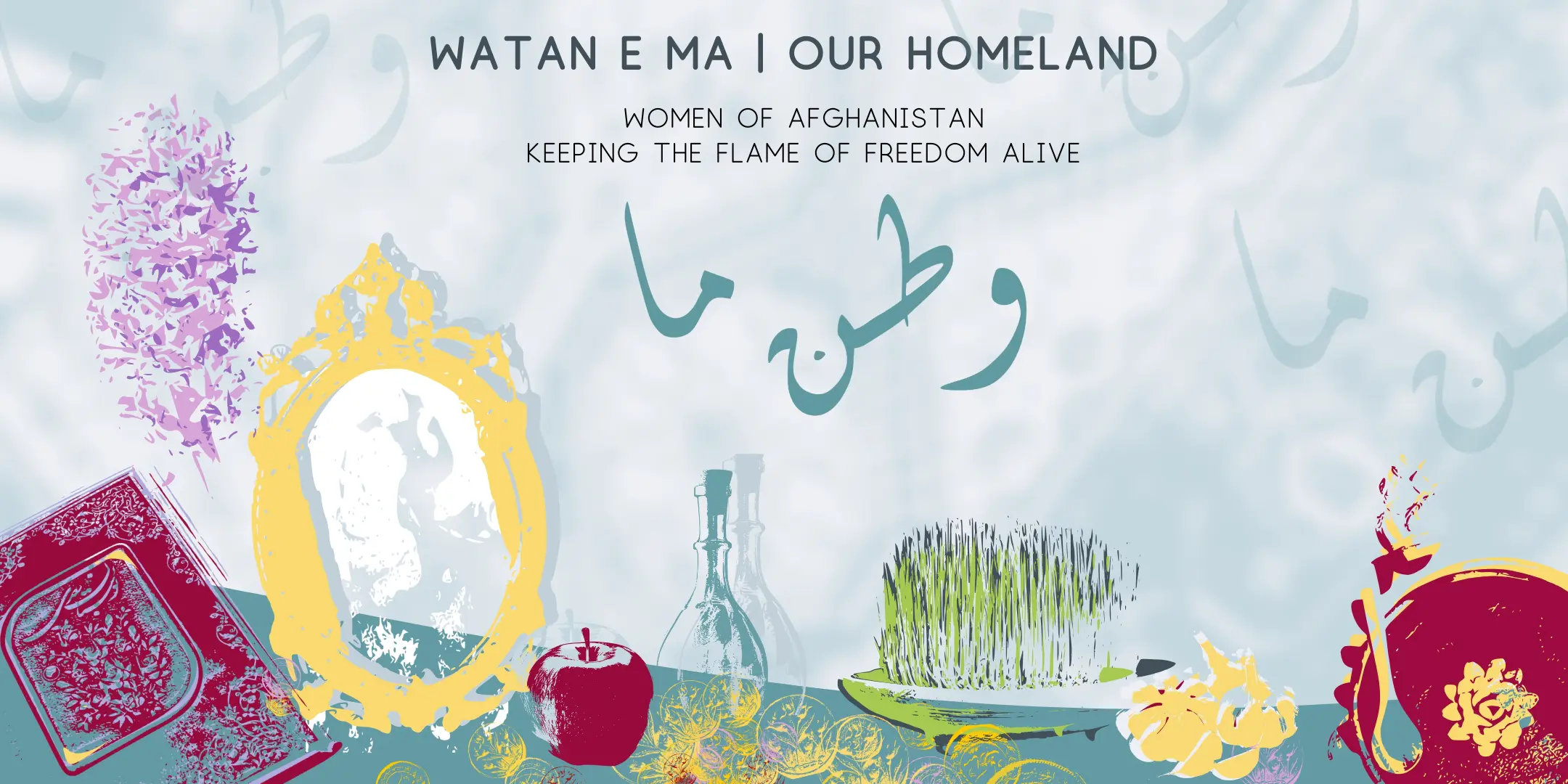
In a powerful departure from traditional advocacy, ICAN—guided by our Afghan partners and women peacebuilders—hosted the event “Watan e Ma – وطن ما – Our Homeland: Women of Afghanistan Keeping the Flame of Freedom Alive” on March 17, 2025 at Blue Gallery in New York City. Held during the 69th Commission on the Status of Women (CSW69), the event celebrated Afghan cultural heritage and the resilience of Afghan women peacebuilders, who persist in their leadership for peace, justice, and equality under the Taliban’s regime of gender apartheid.
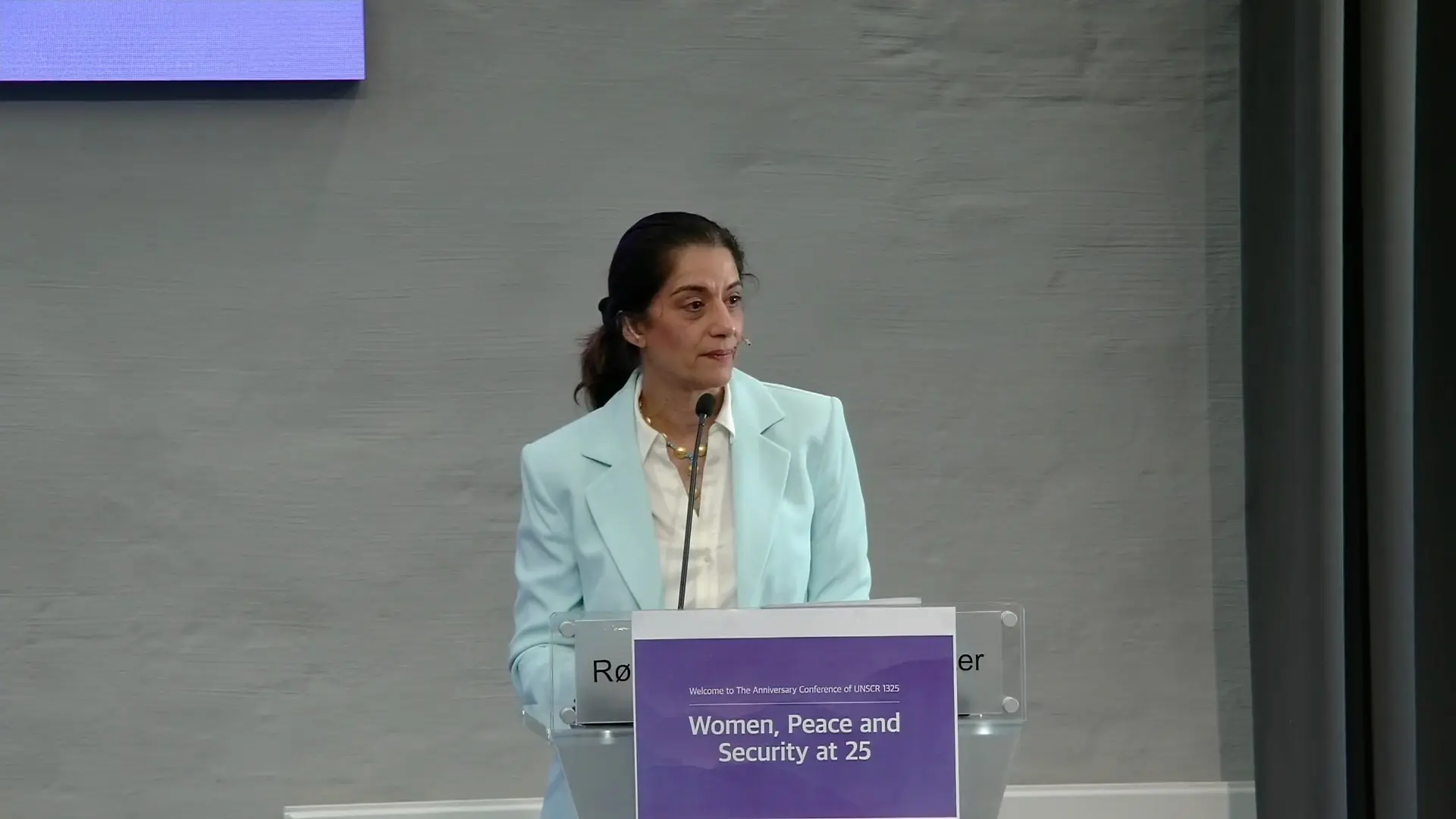
On May 5, 2025, ICAN's Sanam Naraghi Anderlini delivered the keynote speech at the two-day international conference "25th Anniversary Conference of UNSCR 1325 Women, Peace and Security."
As Senator Mobina Jaffer concludes 23 years of distinguished public service in the Canadian Senate, we extend our deepest thanks for her steadfast leadership as Chair of ICAN’s Board of Directors from 2014 to 2024.
Together with André Mundal, our new Interim Chair of the ICAN Board of Directors, we are delighted to welcome two new members to our Board of Directors.
Trust between communities and the security sector is critical for effective governance and peace. So is a vibrant civil society. When women peacebuilders are recognized and engaged as independent, strategic partners and security actors—in their own right—the results are transformative. Twenty-five years on from the launch of the WPS agenda, women peacebuilders’ creativity and contributions to societal peace and security are not only timely, they are even more essential.
Allamin FoundationAWAPSAAWAWBetter Peace InitiativeCIASECoACTGEN MyanmarGender and ExtremismsICAN FeaturedICAN LatestICAN UpdatesPAIMANPCIDWASL UpdatesWomen's Alliance for Security Leadership
Afghanistan is facing a complex mental health crisis inextricably linked with and compounding the dire state of physical, political, and economic insecurity in the country. Afghan women-led peacebuilding organizations are uniquely positioned to address community members’ health and wellness in gender-responsive, culturally- sensitive, and trauma-informed ways.
ICAN FeaturedICAN LatestICAN UpdatesWASL UpdatesWomen's Alliance for Security LeadershipWPSO