Preventing violent extremism requires a united effort bringing together governments, law enforcement, religious leaders, and local communities to tackle root causes and build community resilience. Yet, gaps often exist between national policies and the realities on the ground, where stigma and insecurities persist. Women peacebuilders play a vital role in bridging this divide, detecting early signs of radicalization, supporting rehabilitation and reintegration, and fostering social cohesion in local communities.
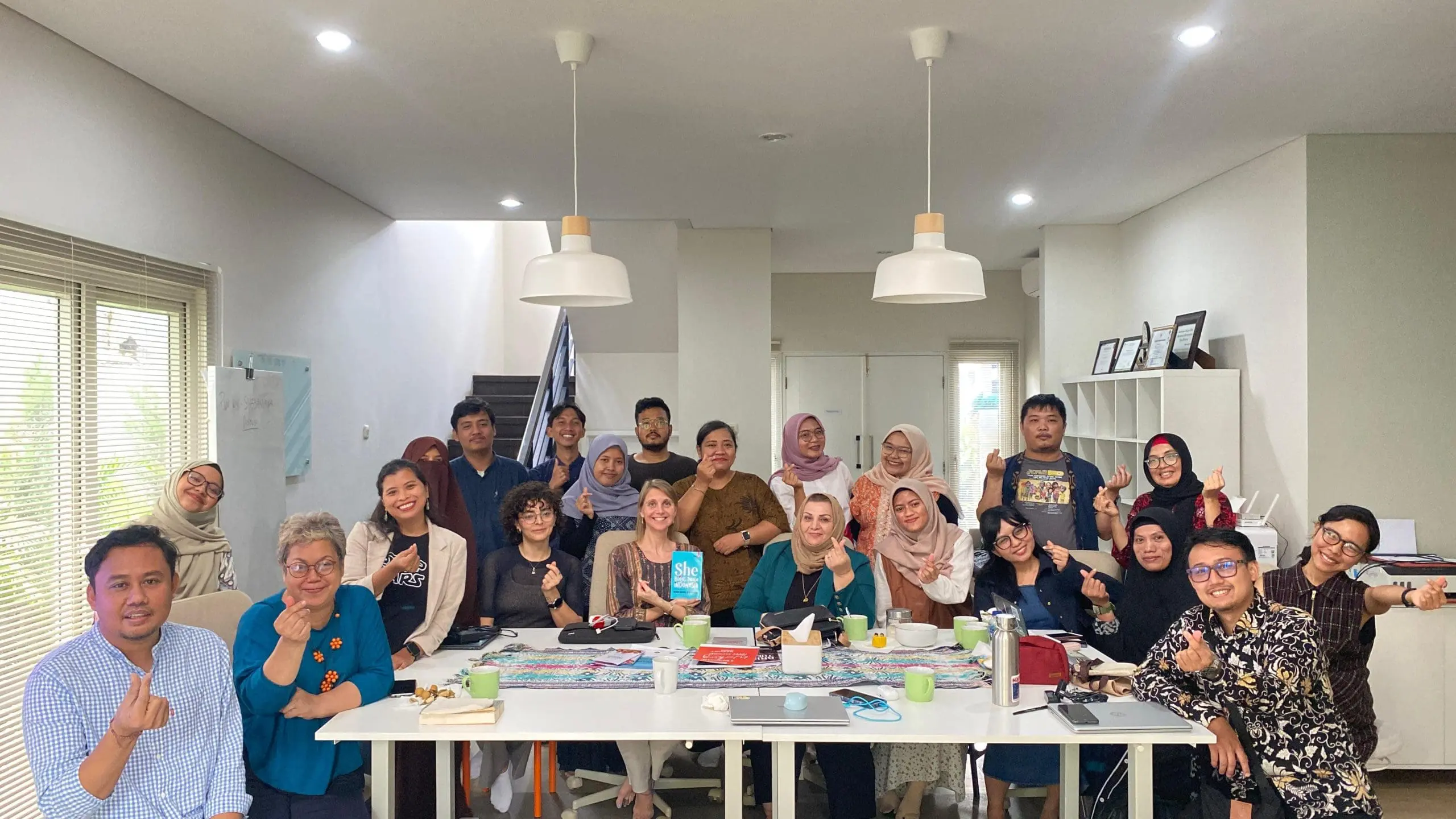
In Indonesia, the Empatiku Foundation, a member of the Women’s Alliance for Security Leadership (WASL), has developed a Community-Based Early Warning System to build community resilience to address violent extremism. With support from the government of Sweden, ICAN facilitated a four-day peer-to-peer learning exchange in Indonesia between WASL members Empatiku and Odessa Organization for Women’s Development, from Mosul, Iraq.
The idea for this exchange originated at ICAN’s 10th Women, Peace, and Security Forum, where ICAN and WASL relationships often deepen through connecting experiences. Peer-to-peer exchanges offer a vital opportunity to share challenges and successes across contexts, learn from other peacebuilders’ approaches in local communities, and strengthen solidarity within WASL.
This particular peer-to-peer exchange included:
- Presentations on the work of Empatiku and Odessa
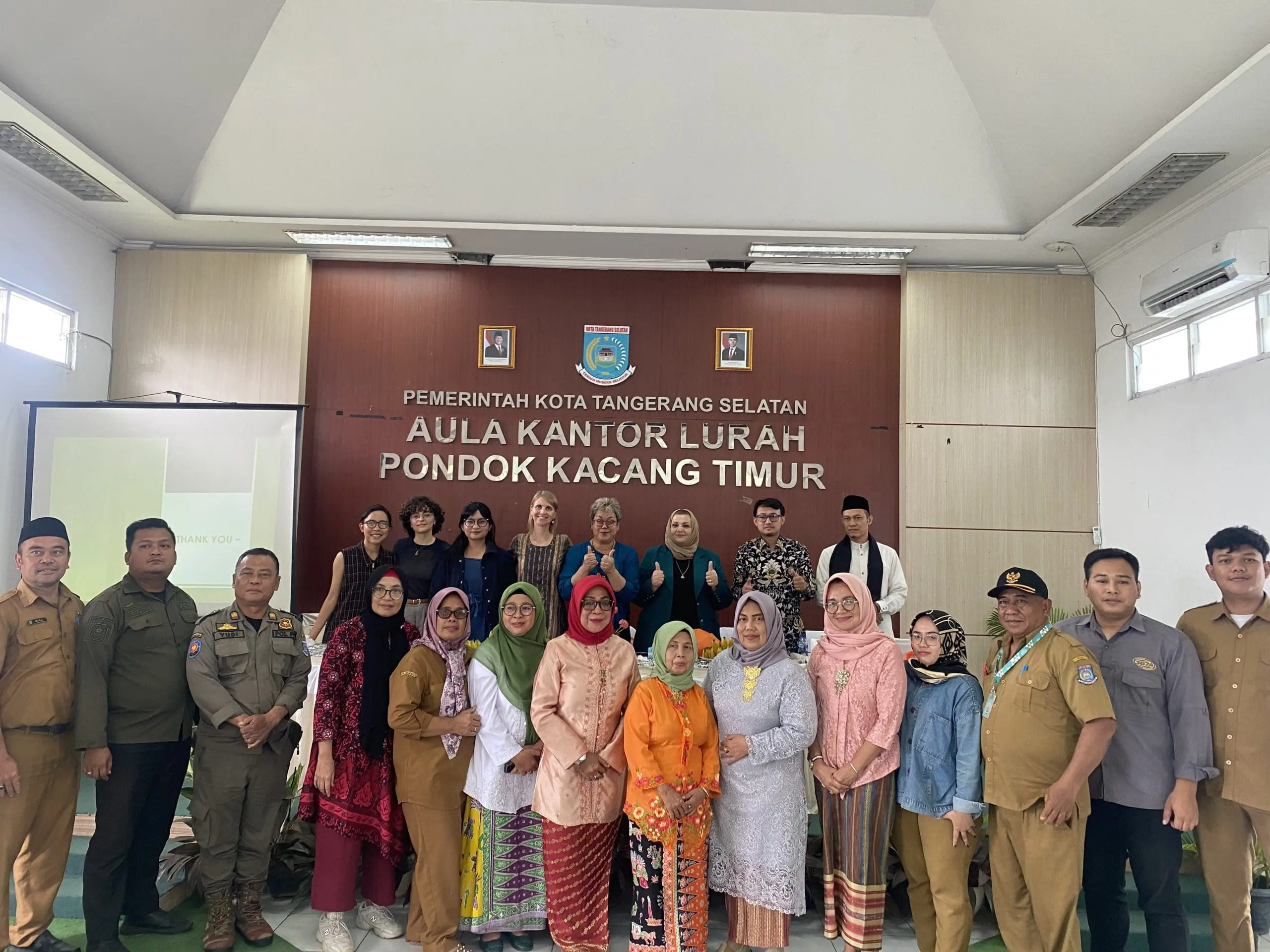
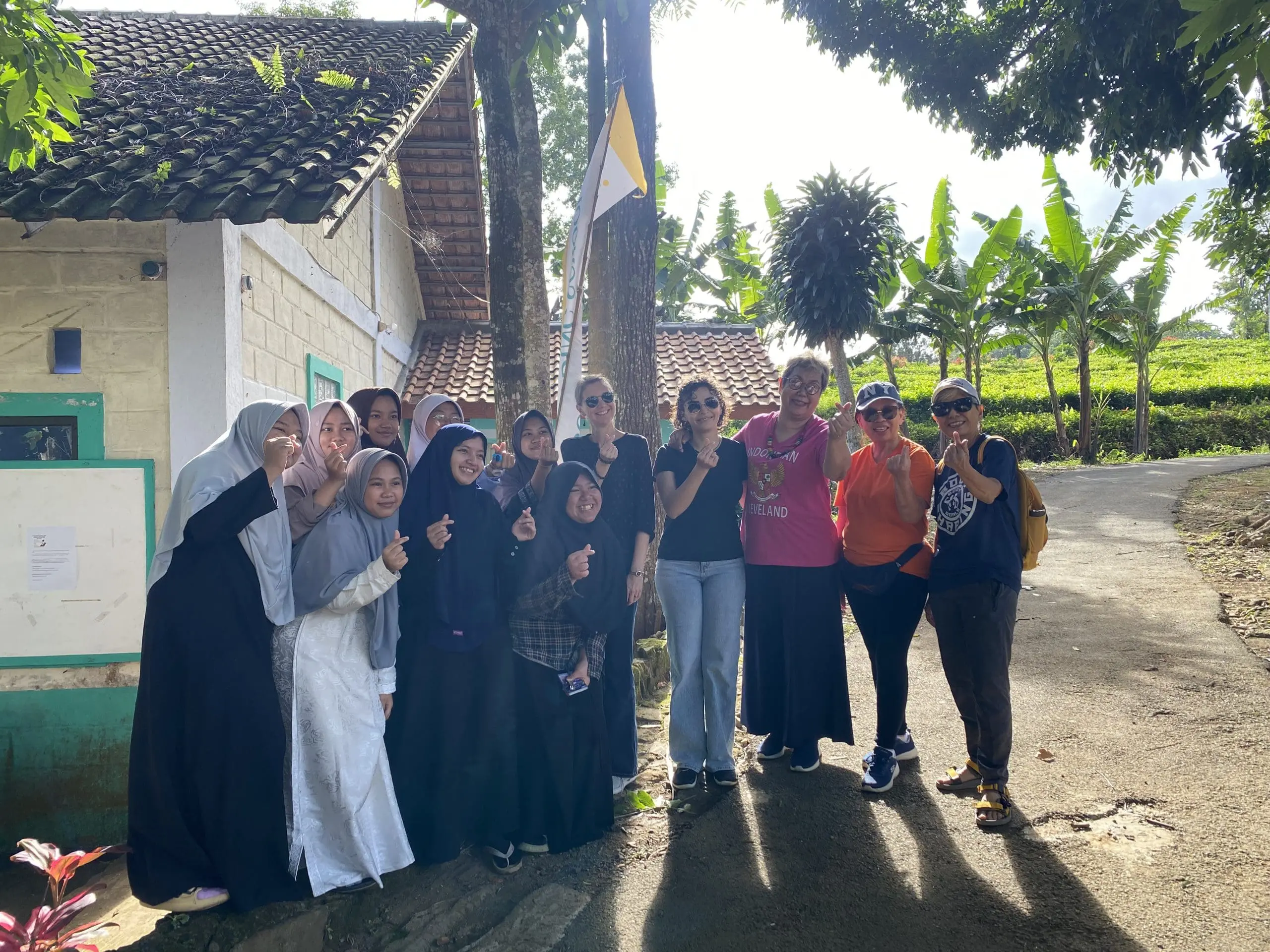
- Visits to Sukamaju and Pondok Kacang Timur (PKT) communities to engage directly with local resilience teams implementing the Community-Based Early Warning System
- Conversations with key stakeholders, including:
- Dedi Slamet Riyadi, Head of Sub-Directorate for Islamic Religious Understanding and Conflict Management, Ministry of Religious Affairs
- Andhika Chrisnayudhanto, Deputy for Partnership and Multilateral Collaboration, the National Bureau of Counter-Terrorism (BNPT)
- Representatives from the Counter-terrorism Special Detachment (Densus 88) within the Indonesian National Police
- A presentation from WASL member the Asian Muslim Action Network (AMAN) Indonesia, which serves on the national working group on women and CVE and works to localize the National Action Plan on Preventing Violent Extremism
- A visit to the Norwegian embassy to share insights from Empatiku and Odessa’s work
“WASL calls are never enough opportunity to learn about our sisters’ work and the challenges they face. There are details you cannot see unless you experience it firsthand; you need to experience the work on the ground with the teams and long conversations you have in a face-to-face setting.” – Maysoon Ahmed, Director, Odessa Organization for Women’s Development
Radicalization and Reintegration in Indonesia
Indonesia’s National Agency for Combatting Terrorism (BNPT) reports that 2,000 Indonesians have left the country to join the Islamic State (ISIS) and other violent extremist groups. While 300 voluntarily returned and 600 were deported from third countries, more than 500 remain in Al Hol camp, awaiting repatriation.
Since 2017, the government of Indonesia has been working to address the impact of violent extremism, culminating in the launch of their PVE National Action Plan in 2021. While some have expressed security concerns around the return of adult men, the Director of BNPT notes that only six remain in the camp, with the majority being women and children. Officials advocate for a humanitarian centered approach for their return.
Mira Kusumarini, founder and director of Empatiku Foundation, collaborated with the Indonesian government to develop the standard operating procedures for rehabilitation and reintegration. While the PVE National Action Plan reflects progress on the national level, communities often resist reintegrating former extremists. “Empatiku strives to separate the action from the person,” Mira explained, as she introduced the Community-Based Early Warning System to local communities.
The Community-Based Early Warning System consists of four mutually integrated pillars:
- Increasing knowledge and understanding of the risks of violent extremism and the ability to identify early warning signs;
- Establishing a case management mechanism;
- Developing social cohesion of the community; and
- Improving the sustainability of such support through government laws and policies.
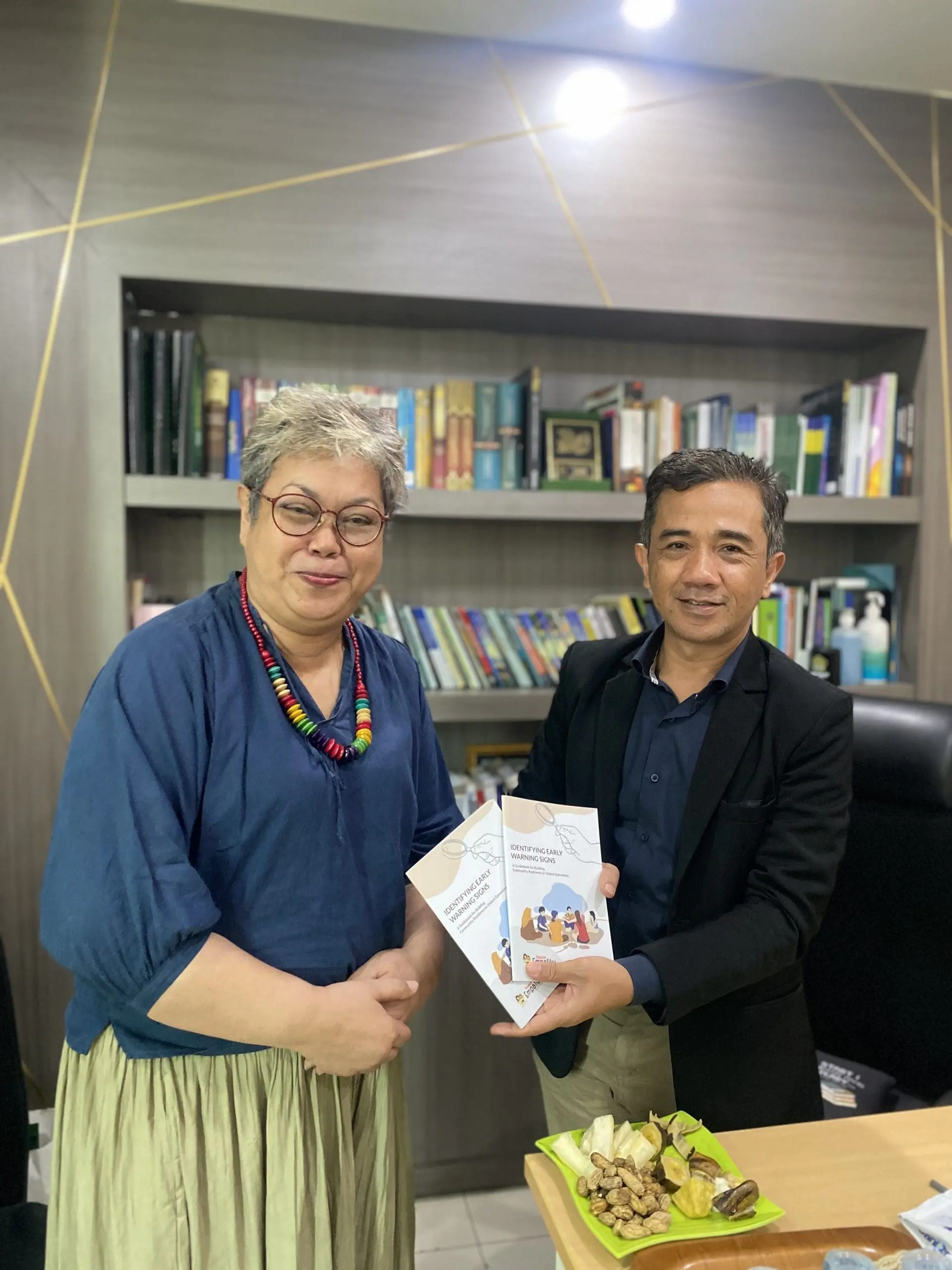
With ICAN’s support, Empatiku translated their Guidebook for Building Community Resilience to Violent Extremism into English and plans to translate it into Arabic for Odessa and other women peacebuilders.
Community-Based Early Warning Systems in Action
In Indonesia, local gatherings are a cultural norm, so few people in Sukamaju were aware that one Qur’anic study group of 15 men had become radicalized. After discovering that five of the men were trained by paramilitaries and connected to extremist networks, the police arrested them, and after serving their sentences, they were reintegrated into the community. Key to Empatiku’s success is the 15-person resilience team, tasked with implementing the Community-Based Early Warning System to build community resilience. Led by the Head of the Village, this team specializes in public education, case management, and social cohesion, working closely with local police or military officers who serve as advisors.
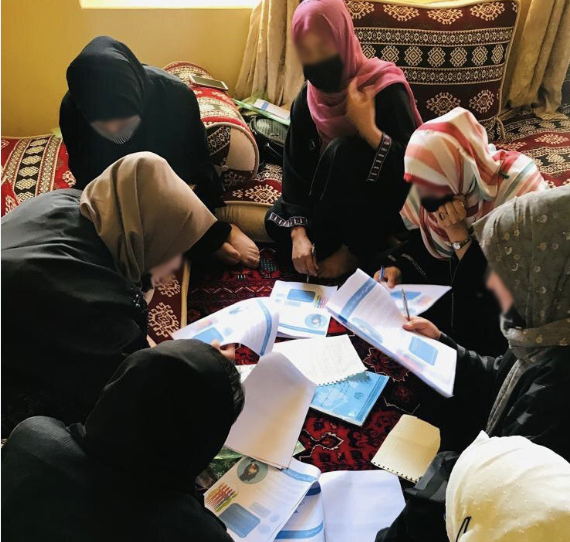
The resilience team assists returnees by helping them obtain their public health insurance cards and register small- to medium-sized enterprises. With support from Empatiku, they organized a peer support group for the wives of returnees, where they rebuilt each other’s confidence through mutual support. In the words of Purwati, a wife of a former extremist, “the resilience team helped me lift the social stigma, reintegrate into society, and continue my Quran training circle.”
“We don’t approach through ideology; we can talk about their children, help find free education.” – Mega Priyorti, Program Officer, Empatiku Foundation
In Pondok Kacang Timur (PKT), an 11-person resilience team has been working since 2019 to raise awareness about extremism and prevent radicalization. They use economic empowerment as an entry point, supporting women affected by extremism to produce and sell banana chips, which has improved social cohesion by bringing them together with other community members. Through cooking and conversation, the women find solutions to community problems.
In both Sukamaju and PKT, ICAN, Empatiku, and Odessa witnessed how local communities feel ownership of the Community-Based Early Warning System. It is not only a critical platform to prevent violent extremism but also other forms of violence, such as domestic violence and bullying in schools.
Learning and Next Steps
Throughout the week, Maysoon Ahmed shared Odessa’s work in Iraq, noting key similarities with Empatiku in Indonesia—especially the stigma surrounding those affected by violent extremism. In Iraq, the government has not officially granted permission for Odessa to work with affected communities, because of the perceptions that it would betray the memory of those killed by ISIS and that families of former extremists were perceived as being “part of the crime.”
To challenge these perceptions, Maysoon utilizes a Qur’anic quote to separate the women from the actions of their relatives. She also noted some key differences: in Iraq, those who became part of ISIS in Iraq inflicted harm on their neighbors and own communities, while in Indonesia, many enacted violence on other communities and later returned to their own. Motivations also varied. Those in Indonesia joined ISIS because they were radicalized and influenced by the religious ideology, while Iraqis were often motivated by economic reasons.
Maysoon was impressed by Empatiku’s close partnerships with the Ministry of Religious Affairs, BNPT, and the police. These constructive relationships allow Empatiku to strengthen a “whole of society” approach and community ownership of the early warning system. These relationships at the national level also enabled Mira to localize the PVE National Action Plan within two districts.
Inspired by this exchange, Maysoon and her Odessa colleagues plan to lay the foundation for the Community-Based Early Warning System in their communities. Because of widespread security concerns and the challenges of tracking individual cases, Maysoon will adapt the approach to raise awareness of violent extremism through community dialogue.
“Mira was able to create a space for engagement and collaboration. I will try to work on this in Iraq.” – Maysoon Ahmed, Director, Odessa Organization for Women’s Development
Meanwhile, Empatiku continues to scale the Community-Based Early Warning System. The Ministry of Religious Affairs has requested Community-Based Early Warning System training for 50,000 local religious leaders nationwide. Empatiku is also researching a peer support group for returnees, based on the psychological stages of grief, and integrated a strong mental health component.
“We meet heart by heart, when we meet with our WASL sisters face-to-face” – Mira Kusumarini, Founder and Director, Empatiku
“Meeting WASL members in person gives a lot of added value in terms of getting in contact personally, allowing time to share experience and gain a sense of community with value to improve each other’s work.” – Mira Kusumarini, Founder and Director, Empatiku