مدينة البصرة في جنوب العراق، المدينة التي تضررت طويلا من الحرب وقلة الاستثمارات، تواجه تهديدات متزايدة بسبب خطاب الكراهية والتطرف وتآكل الثقة بين المواطنين والمؤسسات. وغالبا ما يقع الشباب -وخاصة الشابات- في قلب هذه التوترات، في عالم تتقاطع فيه المضايقات والتحرش الالكتروني مع الواقع. وفي مثل هذه البيئة، تتبنى جمعية الفردوس العراقية (الفردوس) نهجا جديدا […]
The Odd Couple: Women Peacebuilders and Security Actors Bridging Positions, Building Trust
The WPS agenda has proven a vital entry point for women peacebuilders to engage with the security sector and build trust within affected communities. These efforts—often invisible—are contributing to the reform of the sector, reshaping local security environments and mitigating violence.
The War Against Ourselves: Afghan Women Peacebuilders’ Response to the Mental Health Crisis in Afghanistan
This case study describes the drivers of the mental health crisis in Afghanistan, its gendered and cultural dimensions, and the strategies used by Afghan women-led peacebuilding organizations to provide solutions. The authors conducted interviews with representatives of Afghan women-led peacebuilding organizations and thematic experts, which were complemented by a desk review of project documentation and […]
Women have led the development of peacebuilding practice and strategy for decades, but for too long, their contributions, stories, and wisdom have been silenced or sidelined in global discourse. Centering women at the heart of peacebuilding scholarship, ICAN is leading the development of an edited volume of autoethnographies written by 23 members of the Women’s Alliance for Security Leadership (WASL). Each chapter will document their innovative strategies and critical impact in the field of peacebuilding, not just as a legacy for history, but as a tool for learning, to preserve and share their work with future generations.
This project aims to shift mindsets at the grassroots, in policymaking spaces, and in academia. This work will serve as both an act of restoration and reclamation—spotlighting the personal narratives and professional contributions of women peacebuilders.
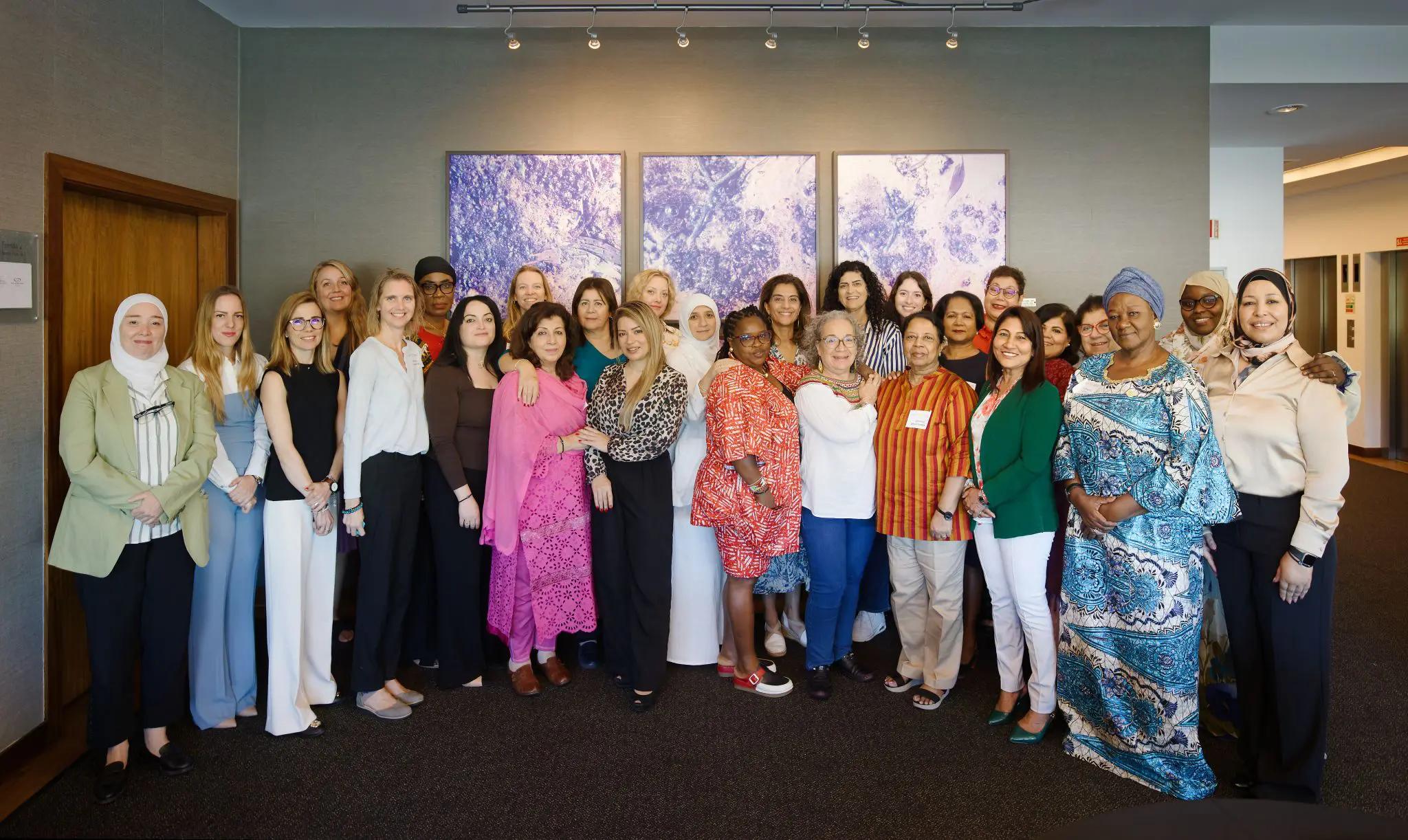
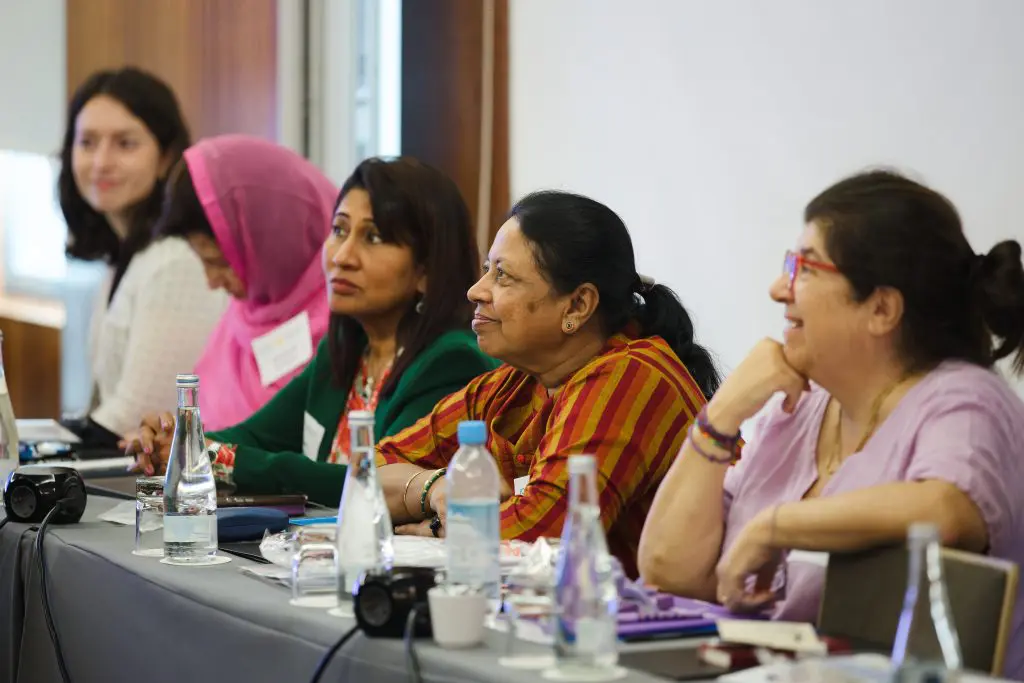
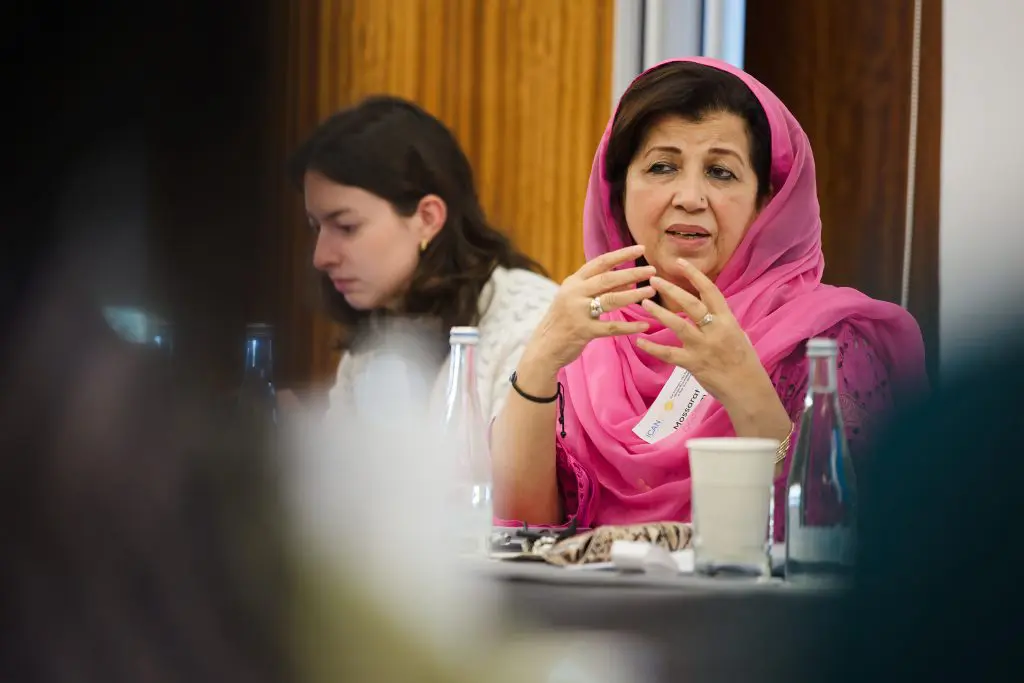
As part of this initiative and marking 25 years of the Women, Peace, and Security agenda, ICAN convened 20 members of WASL in Lisbon for the “Our Strategies, Our Peace” Writers’ Workshop. This unique gathering provided a secure and creative space for women peacebuilders to share their strategies, experience, expertise, and stories from conflict and crisis contexts.
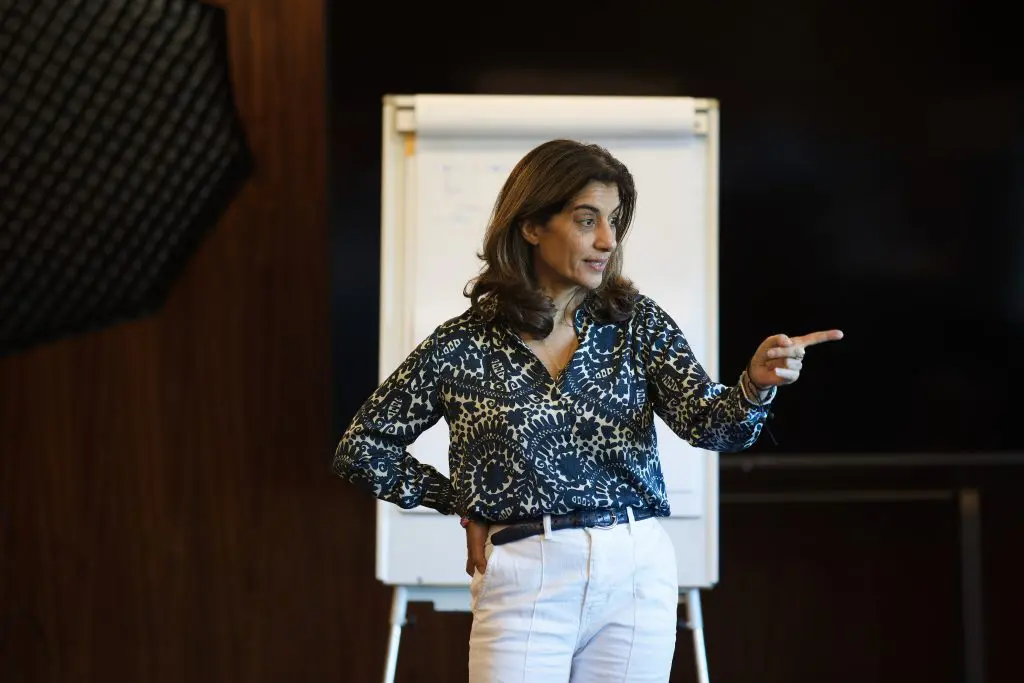
“As civil society, we are aiming to demonstrate the indigenous nature of mediation work, especially by women, across cultures and geographies throughout time. This is a contribution both to the current mediation practices and to the scholarship of peacebuilding, with attention to how women make significant differences and have expanded the field of practice.”
– Sanam Naraghi Anderlini, MBE, ICAN Founder and CEO
Collective Analysis through Strategy-Telling
Each chapter of the volume aims to meld personal stories, social analysis, and peacebuilding strategies to demonstrate how women peacebuilders’ work is powerful specifically because of who they are and where they come from.
“The framing shifts us away from deficit-based narrative of focusing only on the obstacle and instead highlights the resilience, the success stories, creativity, and agency.”
– Kawther Alkholy, Director, Women for Justice Foundation, Canada
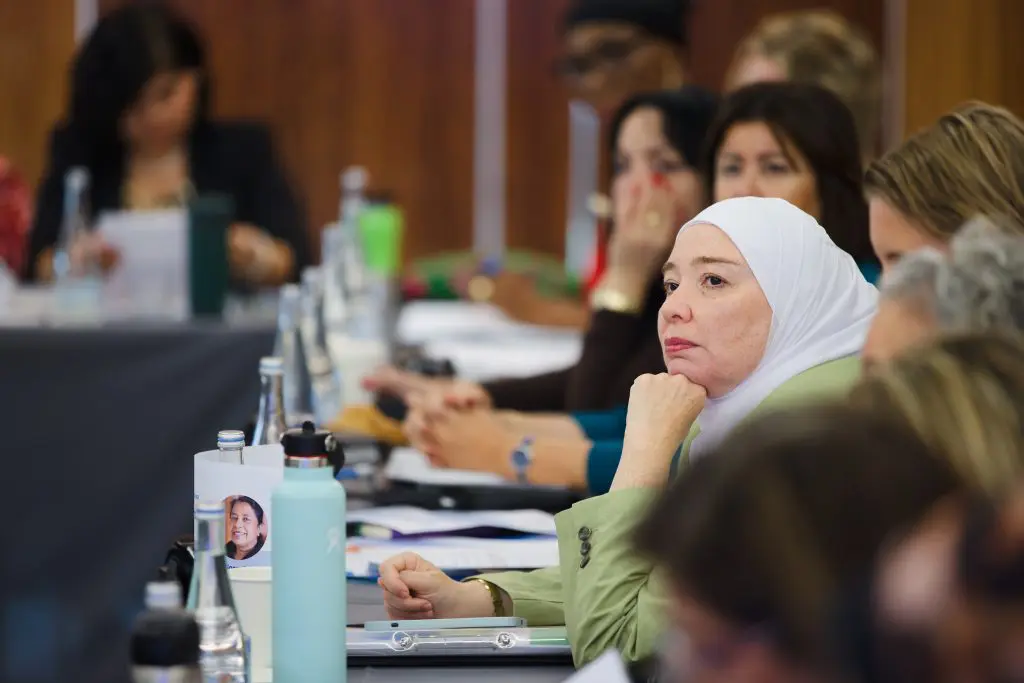
Over three days in Lisbon, the group engaged in personal reflection and comparative analysis. During six “strategy-telling” sessions, participants unpacked the roles that their background, family, and kinship; faith, religion, and spirituality; culture; gender, sex, and identity; law, policy, and theory; and movement-building and leadership play in influencing their work as peacebuilders.
The workshop’s participants spanned continents, generations, and approaches to peacebuilding; yet, together, the women peacebuilders found common threads. The group discussed how personal loss led them to engage in peacebuilding work; their motivation propelled by faith or specific role models; and the ways in which they harness aspects of their identities to build trust with their communities.
“We want the world to see that the way we shape policies and the way we think about the world and the tools we use are different and must be taken into account.”
– Rosa Emilia Salamanca, Executive Director, Corporación de Investigación y Acción Social y Económica (CIASE)
Even though many participants had known each other for years, many discovered new components of each other’s strategies and stories, learning lessons to take back to their own peacebuilding practice.
Bridging the Gap: Local Strategies and International Policies
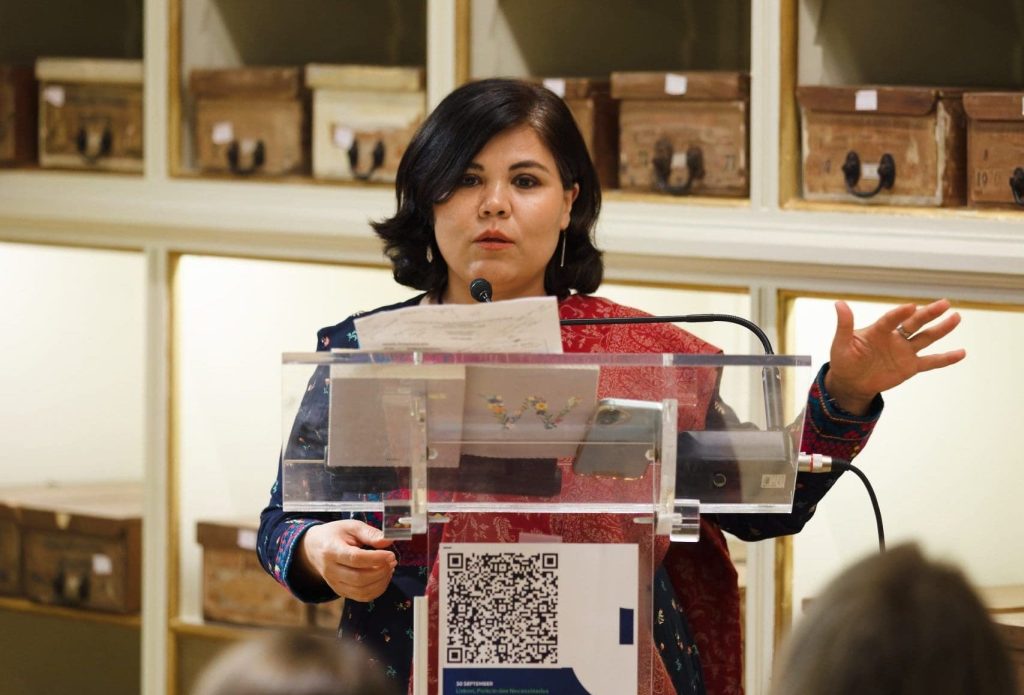
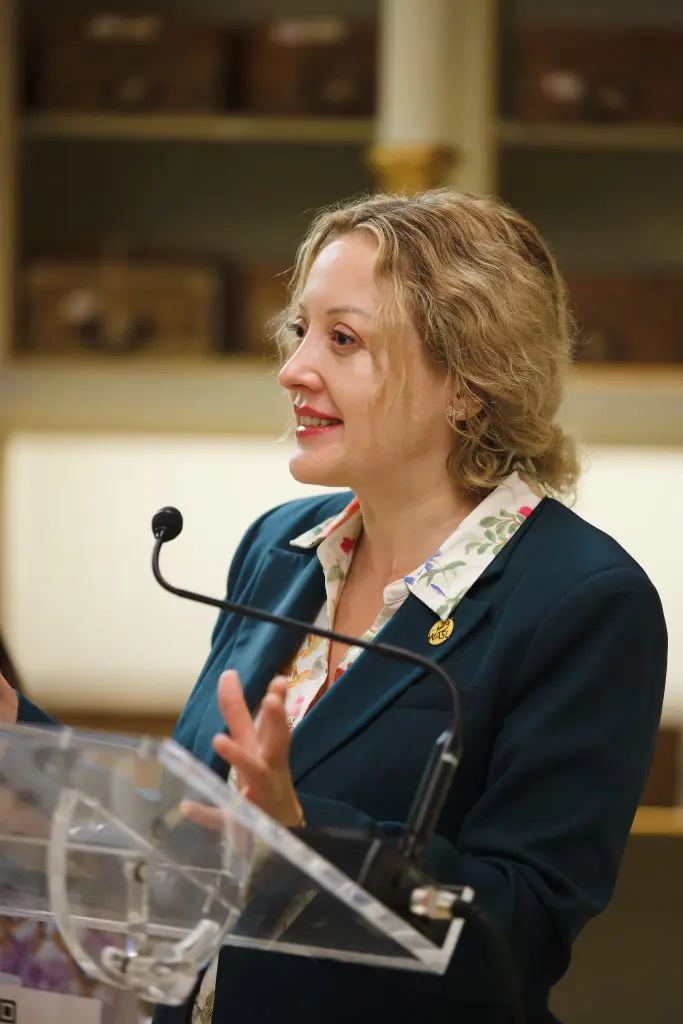
While in Lisbon, ICAN, in partnership with the International Dialogue Centre (KAICIID), Portugal’s Diplomatic Institute, Ministry of Foreign Affairs, and Secretary of State for Foreign Affairs and Cooperation Ana Isabel Xavier, convened a High-Level Roundtable on “Advancing Inclusive Peace: Women’s Leadership in Dialogue”.
“These voices are the ones holding together the very fabric of our societies and are shaping the future of peace.”
– Ambassador António de Almeida Ribeiro, Acting Secretary General, KAICIID
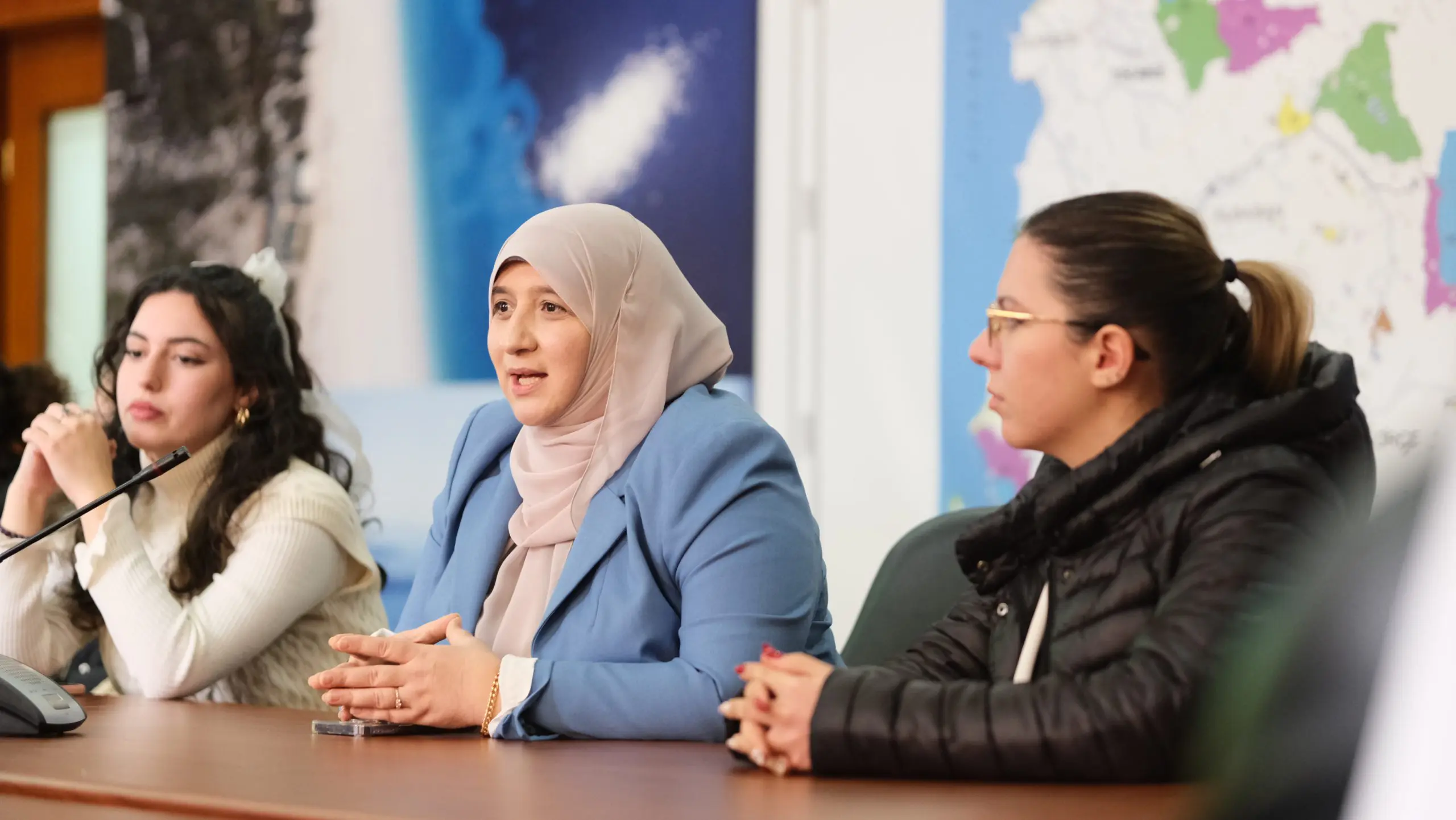
ICAN Founder and CEO Sanam Naraghi Anderlini and WASL partners Lucy Talgieh, Wazhma Frogh, and Nina Potarska spoke at the roundtable. Their remarks drew attention to the gap between vision and implementation of the WPS agenda, and showcased the strategies they use to build peace in their countries amid rapidly closing civic space.
“Let us not allow this anniversary to pass with empty words. Let it be a turning point where recognition becomes actions, where justice will be pursued with courage, and where Palestinian women will finally receive the protection, participation, and peace they have been promised for a quarter of a century.”
– Lucy Talgieh, Head of Women Department, Wi’am – The Palestinian Conflict Transformation Center, and Deputy Mayor, Bethlehem
“Millions of women in Afghanistan, we can’t hear from them, but they’re not passive victims. These are women who are proactively taking initiatives and making spaces for other women and their daughters.”
– Wazhma Frogh, Founder, Women and Peace Studies Organization, Canada
“It’s difficult to build peace only with a weapon. I cannot imagine how we can live in a country if we cannot walk in the forest anymore, we cannot use our land, we cannot use our sea and rivers.”
– Nina Potarska, Ukraine National Coordinator, Women’s International League for Peace and Freedom (WILPF)
Putting Pen to Paper
As the initiative builds momentum, authors left Lisbon energized to continue the writing process. Many participants commented on the vital role of this work to increase visibility of women peacebuilders and therefore legitimize, fund, and sustain their locally rooted strategies.
“Through sharing this journey of ours, we are reclaiming our authority in history. We are not only reclaiming our authority in history, but trying to inspire the future generation that peace is possible. It is possible when the women are there.”
“I want to pass my story on to the next generation so that other people can pick it up from where I’ve left off.”
– Clotilda Andiensa Waah, Founder and CEO, Center for Advocacy in Gender Equality and Action for Development (CAGEAD)
ICAN’s support to the authors continues as they put pen to paper. Through this first edited volume, we hope to share these strategies and stories with practitioners, scholars, policymakers, students, and the general public. These stories will underscore that inclusive peacebuilding is more effective, impactful, and sustainable than militarized approaches; in an era of compounding crises, visibility and widespread support for women peacebuilders matters more than ever. We look forward to sharing more about our initiative in the coming year.
Follow along across our social media platforms @whatthewomensay and sign up to our newsletter for additional updates.
This event was part of ICAN’s larger Documentation Initiative. Learn more here.
مدينة البصرة في جنوب العراق، المدينة التي تضررت طويلا من الحرب وقلة الاستثمارات، تواجه تهديدات متزايدة بسبب خطاب الكراهية والتطرف وتآكل الثقة بين المواطنين والمؤسسات. وغالبا ما يقع الشباب -وخاصة الشابات- في قلب هذه التوترات، في عالم تتقاطع فيه المضايقات والتحرش الالكتروني مع الواقع. وفي مثل هذه البيئة، تتبنى جمعية الفردوس العراقية (الفردوس) نهجا جديدا […]
The International Civil Society Action Network (ICAN) and the Women’s Alliance for Security Leadership (WASL) Statement: The Escalating U.S.-Israeli War on Iran and its Regional Ramifications
Iraqi Al-Firdaws Society (Al-Firdaws) is taking a new approach to peacebuilding. Their project, Horizon: Promoting Community Peace, supported by ICAN’s Innovative Peace Fund (IPF), brings together youth, local security forces, and civil society actors to address violent extremism through dialogue, education, and community-based action.
Women peacebuilders often operate in some of the world’s most dangerous contexts—yet the security support available to them is frequently fragmented, repetitive, and short-term. Recognizing the need for a fundamentally different approach, ICAN conducted a holistic security assessment of its Afghan partners, including members of the Women’s Alliance for Security Leadership (WASL). The result is the Holistic Security Menu: a co-designed, partner-driven model that provides practical and sustainable security support—on women peacebuilders’ […]
On October 6, 2025, the U.N. Security Council holds its annual open debate on Resolution 1325 on Women, Peace, and Security. Today, we are not issuing a new statement. Instead, we are honoring our community of women peacebuilders—who appeared before the Security Council throughout these 25 years, speaking for the millions they represent—by echoing their messages.
ICAN FeaturedICAN LatestICAN UpdatesWASL UpdatesWomen's Alliance for Security Leadership
In South Sudan, a nation where peace has long remained fragile and democratic progress uncertain, women are stepping forward to shape the future of their country. Long excluded from the corridors of power, they are forging their own movement for lasting change.
On behalf of the International Civil Society Action Network (ICAN) and members of the global Women’s Alliance for Security Leadership (WASL), we are honored to nominate Francesca Albanese, United Nations Special Rapporteur on the situation of human rights in the Palestinian territories occupied since 1967, for the 2026 Nobel Peace Prize.
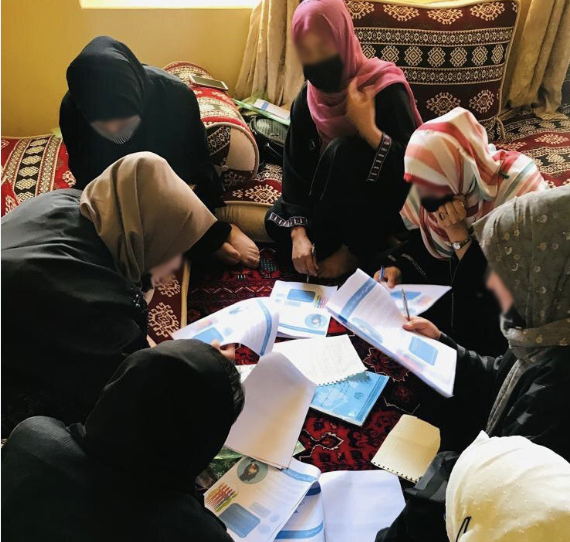
در عرصه صحت روانی، افغانستان با بحران پیچیدهای مواجه است که این بحران به طور جدایی ناپذیر با ناامنی شدید فیزیکی، سیاسی و اقتصادی در کشور گره خورده و این نا امنی ها بحران را تشدید میکند. برای رسیدگی به آسیب های روانی، صحت و بهداشت جامعه به شیوه های پاسخگو به جنسیت و با مد نظر گرفتن حساسیت های فرهنگی، سازمانهای فعال در عرصه صلح سازی به رهبری زنان افغان در موقعیتی منحصربه فرد قرار دارند. این سازمان ها خدمات ابتدایی ارائه میدهند، مهارتها را توسعه میبخشند و در شکلدهی هنجارهای فرهنگی و جنسیتی نقش مؤثر ایفا میکنند.
ICAN FeaturedICAN LatestICAN UpdatesWASL UpdatesWomen's Alliance for Security LeadershipWPSO
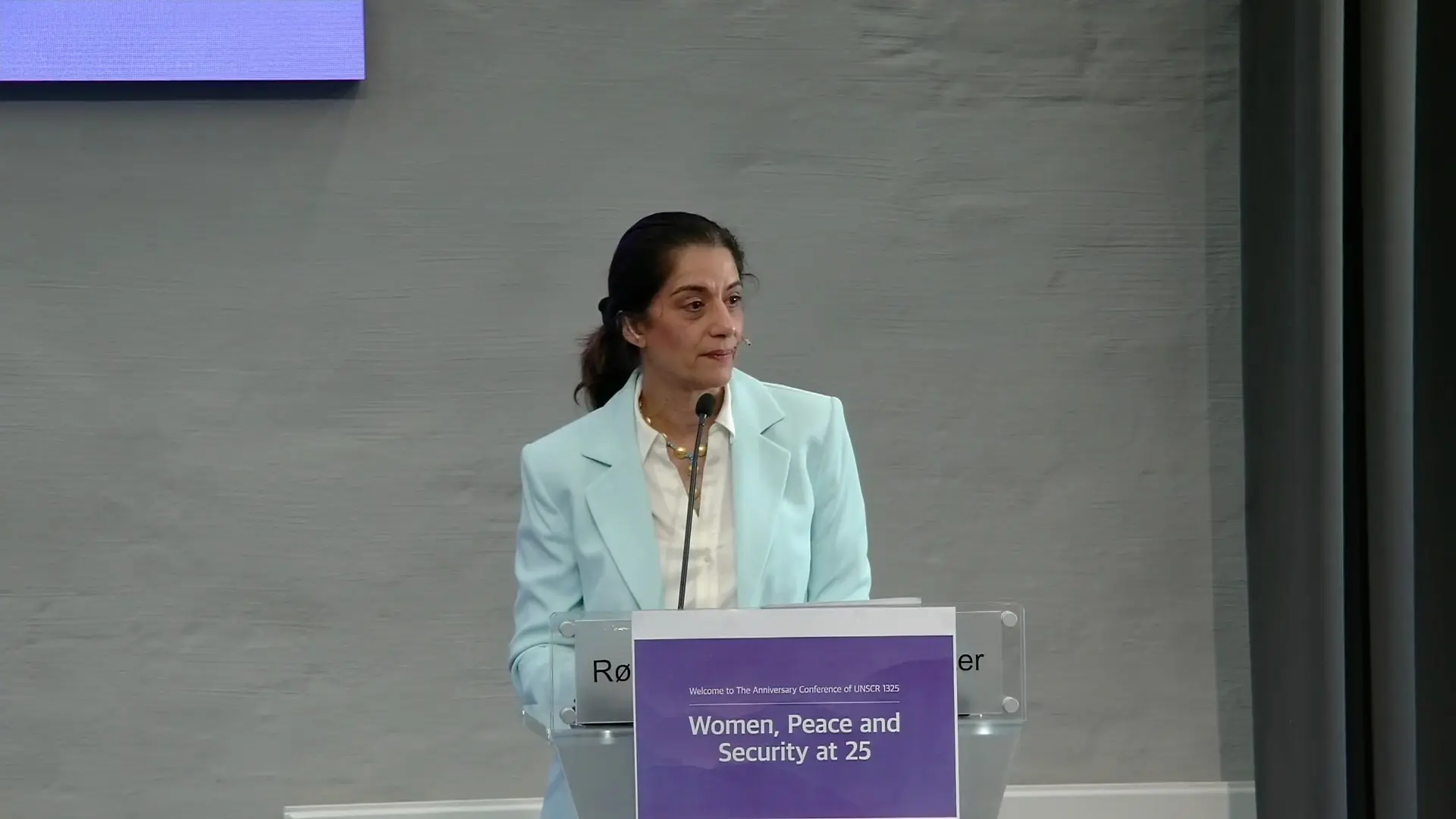
On May 5, 2025, ICAN's Sanam Naraghi Anderlini delivered the keynote speech at the two-day international conference "25th Anniversary Conference of UNSCR 1325 Women, Peace and Security."
As Senator Mobina Jaffer concludes 23 years of distinguished public service in the Canadian Senate, we extend our deepest thanks for her steadfast leadership as Chair of ICAN’s Board of Directors from 2014 to 2024.