The Odd Couple: Women Peacebuilders and Security Actors Bridging Positions, Building Trust
The WPS agenda has proven a vital entry point for women peacebuilders to engage with the security sector and build trust within affected communities. These efforts—often invisible—are contributing to the reform of the sector, reshaping local security environments and mitigating violence.
The War Against Ourselves: Afghan Women Peacebuilders’ Response to the Mental Health Crisis in Afghanistan
This case study describes the drivers of the mental health crisis in Afghanistan, its gendered and cultural dimensions, and the strategies used by Afghan women-led peacebuilding organizations to provide solutions. The authors conducted interviews with representatives of Afghan women-led peacebuilding organizations and thematic experts, which were complemented by a desk review of project documentation and […]
Home»Uncategorized»
ICAN’s Holistic Security Menu: A New Way to Support Women Peacebuilders
ICAN’s Holistic Security Menu: A New Way to Support Women Peacebuilders
29 January 2026
Women peacebuilders often operate in some of the world’s most dangerous contexts—yet the security support available to them is frequently fragmented, repetitive, and short-term. Recognizing the need for a fundamentally different approach, ICAN conducted a holistic security assessment of its Afghan partners, including members of the Women’s Alliance for Security Leadership (WASL).
The result is the Holistic Security Menu: a co-designed, partner-driven model that provides practical and sustainable security support—on women peacebuilders’ own terms.
Rather than one-off trainings or generic toolkits, the Holistic Security Menu offers a coordinated suite of services that address security as an interconnected system: physical, digital, psychosocial, and organizational. Partners choose what they need, when they need it, and how deeply they engage. ICAN covers the costs and coordinates the entire process, allowing peacebuilders to focus on their work, not logistics.
A Holistic, Partner-Led Model
ICAN piloted the Holistic Security Menu from January–March 2025 with funding from the UK Foreign, Commonwealth, and Development Office (FCDO). It is built on three core principles:
Partner-driven: WASL partners helped design the Menu and decide how it is used. Participation is voluntary, flexible, and responsive to real needs.
Holistic: Security is treated as more than digital safety or physical risk. It includes mental health, organizational practices, and long-term resilience.
Sustainable: Services go beyond information-sharing to hands-on support, follow-up, and pathways for transition over time.
The Holistic Security Menu draws directly on the expertise of the WASL network itself, mobilizing gendered, context-specific knowledge from across regions.
What the Security Menu Includes
During the pilot, Afghan partners accessed a range of interconnected services, including:
Mental Health and Psychosocial Support (MHPSS):Over 70 individual and 13 group sessions in either Farsi or English.
Individual and group sessions provided by WASL partners Zarina Alimshoeva(in Farsi)and Rescue Me (Nancy and Maya Yammout), delivering Psychosocial First Aid for First Responders.
Training workshops led by WASL member Neem Foundation.
Digital Security: In-depth organizational assessments by Digital Shelter, followed by an eight-week training course, Training of Trainers, and ongoing office hours for additional support.
Security Policy and Practice: Practical workshops on physical and digital security delivered by women-led teams from Afghan Witness, with resources available for continued use.
Security Mini-Grants: Flexible stipends allowing partners to implement immediate security improvements—from VPNs to security cameras—based on their own priorities.
Following the pilot, ICAN expandedtheHolistic Security Menu to include Hostile Environment Awareness Training (HEAT) workshops led by Afghan women-led organization Rights Monitor, and a referral pathway to support those providing care themselves, working with counsellors from Afghans for Progressive Thinking (APT) to offer support in Dari, Pashto, and English. This second phase of the Security Menu has been supported by the Rockefeller Brothers Fund.
Built for Sustainability
ICAN assessed every service within the Holistic Security Menu to ensure sustainability and design that moves beyond “training fatigue.” Support was delivered over time, tailored to individual and organizational needs, integrated across security dimensions, and accompanied by follow-up and transition planning.
Most importantly, the model is needs-based, grounded in partner assessments, and adapted to specific cultural, geographic, and conflict contexts—with gendered security realities at its core.
Looking Ahead
The Holistic Security Menu provides a powerful foundation for rethinking how security support is delivered to women peacebuilders. Moving forward, ICAN aims to expand the model across the entire WASL network and adapt it to other types of support needed by our partners such as income generation and self-financing skills—continuing to place trust, choice, and sustainability at the center.
Rescue Me is a Lebanon-based NGO co-founded by sisters Maya and Nancy Yamout. The organization works in the areas of victimology, trauma rehabilitation, and violence prevention. Its focus is on individuals and communities affected by extremism, displacement, and large-scale crises. Rescue Me provides trauma-informed psychosocial support through individual and group interventions. The organization combines evidence-based therapies with expressive and vocational approaches to strengthen resilience, support rehabilitation, and promote long-term recovery. Rescue Me is a member of the Women’s Alliance for Security Leadership (WASL).
Nancy Tarek Yammout is a BPS-registered psychologist and MSW social worker with over 16 years of experience, specialising in behavioural analysis, rehabilitation, and mental health support. Nancy has worked extensively with male prisoners in Roumieh Prison and female inmates at Barbar el Kazin, focusing on individuals accused of extremism-related charges. Through his work, she has developed innovative strategies to address extremist behaviours and foster rehabilitation.
In recent years, Nancy has expanded her focus to address the mental health needs of youth and individuals affected by trauma and grief. Following the August 4th explosion in Beirut, she provided vital mental health support to affected individuals, helping them process their experiences and move toward healing.
Nancy specialises in evidence-based therapies such as Cognitive Behavioural Therapy (CBT), Dialectical Behaviour Therapy (DBT), and Mentalization-Based Treatment (MBT). Her work in MBT emphasises understanding and interpreting mental states to improve emotional regulation and interpersonal functioning, particularly for patients with Borderline Personality Disorder (BPD). Nancy’s dedication to advancing therapeutic practices and supporting those in need continues to drive her work in mental health and rehabilitation.
Dr. Maya Yamout is the Co-Founder and Vice President of Rescue Me, an NGO dedicated to addressing victimology, trauma rehabilitation, and violence prevention. Maya’s work focuses on empowering Syrian refugee women and conducting field research on victims of extremism, violent crimes, and extremist behaviors. Alongside her sister Nancy, she has conducted forensic social work research and interviewed over 100 individuals accused of extremism-related charges in Lebanon’s prisons.
Maya integrates her expertise in Cognitive Behavioural Therapy (CBT), Dialectical Behaviour Therapy (DBT), Eye Movement Desensitization and Reprocessing (EMDR), and crisis and trauma counselling into her work. She combines these therapeutic approaches with innovative interventions, such as expressive art and vocational training, to create effective psycho-social programming for youth and trauma survivors.
Her recent projects include providing mental health support to survivors of the August 4th explosion, advocating for peacebuilding, and facilitating conflict resolution. Maya’s comprehensive approach emphasises resilience and rehabilitation, addressing both individual and community needs in crisis settings.
Rescue Me is a Lebanon-based NGO co-founded by sisters Maya and Nancy Yamout. The organization works in the areas of victimology, trauma rehabilitation, and violence prevention. Its focus is on individuals and communities affected by extremism, displacement, and large-scale crises. Rescue Me provides trauma-informed psychosocial support through individual and group interventions. The organization combines evidence-based therapies with expressive and vocational approaches to strengthen resilience, support rehabilitation, and promote long-term recovery. Rescue Me is a member of the Women’s Alliance for Security Leadership (WASL).
Nancy Tarek Yammout is a BPS-registered psychologist and MSW social worker with over 16 years of experience, specialising in behavioural analysis, rehabilitation, and mental health support. Nancy has worked extensively with male prisoners in Roumieh Prison and female inmates at Barbar el Kazin, focusing on individuals accused of extremism-related charges. Through his work, she has developed innovative strategies to address extremist behaviours and foster rehabilitation.
In recent years, Nancy has expanded her focus to address the mental health needs of youth and individuals affected by trauma and grief. Following the August 4th explosion in Beirut, she provided vital mental health support to affected individuals, helping them process their experiences and move toward healing.
Nancy specialises in evidence-based therapies such as Cognitive Behavioural Therapy (CBT), Dialectical Behaviour Therapy (DBT), and Mentalization-Based Treatment (MBT). Her work in MBT emphasises understanding and interpreting mental states to improve emotional regulation and interpersonal functioning, particularly for patients with Borderline Personality Disorder (BPD). Nancy’s dedication to advancing therapeutic practices and supporting those in need continues to drive her work in mental health and rehabilitation.
Dr. Maya Yamout is the Co-Founder and Vice President of Rescue Me, an NGO dedicated to addressing victimology, trauma rehabilitation, and violence prevention. Maya’s work focuses on empowering Syrian refugee women and conducting field research on victims of extremism, violent crimes, and extremist behaviors. Alongside her sister Nancy, she has conducted forensic social work research and interviewed over 100 individuals accused of extremism-related charges in Lebanon’s prisons.
Maya integrates her expertise in Cognitive Behavioural Therapy (CBT), Dialectical Behaviour Therapy (DBT), Eye Movement Desensitization and Reprocessing (EMDR), and crisis and trauma counselling into her work. She combines these therapeutic approaches with innovative interventions, such as expressive art and vocational training, to create effective psycho-social programming for youth and trauma survivors.
Her recent projects include providing mental health support to survivors of the August 4th explosion, advocating for peacebuilding, and facilitating conflict resolution. Maya’s comprehensive approach emphasises resilience and rehabilitation, addressing both individual and community needs in crisis settings.
Zarrina’s work addresses the correction of mental and emotional states, cognitive distortions, reduced empathy, trust-related challenges, and maladaptive behavioral patterns. She supports individuals in developing effective strategies for adaptation to new socio-cultural environments, resolving personal and family conflicts, and strengthening interpersonal communication. Zarrina Alimshoevais a member of the Women’s Alliance for Security Leadership (WASL).
Zarrina’s work addresses the correction of mental and emotional states, cognitive distortions, reduced empathy, trust-related challenges, and maladaptive behavioral patterns. She supports individuals in developing effective strategies for adaptation to new socio-cultural environments, resolving personal and family conflicts, and strengthening interpersonal communication. Zarrina Alimshoevais a member of the Women’s Alliance for Security Leadership (WASL).
Digital Shelter is a Somalia-based initiative founded in 2018 by human rights defenders. The organization focuses on digital safety, digital rights, inclusion, and internet freedom within Somalia’s growing digital civic space. Led by founder Ayaan Khalif, a digital rights and social justice advocate, Digital Shelter supports human rights defenders, activists, journalists, and civil society actors who face increased digital risks. All support begins with a comprehensive needs assessment to identify security gaps, existing tools, and operational risks. Based on this assessment, it delivers customized digital security trainings on secure communication, encryption, data protection, and cyber threat mitigation. The organization also develops practical resources such as guides and toolkits, facilitates interactive webinars on essential security tools, and provides long-term capacity-building support to strengthen and sustain digital resilience. Digital Shelter is a member of the Women’s Alliance for Security Leadership (WASL).
Digital Shelter is a Somalia-based initiative founded in 2018 by human rights defenders. The organization focuses on digital safety, digital rights, inclusion, and internet freedom within Somalia’s growing digital civic space. Led by founder Ayaan Khalif, a digital rights and social justice advocate, Digital Shelter supports human rights defenders, activists, journalists, and civil society actors who face increased digital risks. All support begins with a comprehensive needs assessment to identify security gaps, existing tools, and operational risks. Based on this assessment, it delivers customized digital security trainings on secure communication, encryption, data protection, and cyber threat mitigation. The organization also develops practical resources such as guides and toolkits, facilitates interactive webinars on essential security tools, and provides long-term capacity-building support to strengthen and sustain digital resilience. Digital Shelter is a member of the Women’s Alliance for Security Leadership (WASL).
Afghan Witness (AW) is a project by CIR that uses open source intelligence (OSINT) to independently collect, preserve and verify information on the human rights, security and political situation in Afghanistan to provide a reliable source of information for international organisations, policymakers and the media, and to raise awareness of the reality of everyday life for Afghans living in the country.
The project aims to strengthen the Afghan information environment by providing technical and financial support to Afghan researchers and civil society organisations. AW designs and delivers bespoke digital resilience training and resources to the Afghan human rights community, particularly those defending the rights of women and girls and minority groups, fostering collaboration between human rights defenders, policymakers and researchers to help shine a light on developments in Afghanistan.
Afghan Witness (AW) is a project by CIR that uses open source intelligence (OSINT) to independently collect, preserve and verify information on the human rights, security and political situation in Afghanistan to provide a reliable source of information for international organisations, policymakers and the media, and to raise awareness of the reality of everyday life for Afghans living in the country.
The project aims to strengthen the Afghan information environment by providing technical and financial support to Afghan researchers and civil society organisations. AW designs and delivers bespoke digital resilience training and resources to the Afghan human rights community, particularly those defending the rights of women and girls and minority groups, fostering collaboration between human rights defenders, policymakers and researchers to help shine a light on developments in Afghanistan.
Neem Foundation is a leading non-profit organization working in Nigeria and the Lake Chad Basin region to build resilient, peaceful, and tolerant communities. Established in response to the need for sustainable crisis intervention, the foundation specializes in mental health support, education, and peacebuilding. Neem works closely with grassroots communities, government institutions, and international partners to deliver evidence-based programs that address trauma, conflict, and social instability. Through an integrated approach that promotes psychological well-being and social cohesion, Neem equips individuals and communities with the tools needed to heal, adapt, and thrive. Neem’s work is guided by a vision of a peaceful and resilient society where people have access to opportunities for recovery, learning, and personal development. Neem Foundation is a member of the Women’s Alliance for Security Leadership (WASL).
Neem Foundation is a leading non-profit organization working in Nigeria and the Lake Chad Basin region to build resilient, peaceful, and tolerant communities. Established in response to the need for sustainable crisis intervention, the foundation specializes in mental health support, education, and peacebuilding. Neem works closely with grassroots communities, government institutions, and international partners to deliver evidence-based programs that address trauma, conflict, and social instability. Through an integrated approach that promotes psychological well-being and social cohesion, Neem equips individuals and communities with the tools needed to heal, adapt, and thrive. Neem’s work is guided by a vision of a peaceful and resilient society where people have access to opportunities for recovery, learning, and personal development. Neem Foundation is a member of the Women’s Alliance for Security Leadership (WASL).
Afghans for Progressive Thinking (APT) is a youth-led nonprofit organization founded in 2010 that addresses human rights crises, with a strong focus on women’s rights and girls’ access to education. Over the past decade, it has reached more than 60,000 youth and children, promoting a vision of a just and inclusive society. The organization supports girls and young women through education programs that connect female university students in Afghanistan with mentors abroad, providing coaching on university selection, applications, and transition support, while also offering primary-level schooling to younger girls and boys inside the country. APT facilitates youth networking and advocacy by mentoring young women to share their experiences through writing and engage with the international community on human rights issues. The organization also works on trauma healing and coping by preparing young women to use Internal Family Systems (IFS) techniques to create safe healing spaces. In addition, APT delivers long-standing programs in leadership, debate, writing, and public speaking, empowering young women to publish and amplify their voices under extremely challenging conditions. APT is a member of the Women’s Alliance for Security Leadership (WASL).
Afghans for Progressive Thinking (APT) is a youth-led nonprofit organization founded in 2010 that addresses human rights crises, with a strong focus on women’s rights and girls’ access to education. Over the past decade, it has reached more than 60,000 youth and children, promoting a vision of a just and inclusive society. The organization supports girls and young women through education programs that connect female university students in Afghanistan with mentors abroad, providing coaching on university selection, applications, and transition support, while also offering primary-level schooling to younger girls and boys inside the country. APT facilitates youth networking and advocacy by mentoring young women to share their experiences through writing and engage with the international community on human rights issues. The organization also works on trauma healing and coping by preparing young women to use Internal Family Systems (IFS) techniques to create safe healing spaces. In addition, APT delivers long-standing programs in leadership, debate, writing, and public speaking, empowering young women to publish and amplify their voices under extremely challenging conditions. APT is a member of the Women’s Alliance for Security Leadership (WASL).
Rights Monitor was established in 2020 by Horia Mosadiq, a human rights defender with over 30 years’ experience. The organization brings together a dedicated group of individuals and organizations from South Asia and the Middle East to work on projects tackling the myriad challenges faced by natural and man-made crisis affected societies and countries.
The Rights Monitor team have a wide range of expertise and work with humanitarian, development, profit and non-profit organizations and donor agencies.
Rights Monitor was established in 2020 by Horia Mosadiq, a human rights defender with over 30 years’ experience. The organization brings together a dedicated group of individuals and organizations from South Asia and the Middle East to work on projects tackling the myriad challenges faced by natural and man-made crisis affected societies and countries.
The Rights Monitor team have a wide range of expertise and work with humanitarian, development, profit and non-profit organizations and donor agencies.
Iraqi Al-Firdaws Society (Al-Firdaws) is taking a new approach to peacebuilding. Their project, Horizon: Promoting Community Peace, supported by ICAN’s Innovative Peace Fund (IPF), brings together youth, local security forces, and civil society actors to address violent extremism through dialogue, education, and community-based action.
ICAN’s Mission Five Steps for Sustainable Prevention of Sexual Violence in Conflict ICAN Partner AWAPSA: A Catalyst for Kenya’s First SGBV Court The War Against Ourselves: Afghan Women Peacebuilders’ Response to the Mental Health Crisis in Afghanistan Protecting Women Peacebuilders: The Front Lines of Sustainable Peace
Thank you for your donation to ICAN. Your contribution strengthens women peacebuilders who are preventing violence, protecting communities, and rebuilding trust in some of the world’s most fragile contexts. By supporting ICAN and the Women’s Alliance for Security Leadership (WASL), you help women-led organizations in more than 40 countries mediate conflicts, assist families in crisis, and drive […]
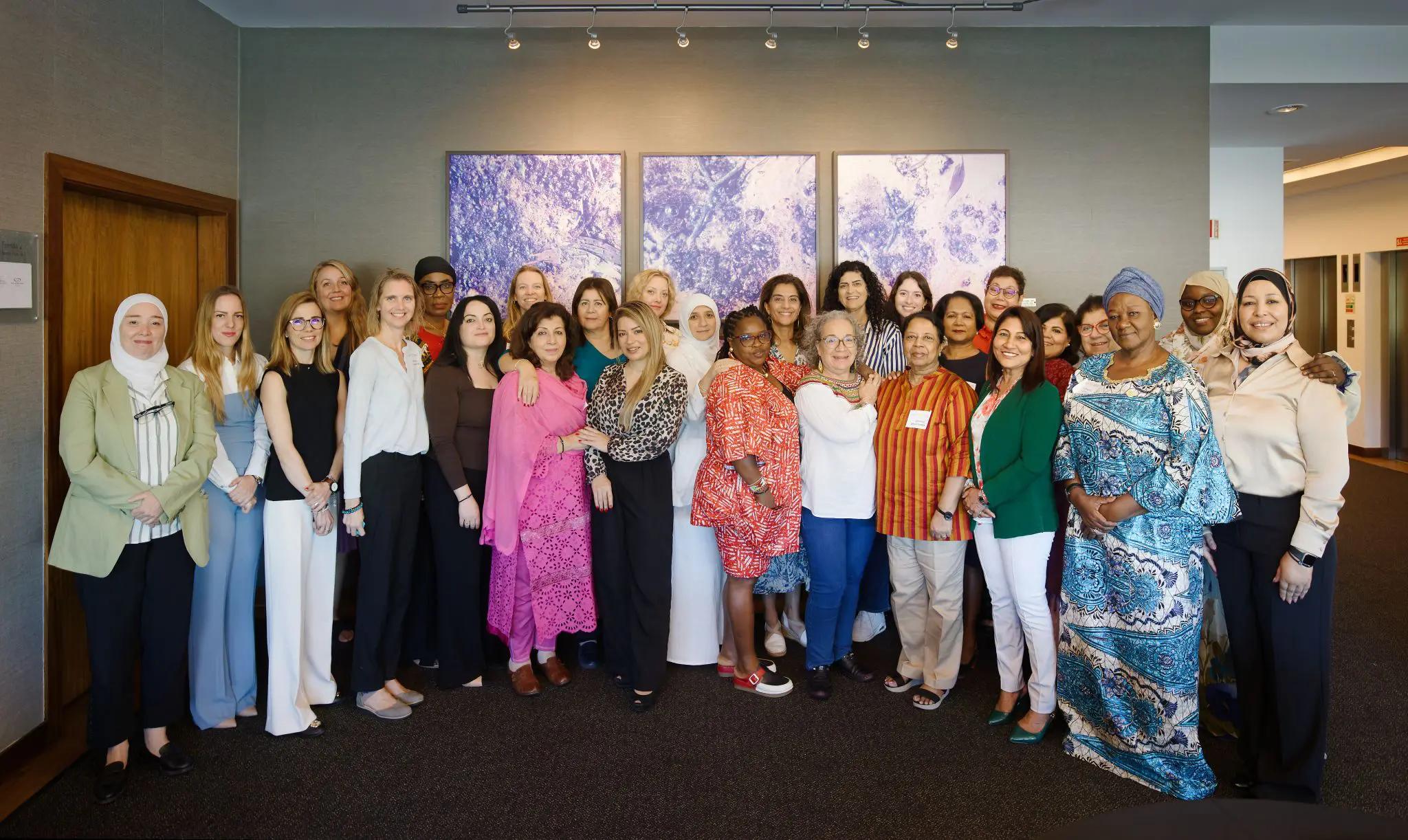
ICAN convened 20 members of WASL in Lisbon for the “Our Strategies, Our Peace” Writers’ Workshop. This unique gathering provided a secure and creative space for women peacebuilders to share their strategies, experience, expertise, and stories from conflict and crisis contexts.
Addu Women's AssociationAllamin FoundationAWAWCAGEADCIASECOECICAN FeaturedMobaderoonPAIMANRescue MeWCDCAWi'amWomen's Alliance for Security LeadershipWPSO
On October 6, 2025, the U.N. Security Council holds its annual open debate on Resolution 1325 on Women, Peace, and Security. Today, we are not issuing a new statement. Instead, we are honoring our community of women peacebuilders—who appeared before the Security Council throughout these 25 years, speaking for the millions they represent—by echoing their messages.
ICAN FeaturedICAN LatestICAN UpdatesWASL UpdatesWomen's Alliance for Security Leadership
In South Sudan, a nation where peace has long remained fragile and democratic progress uncertain, women are stepping forward to shape the future of their country. Long excluded from the corridors of power, they are forging their own movement for lasting change.
On behalf of the International Civil Society Action Network (ICAN) and members of the global Women’s Alliance for Security Leadership (WASL), we are honored to nominate Francesca Albanese, United Nations Special Rapporteur on the situation of human rights in the Palestinian territories occupied since 1967, for the 2026 Nobel Peace Prize.
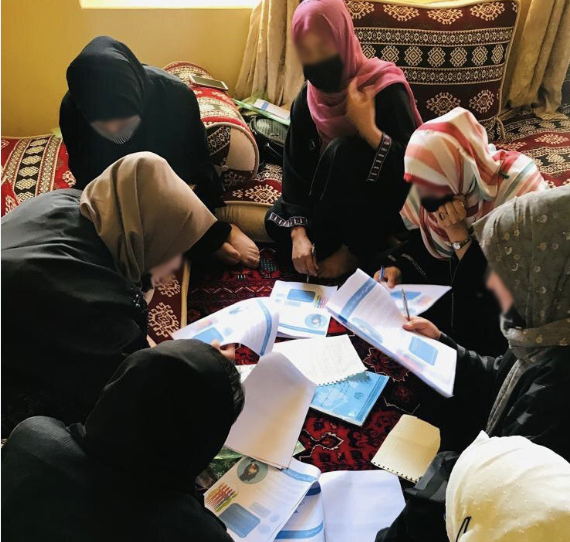
در عرصه صحت روانی، افغانستان با بحران پیچیدهای مواجه است که این بحران به طور جدایی ناپذیر با ناامنی شدید فیزیکی، سیاسی و اقتصادی در کشور گره خورده و این نا امنی ها بحران را تشدید میکند. برای رسیدگی به آسیب های روانی، صحت و بهداشت جامعه به شیوه های پاسخگو به جنسیت و با مد نظر گرفتن حساسیت های فرهنگی، سازمانهای فعال در عرصه صلح سازی به رهبری زنان افغان در موقعیتی منحصربه فرد قرار دارند. این سازمان ها خدمات ابتدایی ارائه میدهند، مهارتها را توسعه میبخشند و در شکلدهی هنجارهای فرهنگی و جنسیتی نقش مؤثر ایفا میکنند.
ICAN FeaturedICAN LatestICAN UpdatesWASL UpdatesWomen's Alliance for Security LeadershipWPSO
In a world increasingly divided by polarization, fear, and misinformation, building trust at the community level has never been more urgent. Religious and faith leaders—often seen as voices of moral authority and guidance—wield significant influence over the social and political attitudes of their communities. As locally rooted, trusted community leaders themselves, the women peacebuilders who make up the Women’s Alliance for Security Leadership (WASL) recognize the value of engaging with religious actors to advance inclusive peace and gender equality
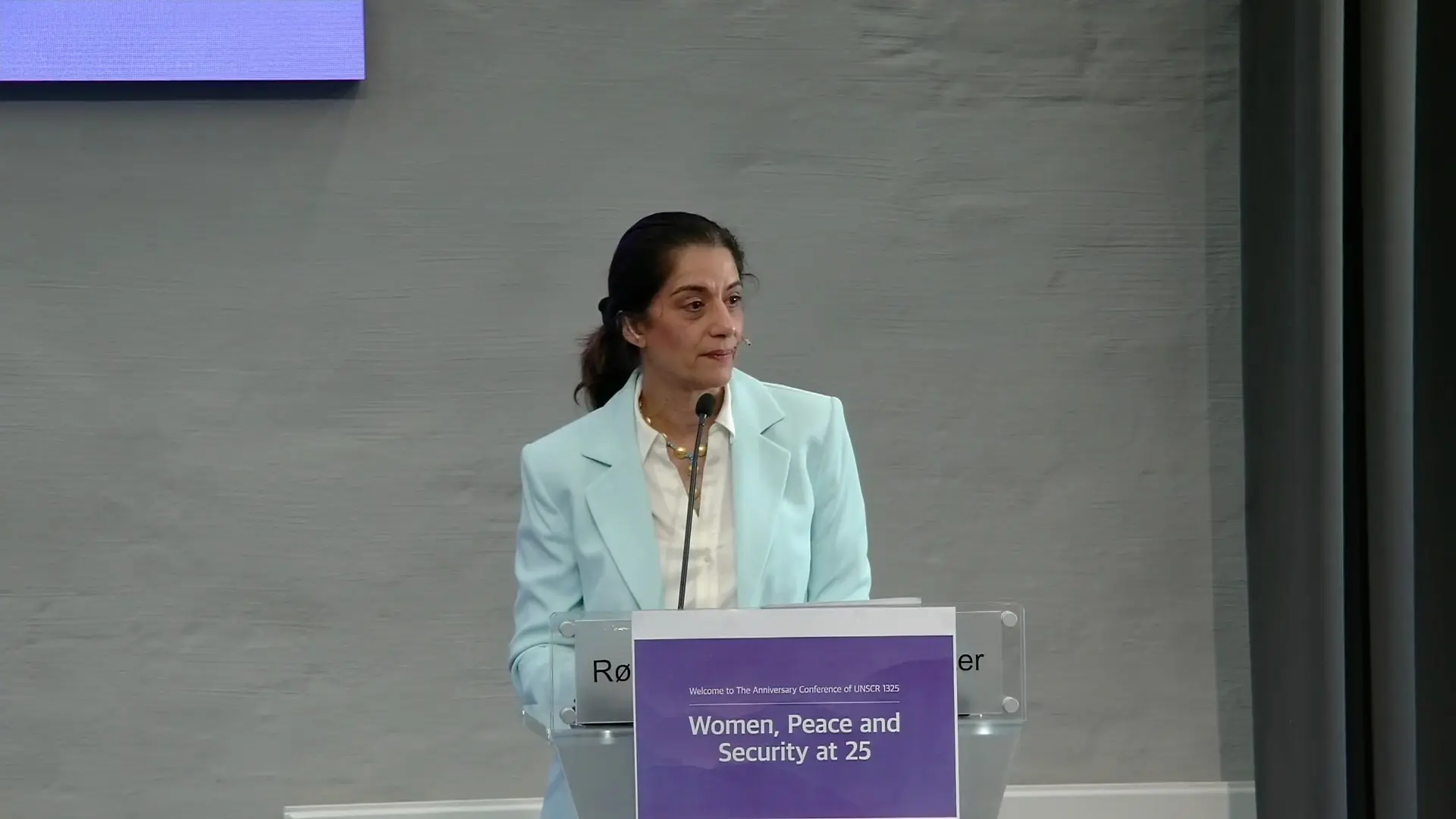
On May 5, 2025, ICAN's Sanam Naraghi Anderlini delivered the keynote speech at the two-day international conference "25th Anniversary Conference of UNSCR 1325 Women, Peace and Security."
As Senator Mobina Jaffer concludes 23 years of distinguished public service in the Canadian Senate, we extend our deepest thanks for her steadfast leadership as Chair of ICAN’s Board of Directors from 2014 to 2024.