In a world increasingly divided by polarization, fear, and misinformation, building trust at the community level has never been more urgent. Religious and faith leaders—often seen as voices of moral authority and guidance—wield significant influence over the social and political attitudes of their communities.
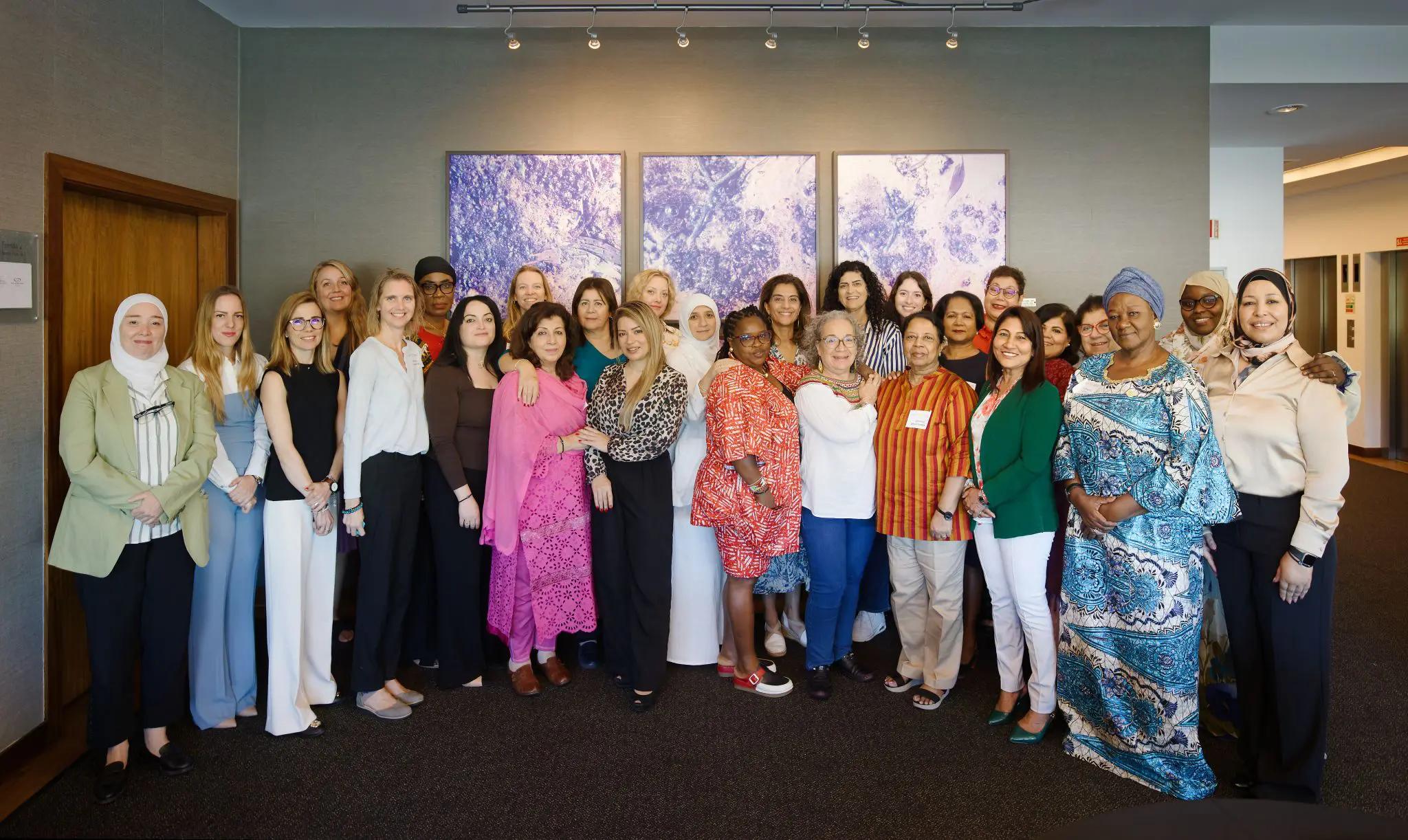
As locally rooted, trusted community leaders themselves, the women peacebuilders who make up the Women’s Alliance for Security Leadership (WASL) recognize the value of engaging with religious actors to advance inclusive peace and gender equality. Many themselves provide alternative gendered interpretations of religious texts and traditions to promote principles of non-violence, dignity, and mutual respect, and foster social cohesion within and across communities.
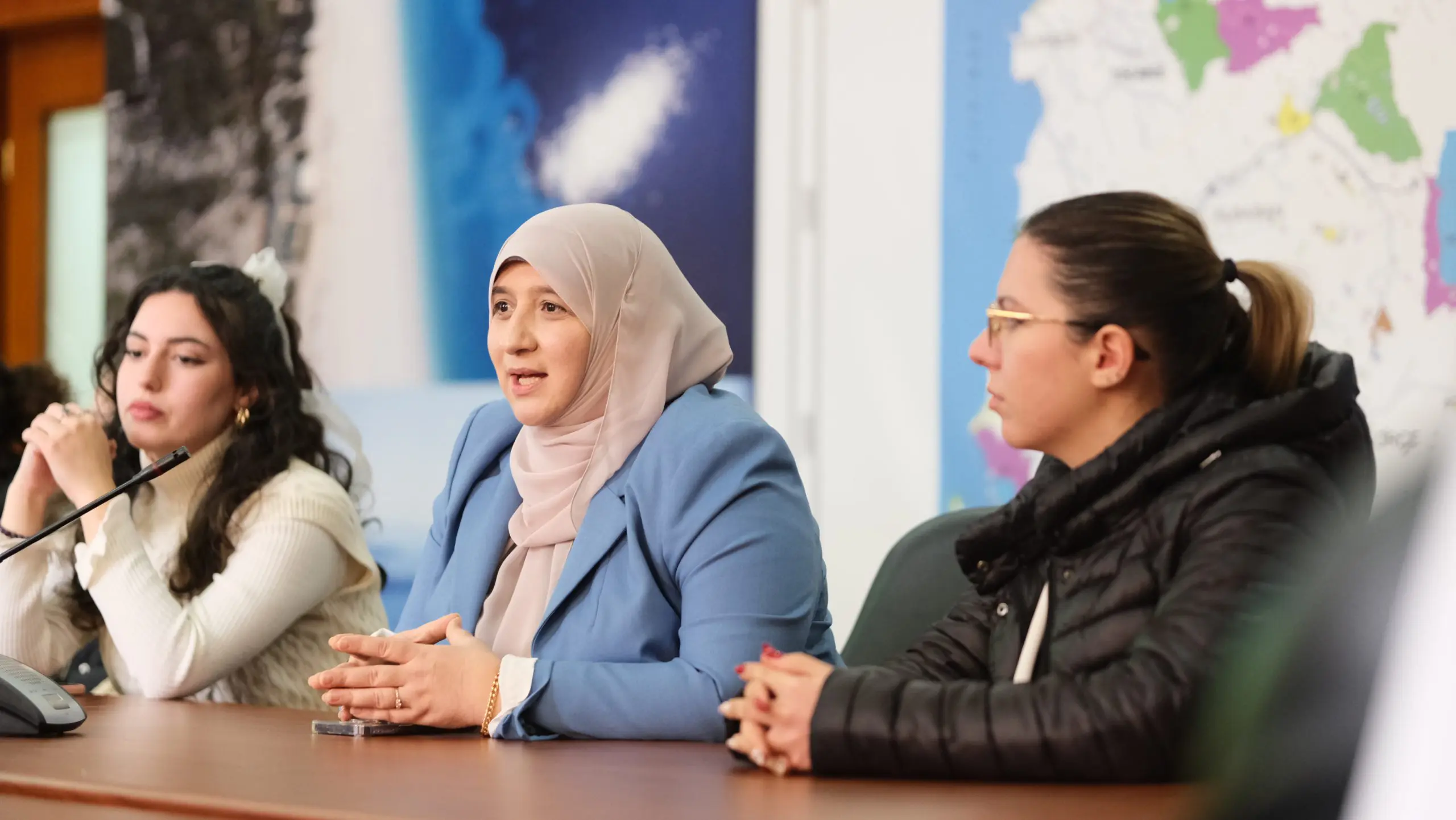
On April 2, ICAN welcomed the International Dialogue Centre – KAICIID for a WASL Community Call to reflect on the role of religious leaders in peacebuilding and explore potential collaboration given our organizations’ parallel approaches to network and movement building. An intergovernmental organization, KAICIID’s governance structure consists of a council of parties of member states and a board of directors comprised of religious leaders. They promote interreligious and intercultural dialogue to promote social cohesion and peaceful coexistence among people from different walks of life and tackle global challenges. By working closely with religious actors from community to global levels, KAICIID creates convening spaces for learning, capacity building, and shaping policy and practice to address the root causes of conflict and build more peaceful and just societies. While mainstreaming dialogue as a transformative approach, they tailor their strategies in each region to address complex issues as peacebuilding, hate speech, social ecology, climate justice, protection of sacred spaces, and freedom of religion and belief.
“We mainstream interreligious dialogue and intercultural dialogue, not just as tools, but as approaches and ways of living to address global challenges.”
— Vera Ferreira, Head of Regional Programs KAICIID
Women Peacebuilders’ Approaches to Religious Leader Engagement
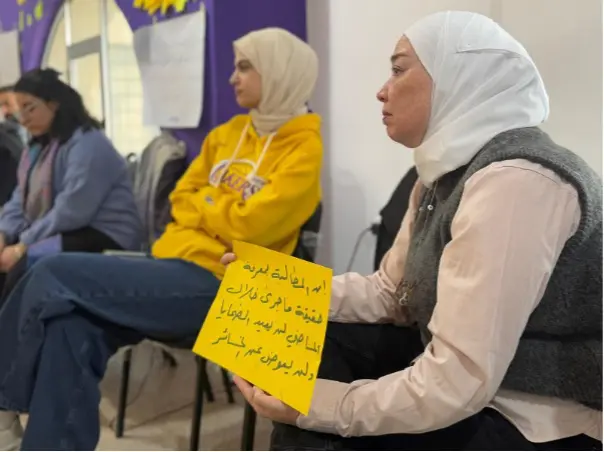
The discussion was an opportunity for WASL members to share their experience collaborating with religious leaders. The women peacebuilders emphasized the importance of working with religious leaders from the early stages of peacebuilding efforts, as their influence can help de-escalate tensions, foster trust, and support reconciliation.
- In Sri Lanka, the Association of War Affected Women (AWAW) has long championed interreligious dialogue as a tool to prevent conflict. In 2001, AWAW facilitated a community-led dialogue between Buddhist monks and Catholic clergy, and in 2023, they brought together Buddhist monks and the Tamil diaspora to address mutual fears and prevent tensions. With support from ICAN, AWAW is also working to protect Sri Lanka’s ancient archaeological sites, easing concerns from both Buddhist and Hindu communities. By positioning these sites as shared national treasures and promoting ecotourism, AWAW seeks to foster national pride, intercommunal respect, and economic opportunities for local communities.
- In Indonesia, the Asian Muslim Action Network (AMAN) works closely with the Kongres Ulama Perempuan Indonesia (KUPI). KUPI is comprised of women ulama who produce Islamic narratives that support peace and gender equality, while also contributing to a shift toward inclusive religious leadership structures. Their social authority is recognized in part due to their leadership of many pesantren (Islamic boarding schools). Violent extremist narratives often rely on fringe, misogynistic Islamic teachings, and the work of women ulama offers alternative Islamic legal interpretations rooted in justice, inclusivity, interfaith dialogue, and consultation.
For many WASL members, collaborating with religious leaders has helped counter harmful norms and misconceptions, mitigating violence against women and promoting gender equality.
- In Palestine, Wi’am – The Palestinian Center for Conflict Transformation, emphasized that gaining validation from religious leaders has been essential to advancing their work. Particularly in areas where conservative Islamic actors have historically opposed human rights initiatives, Wi’am has built understanding and collaboration with religious figures to demonstrate that advocating for women’s dignity is not in conflict with religious teachings.
- In Egypt, the Women’s Center for Guidance and Legal Awareness (WCGLA) has challenged practices such as female genital mutilation and child marriage by working directly with both religious leaders and decision-makers, clarifying that such harmful practices are not rooted in faith.
- In Afghanistan, the Afghan Women’s Organization for Equality (AWOE) has engaged young men, religious leaders, and educators in dialogues on violence and peacebuilding. Through seminars held across multiple districts, AWOE created safe spaces where young men could reflect on their experiences and roles in preventing violence. By involving local imams, their work transformed attitudes and expanded narratives around masculinity, nonviolence, and respect, leading to long-term community change.
Many WASL members in communities affected by violent extremism find that engaging religious leaders can be a crucial element in building trust, facilitating healing from trauma, and promoting justice-based reconciliation.
- In Iraq, Odessa Organization for Women’s Development led an initiative focused on the reintegration of ISIS (Daesh) returnees which was especially challenging for the Yazidi community due to the atrocities committed by ISIS, including the mass killings of women. Odessa engaged religious leaders in the reconciliation process, whose moral influence was vital to fostering dialogue and opening paths to healing, by advocating for tolerance, legal accountability, and justice.
Navigating Challenges and Complexity of Religious Peacebuilding
Despite these powerful examples of collaboration between women peacebuilders and religious leaders, the conversation between WASL and KAICIID also highlighted the complexity of working at the intersection of religion, women’s rights, and peacebuilding.
One major challenge is the politicization of religion, where religious rhetoric is closely tied to political agendas. Religious teachings can be used to support or justify political actions, policies, or positions, often influencing public opinion or decision-making.
“Politicizing religion is a serious issue—giving politics a religious aspect is something we need to address… [The challenge is] how to bring religious leaders and policy leaders together on issues related to community building and peace.”
— Wasseem Haddad, Senior Program Manager for the Arab Region at KAICIID
In Afghanistan, one WASL member described how some religious scholars privately supported the Elimination of Violence Against Women law yet publicly opposed it due to political pressures. “These religious leaders were very supportive of women in private, but the moment they were with their own constituencies, they would issue statements and sermons opposing women’s rights”, shared Wazhma Frogh, an Afghan peace practitioner with Women and Peace Studies Organization, Canada.
Participants also discussed the risk of being stigmatized when engaging with religious actors, as it can lead to being associated with certain political ideologies or movements. This can cause friction with other civil society actors who view religious leaders as opposed to rights-based work, impeding efforts to advance peacebuilding and women’s rights.
“If women and religious leaders were to unite in advocating for inclusive peace processes, ensuring women have seats at the table as independent delegates or as part of civil society delegations acting as peacebuilders, it would be transformative.”
— Sanam Naraghi Anderlini, MBE, ICAN Founder
Looking Ahead
The dialogue between WASL members and KAICIID demonstrated the transformative potential of women peacebuilders working with religious and faith leaders toward common goals of peace, dignity, and social justice. By sharing experiences from diverse contexts—whether addressing harmful practices, promoting reconciliation, or shifting social norms—participants demonstrated how faith-based engagement can be both deeply local and globally relevant. ICAN and KAICIID are exploring a partnership that would facilitate sustained collaboration between KAICIID’s network of local religious actors and the WASL network of women peacebuilders. Connecting these locally rooted networks will strengthen their collective ability to build peace and advance gender equality.
Previous summaries of WASL calls can be found here.