ICAN’s Mission Five Steps for Sustainable Prevention of Sexual Violence in Conflict ICAN Partner AWAPSA: A Catalyst for Kenya’s First SGBV Court The War Against Ourselves: Afghan Women Peacebuilders’ Response to the Mental Health Crisis in Afghanistan Protecting Women Peacebuilders: The Front Lines of Sustainable Peace
Congratulations to Tunisian women running for Parliament!
In the MENA region and other Muslim majority contexts, women are struggling to have their voices heard and their rights ensured. They work at multiple levels to create awareness, build alliances and coalitions, and push for change. In fighting for a better future for their countries, they pay a heavy price. Even when objectives are achieved, goals remain difficult to realize. The relationship between women’s movements and the political establishment in this region in transition has always been fraught with tensions. Nevertheless, there remain examples of cooperation and collaboration that can be replicated and scaled up.
In Tunisia, women political and civil society activists have worked collaboratively together to ensure that women are elected to political office and represented equally and fairly on the election ballets, and that women’s agendas are adhered to and prioritized by policymakers. In fact, the cooperation of civil society and political activists in pushing for women’s rights and representation in Tunisia can serve as a model for other countries in the region.
To this end, I am proud and hopeful that Arabya Kousri Labidi and Omezzine Khalife, two brilliant young women from Tunisia, are running for Parliament (October 26, 2014). It would be nice to have them in the Tunisian parliament as a voice for equality, peace, human rights and democracy, and in support of civil society. Whether they win or not, it is victory for women in Tunisia and the region.
But these victories remain bittersweet in a region plagued by crisis. There are so many other young women, as brilliant as Arabya and Omezzine, committed to building a brighter, equal and democratic future. Instead of being afforded the opportunity to make positive change in their societies, they are arrested and targeted for their defense of human rights and democracy. Women like Bahareh Hedayat (Iran), Yara Sallam (Egypt), and Maryam Alkhawaja (Bahrain) are only a few examples of women who are currently imprisoned in their countries because they chose to speak up and demand a better future.
As if being targeted by state actors across this violent region was not enough, now in places like Libya, Syria Iraq, Pakistan and Afghanistan, women are being targeted by non-state actors who claim to hold rigid truths about religion and rights and who enforce them through violence. Women are regularly threatened for defending women’s rights and for promoting human rights and freedoms. For some, the price paid is high — at times, it is with their lives.
But seeing that Arabya and Omezzine have opportunities like this gives me hope that a better future is possible for this region and for all of us. Congratulations. You make us all proud.
Sussan Tahmasebi
Related Posts
ICAN’s Mission Five Steps for Sustainable Prevention of Sexual Violence in Conflict ICAN Partner AWAPSA: A Catalyst for Kenya’s First SGBV Court The War Against Ourselves: Afghan Women Peacebuilders’ Response to the Mental Health Crisis in Afghanistan Protecting Women Peacebuilders: The Front Lines of Sustainable Peace
UncategorizedThank you for your donation to ICAN. Your contribution strengthens women peacebuilders who are preventing violence, protecting communities, and rebuilding trust in some of the world’s most fragile contexts. By supporting ICAN and the Women’s Alliance for Security Leadership (WASL), you help women-led organizations in more than 40 countries mediate conflicts, assist families in crisis, and drive […]
Uncategorized
On October 6, 2025, the U.N. Security Council holds its annual open debate on Resolution 1325 on Women, Peace, and Security. Today, we are not issuing a new statement. Instead, we are honoring our community of women peacebuilders—who appeared before the Security Council throughout these 25 years, speaking for the millions they represent—by echoing their messages.
ICAN Featured ICAN Latest ICAN Updates WASL Updates Women's Alliance for Security Leadership
On behalf of the International Civil Society Action Network (ICAN) and members of the global Women’s Alliance for Security Leadership (WASL), we are honored to nominate Francesca Albanese, United Nations Special Rapporteur on the situation of human rights in the Palestinian territories occupied since 1967, for the 2026 Nobel Peace Prize.
ICAN Featured ICAN Updates Uncategorized
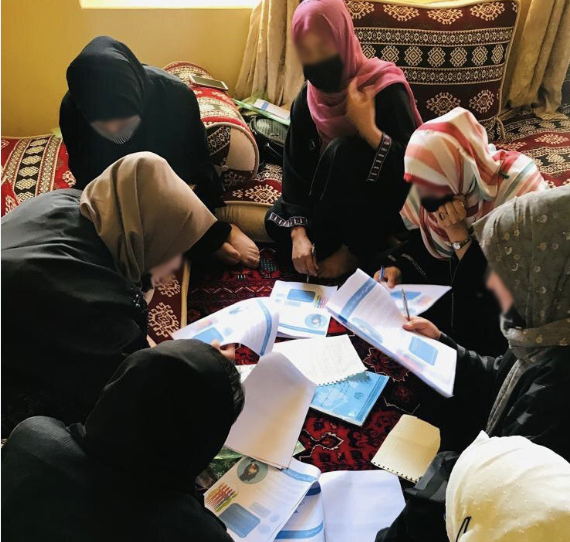
در عرصه صحت روانی، افغانستان با بحران پیچیدهای مواجه است که این بحران به طور جدایی ناپذیر با ناامنی شدید فیزیکی، سیاسی و اقتصادی در کشور گره خورده و این نا امنی ها بحران را تشدید میکند. برای رسیدگی به آسیب های روانی، صحت و بهداشت جامعه به شیوه های پاسخگو به جنسیت و با مد نظر گرفتن حساسیت های فرهنگی، سازمانهای فعال در عرصه صلح سازی به رهبری زنان افغان در موقعیتی منحصربه فرد قرار دارند. این سازمان ها خدمات ابتدایی ارائه میدهند، مهارتها را توسعه میبخشند و در شکلدهی هنجارهای فرهنگی و جنسیتی نقش مؤثر ایفا میکنند.
ICAN Featured ICAN Latest ICAN Updates WASL Updates Women's Alliance for Security Leadership WPSO
افغانستان له یوه ډېر پېچلي اروایي/رواني روغتیايي حالت سره مخ دی چې دا حالت د هېواد له ناامنۍ، سیاسي ګډوډۍ او اقتصادي ستونزو سره تړلی او لا یې دا ستونزې زیاتې کړي دي. د افغان ښځو په مشرۍ سولهپالې ادارې کولی شي د خلکو روغتیا او هوساینې ته پاملرنه وکړي، ځکه د دوی کار د ښځو اړتیاوو ته په پاملرنه ترسره کیږي، له کلتوري حساسیتونو سره سمون لري او د ټروما په معلوماتو باندې متکي (trauma-informed) تګلارې دي. دا ادارې اساسي خدمتونه وړاندې کوي، خلکو ته مهارتونه ورزده کوي او کلتوري دودونه او جنسیتي اړخونه تر پوښښ لاندې نیسي.
ICAN Featured ICAN Latest ICAN Updates WASL Updates Women's Alliance for Security Leadership WPSO
In a world increasingly divided by polarization, fear, and misinformation, building trust at the community level has never been more urgent. Religious and faith leaders—often seen as voices of moral authority and guidance—wield significant influence over the social and political attitudes of their communities. As locally rooted, trusted community leaders themselves, the women peacebuilders who make up the Women’s Alliance for Security Leadership (WASL) recognize the value of engaging with religious actors to advance inclusive peace and gender equality
Uncategorized
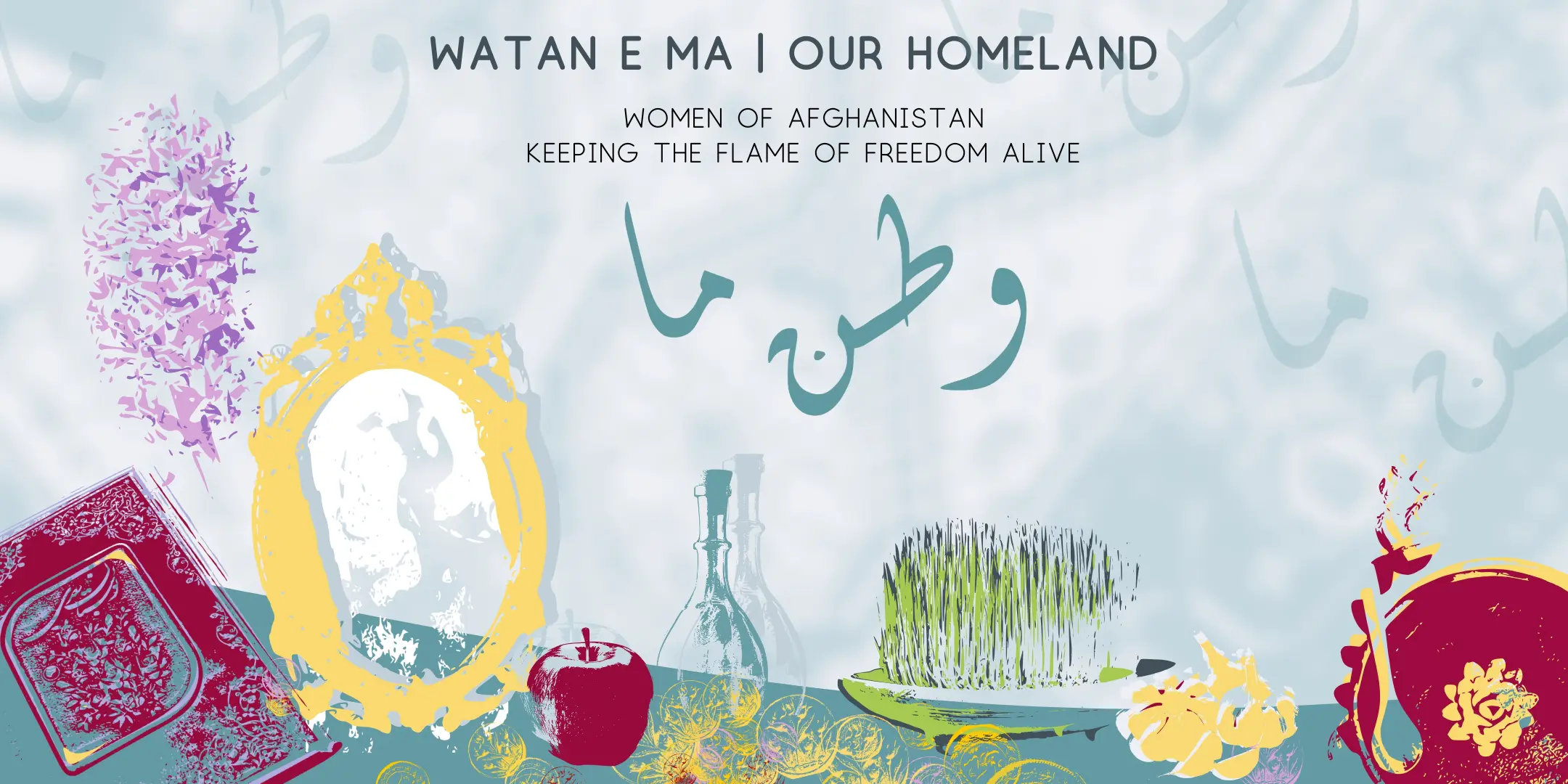
In a powerful departure from traditional advocacy, ICAN—guided by our Afghan partners and women peacebuilders—hosted the event “Watan e Ma – وطن ما – Our Homeland: Women of Afghanistan Keeping the Flame of Freedom Alive” on March 17, 2025 at Blue Gallery in New York City. Held during the 69th Commission on the Status of Women (CSW69), the event celebrated Afghan cultural heritage and the resilience of Afghan women peacebuilders, who persist in their leadership for peace, justice, and equality under the Taliban’s regime of gender apartheid.
ICAN Latest ICAN Updates
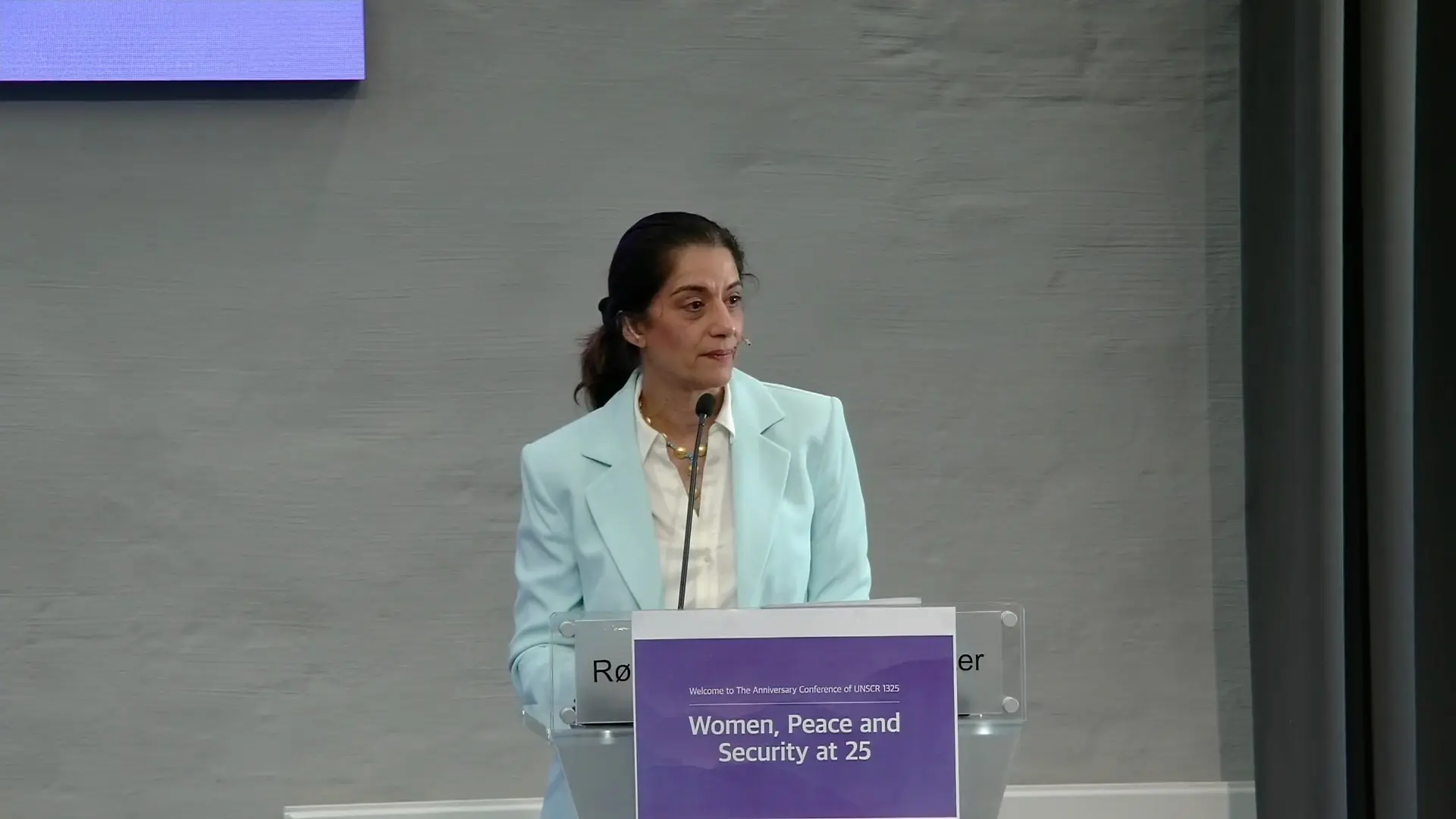
On May 5, 2025, ICAN's Sanam Naraghi Anderlini delivered the keynote speech at the two-day international conference "25th Anniversary Conference of UNSCR 1325 Women, Peace and Security."
ICAN Featured ICAN Updates Sanam Op-Eds
As Senator Mobina Jaffer concludes 23 years of distinguished public service in the Canadian Senate, we extend our deepest thanks for her steadfast leadership as Chair of ICAN’s Board of Directors from 2014 to 2024.
ICAN Featured ICAN Updates
Together with André Mundal, our new Interim Chair of the ICAN Board of Directors, we are delighted to welcome two new members to our Board of Directors.
ICAN Updates