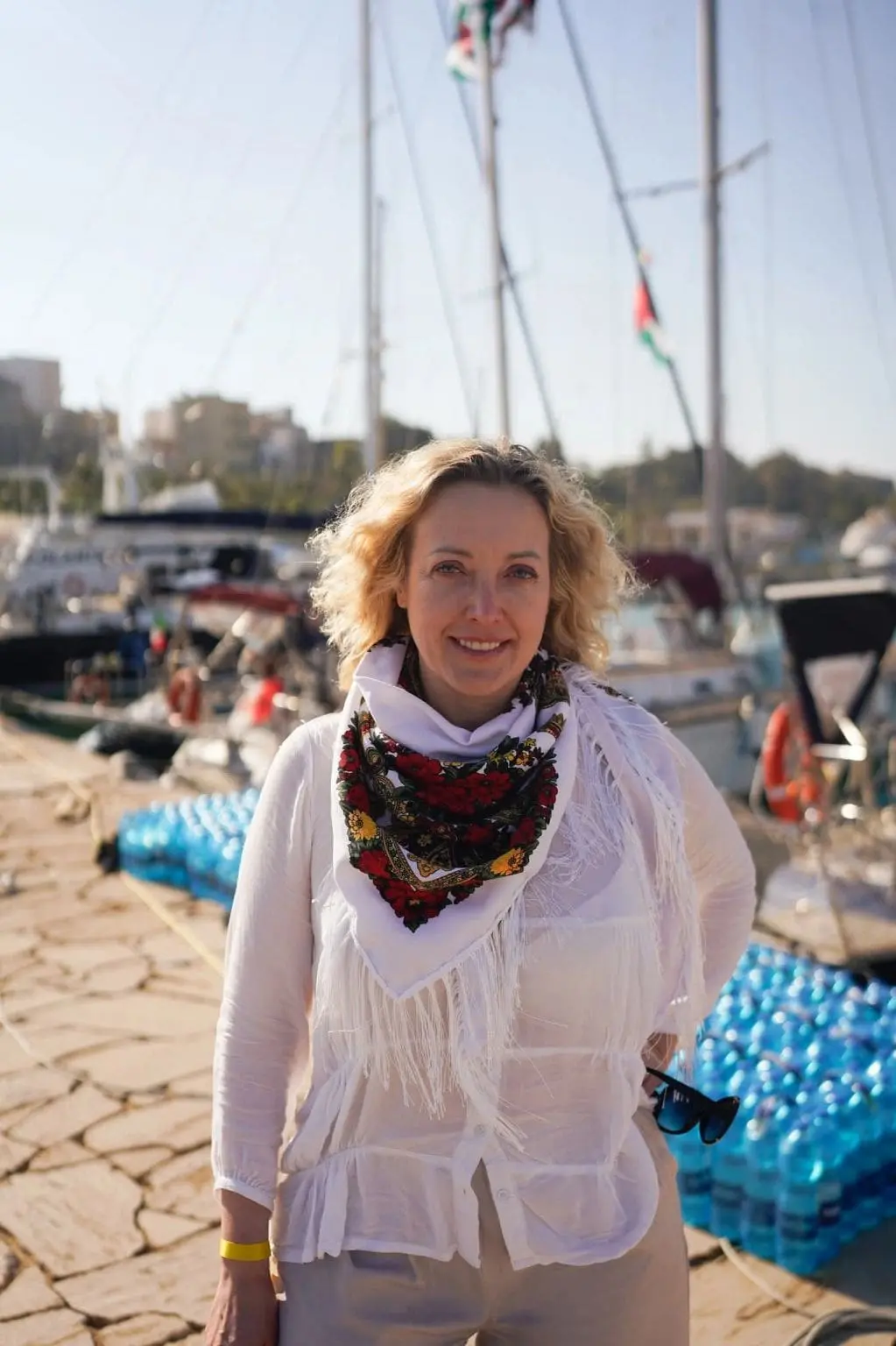
Nina Potarska, a member of the ICAN-spearheaded Women’s Alliance for Security Leadership, is currently at sea with the Global Sumud Flotilla, a civilian-led mission organized with the Freedom Flotilla Coalition, en route to Gaza.
By Rana Allam
Donald Trump is indeed fulfilling his campaign promises, regardless of how controversial, inhumane or outright ridiculous. His first four executive orders (EO), all controversial, have sparked outrage from civil and human rights advocates. Another EO would suspend the resettlement of Syrian refugees and temporarily ban entry into the US of citizens from seven countries: Syria, Iran, Iraq, Sudan, Somalia, Yemen, and Libya. The order notably exempts non-Muslims who face persecution in their countries, which effectively means it is a “Muslim ban” as promised. If he is to fulfill such a promise, Trump will likely expand the ban to include citizens of all Muslim-majority countries.
Of the 4.9 million Syrians forced out of their war-torn homeland, the US has only accepted 18,000. This tiny percentage had to go through a lengthy vetting process and layers of background checks. Furthermore, the “prioritize the vulnerable” criteria set by the US to accept refugees made sure that most of those resettled in the US are children, women or elderly people. These Syrian refugees do not exactly pose a threat or a crisis for the US despite its involvement in the war, and its destruction of cities and homes in Syria.
The entry ban is also a curious case. The seven countries on the list are deemed “terrorist hotbeds.” But the Syrian and Iraqi people are suffering from the terrorism of the Islamic State (ISIS or IS), and the US is now banning them from seeking refuge here. Iraq has the highest number of terrorist attacks in the world. The Yemenis are enduring a war instigated by US ally Saudi Arabia, and naturally Saudis are not on the list. Trump accepts those who wage war but rejects those who want to flee war. How a temporary ban of visitors to the US from these countries would alleviate either their problem or the new administration’s fear remains unclear. Tens of thousands of foreign fighters have joined the ranks of IS. They come from a diverse range of countries, and most are European. Will Trump also ban Belgians from entering the US as well?
My organization holds gatherings where peace-builders from grassroots women-led organizations share their experiences of preventing violent extremism, deradicalizing youth, and building immune-to-violence communities. These peace-builders who push back against extremism in their homelands will not be able to enter the US. They won’t be able to learn or to teach peaceful methods to fight the terrorism from which Trump wants to safeguard America. One such woman comes to mind, a peace activist from Iraq who single-handedly deradicalized dozens of young men in her country and managed to convince scores to refrain from joining militias and instead do community service. She will not be able to enter the US. Americans will not learn from her, support her, or benefit from her experience in any way.
It is the civil and human rights advocates who will be kept out of the US. It is the children, the elderly, and the vulnerable refugees who will not be able to infiltrate the mighty US. It is those democracy advocates running from oppression under their authoritarian regimes who will be banned from entering the land of the free. Real terrorists do not exactly apply for visas or for refugee programs.
The way to protect a country from violence and terrorism is not by shutting down borders to peaceful or vulnerable people. It is through promoting peace and pluralism. Authoritarian, fear-mongering regimes have been in power in many countries for decades. The results are clear: they produce backward, paranoid societies vulnerable to the rise of extremism.
During the last week of January 2017, the section on women, peace, and security on the State Department website has been unavailable. No one knows if it will be back, whether changes will be done to the agenda, or if the Trump administration will do away with it altogether. No one knows if Trump will forgo all programs of peace-building and civil society or women’s organizations efforts on the matter. Despite all the evidence that civil society work is crucial to achieving peace and preventing violent extremism in conflict-torn countries, Trump is moving to close down the US instead.
Only through inclusive, humane, and peaceful measures can a society truly be safe.
This article was originally published on Lobelog.com
The International Civil Society Action Network (ICAN) and the Women’s Alliance for Security Leadership (WASL) Statement: The Escalating U.S.-Israeli War on Iran and its Regional Ramifications
ICAN Featured ICAN Latest
In March 2020, ICAN and its global network of women-led peacebuilding organizations, WASL, launched the She Builds Peace (SBP) campaign.
Allamin Foundation CAGEAD COEC ICAN Featured ICAN Latest PAIMAN SBP Frameworks She Builds Peace Countries WCDCA Women Relief Aid Women's Alliance for Security Leadership
On October 6, 2025, the U.N. Security Council holds its annual open debate on Resolution 1325 on Women, Peace, and Security. Today, we are not issuing a new statement. Instead, we are honoring our community of women peacebuilders—who appeared before the Security Council throughout these 25 years, speaking for the millions they represent—by echoing their messages.
ICAN Featured ICAN Latest ICAN Updates WASL Updates Women's Alliance for Security Leadership
در عرصه صحت روانی، افغانستان با بحران پیچیدهای مواجه است که این بحران به طور جدایی ناپذیر با ناامنی شدید فیزیکی، سیاسی و اقتصادی در کشور گره خورده و این نا امنی ها بحران را تشدید میکند. برای رسیدگی به آسیب های روانی، صحت و بهداشت جامعه به شیوه های پاسخگو به جنسیت و با مد نظر گرفتن حساسیت های فرهنگی، سازمانهای فعال در عرصه صلح سازی به رهبری زنان افغان در موقعیتی منحصربه فرد قرار دارند. این سازمان ها خدمات ابتدایی ارائه میدهند، مهارتها را توسعه میبخشند و در شکلدهی هنجارهای فرهنگی و جنسیتی نقش مؤثر ایفا میکنند.
ICAN Featured ICAN Latest ICAN Updates WASL Updates Women's Alliance for Security Leadership WPSO
افغانستان له یوه ډېر پېچلي اروایي/رواني روغتیايي حالت سره مخ دی چې دا حالت د هېواد له ناامنۍ، سیاسي ګډوډۍ او اقتصادي ستونزو سره تړلی او لا یې دا ستونزې زیاتې کړي دي. د افغان ښځو په مشرۍ سولهپالې ادارې کولی شي د خلکو روغتیا او هوساینې ته پاملرنه وکړي، ځکه د دوی کار د ښځو اړتیاوو ته په پاملرنه ترسره کیږي، له کلتوري حساسیتونو سره سمون لري او د ټروما په معلوماتو باندې متکي (trauma-informed) تګلارې دي. دا ادارې اساسي خدمتونه وړاندې کوي، خلکو ته مهارتونه ورزده کوي او کلتوري دودونه او جنسیتي اړخونه تر پوښښ لاندې نیسي.
ICAN Featured ICAN Latest ICAN Updates WASL Updates Women's Alliance for Security Leadership WPSO
In a powerful departure from traditional advocacy, ICAN—guided by our Afghan partners and women peacebuilders—hosted the event “Watan e Ma – وطن ما – Our Homeland: Women of Afghanistan Keeping the Flame of Freedom Alive” on March 17, 2025 at Blue Gallery in New York City. Held during the 69th Commission on the Status of Women (CSW69), the event celebrated Afghan cultural heritage and the resilience of Afghan women peacebuilders, who persist in their leadership for peace, justice, and equality under the Taliban’s regime of gender apartheid.
ICAN Latest ICAN Updates
Trust between communities and the security sector is critical for effective governance and peace. So is a vibrant civil society. When women peacebuilders are recognized and engaged as independent, strategic partners and security actors—in their own right—the results are transformative. Twenty-five years on from the launch of the WPS agenda, women peacebuilders’ creativity and contributions to societal peace and security are not only timely, they are even more essential.
Allamin Foundation AWAPSA AWAW Better Peace Initiative CIASE CoACT GEN Myanmar Gender and Extremisms ICAN Featured ICAN Latest ICAN Updates PAIMAN PCID WASL Updates Women's Alliance for Security Leadership
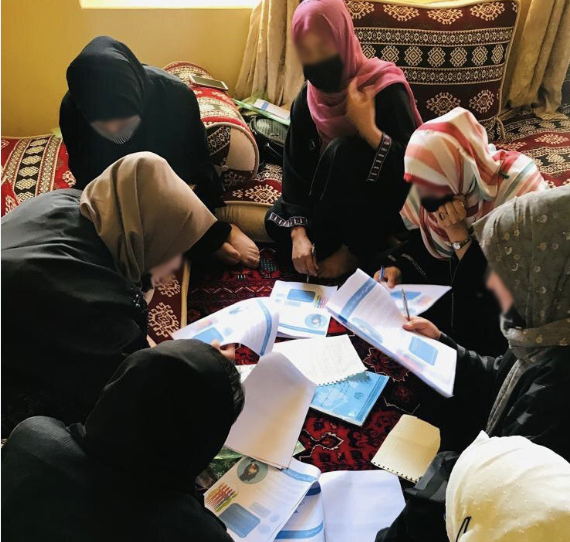
Afghanistan is facing a complex mental health crisis inextricably linked with and compounding the dire state of physical, political, and economic insecurity in the country. Afghan women-led peacebuilding organizations are uniquely positioned to address community members’ health and wellness in gender-responsive, culturally- sensitive, and trauma-informed ways.
ICAN Featured ICAN Latest ICAN Updates WASL Updates Women's Alliance for Security Leadership WPSO
El proyecto "Voces femeninas para la paz" de Conciudadanía, que cuenta con el apoyo del Mecanismo de Respuesta Rápida del WPHF y de ICAN, promueve la participación política de las mujeres y sensibiliza sobre los problemas, intereses y necesidades de las mujeres del departamento de Antioquia, en el noroccidente colombiano.
Conciudadanía ICAN Featured ICAN Updates Innovative Peace Fund Our Stories Stories WASL Updates Women's Alliance for Security LeadershipICAN’s Founder and CEO Sanam Naraghi Anderlini, MBE spoke at the UNOCT Global Conference of Women Parliamentarians, discussing the role of women parliamentarians in the development, implementation, and oversight of counter-terrorism and prevention of violent extremism legislation, policies, and strategies.
Gender and Extremisms ICAN Featured ICAN Latest ICAN Updates
Supported by the WPHF Rapid Response Window and ICAN, Conciudadanía's “Female Voices for Peace” project promotes women’s political participation and raises awareness about the issues, interests, and needs of women in the department of Antioquia in northwestern Colombia.
Conciudadanía ICAN Featured ICAN Updates Innovative Peace Fund Our Stories Stories WASL Updates Women's Alliance for Security Leadership
With support from the Rapid Response Window of the United Nations Women’s Peace and Humanitarian Fund in partnership with the International Civil Society Action Network, Women Relief Aid, a South Sudanese women-led NGO and member of the Women’s Alliance for Security Leadership, is making remarkable strides to improve realities for women in the country.
Exclude from RSS ICAN Latest ICAN Updates Our Stories Stories Women Relief Aid