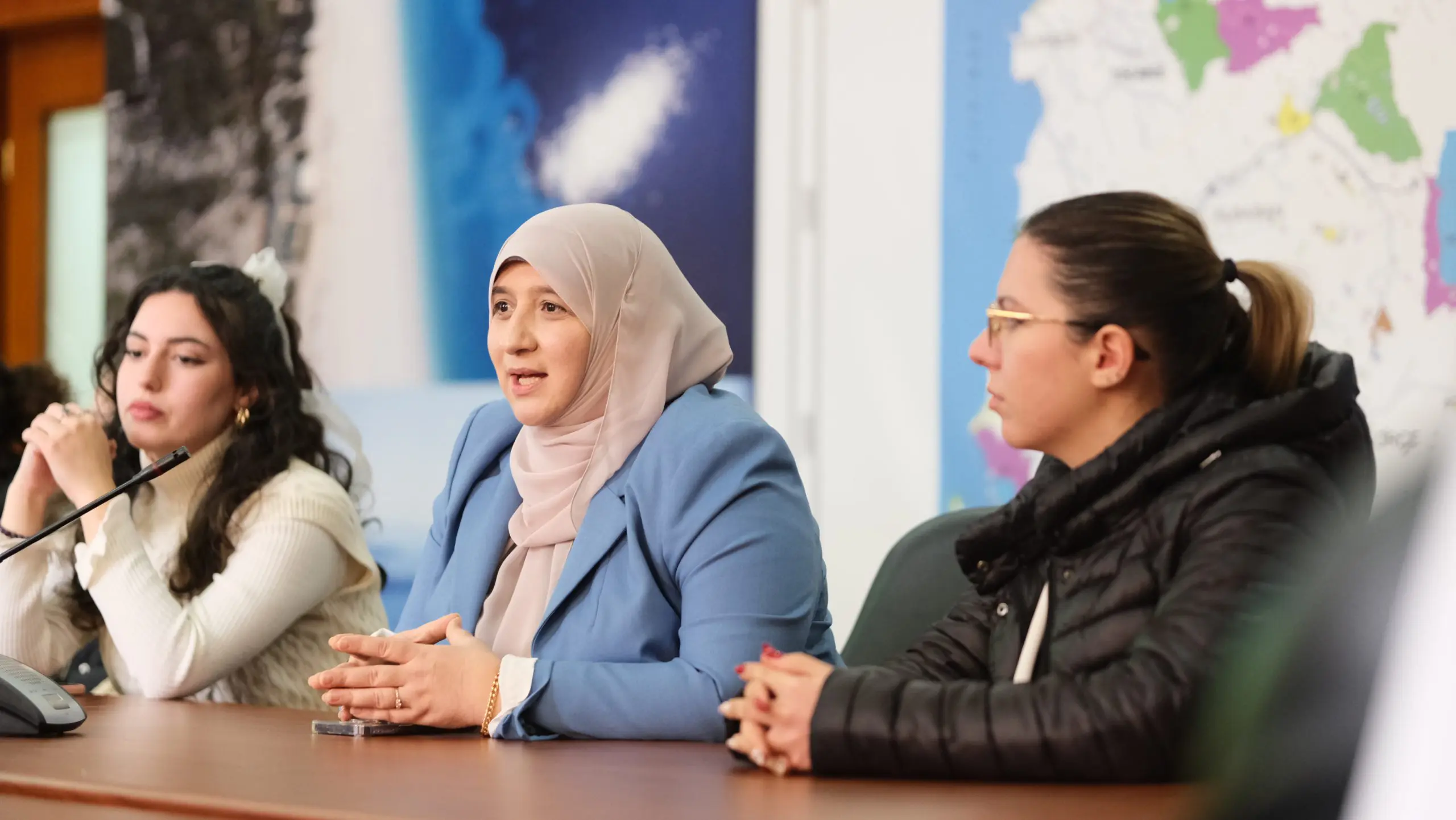
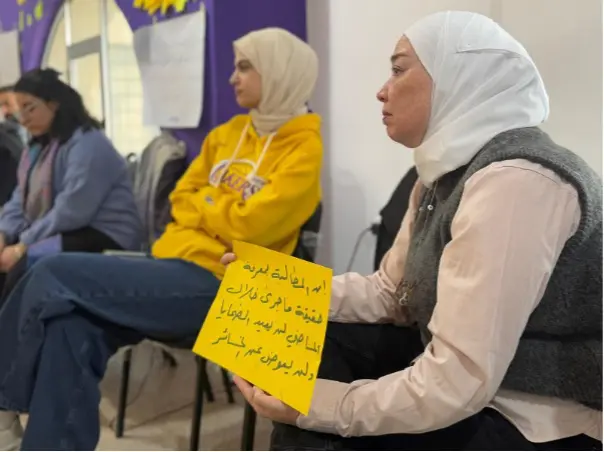
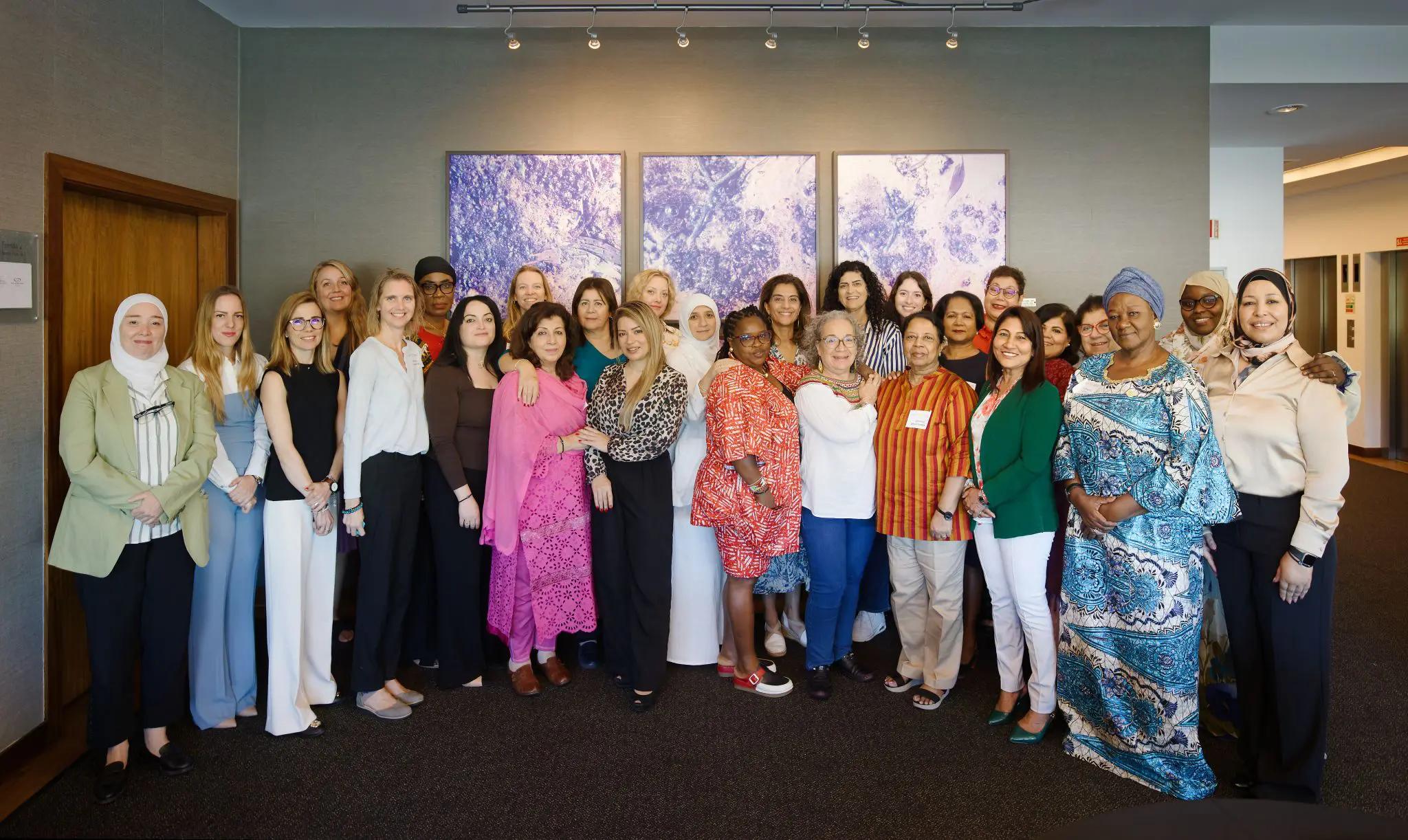
“I have been working as a community leader for years, but it was through this training that I learned about the Women, Peace and Security agenda and recognized myself as a peacebuilder.” – A community leader in São Paulo, Brazil
It’s a common enough experience. Many women, including members of the Women’s Alliance for Security Leadership (WASL), do not initially identify as peacebuilders. Their work is diverse and multifaceted: they respond to the complex crises facing their communities, prevent violence against women and girls, mediate family or tribal disputes, or ensure gender-responsive humanitarian aid after earthquakes and floods.
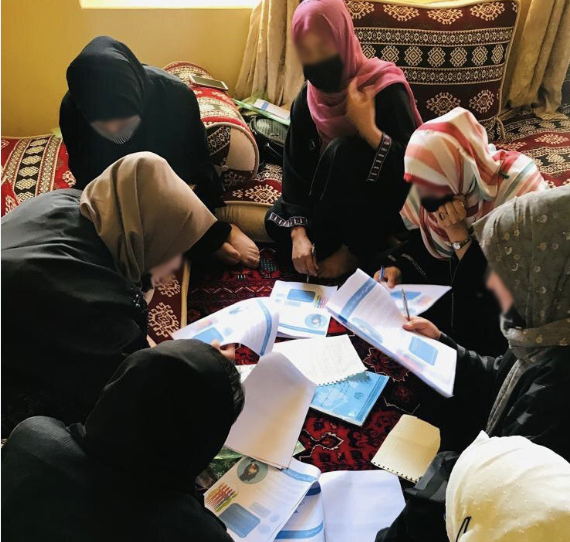
Like weavers bringing together multiple threads to create a carpet, women peacebuilders weave trust and social cohesion to lay the groundwork for sustainable peace.
Despite their impact, women peacebuilders remain largely overlooked in global peace and security debates and receive only a fraction of the funding and protection afforded to formal security actors.
To address this gap, the International Civil Society Action Network (ICAN) and its global network of women-led peacebuilding organizations, the Women’s Alliance for Security Leadership (WASL), launched the She Builds Peace (SBP) campaign in March 2020.
The She Builds Peace was designed as a global movement to recognize and strengthen women peacebuilders, while elevating their experiences and solutions into national and international peace and security debates.
Through the campaign, ICAN provides campaign coordinator flexible stipends and strategic accompaniment to WASL member organizations to design and carry out She Builds Peace activities in their own communities—reflecting locally defined priorities and strategies for strengthening recognition, protection, and resources for women peacebuilders.
The campaign begins with a simple but powerful premise: when women peacebuilders are recognized, connected, and supported, they become even more effective at preventing violence, strengthening social cohesion, and shaping inclusive governance.
Six years later, the movement continues to grow. Today, 50 WASL member organizations across 35 countries have implemented She Builds Peace activities—mobilizing thousands of community leaders, youth advocates, and local officials while influencing policy spaces from municipal councils to national security frameworks.
Strengthening Local Networks for Peace
As WASL members introduced SBP and the Women, Peace and Security (WPS) agenda, more women—and young people—chose to stand together. In community halls and classrooms, in WhatsApp groups and municipal offices, networks formed and confidence deepened.
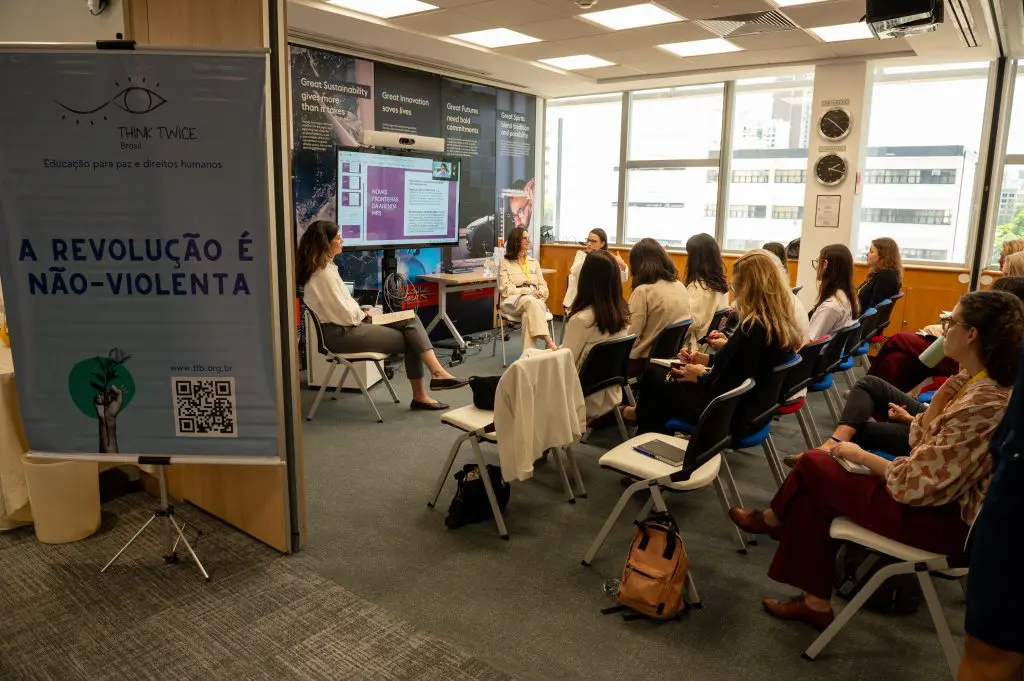
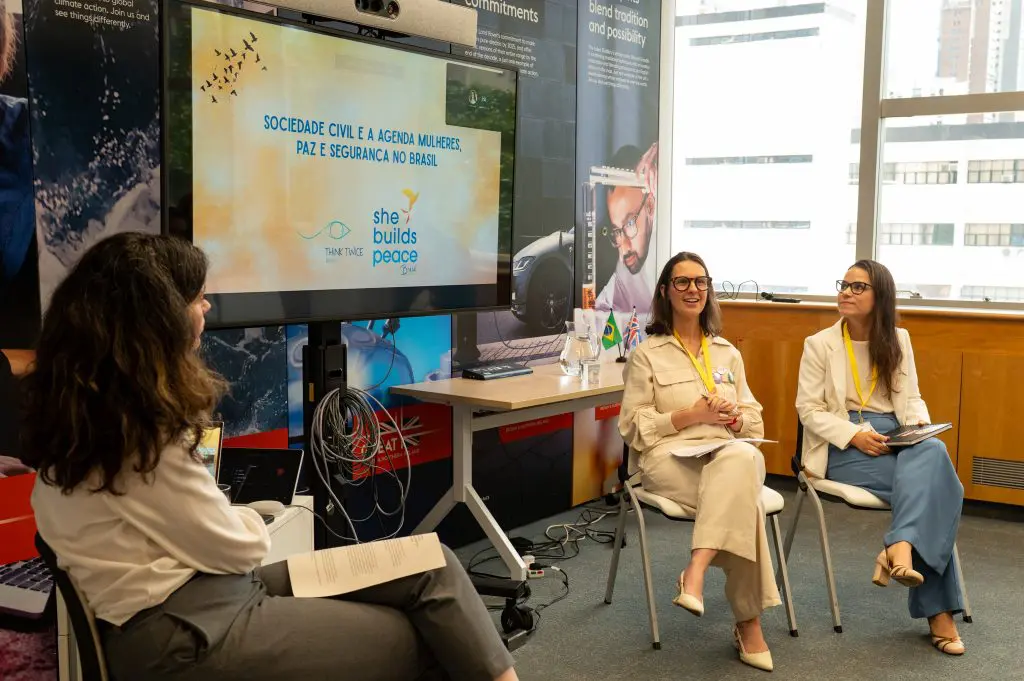
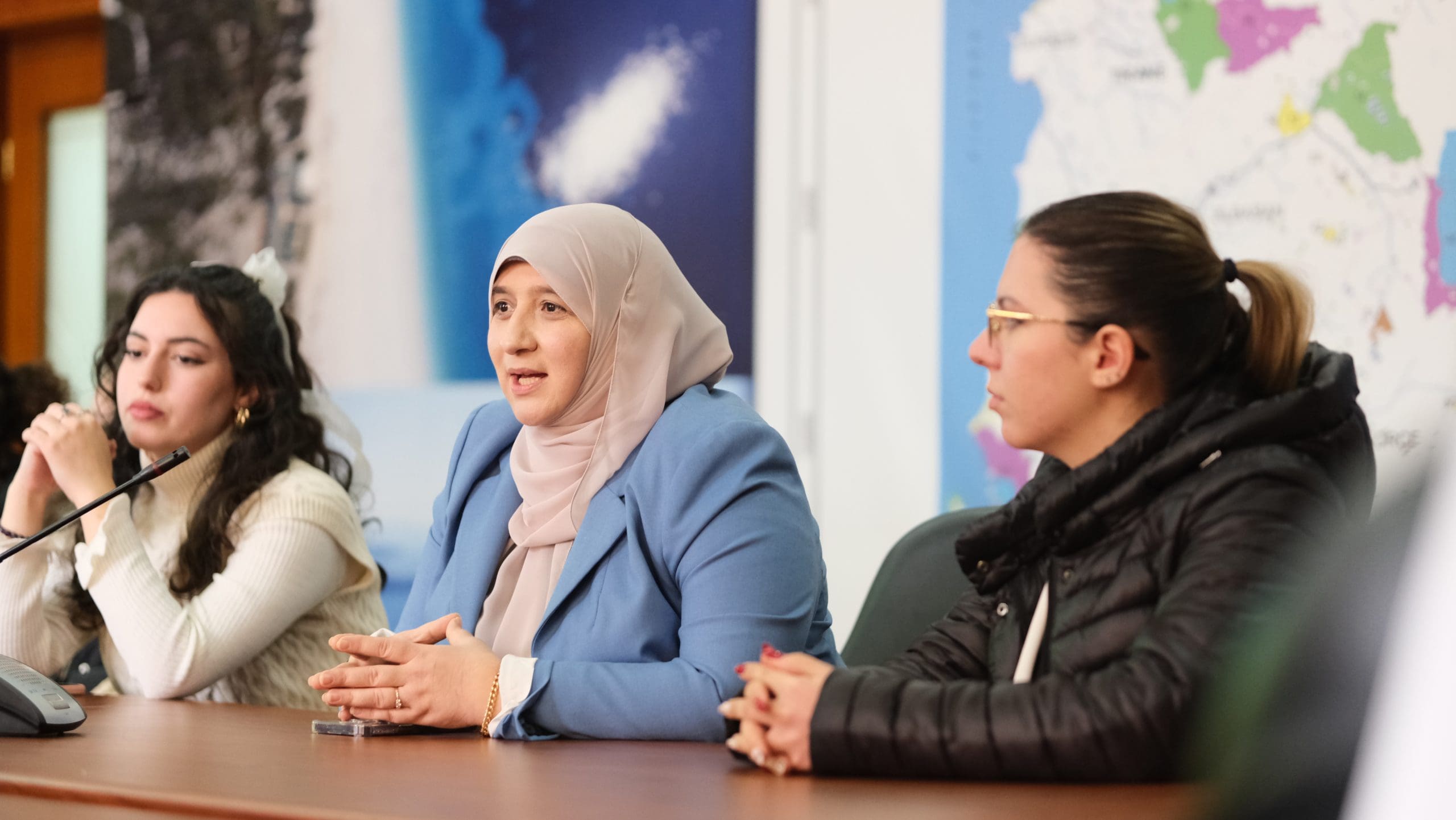
In Brazil, a country not officially considered a conflict zone but marked by high levels of violence and inequality, women community leaders frequently address structural issues such as gender-based violence (GBV), social exclusion and human rights violations. Yet, the concept of “woman peacebuilder” is still unfamiliar in many spaces.
Through WPS trainings and events organized by WASL partner Think Twice Brasil (TTB), women began to name what they were already doing: building peace.
As Gabriele Costa, Founder of TTB, explains, the process of identifying and convening women peacebuilders has transformed how their work is perceived.
“These moments underscore the transformative potential of simply naming, recognising, and gathering women peacebuilders. Since joining WASL in 2023, ICAN has played a pivotal role in strengthening our credibility in Brazil. The visibility and legitimacy gained through WASL have transformed how our work is perceived, especially by policy influencers.” – Gabriele Costa, Founder, Think Twice Brasil
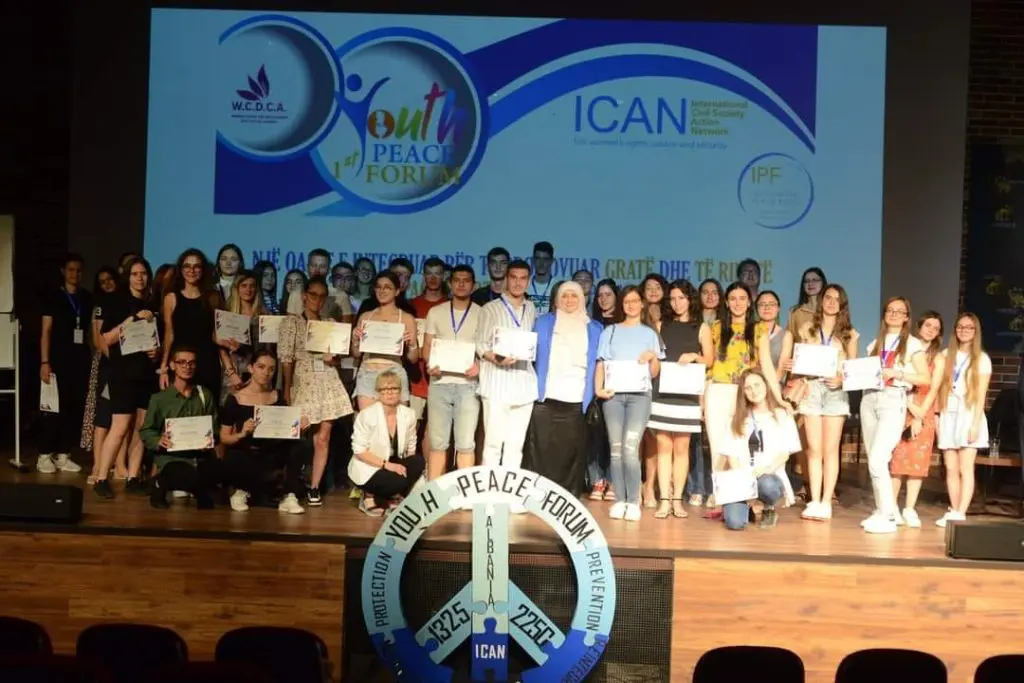
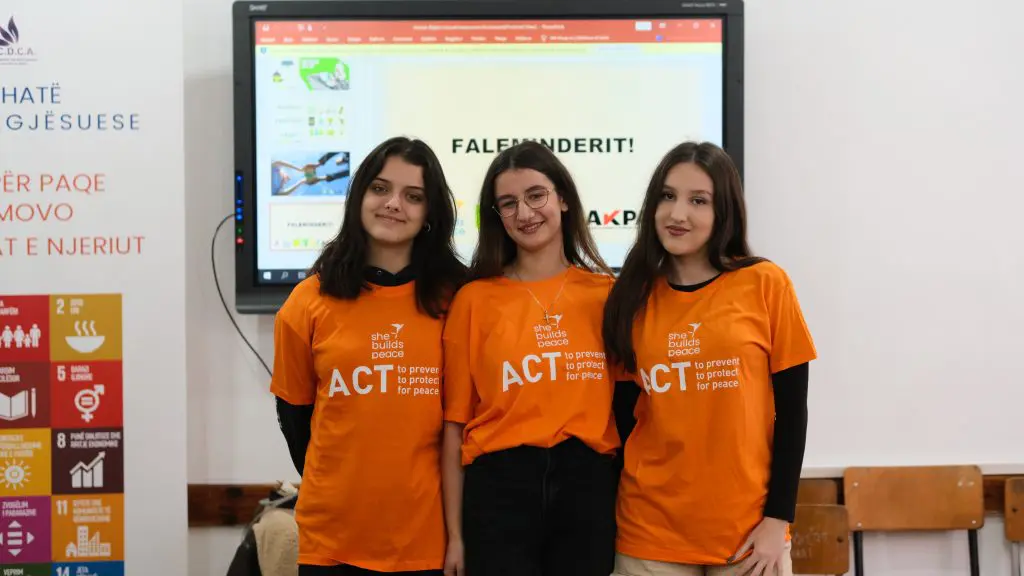
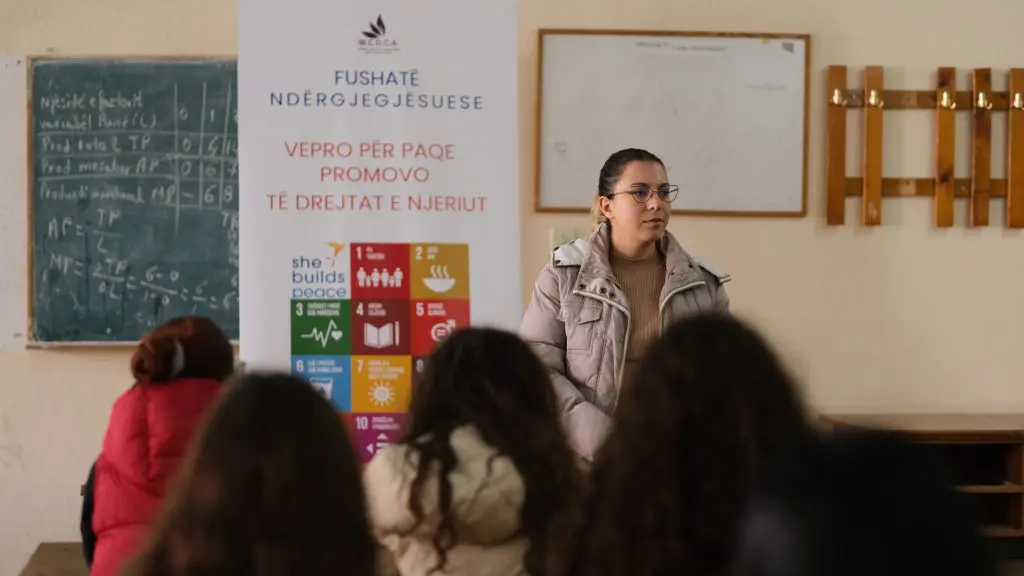
Thousands of miles away, a new generation is stepping into peace work. The Women’s Center for Development and Culture Albania (WCDCA) engaged young people across 11 municipalities to create the Youth Peacebuilding Network—a growing platform for dialogue, advocacy, and collaboration with education, health, and municipal offices.
The network encourages youth to actively participate in peacebuilding, precent violent extremism and radicalization, and promote gender equality and democratic participation at the local and national levels.
After reaching more than 2,000 young people, the network members are now present in local decision‑making spaces—from municipal councils to youth forums—bringing the language of peace to the tables where futures are shaped. Youth-led initiatives foster innovation and community ownership, building intergenerational support for peacebuilding.
Across contexts, the She Builds Peace campaign demonstrated how recognition and connection harnesses the power of local networks to strengthen community peace and security as a collective movement.
Women-Led Prevention and Protection
The campaign has also enabled WASL members to establish and strengthen community-based mechanisms to prevent and mitigate violence.
In Cameroon, the Centre for Advocacy in Gender Equality and Action for Development (CAGEAD) appointed peace ambassadors and formed community peace clubs that advocate for women’s participation in decision‑making spaces like traditional councils.
For many, the creation of peace ambassadors and community peace clubs has become a lifeline.
When four local boys were arbitrarily arrested, it was a peace ambassador, Madame Agness Bolam, who mobilized other women and went into the military camp to bring them home.
Peace clubs also identify survivors of gender-based violence (GBV) and connect them with services provided by CAGEAD and partner organizations. Demand for these initiatives is growing, with nearby villages such as Mbessi and Nibum requesting their own peace clubs.
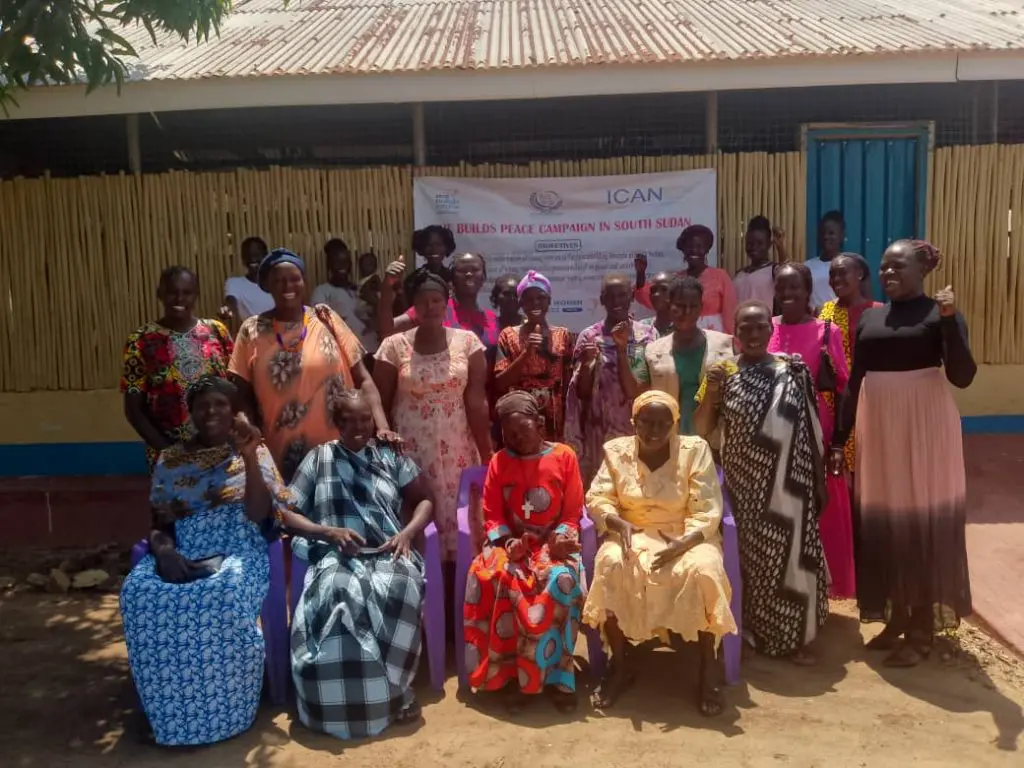
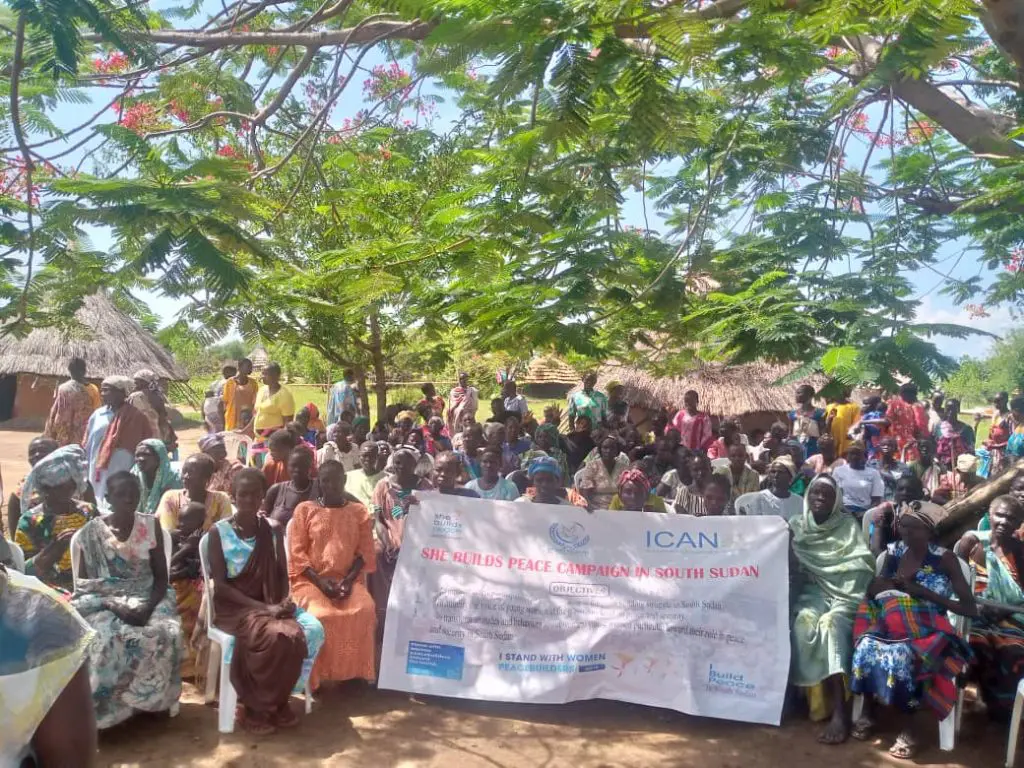
In South Sudan, Women Relief Aid (WRA) created similar peace clubs that mediate cases of domestic violence and forced marriage. As these women-led mediation efforts expanded, WRA observed a reduction in GBV.
Local chiefs, now with more time to address inter‑tribal conflict, have increasingly recognized the value of women peacebuilders and begun including them in security and development discussions.
“As the result of the SBP campaign, local women (peace club members) in my community are taking a lead in mediating local conflicts. They have facilitated dialogues between conflicting parties, ensuring fair resolutions and promoting peaceful coexistence.” – Women Relief Aid SBP participant
These examples illustrate what the Women, Peace and Security agenda looks like in practice: locally rooted leadership preventing violence, strengthening community resilience, and building trust where formal institutions often struggle to reach.
From Invisible Work to Public Recognition
As She Builds Peace expands, the campaign’s impact increasingly reaches beyond communities and into policy and governance spaces.
In Pakistan, sustained advocacy by PAIMAN Alumni Trust under the She Builds Peace campaign has contributed to provincial authorities in Khyber Pakhtunkhwa committing to develop a Provincial Action Plan on UNSCR 1325 and expand women’s inclusion in peace, security, and disaster‑response structures.
By facilitating the inclusion of women peacebuilders in the District Disaster Management Committee, PAIMAN is helping advance a gender‑responsive approach to disaster management. PAIMAN’s Tolana groups—networks of women peacebuilders established with support from the campaign—have also helped address GBV, including the creation of GBV desks in local police stations.
“Peacebuilding is sustained by the quiet courage of women who hold their communities together in times of uncertainty. The She Builds Peace campaign has helped bring visibility and strength to this leadership, enabling PAIMAN’s Women Tolana members to serve as mediators, first responders, and advocates for justice and safety. Through this shared commitment, women’s local actions evolve into a powerful force for peace, resilience, and community protection.” – Mossarat Qadeem, Executive Director, PAIMAN
In Kenya, the Coastal Education Center (COEC) built trusting relationships with the Women’s Parliamentary Caucus and strove to integrate She Builds Peace pillars into the National Action Plan (NAP) on UNSCR 1325 as well as county‑level bills to prevent violent extremism.
Their work helped localized the NAP in Kilifi County and Mombasa County and inform discussions among representatives from 47 county governments seeking to develop their own local action plans.
These examples demonstrate how locally driven peacebuilding, when recognized and supported, can influence governance processes and security policy.
Building Bridges with New Allies
Another defining feature of the She Builds Peace campaign has been the ability of women peacebuilders to build unexpected alliances across diverse sectors.
Across multiple contexts, women peacebuilders have engaged traditional and religious leaders, civil society, the media, and the security sector, transforming skeptics into supporters and building bridges between communities and institutions.
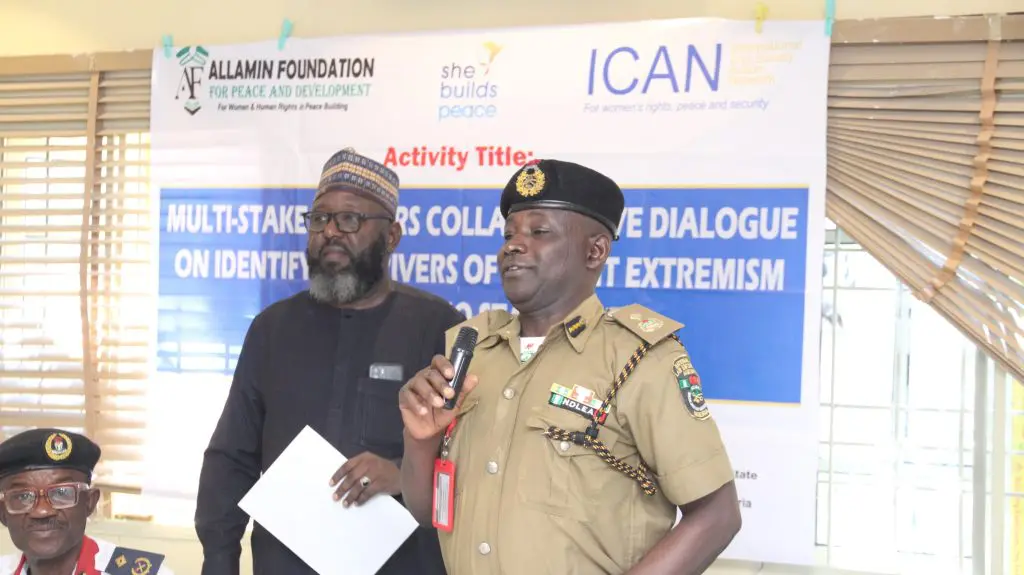
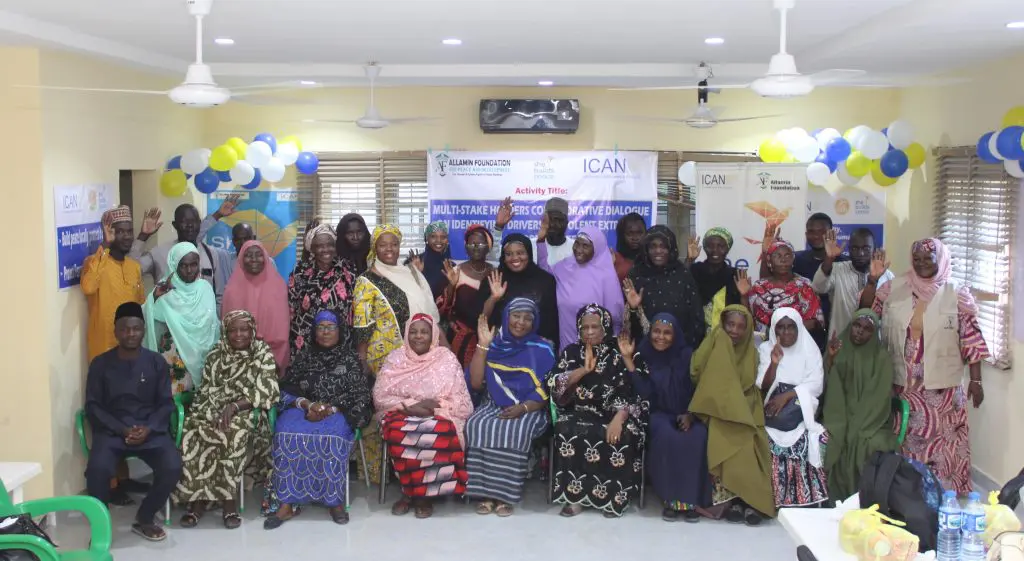
In Nigeria, the Allamin Foundation for Peace and Development introduced SBP within their local peace networks and facilitated dialogues with government and security actors.
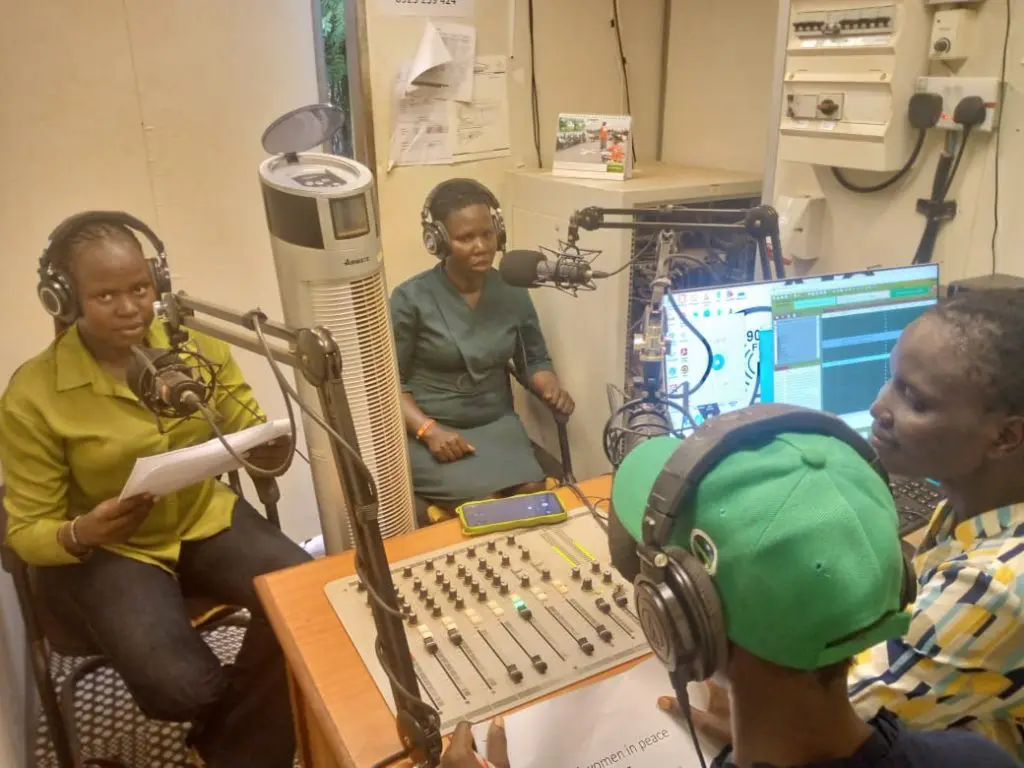
As trust grew, the police pledged protection for Allamin and it’s networks, local media began broadcasting messages against all forms of violence—especially during elections—and the military publicly recognized Allamin’s role in facilitating the surrender and rehabilitation of former Boko Haram members.
Six Years of Impact
Six years of the She Builds Peace campaign reveal a simple truth: women peacebuilders are the first responders to crisis, the listeners, the advocates of community voices, and the visionaries who imagine a different future. When faced with the ongoing violence and complex crises of our world, from environmental degradation to cybersecurity threats, they identify solutions rooted in building peace. This work is already happening in communities around the world, often led by women, but it remains largely invisible within formal peace and security systems.
Through WASL, ICAN connects frontline leaders across continents, enabling them to learn from one another, strengthen their work, and bring community-driven solutions to inform national and international policy discussions.
At a time when militarized responses increasingly dominate global security debates, the work of women peacebuilders offers a practical and proven pathway to sustainable peace.
Despite shrinking civic space and growing political exclusion in many contexts, women peacebuilders continue to expand a global movement committed to preventing violence and strengthening social cohesion. The future of peace and security will depend on whether governments, donors, and international institutions move beyond rhetorical commitments to the Women, Peace and Security agenda—and invest in the women already building peace in their communities.
Through WASL and the She Builds Peace campaign, ICAN will continue working with women peacebuilders worldwide to ensure that their knowledge, leadership, and solutions shape the future of peace and security.
What Women Peacebuilders Need
As the world marked the 25th anniversary of the Women, Peace and Security agenda and the sixth anniversary of the She Builds Peace campaign, three priorities remain essential.
Obligations
Through ten UN Security Council resolutions on Women, Peace and Security, governments have committed to ensuring women’s meaningful participation in peace and security processes. These commitments must translate into concrete action that recognizes and includes women peacebuilders in decision-making spaces.
Safety
Women peacebuilders frequently face harassment, intimidation, and surveillance—including increasing threats in digital spaces. Many are forced to rely on informal networks for protection rather than state mechanisms. Ensuring their safety is essential for sustaining peacebuilding efforts worldwide.
Resourcing
Despite their impact, women peacebuilders receive less than one percent of global aid funding. At a time when militarized responses dominate global security spending, greater investment in community-led peacebuilding is urgently needed.
From Campaign to Global Framework for Action
Drawing on six years of experience and evidence from women peacebuilders worldwide, ICAN developed the She Builds Peace Frameworks for Action—policy roadmaps designed to help governments and international institutions better support women peacebuilders.
The frameworks analyze who women peacebuilders are, the roles they play in preventing violence and strengthening communities, and the barriers they face.
They also provide concrete recommendations for improving participation, protection, and funding for women peacebuilders worldwide.
Participation Framework:
Recognizing Women Peacebuilders: Critical Actors in Effective Peacemaking
Protection Framework:
Protecting Women Peacebuilders: The Front Lines of Sustainable Peace
Funding Framework:
Funding Women Peacebuilders: Dismantling Barriers to Peace