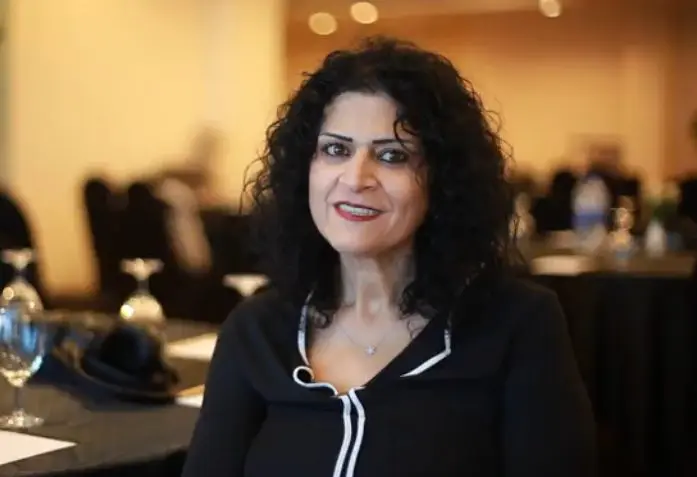
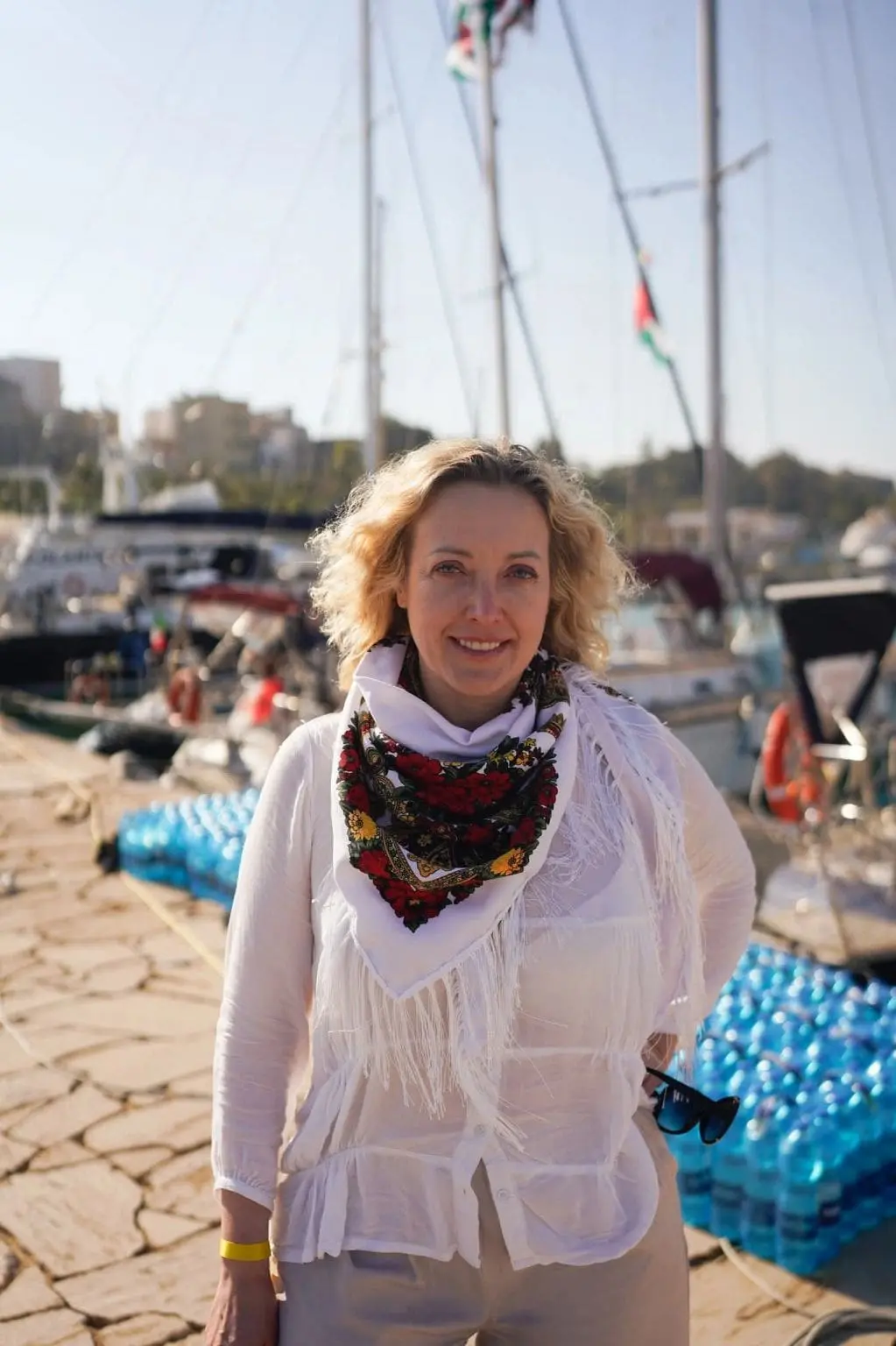
On May 13, 2017, Palestinians went to the polls to elect representatives for their local municipal representatives. Among the candidates, was Lucy Talgieh. A peace and human rights activist, and working as the Women’s Project Coordinator at the Wiam Palestinian Conflict Resolution and Transformation Centre, one of the International Civil Society Action Network’s (ICAN) and the Women’s Alliance for Security Leadership (WASL) partners
In her work Talgieh encouraged increased participation of women in political parties and secured an agreement to raise the quota of women in public office to a minimum of 30% (from 18-20%). In May, she put into practice what she’d been preaching for and ran as an independent candidate in the West Bank’s Bethlehem local elections. And she won.
Her reactions? “Very happy, especially that I ran as an independent candidate on an electoral list, and despite the fact that I was the fifth seat and not part of the Quota system.” She puts her win into context. “Most of the women who ran in the elections did not have any experience in social movements or women’s movements, and were only included because their parties needed to meet the quota,” she explains.
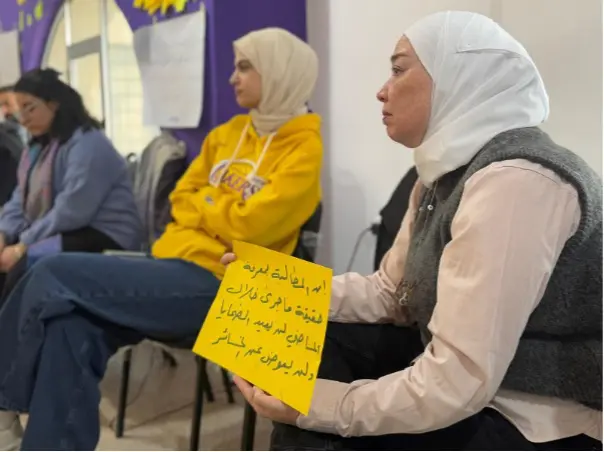
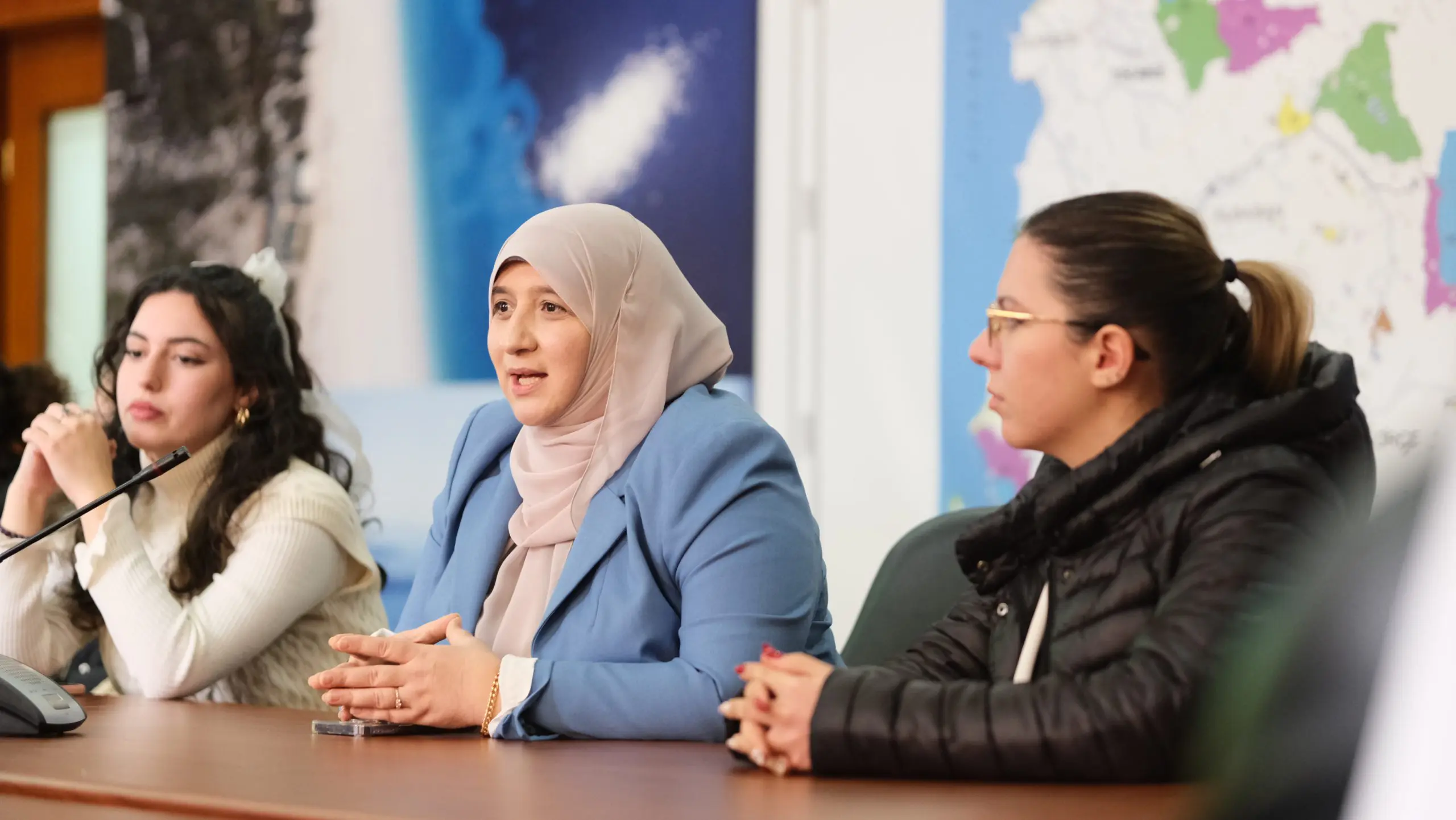
Palestinian women are unique in their struggle for equality: the large majority of them face discrimination internally within their families and communities, which is the result of an imbalanced patriarchal society; as well as external discrimination, the result of years of living under occupation. Each of these factors contributes to the challenges they face in the electoral process. With some assistance from ICAN’s RISE program, and through her work at Wi’am Center, she developed a program called “Building a shared commitment/understanding for more vibrant women involvement in local elections” that sought to address these obstacles. Through this initiative, Lucy brought together multiple stakeholders from the community to build a shared commitment to encouraging women’s participation at the local levels and to fostering debate on their leading roles in Palestinian society. They created a road map on ways of integrating women into the elections, both as voters and candidates. Activities included organizing national dialogues between different stakeholders on women’s participation in elections, which analyzed root causes as well as solutions.
The roundtable discussions highlighted the influence of family biases in limiting women’s ability to participate and the lack of societal awareness of the importance of women’s political participation. The vast majority of women are made to believe that they are not equipped with the knowledge or potential to run for office, and that politics is solely within the ambit of the men in the family. These internal discriminations are compounded by external factors. Participants unanimously agreed that society discriminates against women when it comes to the electoral process.
Participants also discussed solutions, including identifying tactics for encouraging political parties to create space for women, to remove barriers to women’s involvements, and to empower gender units within the police, ministries, and other governmental institutions. The meetings culminated in reaching an informal Action Plan (e.g., a road-map) for integrating and encouraging women to take active role in elections processes. It included providing technical and capacity building support to women and finding new ways to engage the community.
After a long process of work done by civil society organizations, an MOU was signed with the political parties that established a quota of 30% women in public office. The next hurdle will be implementation of the MOU, but at least, for now, the foundation has been laid, and there is a common understanding of the importance of having women at the decision-making table.
What distinguishes Lucy from so many others working on political participation is that she leads by example. Even though there were many obstacles, Lucy Talgieh persisted. She joined a platform as an independent, with 9 other people from different parties. “Women’s movements should work harder on building the capacity of women to effectively participate in the political process, and not be merely satisfied with a quota,” Talgieh said. Or as Talgieh shows, when there is a strong will, the map can be created and the road less traveled, can also be overcome.