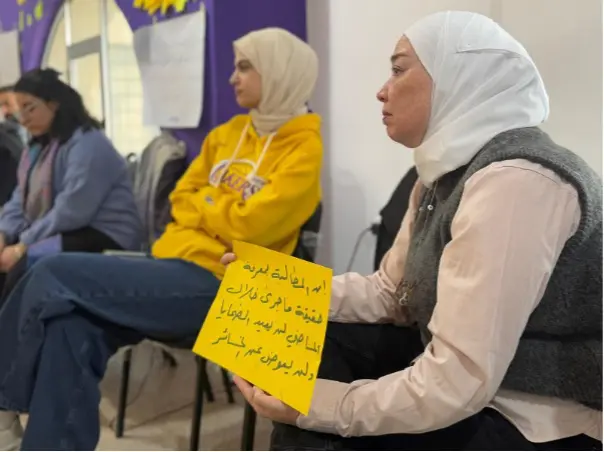
Across Syria, communities are finding ways to reconnect after years of war through dialogue, storytelling, art, and collective action. Mobaderoon’s Local Peace Committees demonstrate why lasting peace begins within communities themselves.
On Monday, July 15, 2019, the International Civil Society Action Network (ICAN), the United Nations Development Programme (UNDP), the Prevention Project—Organizing Against Violent Extremism, and the Global Challenges Research Fund (GCRF), part of United Kingdom Research and Innovation), with support from the Swiss Development and Cooperation Agency, convened a day-long expert roundtable on the margins of the UN High-Level Political Forum (HLPF) on Sustainable Development. Practitioners and members from Member States, multilateral organizations, non-governmental organizations (including civil society organizations), and the private sector came together to explore potential for operationalizing the linkages between the Sustainable Development Goals, particularly Goal 16 (SDG 16), and efforts aimed at preventing violent extremism (PVE). Two WASL partners shared insights into the situations on the ground in their respective countries.
UN Sustainable Goal 16: Promote peaceful and inclusive societies for sustainable development, provide access to justice for all and build effective, accountable and inclusive institutions at all levels.
The event opened with a brief overview of the current situation in the PVE world. “In response to the ongoing crisis of the rise of violent extremism, PVE actors collectively need to look ahead, not behind, regarding what needs to be done to prevent conflict and build peace,” said one participant.
The first session of the day aimed to determine where linkages exist between the SDG 16 agenda and the PVE agenda. During the second session, participants sought to determine how all actors working in the PVE and SDG 16 spheres can work together to leverage comparative strengths to achieve the best outcome possible. The third session focused on methods to bridge divides and bring coherence between actors in PVE and those involved in SDG 16. The expert roundtable concluded with a discussion among all attendees about how best to move forward and possible recommendations.
The approach needs to be two-pronged: we need strong institutions, and trust in civil society.
Intervenors and other attendees highlighted several important facets to keep in mind when working to operationalize linkages between the SDG 16 and PVE agendas. For example, language is crucial in all steps of this work. A critical factor is the need for a single, unified definition of violent extremism between all relevant actors. Language also needs to be specific when labelling work. Depending on the region or country, civil society organizations have to label their work differently, such as “PVE work” versus “social cohesion.” In addition, there are some places where SDG 16 language holds weight, but in other spaces, that language is not useful. Instead, actors should be talking about the components and underlying tenets of SDG 16. Finally, it is imperative to not only prevent violent extremism—we must also be working towards peace.
In order for the linkages between the SDG 16 and PVE agendas to function well, approaches need to be tailor-made to fit each individual context. This includes funding work that is based on rigorous research—including talking to local civil society actors present on the ground—regarding the local drivers of violent extremism, and that responds to these root causes. In addition, some donors require recipients to have experience handling a set amount of money, but often that amount isn’t realistic for a small, on-the-ground organization to have managed. Donors need to be more realistic in their expectations of organizations’ capacities when funding these organizations. Similarly, donors need to be willing to take risks in the organizations they fund.
Decisions to fund often are not driven by rigorous research or reports of the drivers of violent extremism in that country. Governments need to ask if what they’re funding ignores the structural reasons for why violent extremism exists in a space, and why people join violent extremist groups.
The outcomes and conclusions from this roundtable will inform a policy brief that will be presented during a high-level side vent during the opening of the 74th UN General Assembly in September 2019.
Across Syria, communities are finding ways to reconnect after years of war through dialogue, storytelling, art, and collective action. Mobaderoon’s Local Peace Committees demonstrate why lasting peace begins within communities themselves.
ICAN Featured Innovative Peace Fund Mobaderoon Our Stories Stories WASL Updates Women's Alliance for Security Leadership
The International Civil Society Action Network (ICAN) and the Women’s Alliance for Security Leadership (WASL) Statement: The Escalating U.S.-Israeli War on Iran and its Regional Ramifications
ICAN Featured ICAN Latest
In March 2020, ICAN and its global network of women-led peacebuilding organizations, WASL, launched the She Builds Peace (SBP) campaign.
Allamin Foundation CAGEAD COEC ICAN Featured ICAN Latest Our Stories PAIMAN SBP Frameworks She Builds Peace Countries Stories WCDCA Women Relief Aid Women's Alliance for Security Leadership
On October 6, 2025, the U.N. Security Council holds its annual open debate on Resolution 1325 on Women, Peace, and Security. Today, we are not issuing a new statement. Instead, we are honoring our community of women peacebuilders—who appeared before the Security Council throughout these 25 years, speaking for the millions they represent—by echoing their messages.
ICAN Featured ICAN Latest ICAN Updates WASL Updates Women's Alliance for Security Leadership
در عرصه صحت روانی، افغانستان با بحران پیچیدهای مواجه است که این بحران به طور جدایی ناپذیر با ناامنی شدید فیزیکی، سیاسی و اقتصادی در کشور گره خورده و این نا امنی ها بحران را تشدید میکند. برای رسیدگی به آسیب های روانی، صحت و بهداشت جامعه به شیوه های پاسخگو به جنسیت و با مد نظر گرفتن حساسیت های فرهنگی، سازمانهای فعال در عرصه صلح سازی به رهبری زنان افغان در موقعیتی منحصربه فرد قرار دارند. این سازمان ها خدمات ابتدایی ارائه میدهند، مهارتها را توسعه میبخشند و در شکلدهی هنجارهای فرهنگی و جنسیتی نقش مؤثر ایفا میکنند.
ICAN Featured ICAN Latest ICAN Updates WASL Updates Women's Alliance for Security Leadership WPSO
افغانستان له یوه ډېر پېچلي اروایي/رواني روغتیايي حالت سره مخ دی چې دا حالت د هېواد له ناامنۍ، سیاسي ګډوډۍ او اقتصادي ستونزو سره تړلی او لا یې دا ستونزې زیاتې کړي دي. د افغان ښځو په مشرۍ سولهپالې ادارې کولی شي د خلکو روغتیا او هوساینې ته پاملرنه وکړي، ځکه د دوی کار د ښځو اړتیاوو ته په پاملرنه ترسره کیږي، له کلتوري حساسیتونو سره سمون لري او د ټروما په معلوماتو باندې متکي (trauma-informed) تګلارې دي. دا ادارې اساسي خدمتونه وړاندې کوي، خلکو ته مهارتونه ورزده کوي او کلتوري دودونه او جنسیتي اړخونه تر پوښښ لاندې نیسي.
ICAN Featured ICAN Latest ICAN Updates WASL Updates Women's Alliance for Security Leadership WPSO
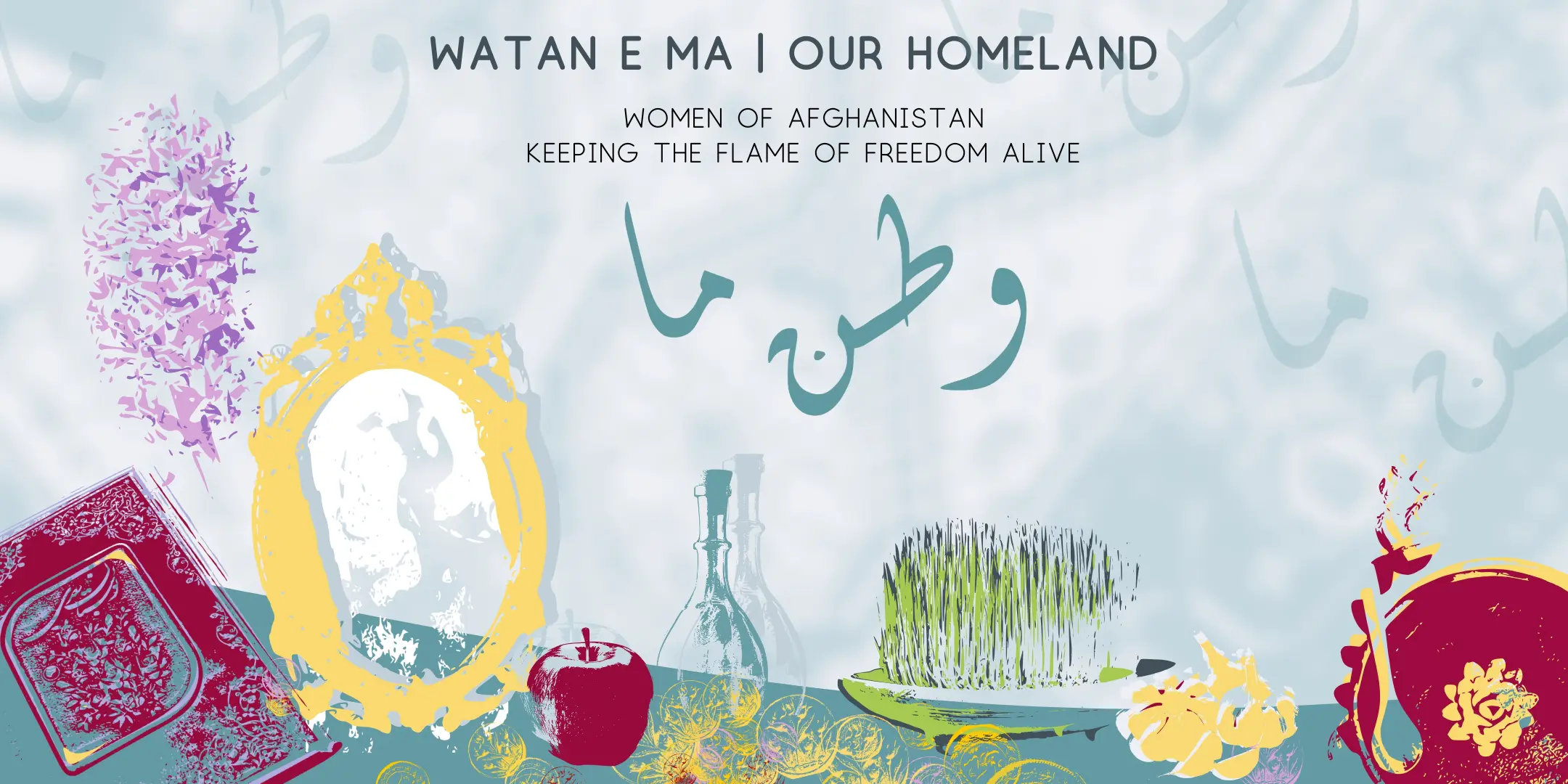
In a powerful departure from traditional advocacy, ICAN—guided by our Afghan partners and women peacebuilders—hosted the event “Watan e Ma – وطن ما – Our Homeland: Women of Afghanistan Keeping the Flame of Freedom Alive” on March 17, 2025 at Blue Gallery in New York City. Held during the 69th Commission on the Status of Women (CSW69), the event celebrated Afghan cultural heritage and the resilience of Afghan women peacebuilders, who persist in their leadership for peace, justice, and equality under the Taliban’s regime of gender apartheid.
ICAN Latest ICAN Updates
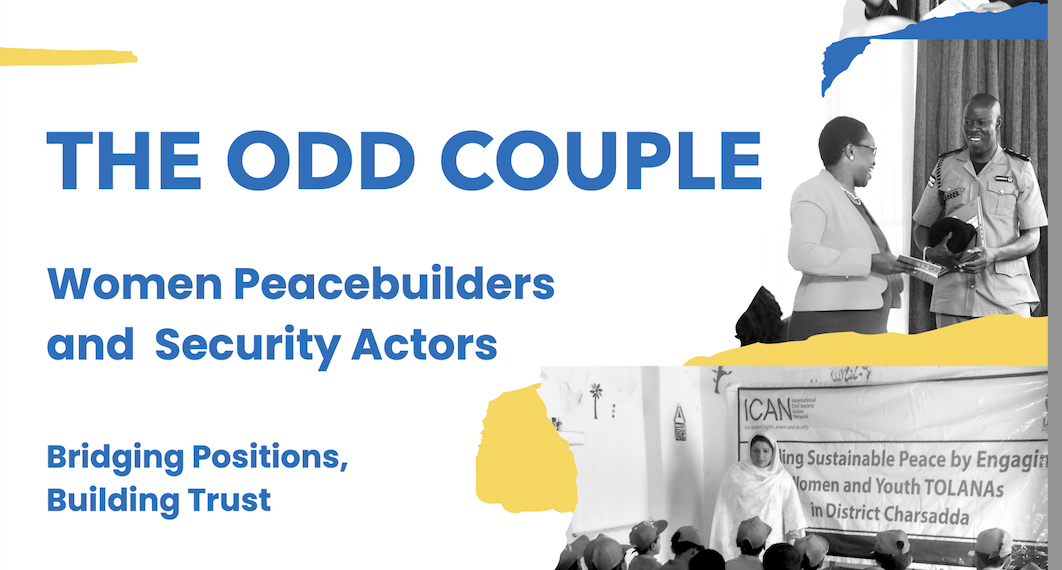
Trust between communities and the security sector is critical for effective governance and peace. So is a vibrant civil society. When women peacebuilders are recognized and engaged as independent, strategic partners and security actors—in their own right—the results are transformative. Twenty-five years on from the launch of the WPS agenda, women peacebuilders’ creativity and contributions to societal peace and security are not only timely, they are even more essential.
Allamin Foundation AWAPSA AWAW Better Peace Initiative CIASE CoACT GEN Myanmar Gender and Extremisms ICAN Featured ICAN Latest ICAN Updates PAIMAN PCID WASL Updates Women's Alliance for Security Leadership
Afghanistan is facing a complex mental health crisis inextricably linked with and compounding the dire state of physical, political, and economic insecurity in the country. Afghan women-led peacebuilding organizations are uniquely positioned to address community members’ health and wellness in gender-responsive, culturally- sensitive, and trauma-informed ways.
ICAN Featured ICAN Latest ICAN Updates WASL Updates Women's Alliance for Security Leadership WPSO
As the Women’s Alliance for Security Leadership (WASL) continues to expand globally, fostering stronger regional and national networks, we are excited to announce the formation of the first-ever WASL Steering Committee.
ICAN Updates WASL Updates
It is with immense grief and shock that we share the tragic news that our dear sister, friend and colleague, Sureya Roble Hersi passed away on Friday October 25, 2024, in Mombasa, Kenya.
Exclude from RSS ICAN Updates
From July 25–31, 40 Colombian women representing 22 regions convened in Bogotá to reaffirm their commitment to the Women, Peace, and Security (WPS) Agenda and its application in the Colombian context.
CIASE ICAN Featured ICAN Updates Our Stories Stories WASL Updates Women's Alliance for Security Leadership