By Melinda Holmes
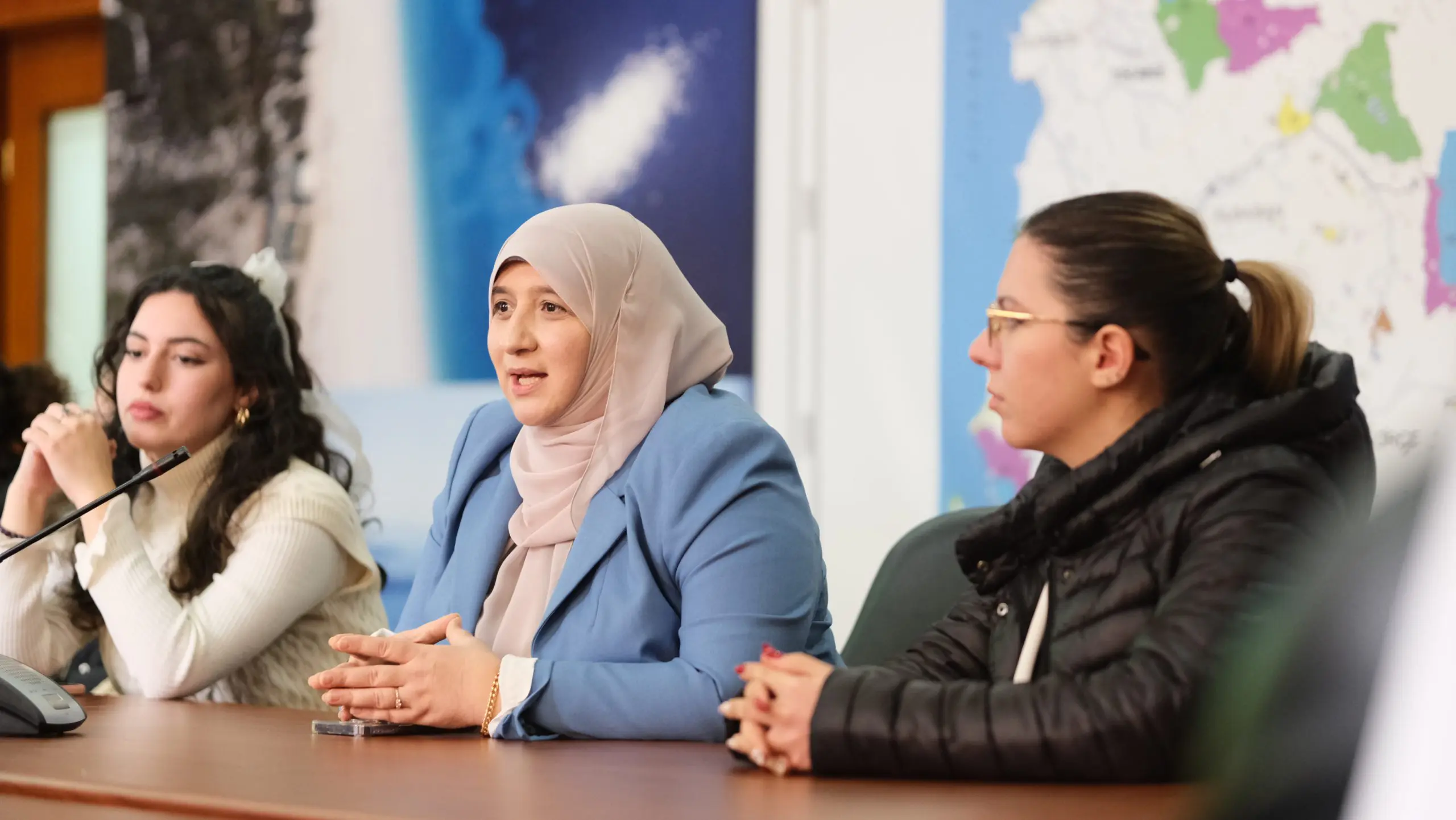
The third weekly virtual meeting of the Women’s Alliance for Security Leadership (WASL) was held on April 16, 2020. HRH the Countess of Wessex once again joined the call along with Norway’s Special Envoy for Women, Peace and Security, Marita Sørheim-Rensvik and Canadian Senator Mobina Jaffer, chair of ICAN’s board. The discussion addressed the question: how is the pandemic exacerbating or alleviating xenophobia, ethno-nationalism, religious or other extremisms (i.e. through online messaging, discriminatory responses, and/or scapegoating of minorities) and are there gendered dimensions to this?
Around the world, women peacebuilders report an uptick in hate speech, xenophobia, and extremist messaging. In The Maldives, for example, extremists are recruiting by brainwashing people into believing the pandemic is the wrath of God for not following religious instruction. In Sri Lanka, Islamic burial rites are being denied despite complying with WHO guidelines and Muslims are being portrayed in mainstream media as spreading the disease. Elsewhere it is the government’s poor or biased response that is feeding into extremist narratives. In Cameroon, for example, responses threaten to exacerbate the conflict because only prisoners from certain regions were given clemency to alleviate the crowding in prisons.
Extremists are recruiting people by brainwashing them into believing that the pandemic is the wrath of God
– The Maldives
The vacuum left where the state is failing to provide for people’s basic health and economic needs, the vulnerability created by fear of the virus and more time spent online, and the inequalities exacerbated by COVID-19 are all trends identified by WASL members from the beginning of this crisis. These same trends are now clearly being leveraged by extremist groups to foment xenophobia and other forms of extremism, and gain the trust of the population. But this is not a new pattern.
In Palestine, for example, some groups hand out plants for gardens in exchange for signing up. Elsewhere it is access to hospitals or food packages that are used to buy loyalty. In many countries, independent civil society organizations which also provides for such humanitarian needs have been subject to increasingly closed space in recent years. Thus, in places like Pakistan where the government used to rely on and support NGOs to respond to disasters, their capacity is now insufficient to the task.
Extremist groups are providing humanitarian assistance and filling the vacuum left by the state
– Pakistan
In the face of these realities it is women who pick up the pieces. In Pakistan they are returning to traditional communication networks, calling from rooftop to rooftop to share news and guidance. And because of efforts of one WASL member, women who once sewed suicide jackets are now sewing masks and making homemade sanitizer. Yet, around the world we are also witnessing the disproportionate impact of the pandemic on women in an increase in divorce rates, pregnant women unable to access hospitals, and a disastrous rise in domestic violence. In Iraq women have been raped, murdered, and burned in their homes. WASL members share that the virus has become a source of stigma and shame in many places, hindering healthcare response.
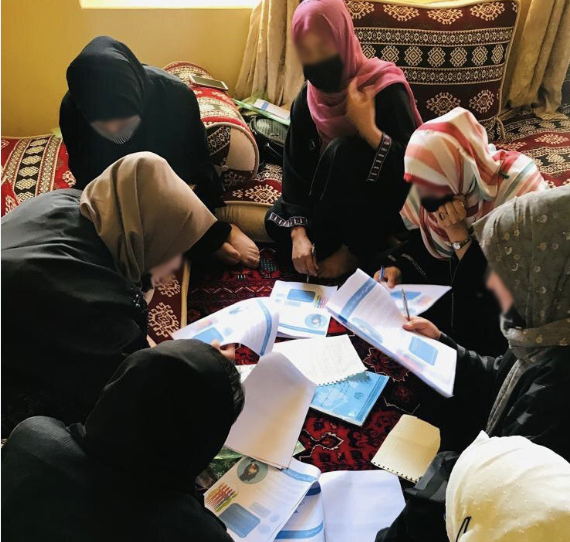
Around the world, the pandemic has multiplied the work of women peacebuilders who operate as first responders to the needs of their communities. For example, in Syria, one WASL member has gone in one month from supporting 50 families of 5 with food and sanitizer to 700. Through a network of community leaders, civil society, and local business people, she has managed to pair merchants with families in need in order to provide for them. Another WASL member in Iraq is fielding calls from women experiencing violence including threats to their lives, which she is addressing through phone calls and even visits to the family to talk to the husband.
On the ground, women peacebuilders are filling the vacuum left by the states, and pushing back against the narratives of extremists
In Iraq and Cameroon, some religious leaders are trying to spread awareness about COVID-19 and share public health guidelines, however ethnic minorities and remote areas are not being reached. In India and Mexico, indigenous communities are deliberately ignored or by local officials who don’t want to provide them support. At the same time, the assassination of community leaders and activists continues in Colombia and elsewhere in the region where indigenous communities have now established their own forms of security to protect themselves.
At this time it is local infrastructure and village-level systems that are saving the day in communities around the world, and women peacebuilders are at the forefront of these. “Where is the trust?” as our honored guest put it, “It exists with women peacebuilders out on the ground. If they can push back against this vacuum and stay safe, well, active and engaged.” We must stand with them now more than ever to ensure they can.
Click here to download the call summary in PDF format
Summaries of the rest of the calls can be accessed here
The WASL calls are held weekly on Thursdays at 9am EDT.
For more information please contact Melinda Holmes, WASL Program Director
melinda.holmes@icanpeacework.org.