The Odd Couple: Women Peacebuilders and Security Actors Bridging Positions, Building Trust
The WPS agenda has proven a vital entry point for women peacebuilders to engage with the security sector and build trust within affected communities. These efforts—often invisible—are contributing to the reform of the sector, reshaping local security environments and mitigating violence.
The War Against Ourselves: Afghan Women Peacebuilders’ Response to the Mental Health Crisis in Afghanistan
This case study describes the drivers of the mental health crisis in Afghanistan, its gendered and cultural dimensions, and the strategies used by Afghan women-led peacebuilding organizations to provide solutions. The authors conducted interviews with representatives of Afghan women-led peacebuilding organizations and thematic experts, which were complemented by a desk review of project documentation and […]
Home»ICAN Featured»
Where Do We Go From Here? Reflections on Conflict-Related Sexual Violence
Where Do We Go From Here? Reflections on Conflict-Related Sexual Violence
28 April 2022
By Stacey Schamber
In response to the UK’s plan to host an international conference on the ten-year anniversary of their preventing sexual violence in conflict initiative (PVSI), members of the Women’s Alliance for Security Leadership (WASL) shared their reflections during our weekly community check-in call. Despite mention of conflict-related and other sexual violence (CRSV) in 8 security council resolutions since 2008, there remains substantial gap in implementation with the Secretary General’s reports indicating low levels of compliance by conflict parties.
WASL members shared the real-time descriptions of CRSV from their communities:
In Syria and Yemen young men are raped in detention and by soldiers
In Afghanistan, military and para-military local war lords use rape as a weapon of war and terror to strengthen their grip on local communities
The economic crisis in Lebanon precipitated an increase in sex trafficking in the airport and along the border with Syria
In Cameroon if a girl is raped, traditional community mechanisms impose a small fine on the perpetrator
In South Africa women in uniform were targeted with sexual violence
These examples illustrate the many challenges surrounding CRSV such as shame and stigma which prohibits communities from talking about this issue and often prevent survivors from accessing services. WASL member Mia Bloom described how the misconception of CRSV as a natural consequence of war has contributed to the lack of an effective mechanism to prevent it. There has been considerable growth in the study of CRSV but more research is needed, which is particularly challenging given the nature of under-reporting of incidents and ethical sensitivities in documentation.
The misconception of conflict-related sexual violence as a natural consequence of war has contributed to the lack of an effective mechanism to prevent it.
When asked about effective interventions, many WASL members recommend increasing awareness about CRSV, both to deter perpetrators from inflicting such violence as well as to encourage survivors to access the care they need including legal, livelihood, health and psychosocial support. In the Philippines women-led organizations came together, including those with more elite status, to lobby for laws to protect women from violence. While their collective efforts took years to see fruition, the national police are now required to have a women’s desk, which allows women to feel more comfortable to report crimes. Over the course of 10-20 years, more women have been recruited into the police force.
In Indonesia, WASL partner Empatiku is advocating for a state law prohibiting sexual violence. They’re also training social workers and counselors to rehabilitate perpetrators of domestic violence and take a more integrated approach to working with victims, families, and perpetrators. In Lebanon, women peacebuilders would like to train the police and airport personnel to identify the warning signs of human trafficking. They’re witnessing an increase in cases especially along the Syrian border.
WASL members also discussed their experiences with the media and other community leaders. While journalists and religious leaders do not always address CRSV with respect, alliances with them can help to change the culture and promote awareness that violence against women is not condoned or linked to notions of honor. TV and radio programs can model a more positive response to survivors.
One of the most prominent gaps and hence recommendations for preventing and responding to CRSV is to scale up services for survivors. In countries such as Yemen, war and poverty have exacerbated cases of domestic violence and services are almost non-existent, only provided by CSOs and not even present in hospitals. Funding and support for psychological care and economic initiatives are paramount. Shelters and other services should be held to international standards. Similarly, attention and funding should be directed to monitor the conditions of, and provide services to, those detained and in prison where CRSV has been rampant.
One of the most prominent gaps and hence recommendations for preventing and responding to CRSV is to scale up services for survivors.
Another strategy to increase awareness is to engage cultural and social influencers. For instance, in the Yazidi community in the aftermath of ISIS, religious leaders protected survivors of CRSV. WASL member Nicoline Wazeh from Cameroon concurred with the need to address cultural barriers. For instance, when she gave a recent training to police, she was surprised to find that many did not know that CRSV constitutes a war crime. Her colleague, Clotilda Andiensah Waah, also agreed and advocated for integrating awareness about CRSV and its consequences in educational curricula. This institutional approach is one key strategy for shaping the cultural discourse.
Finally, WASL member Cerue Konah Garlo from Liberia raised the crucial issue of accountability. She described how in Sierra Leone perpetrators were held accountable whereas in Liberia they were rewarded with jobs including government positions. She comments, “I think the UK and other strong governments should hold government accountable- impose travel bans on government officials who refuse to protect women from violence.”
These are the key struggles:
how to scale up services for survivors;
how to reduce shame/stigma by shifting cultural narratives; and
how to strengthen political will and hold states accountable?
We don’t need another 15 years of resolutions and awareness months. It’s time, past time, to close the gap.
بعد أكثر من عقد من الحرب، تشهد سوريا مرحلة انتقالية هشة. لقد كتب سقوط نظام الأسد في ديسمبر/كانون الأول من عام 2024 نهاية أكثر من 50 عاما من الحكم الاستبدادي، ولكنه لم يجلب الاستقرار الفوري. بل على العكس، يواجه البلد أزمة اقتصادية متفاقمة، وتوترات أمنية، وانتهاكات مستمرة لحقوق الإنسان، ونزوحا جماعيا، وتفككا اجتماعيا حادا. أكثر […]
ICAN FeaturedMobaderoonOur StoriesStoriesWomen's Alliance for Security Leadership
Across Syria, communities are finding ways to reconnect after years of war through dialogue, storytelling, art, and collective action. Mobaderoon’s Local Peace Committees demonstrate why lasting peace begins within communities themselves.
ICAN FeaturedInnovative Peace FundMobaderoonOur StoriesStoriesWASL UpdatesWomen's Alliance for Security Leadership
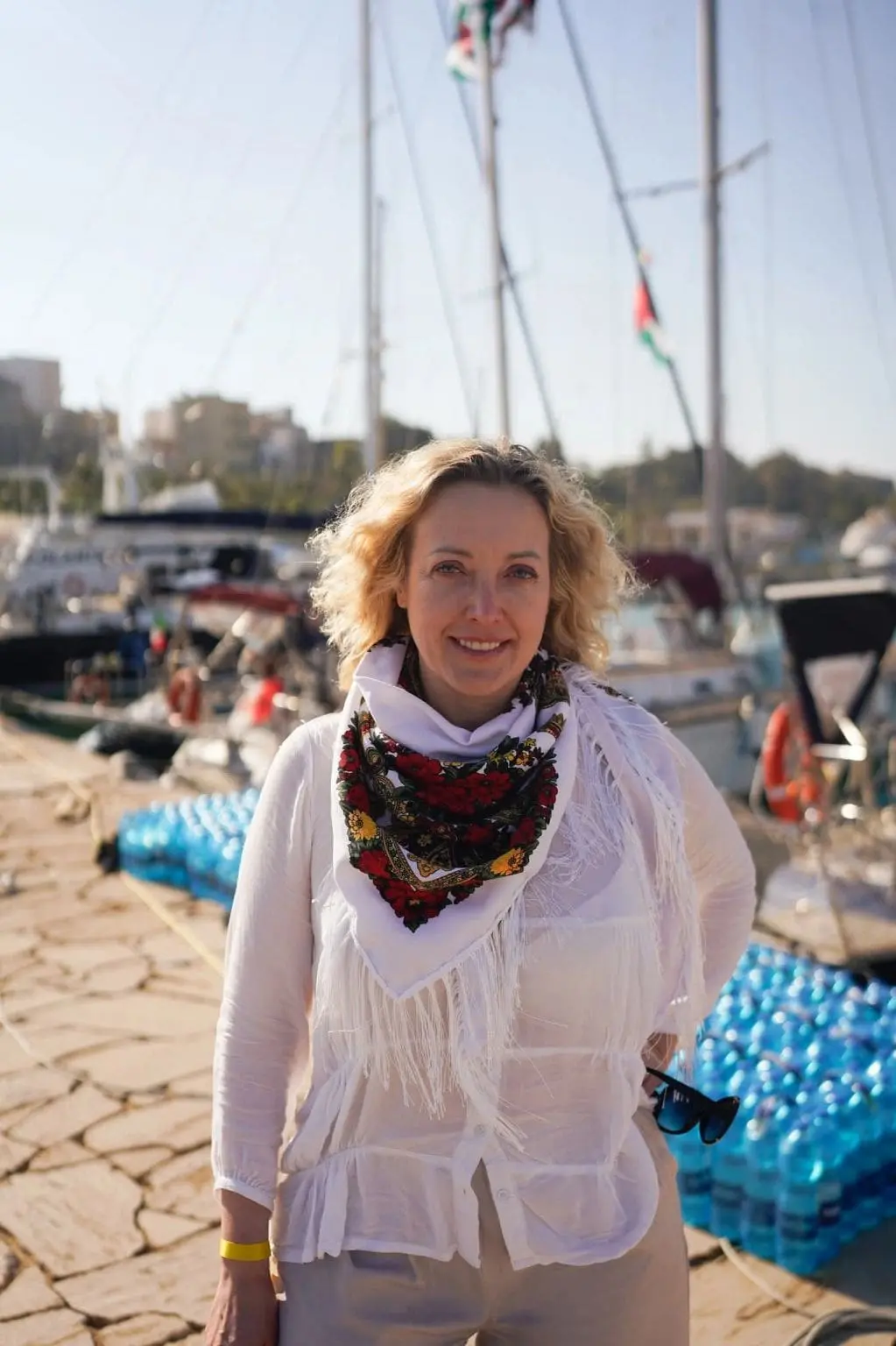
Nina Potarska, a member of the ICAN-spearheaded Women’s Alliance for Security Leadership, is currently at sea with the Global Sumud Flotilla, a civilian-led mission organized with the Freedom Flotilla Coalition, en route to Gaza.
ICAN FeaturedOur StoriesStoriesWomen's Alliance for Security Leadership
مدينة البصرة في جنوب العراق، المدينة التي تضررت طويلا من الحرب وقلة الاستثمارات، تواجه تهديدات متزايدة بسبب خطاب الكراهية والتطرف وتآكل الثقة بين المواطنين والمؤسسات. وغالبا ما يقع الشباب -وخاصة الشابات- في قلب هذه التوترات، في عالم تتقاطع فيه المضايقات والتحرش الالكتروني مع الواقع. وفي مثل هذه البيئة، تتبنى جمعية الفردوس العراقية (الفردوس) نهجا جديدا […]
ICAN FeaturedOur StoriesStoriesWomen's Alliance for Security Leadership
The International Civil Society Action Network (ICAN) and the Women’s Alliance for Security Leadership (WASL) Statement: The Escalating U.S.-Israeli War on Iran and its Regional Ramifications
Iraqi Al-Firdaws Society (Al-Firdaws) is taking a new approach to peacebuilding. Their project, Horizon: Promoting Community Peace, supported by ICAN’s Innovative Peace Fund (IPF), brings together youth, local security forces, and civil society actors to address violent extremism through dialogue, education, and community-based action.
ICAN FeaturedOur StoriesStoriesWomen's Alliance for Security Leadership
Introducing the Holistic Security Menu: a co-designed, partner-driven model that provides practical and sustainable security support—on women peacebuilders’ own terms.
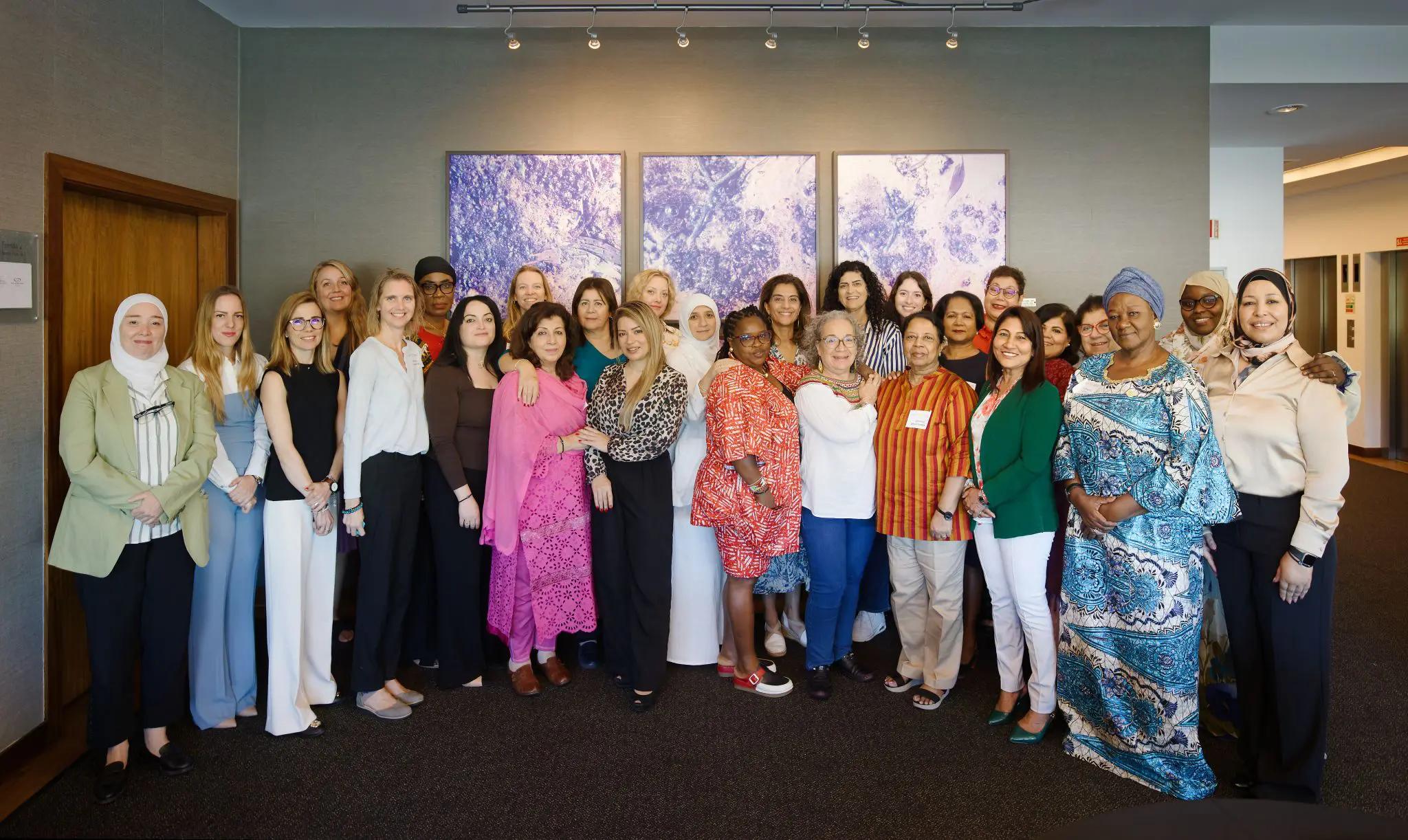
ICAN convened 20 members of WASL in Lisbon for the “Our Strategies, Our Peace” Writers’ Workshop. This unique gathering provided a secure and creative space for women peacebuilders to share their strategies, experience, expertise, and stories from conflict and crisis contexts.