Action Points to Guarantee Gender Responsive Humanitarian Aid and Protection for Sudanese Women, Men, Girls, and Boys
25 May 2023
On May 20, 2023, the Sudanese Armed Forces (SAF) and the Rapid Support Forces (RSF) signed the Short-Term Ceasefire and Humanitarian Arrangements agreement. The agreement states that, among other actions, the parties will “respect the need to strengthen protection of civilians; [are] determined to promote full respect for human rights and comply with their obligations under international humanitarian law….” Parties agree to “protect all public facilities such as hospitals, medical facilities and water and electricity installations and [will] halt and refrain from […] prohibited acts including:
- Torture, or other cruel, inhumane, or degrading treatment, including sexual, gender-based and discriminatory violence of all kinds;
- Recruitment, enlisting or mobilization of soldiers;
- Harassment, assaults, hostage taking;
- Restricting or obstructing the movement of civilians;
- Using civilians as human shields;
- Forcibly disappearing persons; and
- Looting, ransacking, ravaging.”
To comply with the agreements, guaranteeing gender responsive humanitarian aid and protection for Sudanese women, men, girls, and boys is essential. The three outcomes and related actions noted below, provide measurable guidance on the immediate next steps.
Outcome I: Sudanese civilians across all communities and in urban and rural areas – notably female-headed households – receive the humanitarian aid they need, including but not limited to food, water, shelter, and health care.
Actions for the International Community:
A. Design clear gender-responsive plans to deliver humanitarian aid to women, girls, men, and boys in religious, ethnic, and other minority communities across Sudan, in consultation with women leaders of Sudanese civil society organizations that are locally rooted.
B. Ensure aid programs address the health, sanitation, reproductive, and nutritional needs of women and girls.
C. Include senior women officials and personnel with understanding of Sudan’s local languages and cultural context in international humanitarian delegations. Ensure UN missions have strong female representatives with expertise of the gendered dimensions of crisis and mediation.
D. Guarantee inclusion of Sudanese women with experience in aid delivery in negotiations with the armed forces and militias.
E. Support access to cash transfer programs to Sudanese families, with explicit targeting of women and female headed households.
Actions by the Armed Actors – the Sudanese Army and the Rapid Support Forces (RSF):
A. Allow safe passage for aid to be delivered to all Sudanese, particularly women and girls.
B. Ensure that all SAF and RSF personnel are informed about and fully comply with all aspects of the ceasefire and humanitarian agreements.
Outcome II: All violence against the Sudanese population, especially women, girls, and minorities ends, including but not limited to instances of sexual violence, and gender-based violence in private and public settings.
Actions for the International Community:
A. Ensure the inclusion of women peacebuilders with expertise and practical experience in addressing conflict related sexual violence (CRSV) issues in political, security (including ceasefire monitoring), humanitarian analysis, negotiations and design/delivery of services. They are the first to know and act and have the trust of survivors to identify solutions.
B. Set up a monitoring, report, and response system to address CRSV in line with the agreements. This includes in the context of humanitarian aid and passage (per existing UN guidance).
C. Ensure the inclusion of women peacebuilders with expertise and practical experience in addressing CRSV issues in political, security (including ceasefire monitoring), humanitarian analysis, negotiations and design/delivery of services. They are the first to know and act and have the trust of survivors to identify solutions.
D. Set up a monitoring, report, and response system to address CRSV in line with the agreements. This includes in the context of humanitarian aid and passage (per existing UN guidance).
E. Systematically monitor, publicize, and inform SAF, RSF leadership, international guarantors, and mediator of the agreements (including but not limited to the United Nations, the United States, and the Kingdom of Saudi Arabia) of emerging reports of violence – including CRSV – per the agreements.
F. Establish an emergency mechanism (comprising women and men) to immediately respond to such incidences, ensuring safety for survivors, investigation and reprimand/punishment of perpetrators. G. Ensure gender-based violence prevention and response services are prioritized and funded, including mental health and psychosocial support services, healthcare, legal aid, and livelihoods, for all survivors.
H. Fund and maintain shelters and safehouses for Sudanese women and girls at elevated risk of violence. I. Prohibit the SAF, RSF and other militias and gangs from forcibly recruiting youth. Ensure that young at-risk men are protected physically, and their emotional well-being is addressed.
J. Report human rights violations through UN Special Procedures to the Human Rights Council and the International Criminal Court (ICC).
Actions by the Armed Actors – the Sudanese Army and the Rapid Support Forces (RSF):
A. Issue, publicly announce, and enforce the agreements that expressly prohibits violence, sexual violence, harassment, threats, exploitation against the Sudanese population, especially against women, girls, and minorities.
B. Arrest and charge those who violate or disrespect women, men, boys, or girls verbally, physically, or sexually.
C. Arrest and charge any SAF, RSF or other military/militia groups that seek to recruit men and women.
Outcome III: Sudanese civil society organizations, including women-led organizations, continue their work safely and sustainably.
Actions for the International Community:
A. Contract and ensure that diverse Sudanese civil society organizations, including women-led organizations, provide for the health, education, livelihoods, and security of their communities.
B. Ensure civil society organizations have access to secure communication and protection mechanisms.
C. Fund Sudanese civil society organizations, particularly women-led organizations, by providing long- term flexible funding not tied to specific activities.
Actions by the Armed Actors – the Sudanese Army and the Rapid Support Forces (RSF):
A. Issue, publicly announce, and enforce an agreement that guarantees the protection of the life and property, and the freedom of movement of the staff and leaders of Sudanese civil society organizations, including women-led organizations.
Related Posts
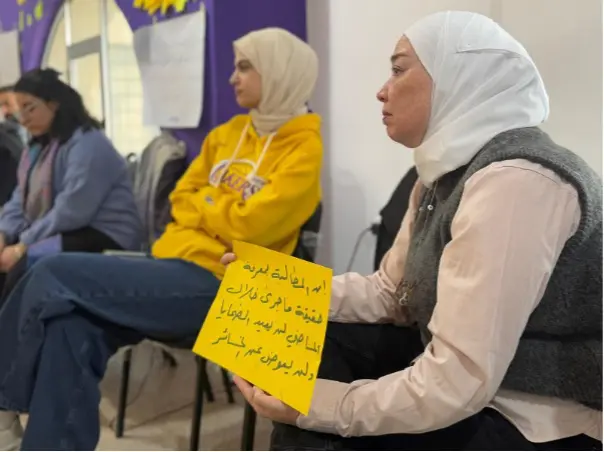
“لقد ألغينا الصمت”: كيف تعيد لجان السلام المحلية بناء الثقة في سوريا
بعد أكثر من عقد من الحرب، تشهد سوريا مرحلة انتقالية هشة. لقد كتب سقوط نظام الأسد في ديسمبر/كانون الأول من عام 2024 نهاية أكثر من 50 عاما من الحكم الاستبدادي، ولكنه لم يجلب الاستقرار الفوري. بل على العكس، يواجه البلد أزمة اقتصادية متفاقمة، وتوترات أمنية، وانتهاكات مستمرة لحقوق الإنسان، ونزوحا جماعيا، وتفككا اجتماعيا حادا. أكثر […]
ICAN Featured Mobaderoon Our Stories Stories Women's Alliance for Security Leadership
“We Canceled Silence”: How Local Peace Committees Rebuild Trust in Syria
Across Syria, communities are finding ways to reconnect after years of war through dialogue, storytelling, art, and collective action. Mobaderoon’s Local Peace Committees demonstrate why lasting peace begins within communities themselves.
ICAN Featured Innovative Peace Fund Mobaderoon Our Stories Stories WASL Updates Women's Alliance for Security Leadership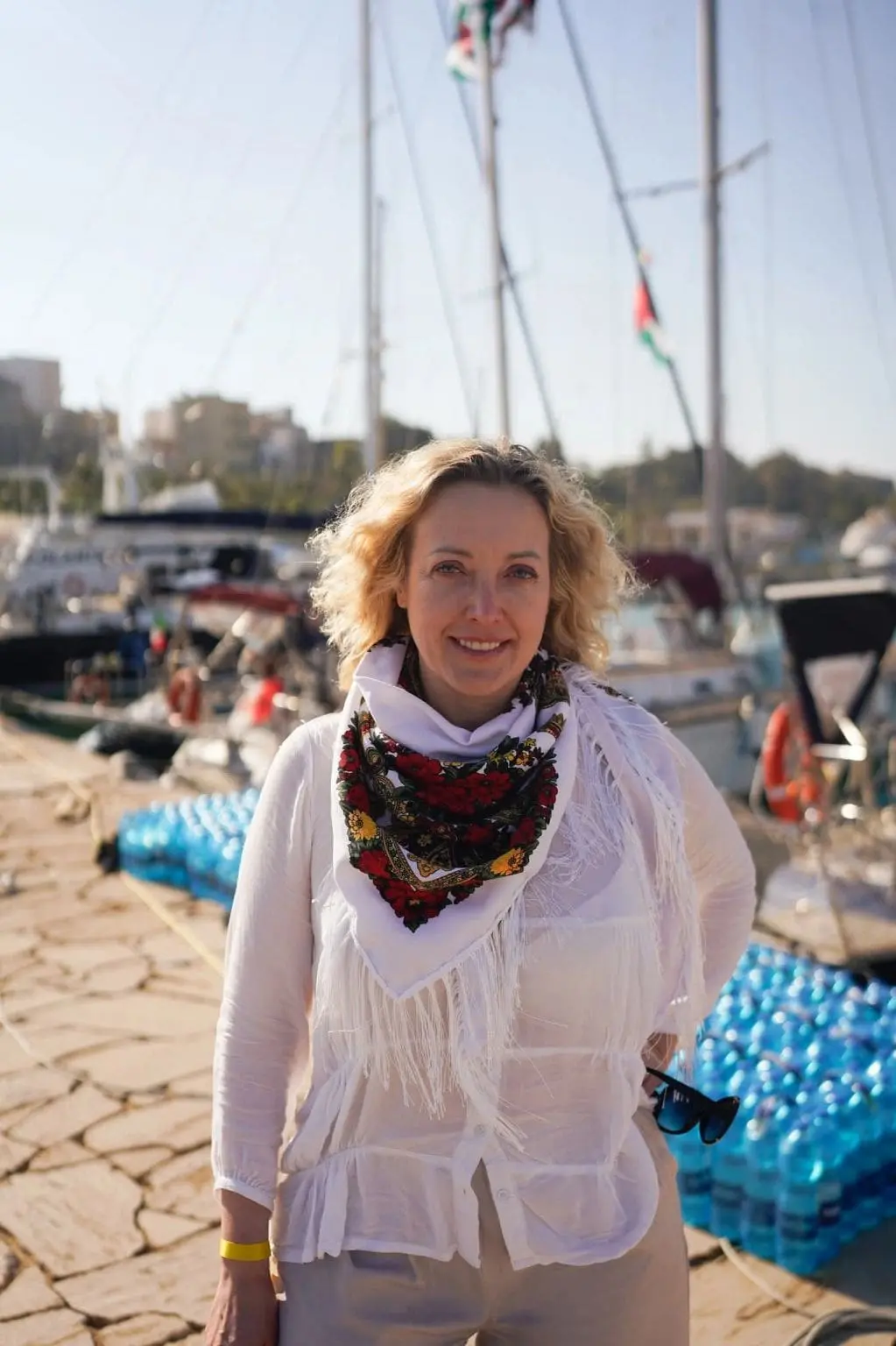
Ukrainian peacebuilder Nina Potarska sails to challenge illegal blockade of Gaza
Nina Potarska, a member of the ICAN-spearheaded Women’s Alliance for Security Leadership, is currently at sea with the Global Sumud Flotilla, a civilian-led mission organized with the Freedom Flotilla Coalition, en route to Gaza.
ICAN Featured Our Stories Stories Women's Alliance for Security Leadership
مكافحة التطرف في العراق: أفق جديد للسلام
مدينة البصرة في جنوب العراق، المدينة التي تضررت طويلا من الحرب وقلة الاستثمارات، تواجه تهديدات متزايدة بسبب خطاب الكراهية والتطرف وتآكل الثقة بين المواطنين والمؤسسات. وغالبا ما يقع الشباب -وخاصة الشابات- في قلب هذه التوترات، في عالم تتقاطع فيه المضايقات والتحرش الالكتروني مع الواقع. وفي مثل هذه البيئة، تتبنى جمعية الفردوس العراقية (الفردوس) نهجا جديدا […]
ICAN Featured Our Stories Stories Women's Alliance for Security Leadership
The U.S. and Israel’s War on Iran and its Regional Ramifications
The International Civil Society Action Network (ICAN) and the Women’s Alliance for Security Leadership (WASL) Statement: The Escalating U.S.-Israeli War on Iran and its Regional Ramifications
ICAN Featured ICAN Latest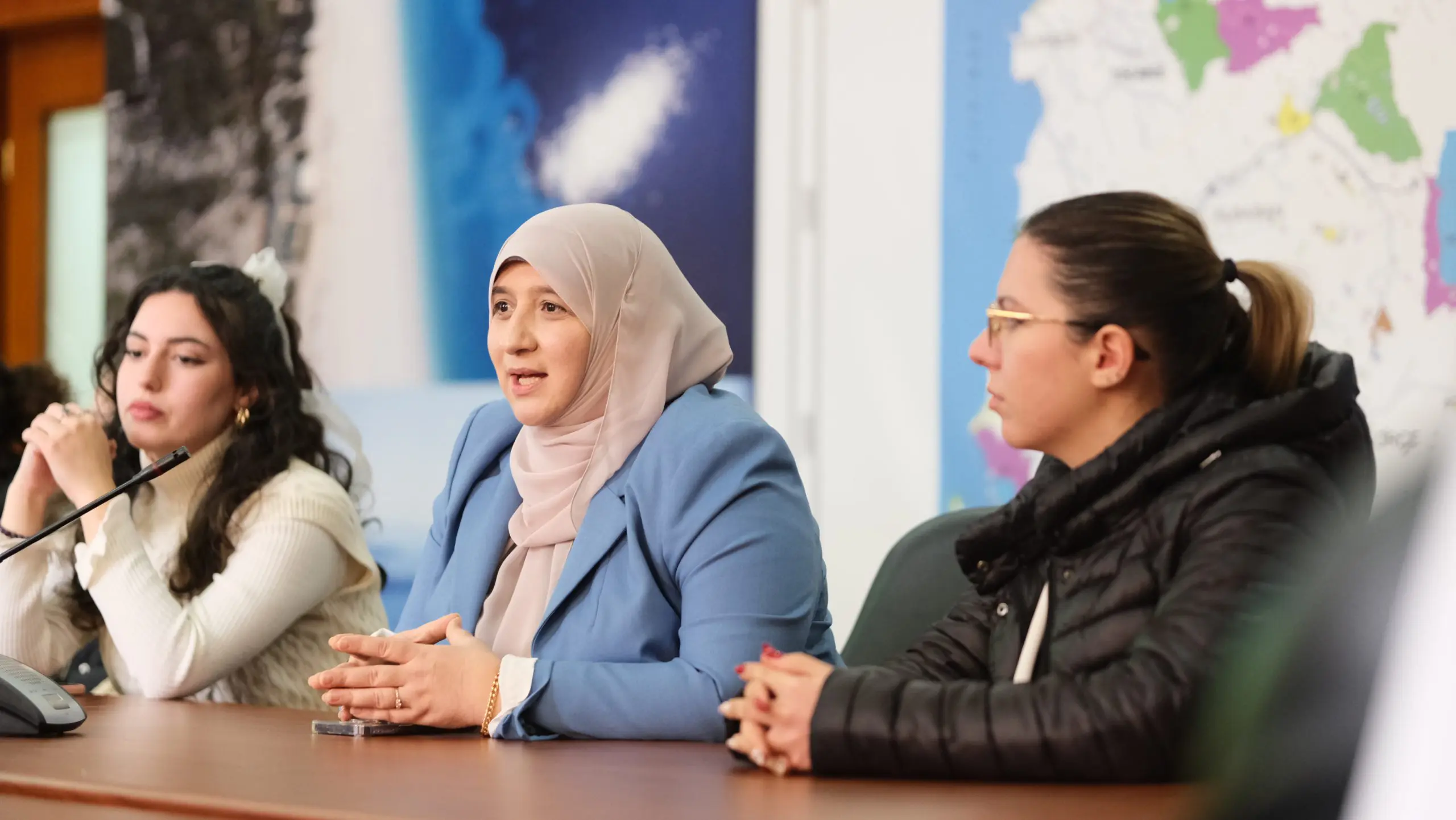
She Builds Peace: A Global Movement Growing Stronger Six Years On
In March 2020, ICAN and its global network of women-led peacebuilding organizations, WASL, launched the She Builds Peace (SBP) campaign.
Allamin Foundation CAGEAD COEC ICAN Featured ICAN Latest Our Stories PAIMAN SBP Frameworks She Builds Peace Countries Stories WCDCA Women Relief Aid Women's Alliance for Security Leadership
Staff Accountant (Remote, US Based)
ICAN is hiring a Staff Accountant to provide financial and administrative support to ICAN’s Finance Director and broader team.
ICAN Updates Jobs
Countering Extremism in Iraq: A New Horizon for Peace
Iraqi Al-Firdaws Society (Al-Firdaws) is taking a new approach to peacebuilding. Their project, Horizon: Promoting Community Peace, supported by ICAN’s Innovative Peace Fund (IPF), brings together youth, local security forces, and civil society actors to address violent extremism through dialogue, education, and community-based action.
ICAN Featured Our Stories Stories Women's Alliance for Security Leadership
ICAN’s Holistic Security Menu: A New Way to Support Women Peacebuilders
Introducing the Holistic Security Menu: a co-designed, partner-driven model that provides practical and sustainable security support—on women peacebuilders’ own terms.
ICAN Featured ICAN Updates Innovative Peace Fund Neem Foundation Rescue Me WASL Updates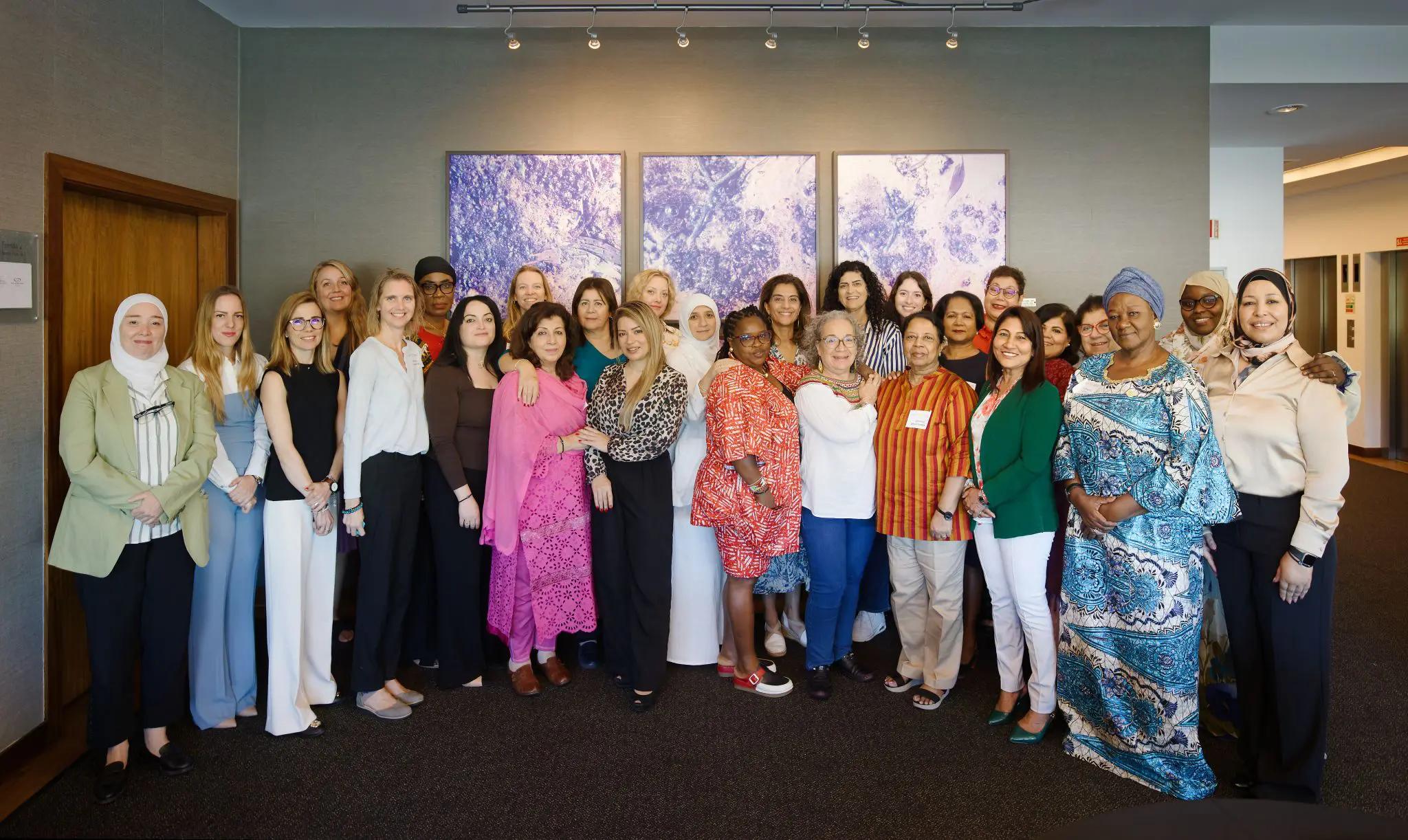
Our Strategies, Our Peace: ICAN’s Writers’ Workshop
ICAN convened 20 members of WASL in Lisbon for the “Our Strategies, Our Peace” Writers’ Workshop. This unique gathering provided a secure and creative space for women peacebuilders to share their strategies, experience, expertise, and stories from conflict and crisis contexts.
Addu Women's Association Allamin Foundation AWAW CAGEAD CIASE COEC ICAN Featured Mobaderoon Our Stories PAIMAN Rescue Me Stories WCDCA Wi'am Women's Alliance for Security Leadership WPSO
Open Statement to the United Nations Security Council on behalf of Women Peacebuilders Marking 25 Years of the Women, Peace, and Security Agenda
On October 6, 2025, the U.N. Security Council holds its annual open debate on Resolution 1325 on Women, Peace, and Security. Today, we are not issuing a new statement. Instead, we are honoring our community of women peacebuilders—who appeared before the Security Council throughout these 25 years, speaking for the millions they represent—by echoing their messages.
ICAN Featured ICAN Latest ICAN Updates WASL Updates Women's Alliance for Security Leadership