ICAN’s Mission Five Steps for Sustainable Prevention of Sexual Violence in Conflict ICAN Partner AWAPSA: A Catalyst for Kenya’s First SGBV Court The War Against Ourselves: Afghan Women Peacebuilders’ Response to the Mental Health Crisis in Afghanistan Protecting Women Peacebuilders: The Front Lines of Sustainable Peace
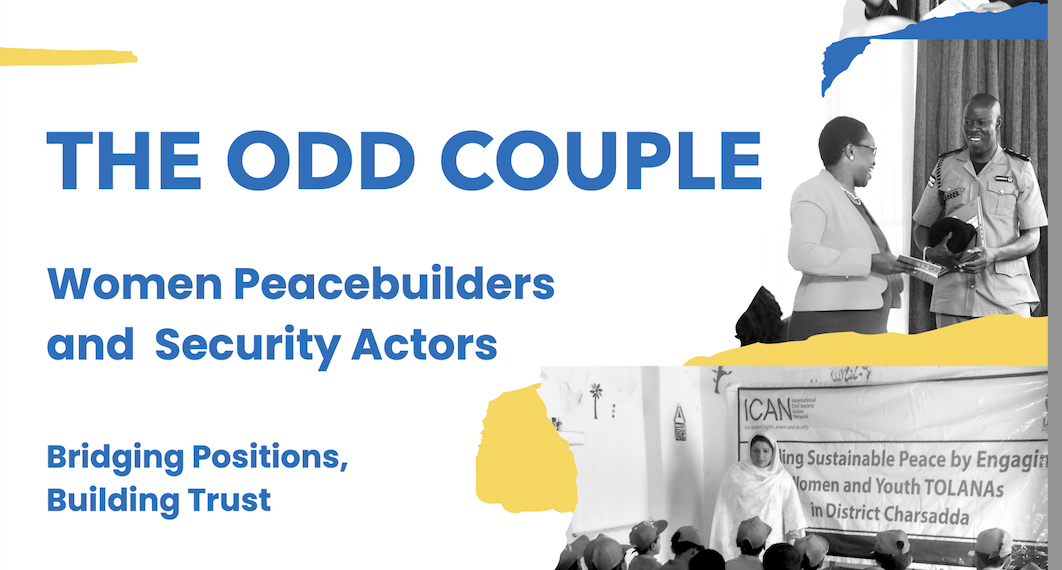
The Odd Couple: Women Peacebuilders and Security Actors Bridging Positions, Building Trust
The WPS agenda has proven a vital entry point for women peacebuilders to engage with the security sector and build trust within affected communities. These efforts—often invisible—are contributing to the reform of the sector, reshaping local security environments and mitigating violence.
The War Against Ourselves: Afghan Women Peacebuilders’ Response to the Mental Health Crisis in Afghanistan
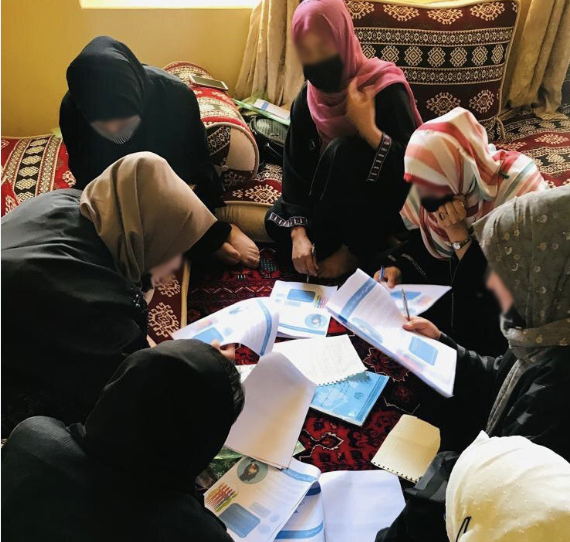
This case study describes the drivers of the mental health crisis in Afghanistan, its gendered and cultural dimensions, and the strategies used by Afghan women-led peacebuilding organizations to provide solutions. The authors conducted interviews with representatives of Afghan women-led peacebuilding organizations and thematic experts, which were complemented by a desk review of project documentation and […]
Open Statement to the United Nations Security Council on behalf of Women Peacebuilders Marking 25 Years of the Women, Peace, and Security Agenda
On October 6, 2025, the U.N. Security Council holds its annual open debate on Resolution 1325 on Women, Peace, and Security. Today, we are not issuing a new statement. Instead, we are honoring our community of women peacebuilders—who appeared before the Security Council throughout these 25 years, speaking for the millions they represent—by echoing their messages.
Home»ICAN Updates»
Bridging Positions, Building Trust: Women Peacebuilders & Security Actors
Bridging Positions, Building Trust: Women Peacebuilders & Security Actors
09 April 2024
By Isabela Karibjanian
Engaging security sector actors and contributing to security sector reform are essential to fully realize the Women, Peace, and Security (WPS) agenda. But interactions between women peacebuilders and security actors can be sensitive. In too many contexts, those with a mandate to protect—including the military, police, and intelligence services—are themselves among the perpetrators of violence against civilians.
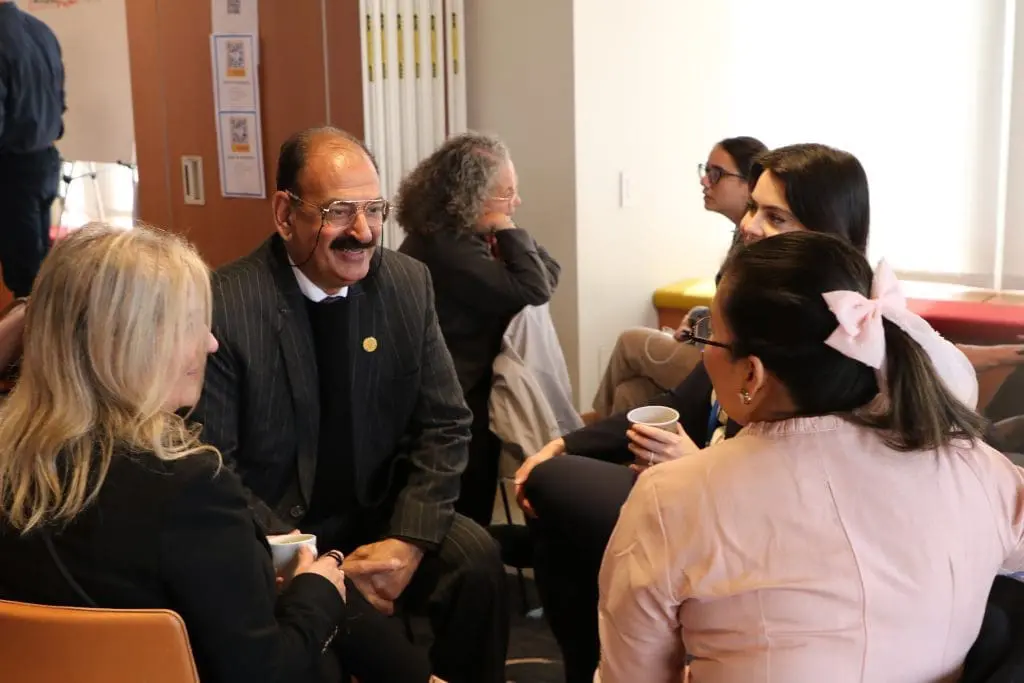
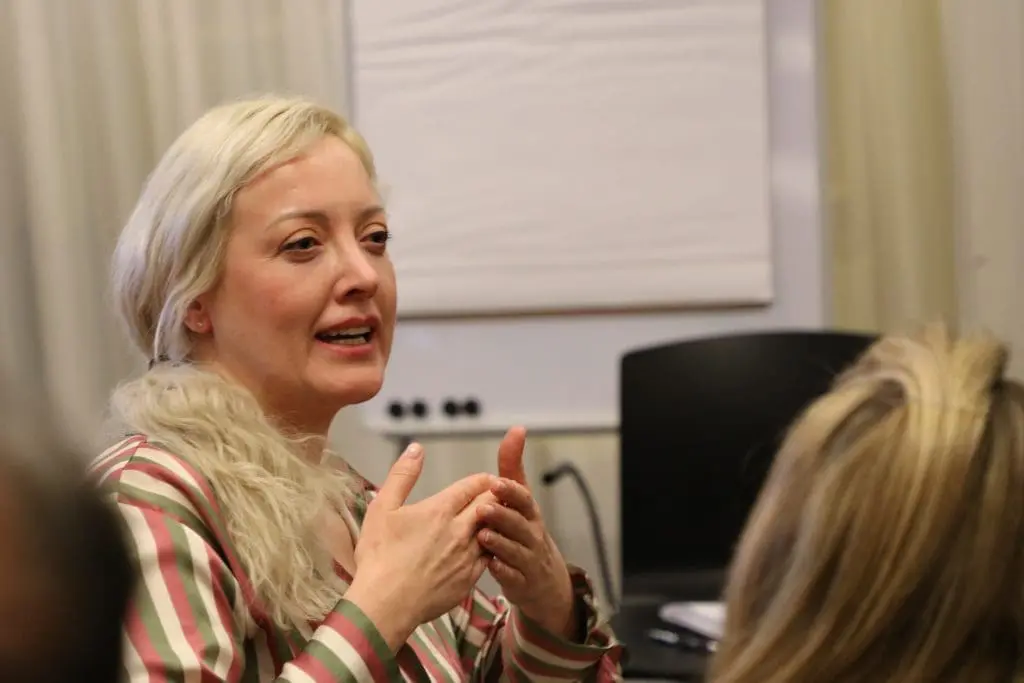
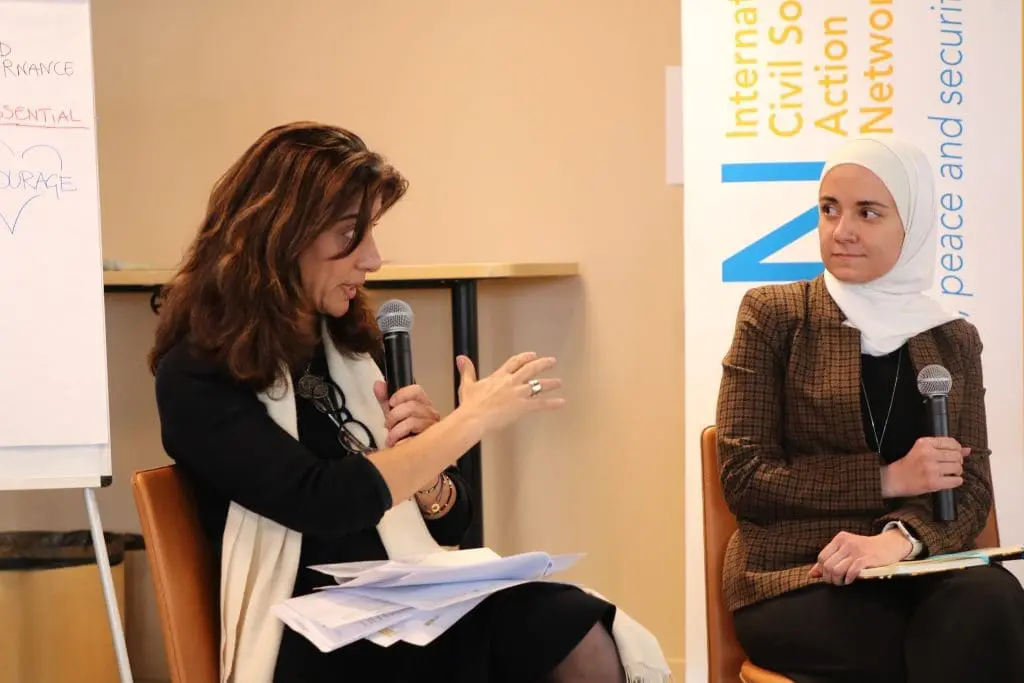
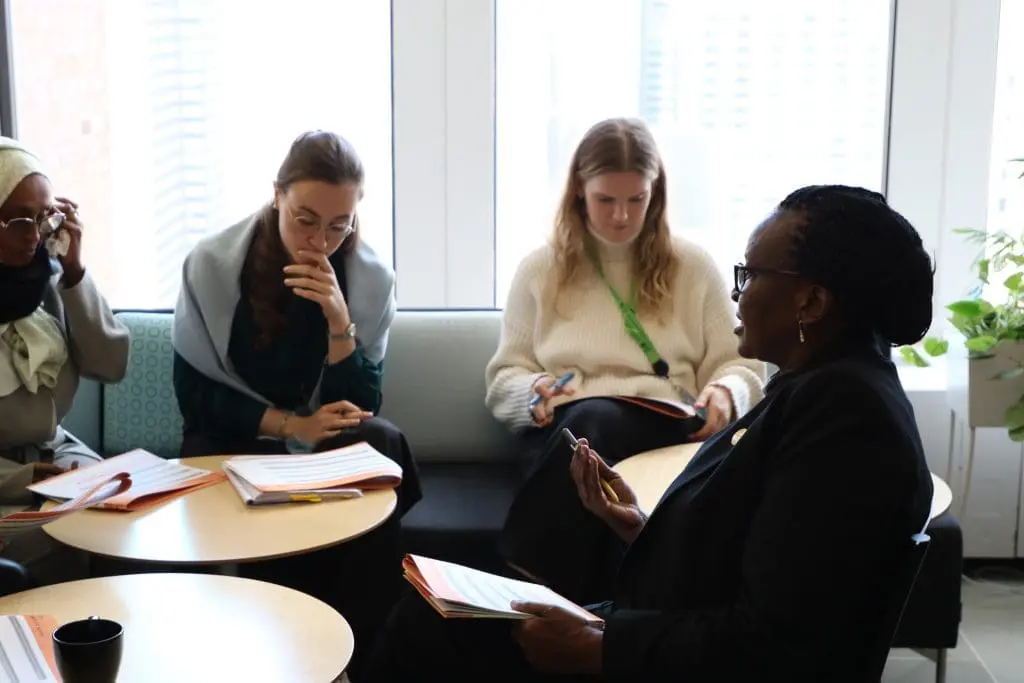
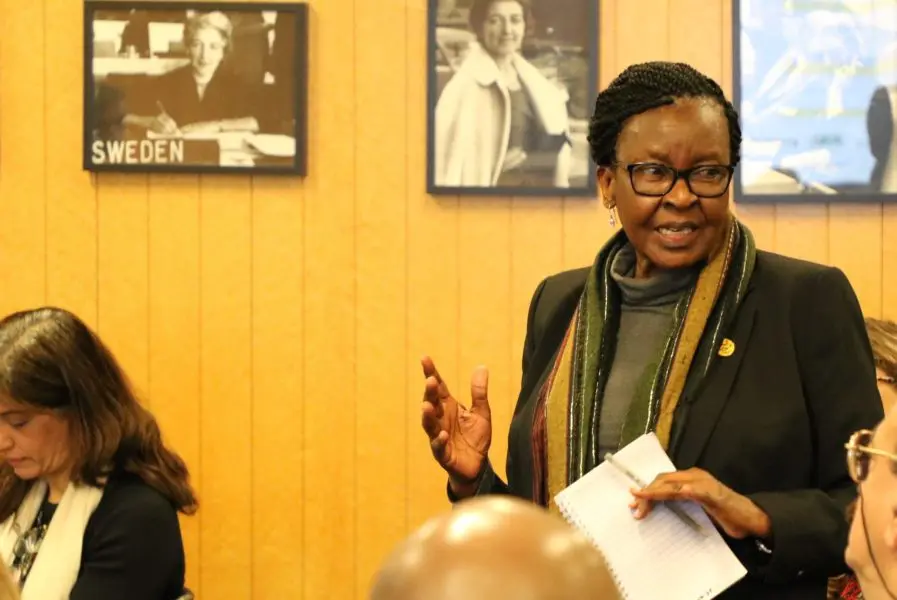
To build trust and begin to bridge the divide between national security approaches and contemporary human security-oriented priorities, members of the Women’s Alliance for Security Leadership (WASL) and other peacebuilders came to New York to engage with UN and governmental representatives of the security sector with expertise in addressing conflict, fragility, and violent extremism.
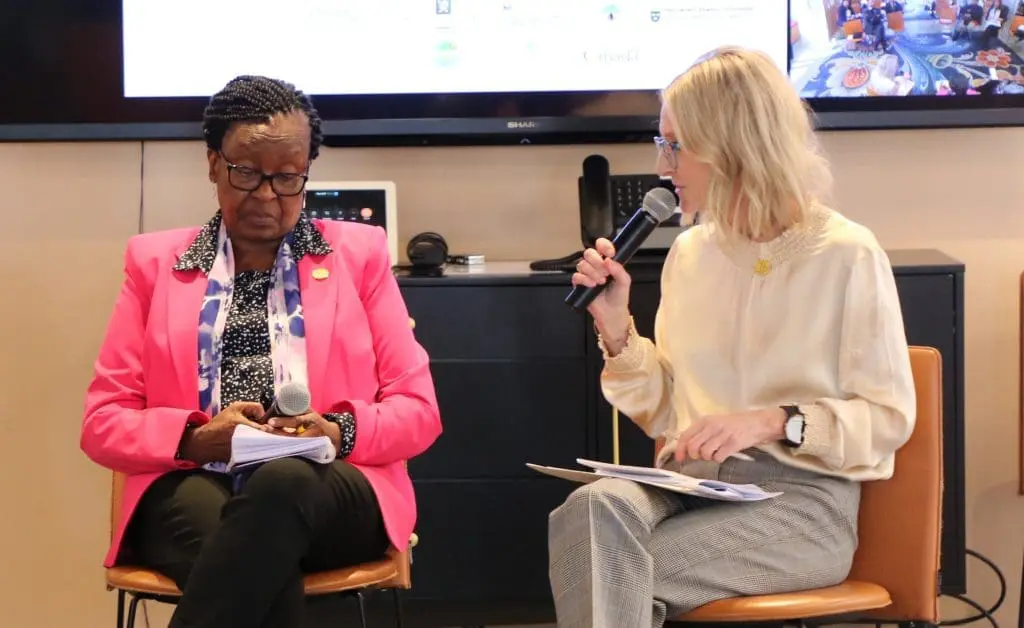
ICAN, in partnership with the Permanent Missions of Norway, Sweden, and Canada, the United Kingdom Foreign Commonwealth & Development Office (UKFCDO), the Ministry of Gender, Child and Welfare of South Sudan, the Global Partnership for the Prevention of Armed Conflict (GPPAC), and the National Transformational Leadership Institute (NTLI), convened a 1.5-day workshop to discuss how to strengthen community security as a localized, transformative approach for sustainable peace. This unique gathering, hosted at the Permanent Missions of Norway and Sweden, enabled the sharing of analyses and practical solutions to advance the WPS agenda and create strategic, trusting partnerships.
“Engagements like the one we have had here in New York between women peacebuilders and security actors is key to ensuring the recognition of women peacebuilders, and by that, we mean recognizing the extremely difficult work that women peacebuilders do on the ground and its importance to achieving global peace and security.”
– Helena Gronberg, Program Director, ICAN
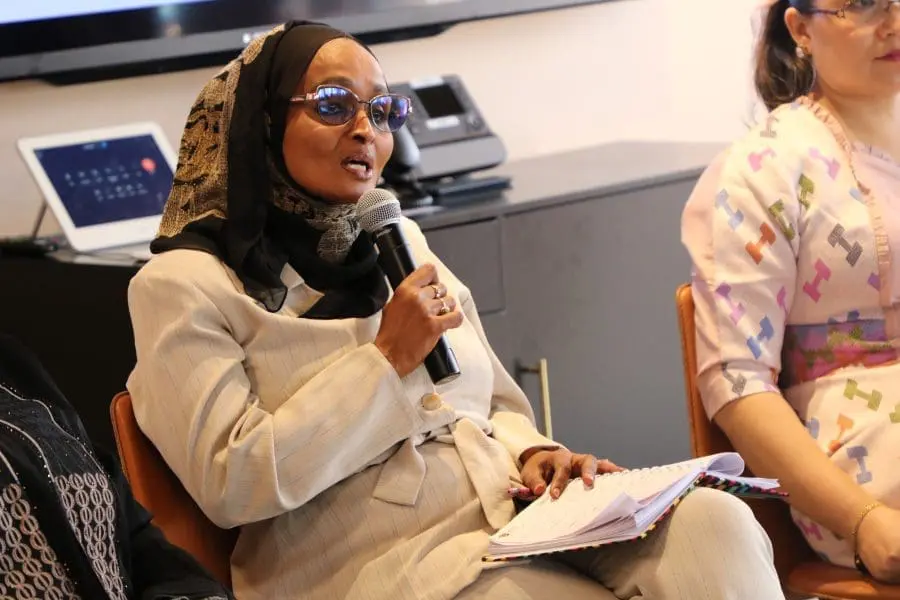
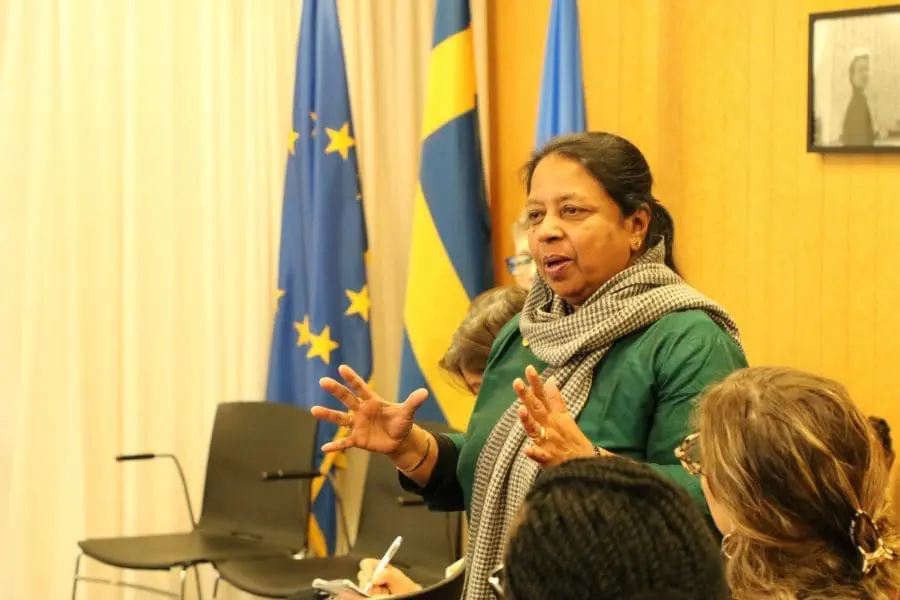
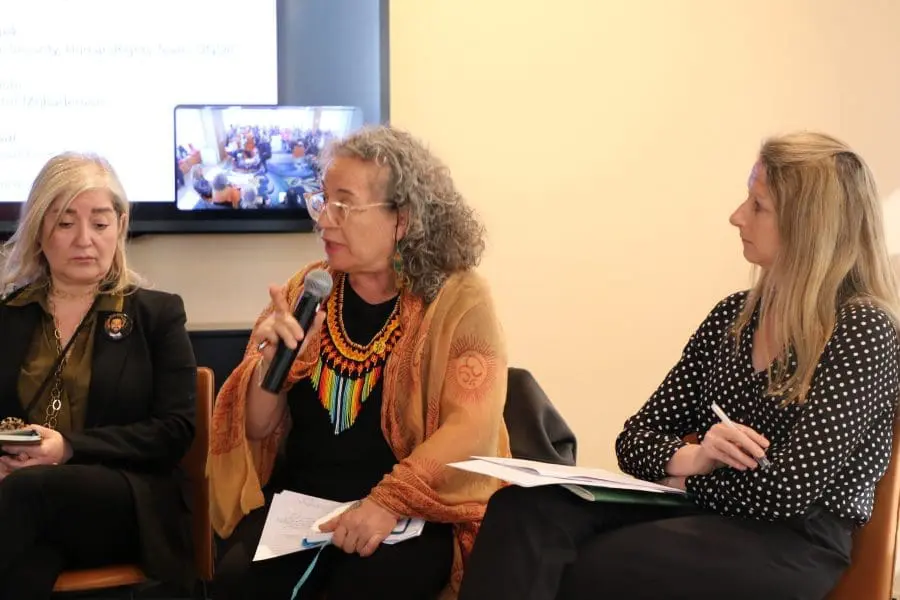
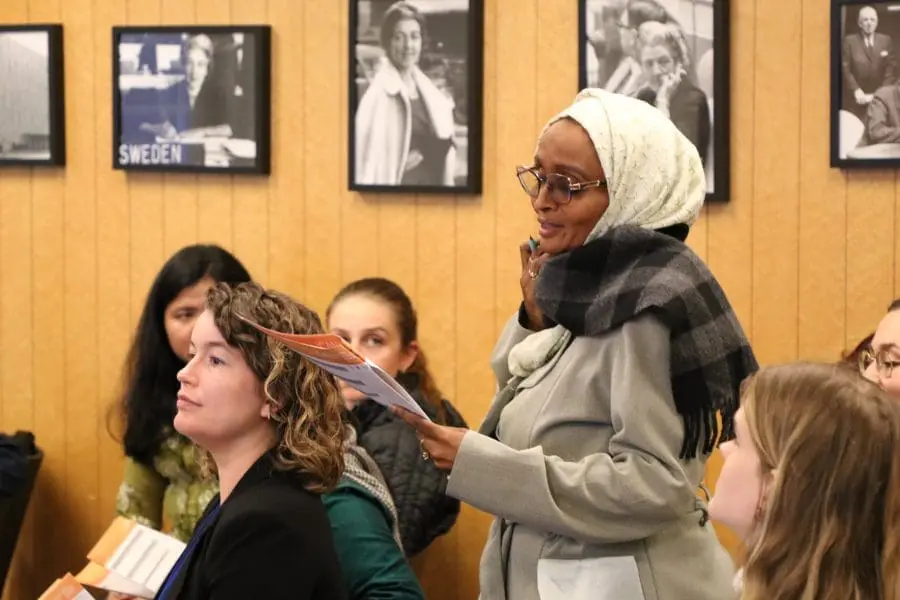
Shafqat Mehmood PAIMAN Alumni TrustHelena Gronberg ICAN and Robinah Rubimbwa CoACT 1325Stacey Schamber ICAN and Rosa Emilia Salamanca CIASENina Potarska Womens International League for Peace Freedom UkraineSanam Naraghi Anderlini ICAN and Tahani Yaghshi Mobaderoon NetworkAmina Rasul Philippine Center for Islam and Democracy PCIDSanam Naraghi Anderlini ICAN Hamsatu Allamin Allamin Foundation for Peace and Development Sureya Roble Advocacy for Women in Peace Security Africa May Sabe Phuy Gender Equality Network and Safina Maulida Initiatives for International DialogueRobinah Rubimbwa CoACT 1325
Bridging the Gap
Women peacebuilders hold a difficult middle ground in their communities. Not only do they call out abuses of power or rights, but they also aim to build bridges among all groups at multiple levels. They embody the triple nexus of humanitarian, peace, and development when navigating conflict prevention and mitigation. Amid escalating geopolitical turmoil and climate crisis, peacebuilders do not have the privilege of inaction; rather, they devise holistic, innovative tactics to help achieve more peaceful realities in their communities.
“As peacebuilders, we have a lot to give to the world, in knowledge, in methods, in ways of behavior, in ethics, in values.”
– Rosa Emilia Salamanca, Executive Director, Corporación de Investigación y Acción Social y Económica (CIASE), Colombia
Peacebuilders encounter an international system that is siloed and often does not understand or value their distinct contributions. Security sector actors can often seem reluctant to collaborate with civil society, perceiving them as adversaries. During the workshop, speakers emphasized the need to bridge this gap between the security sector and civil society by establishing channels of communication and building mutual respect. Without willingness to collaborate across sectors and find a common sense of humanity, they mentioned, it is impossible to succeed in the shared goal of creating more peaceful futures.
“Without the consent, willingness, and positive support of state security actors, it is not possible to succeed on your projects, whether peacebuilding or otherwise.”
Sureya Roble, Advocacy for Women in Peace and Security-Africa
Hamsatu Allamin, Allamin Foundation for Peace and Development
Visaka Dharmadasa, Association of War-Affected Women
Building Effective Partnerships
The workshop featured three sessions on specific themes, including areas of potential collaboration between peacebuilders and security sector actors: preventing violent extremism and promoting social cohesion; preventing and mitigating election-related violence; and enabling gender-responsive security sector reform in the context of peace processes.
“Coming together is key to mobilize a new form of community security.”
– Visaka Dharmadasa, Founder, Association of War-Affected Women (AWAW), Sri Lanka
Discussing preventing violent extremism, Sureya Roble, Executive Director, Advocacy for Women in Peace and Security-Africa (AWAPSA) in Kenya shared AWAPSA’s experience creating police cafés. The cafés were created as spaces where members of the community could share concerns with police officers and create common understandings of community security. Using their position as peacebuilders, AWAPSA staff were able to bridge the trust gap and create a network dedicated to creating safer communities.
“We as communities have more information than [the police]. We know who sleeps in our houses, we know who is new in the neighborhood. We know who has the guns, who is supporting criminals. But unless there’s trust, we keep this information to ourselves.”
– Sureya Roble, Executive Director, Advocacy for Women in Peace and Security-Africa (AWAPSA), Kenya
On elections, Robinah Rubimbwa, Executive Director of Coalition for Action on 1325 (CoAct 1325) in Uganda shared CoAct’s experience establishing the world’s first youth election observatory in collaboration with local police. “If we want to increase protection of women peacebuilders, we need to work with the security sector,”Rubimbwa said. The observatory helped prevent the outbreak of election-related violence during the 2022 elections. There is potential for CoAct to share learnings with counterparts in South Sudan where elections are scheduled for later this year. Amina Rasul, President, Philippine Center for Islam and Democracy (PCID) emphasized the importance of working with universities and faith leaders to promote voter education and free elections. “When you’re talking about security considerations and you’re talking about the whole of society approach, you cannot just work with civil society,” she said.
Peacebuilders also spoke to the need for human security and feminist security approaches to inform national security policies and operations. One speaker shared that workshops that brought peacebuilders and security actors together have expanded the understanding of the concept of security and influenced policy. Another panelist commented on the difficulties of achieving security sector reform when laws often serve to minimize the rights of the individual and protect the government itself.
Throughout the workshop, members of WASL shared their challenges engaging the international community directly, noting the dilution of their demands or added administrative burdens of engaging through intermediaries. The group discussed the difficulties of engaging on issues that require collaborative and sustained approaches, when international organizations or state actors often operate in a segmented/siloed and time-bound way.
With a solutions-oriented approach, the workshop participants considered how state-centric institutions could work in more people-centric ways. Participants discussed the ways in which international organizations, security actors, and other allies at the international and national level could use their positionality to bring the perspectives and demands of civil society into different spaces. Panelists also spoke of the value of co-developing training materials and policies as potential avenues of collaboration between peacebuilders and security actors.
Rosa Emilia Salamanca, Corporación de Investigación y Acción Social y Económica (CIASE)
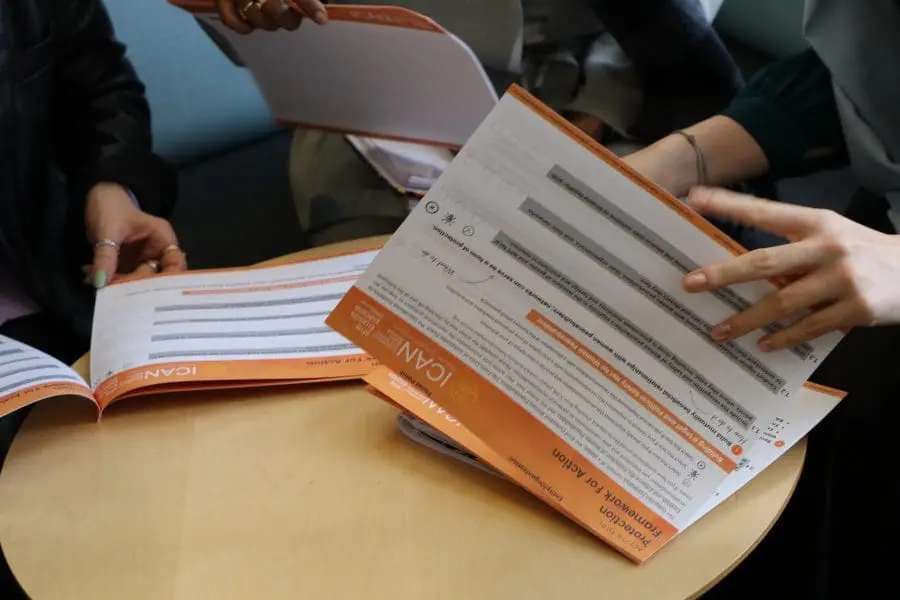
ICAN's Protection Framework Action Tool
Sureya Roble, Advocacy for Women in Peace & Security – Africa
Illustrator Drew Dernavich, Crowley & Co
Protecting Peacebuilders, Transforming Security
Across the 1.5 days, WASL members spoke about the distinct risks they face in conflict and post-conflict settings due to their engagement in peacebuilding. They shared the myriad threats they experience during their daily work, including intimidation, detention, reprisal, physical threats, and digital threats, and called for comprehensive policies to protect peacebuilders.
Women peacebuilders play a key role in redefining security and providing community protection. Effective collaboration with the security sector can ensure the safety and security of women peacebuilders to undertake this work. At the workshop, ICAN and WASL partners shared with participants two tools focused on protection: Corporación de Investigación y Acción Social y Económica (CIASE)’s Secure, Here and Now tool and ICAN’s Protection Framework.
CIASE developed Secure Here and Now to enhance the security of women peacebuilders and human rights defenders from a holistic and feminist security perspective. The tool comprises a battery of indicators to identify and measure risk factors in five key categories: 1) Emotional and cognitive security; 2) Physical security; 3) Spiritual security; 4) Economic security; and 5) Political security. It also helps peacebuilders identify strategies to mitigate the risks through protective actions and care routines. Participants at the workshop interacted with a shortened pilot version of the tool to understand how risks to peacebuilders can be assessed and mitigated.
ICAN’s Protection Framework, launched as part of the She Builds Peace Campaign in 2020, provides operational guidance for states and multilateral institutions to protect women peacebuilders through four key areas: 1) Creating a legal and political safety net; 2) Identifying and responding to threats on the ground; 3) Establishing security at the peace table and international spaces; and 4) Providing emergency assistance and relocation. Tess Phippen, Head of WPS at the UKFCDO, shared, “The UK is very pleased to support ICAN’s protection framework […] an essential pillar to implementing the WPS agenda.”
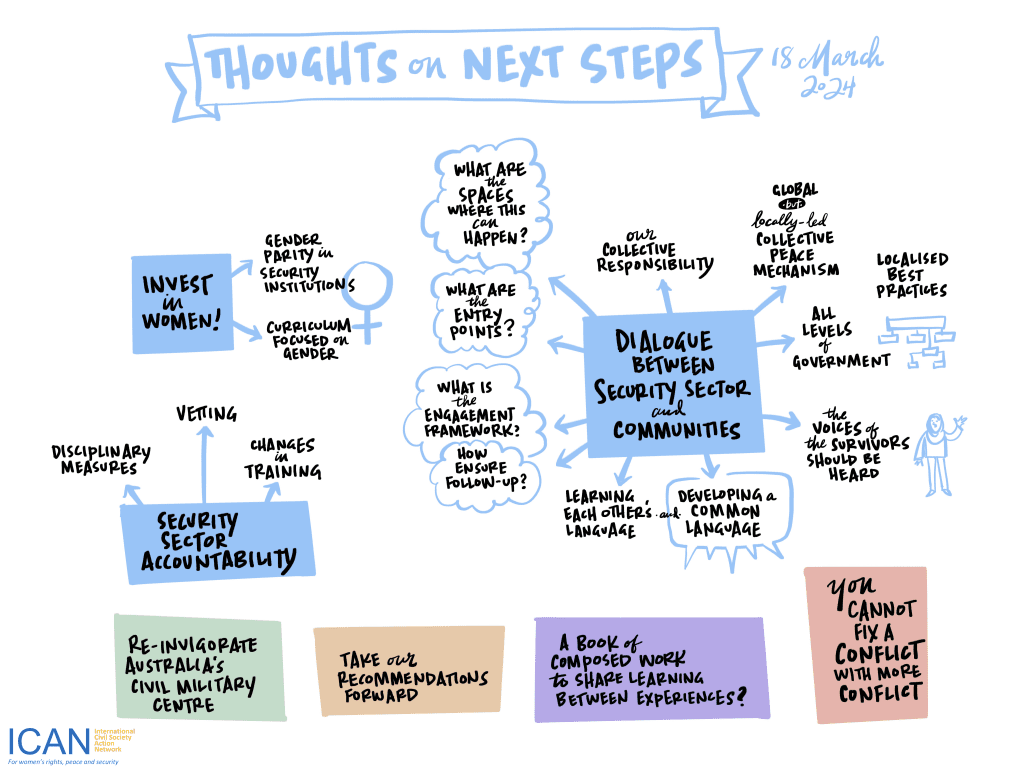
Reflecting on the two days, participants shared the importance of open avenues of communication between peacebuilders and the broader security ecosystem; fostering international credibility for women peacebuilders through opportunities for recognition and meaningful participation; and accessing rapid, flexible funding. Creating bridges and enhancing trust between women peacebuilders and the security sector needs ongoing dialogue, investment, collaboration, and respect.
“We need to put the mirror to ourselves and genuinely create an ecosystem of working collaboratively based on our comparative strengths…we won’t duplicate, we won’t negate—we’ll collaborate on the alternative future we’re all working towards.”
– Sanam Naraghi Anderlini, MBE, Founder and CEO, ICAN
ICAN would like to thank the UK Foreign Commonwealth & Development Office (FCDO) and the Norwegian Agency for Development Cooperation (Norad) for financially supporting this workshop.
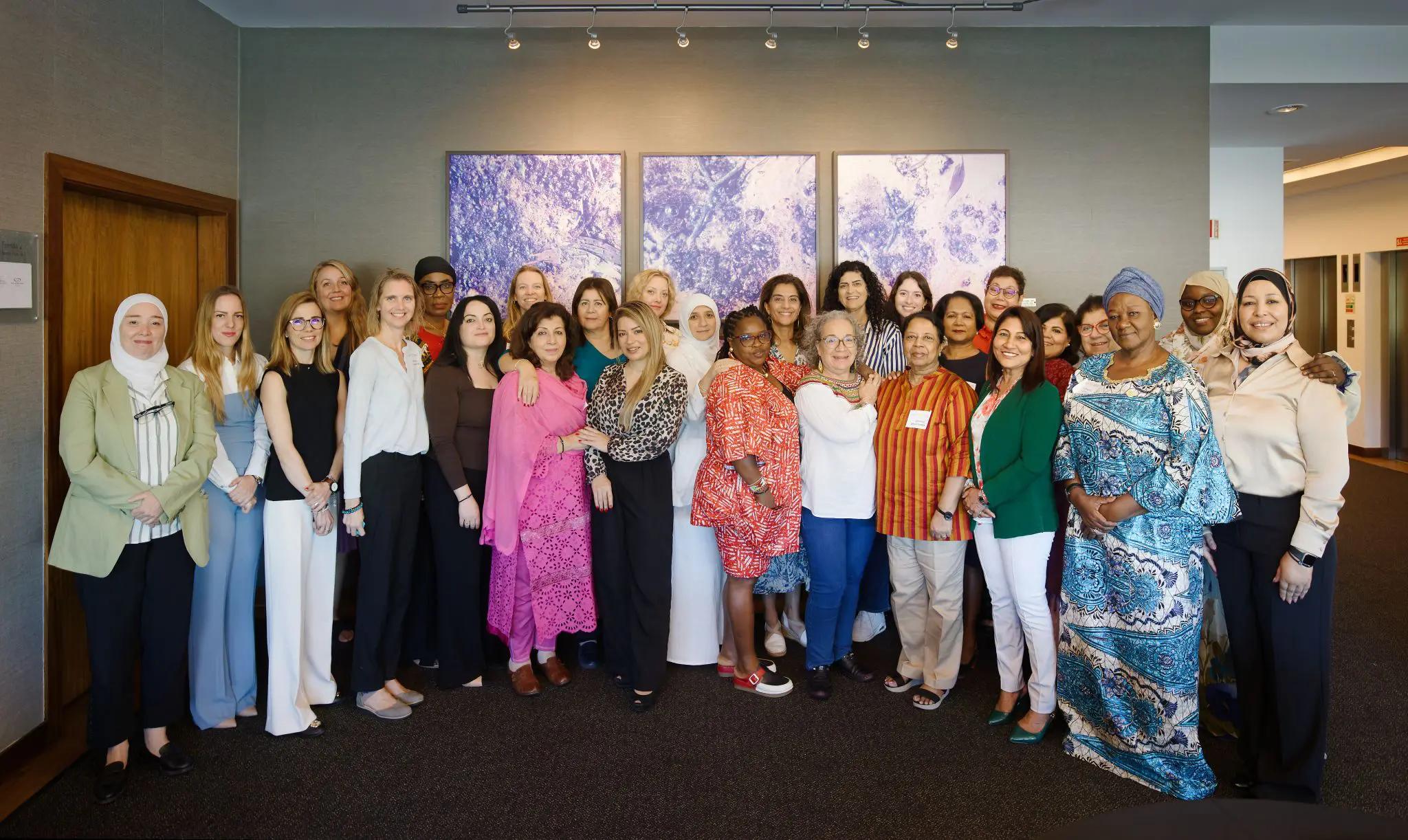
ICAN convened 20 members of WASL in Lisbon for the “Our Strategies, Our Peace” Writers’ Workshop. This unique gathering provided a secure and creative space for women peacebuilders to share their strategies, experience, expertise, and stories from conflict and crisis contexts.
Addu Women's AssociationAllamin FoundationAWAWCAGEADCIASECOECICAN FeaturedMobaderoonPAIMANRescue MeWCDCAWi'amWomen's Alliance for Security LeadershipWPSO
On October 6, 2025, the U.N. Security Council holds its annual open debate on Resolution 1325 on Women, Peace, and Security. Today, we are not issuing a new statement. Instead, we are honoring our community of women peacebuilders—who appeared before the Security Council throughout these 25 years, speaking for the millions they represent—by echoing their messages.
ICAN FeaturedICAN LatestICAN UpdatesWASL UpdatesWomen's Alliance for Security Leadership
In South Sudan, a nation where peace has long remained fragile and democratic progress uncertain, women are stepping forward to shape the future of their country. Long excluded from the corridors of power, they are forging their own movement for lasting change.
On behalf of the International Civil Society Action Network (ICAN) and members of the global Women’s Alliance for Security Leadership (WASL), we are honored to nominate Francesca Albanese, United Nations Special Rapporteur on the situation of human rights in the Palestinian territories occupied since 1967, for the 2026 Nobel Peace Prize.
در عرصه صحت روانی، افغانستان با بحران پیچیدهای مواجه است که این بحران به طور جدایی ناپذیر با ناامنی شدید فیزیکی، سیاسی و اقتصادی در کشور گره خورده و این نا امنی ها بحران را تشدید میکند. برای رسیدگی به آسیب های روانی، صحت و بهداشت جامعه به شیوه های پاسخگو به جنسیت و با مد نظر گرفتن حساسیت های فرهنگی، سازمانهای فعال در عرصه صلح سازی به رهبری زنان افغان در موقعیتی منحصربه فرد قرار دارند. این سازمان ها خدمات ابتدایی ارائه میدهند، مهارتها را توسعه میبخشند و در شکلدهی هنجارهای فرهنگی و جنسیتی نقش مؤثر ایفا میکنند.
ICAN FeaturedICAN LatestICAN UpdatesWASL UpdatesWomen's Alliance for Security LeadershipWPSO
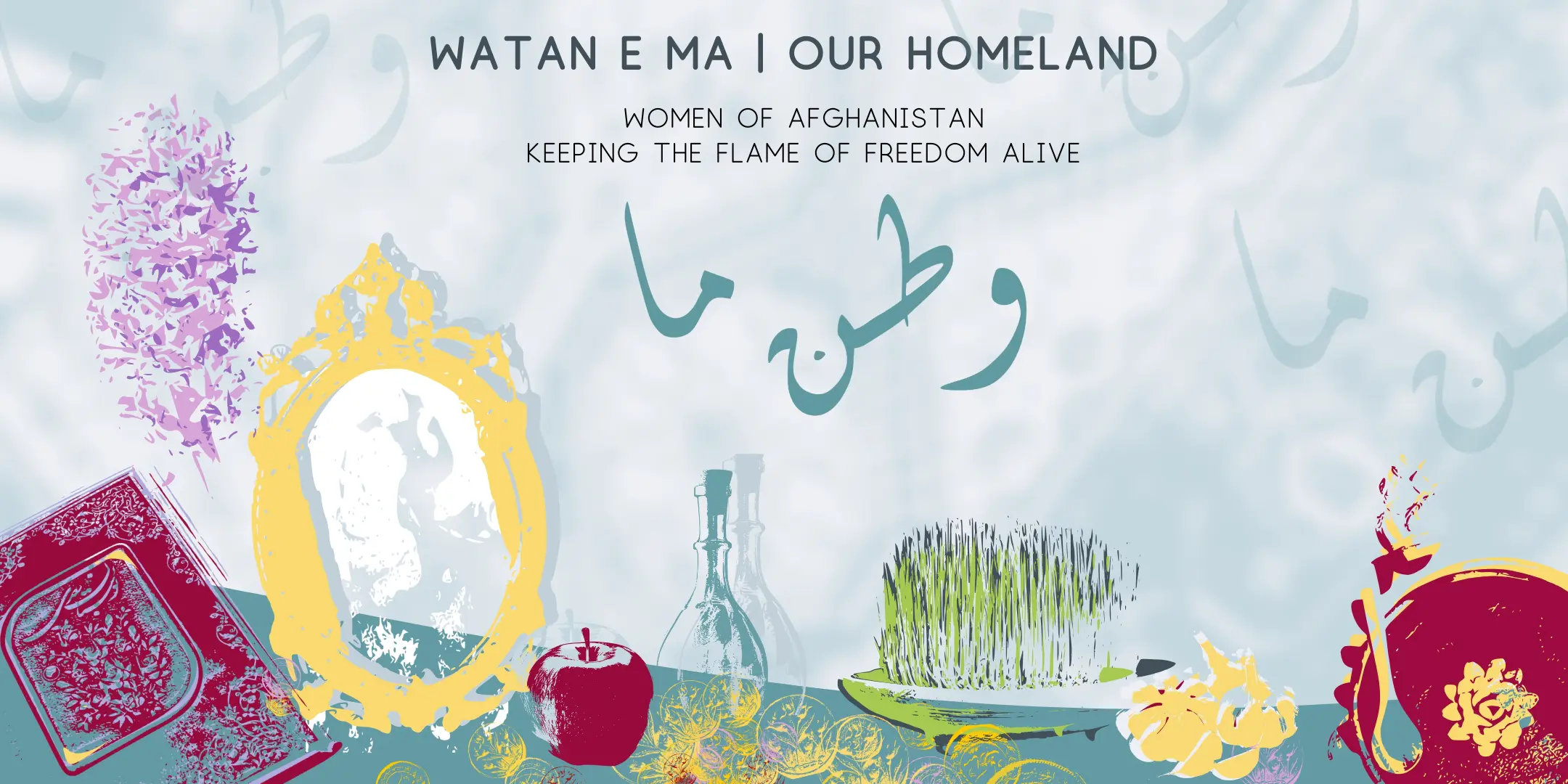
In a powerful departure from traditional advocacy, ICAN—guided by our Afghan partners and women peacebuilders—hosted the event “Watan e Ma – وطن ما – Our Homeland: Women of Afghanistan Keeping the Flame of Freedom Alive” on March 17, 2025 at Blue Gallery in New York City. Held during the 69th Commission on the Status of Women (CSW69), the event celebrated Afghan cultural heritage and the resilience of Afghan women peacebuilders, who persist in their leadership for peace, justice, and equality under the Taliban’s regime of gender apartheid.
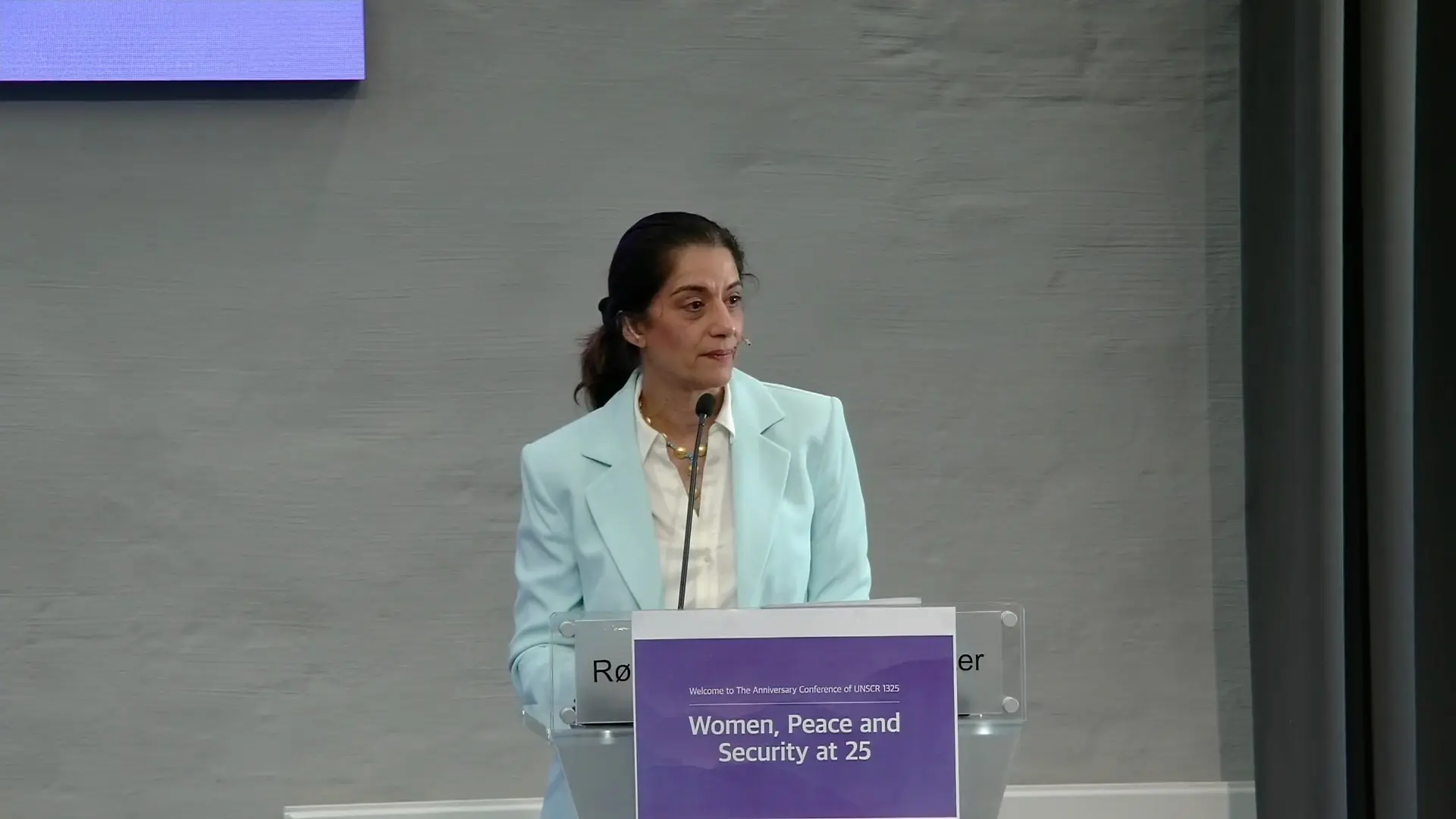
On May 5, 2025, ICAN's Sanam Naraghi Anderlini delivered the keynote speech at the two-day international conference "25th Anniversary Conference of UNSCR 1325 Women, Peace and Security."
As Senator Mobina Jaffer concludes 23 years of distinguished public service in the Canadian Senate, we extend our deepest thanks for her steadfast leadership as Chair of ICAN’s Board of Directors from 2014 to 2024.
Together with André Mundal, our new Interim Chair of the ICAN Board of Directors, we are delighted to welcome two new members to our Board of Directors.
Trust between communities and the security sector is critical for effective governance and peace. So is a vibrant civil society. When women peacebuilders are recognized and engaged as independent, strategic partners and security actors—in their own right—the results are transformative. Twenty-five years on from the launch of the WPS agenda, women peacebuilders’ creativity and contributions to societal peace and security are not only timely, they are even more essential.
Allamin FoundationAWAPSAAWAWBetter Peace InitiativeCIASECoACTGEN MyanmarGender and ExtremismsICAN FeaturedICAN LatestICAN UpdatesPAIMANPCIDWASL UpdatesWomen's Alliance for Security Leadership