ICAN is hiring a Staff Accountant to provide financial and administrative support to ICAN’s Finance Director and broader team.
Reach Out is an organization based in Cameroon that supports marginalized groups within communities. By using a community-centered approach and advocacy strategy, Reach Out works to promote health, human rights and governance, and economic security.
Reach Out’s work includes providing healthcare and health education on issues such as HIV and sexual reproductive health, supporting peacebuilding and conflict prevention through mediation, advocacy, and capacity building, as well as promoting entrepreneurship, livelihood support, and economic justice. For example, the organization strengthens the capacity of youth peace advocates in secondary schools to enhance social cohesion in the schools and Buea community.
ICAN’s Innovative Peace Fund has supported Reach Out since 2022.

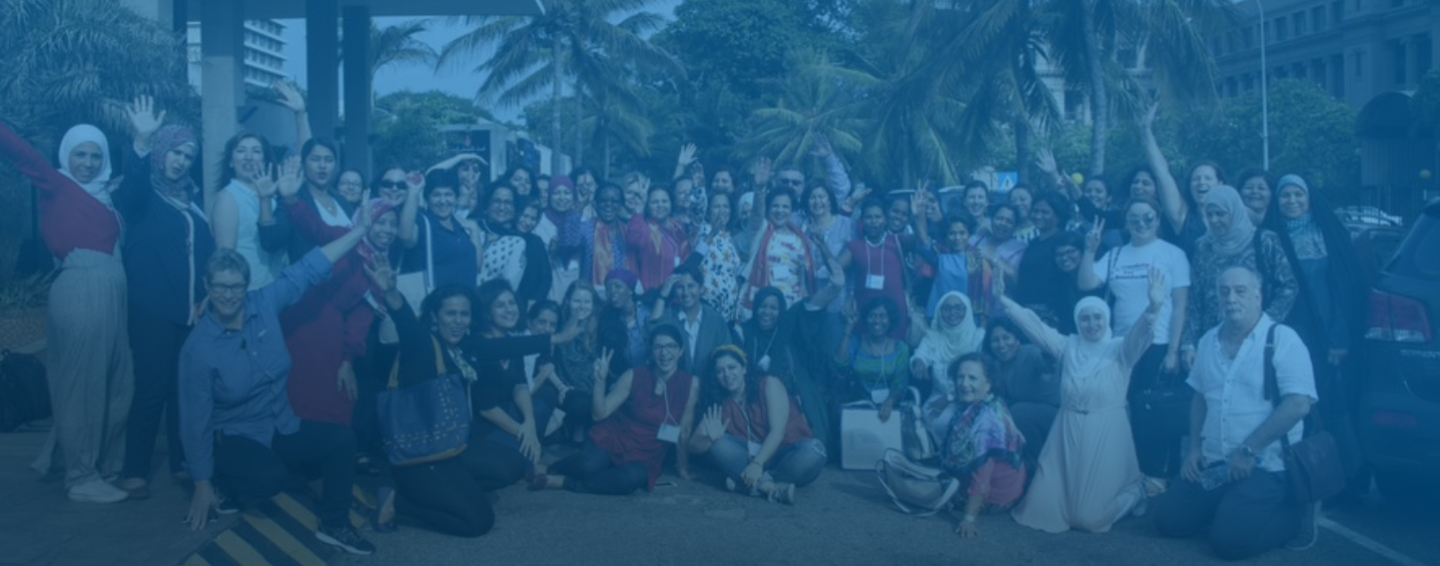
On Wednesday 15 February guests from the UN Department of Political and Peacebuilding Affairs (UNDPPA), UN Office of Counterterrorism (UNOCT) and UN Office for Disarmament Affairs (UNODA) joined the International Civil Society Action Network (ICAN) and women peacebuilders in the Women’s Alliance for Security Leadership (WASL) for a special consultation on the UN Secretary-General’s “New Agenda for Peace”.
ICAN, with the support of Global Affairs Canada, has developed a set of “Case Studies on the Role of Gender and Identity in Shaping Positive Alternatives to Extremisms,” in Cameroon, Indonesia, Jordan, Libya, Pakistan, Somalia, Sweden, and the United States. The case studies demonstrate how conducting a Gender-Based Analysis Plus (GBA+) improves understanding of the drivers, narratives and roles that engender extremisms and violent extremist activity. By profiling examples of peacebuilding, deradicalization, reintegration and counternarrative work in these contexts, the case studies emphasize how attention to gender and intersectional identities can improve the effectiveness of interventions to transform extremisms – not only by preventing or countering it, but by providing positive alternatives that enable people to realize a peaceful, pluralistic future.
In a historic moment on 29th July 2021, the date of Africa Women’s Day, Cameroon’s first ever Women’s National Convention for Peace got underway in the country’s capital, Yaoundé. For three days over 1000 women from all corners of the country came together at the Palais des Congrès, Yaoundé to raise their voices in unison, demanding an end to violence and calling for peace. “We have come together as mothers and grandmothers, wives and companions, sisters and daughters – together, we build an alliance of good will that is stronger, louder and in greater numbers than those people who profit from war and conflicts.” – Women’s Call for Peace
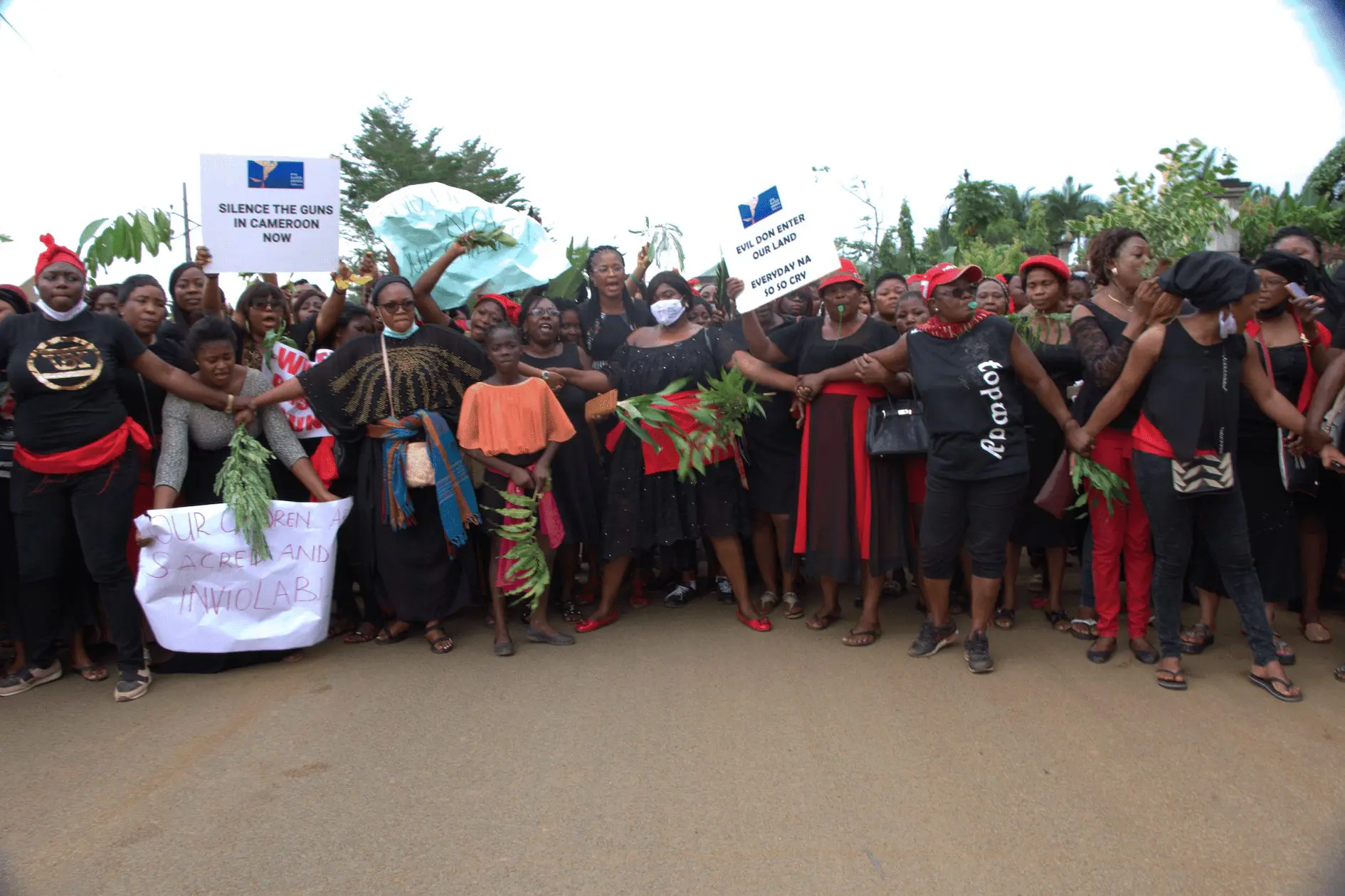
Reach Out launched the She Builds Peace campaign with a peace walk in Kumba in response to the October 24, 2020 shooting at a local school.
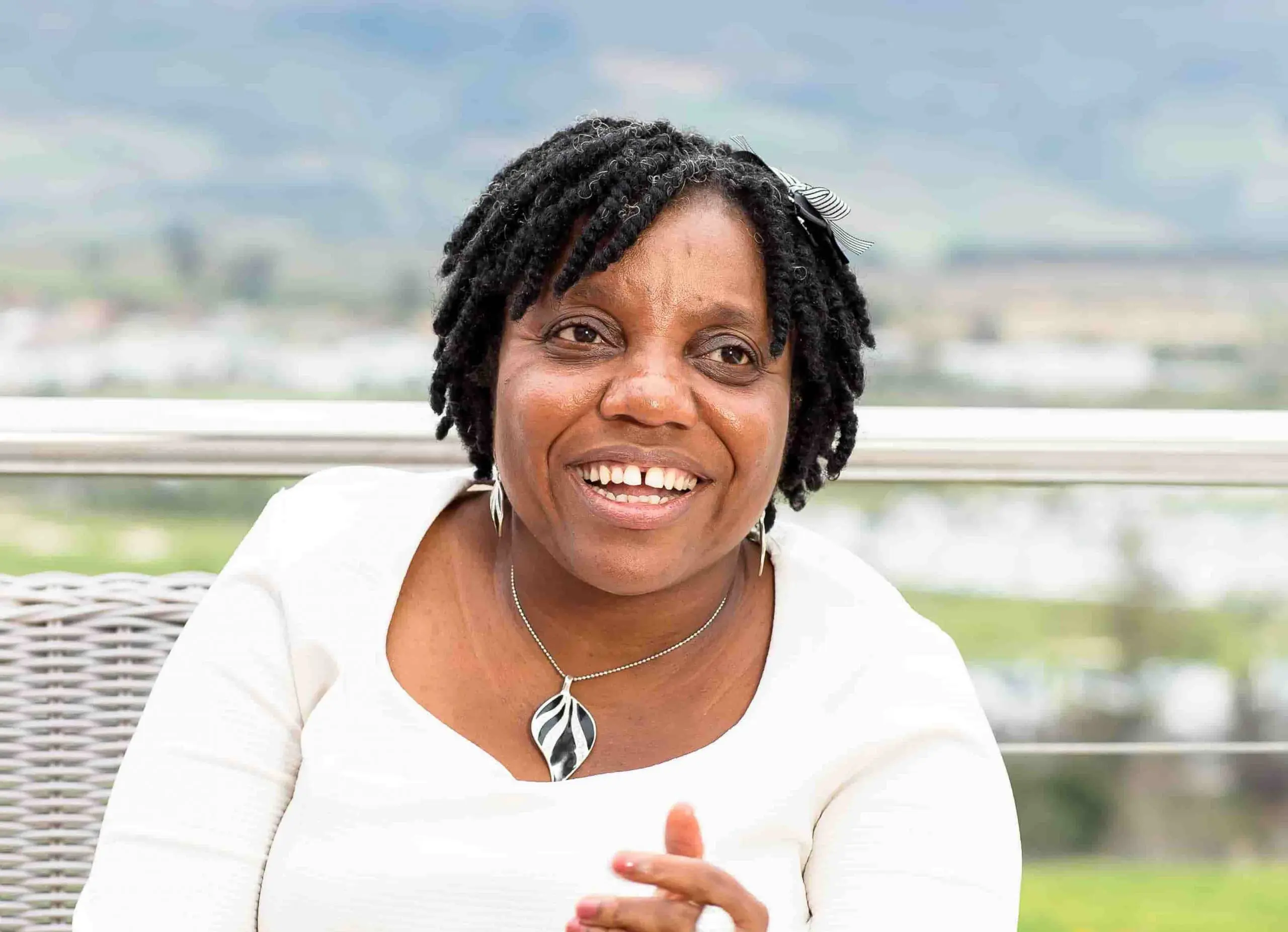
“Women peacebuilders run to the problem when everyone else is running away,” said ICAN’s CEO and Founder, Sanam Naraghi Anderlini. This statement could not be truer of award-winning Cameroonian peacebuilder, Esther Omam. Esther’s career has seen her go from development worker to humanitarian responder to mediator and peacebuilder, in the South-West region of Cameroon.
Empatiku is a civil society organization based in Indonesia that fosters empathy in the security and education sectors and addresses the rise of violent extremism. Since its establishment in 2015, Empatiku has innovated its programs to ensure the involvement of civil society, especially women, in bringing about social change.
Qadims Lumiere School and College was founded by Bushra Qadim Hyder in Peshawar, Pakistan. The institution provides a positive alternative to violent extremism through education, actively addressing divisions among Pakistani identity groups and gender inequalities that are exploited by extremist outfits.
Digital Shelter is an initiative founded in March 2018 by human rights defenders in Somalia who are committed to advancing digital safety, digital rights, internet freedom, and digital inclusion.
The National Transformational Leadership Institute (NTLI) was launched in 2016 as a partnership between the University of Juba, the Ministry of Gender, Child and Social Welfare, and UN Women South Sudan. Created to meet South Sudan’s urgent need for ethical, inclusive, gender-responsive policies and visionary leadership in the aftermath of conflict, NTLI has quickly risen as a regional center of excellence in East Africa.
Afghan Women News Agency Organization (AWNAO) is a nonprofit, non-political, and non-governmental organization that supports women’s participation in social activities. Its work amplifies women’s voices through news and magazine publications, advocacy, capacity building, and education.
The Afghan Women Skills Development Center (AWSDC) is a non-governmental organization, founded in 1999 and dedicated to the promotion and protection of women’s rights in Afghanistan.
Equality for Peace and Development Organization (EPDO) is a non-profit, non-governmental organization established in 2010 in Afghanistan. EPDO works to promote women’s rights, social cohesion, civil society, and inclusive community development, particularly in fragile and conflict-affected contexts.
Kaaj Magazine is a digital magazine led by Farahnaz Forotan, one of Afghanistan’s prominent journalists, who heads a distinguished editorial team dedicated to telling the human stories of a nation shaped by decades of conflict.
Women for Development (WFD) is a women-led, grassroots, non-governmental organization based in Gyumri, Armenia. WFD was established in 1997 and was formed upon the vision of women shaping their future and bringing positive societal change to the communities of Armenia, particularly in the country’s most impoverished region of Shirak.