Appoint the Women and Train the Men
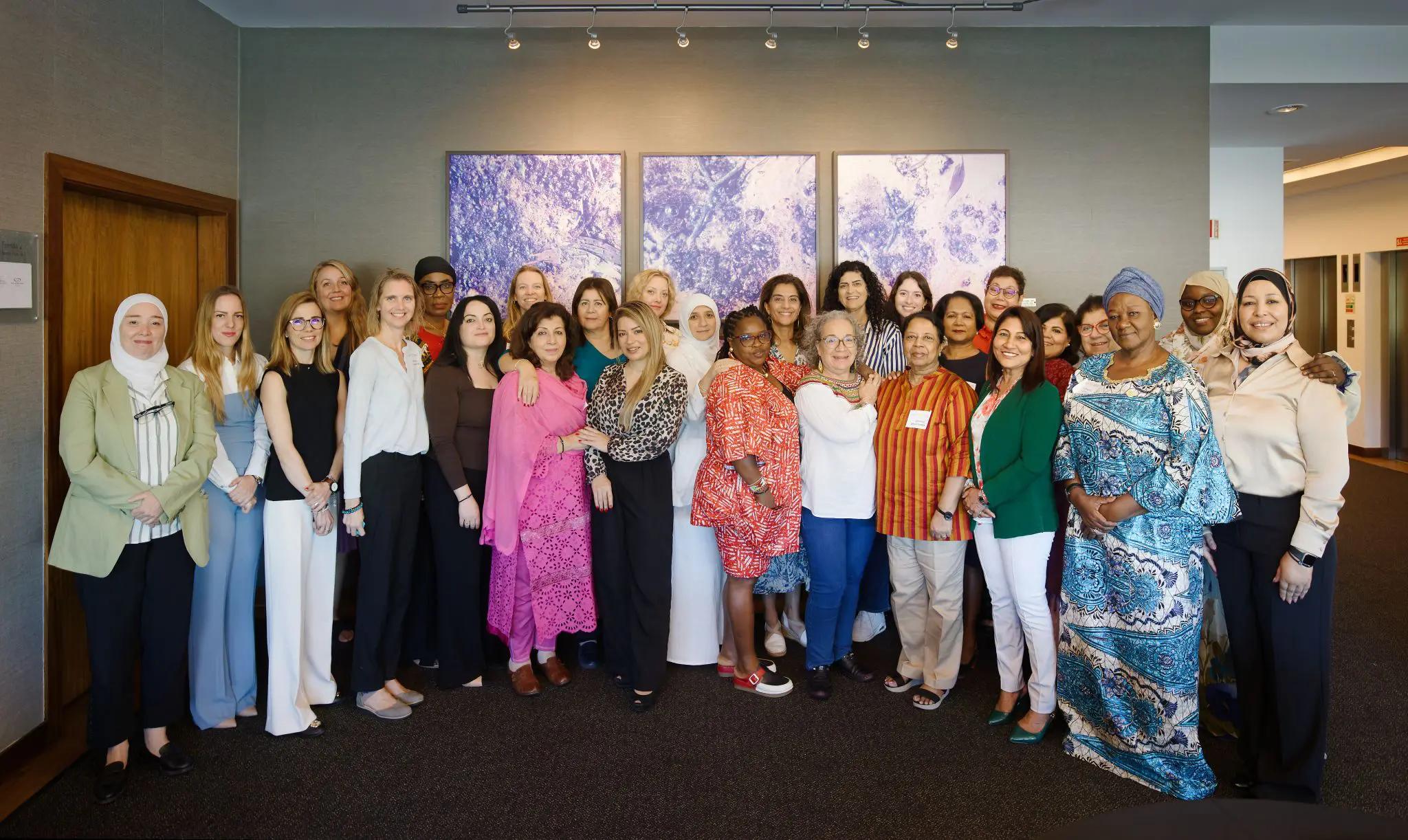
After 18 months of virtual meetings, on July 14th the International Civil Society Action Network (ICAN) in partnership with the German Ministry of Foreign Affairs, and the missions of South Africa and Mexico to the UN, hosted the first hybrid event on the margins of the 2021 UN High-Level Political Forum (HLPF) on Sustainable Development.
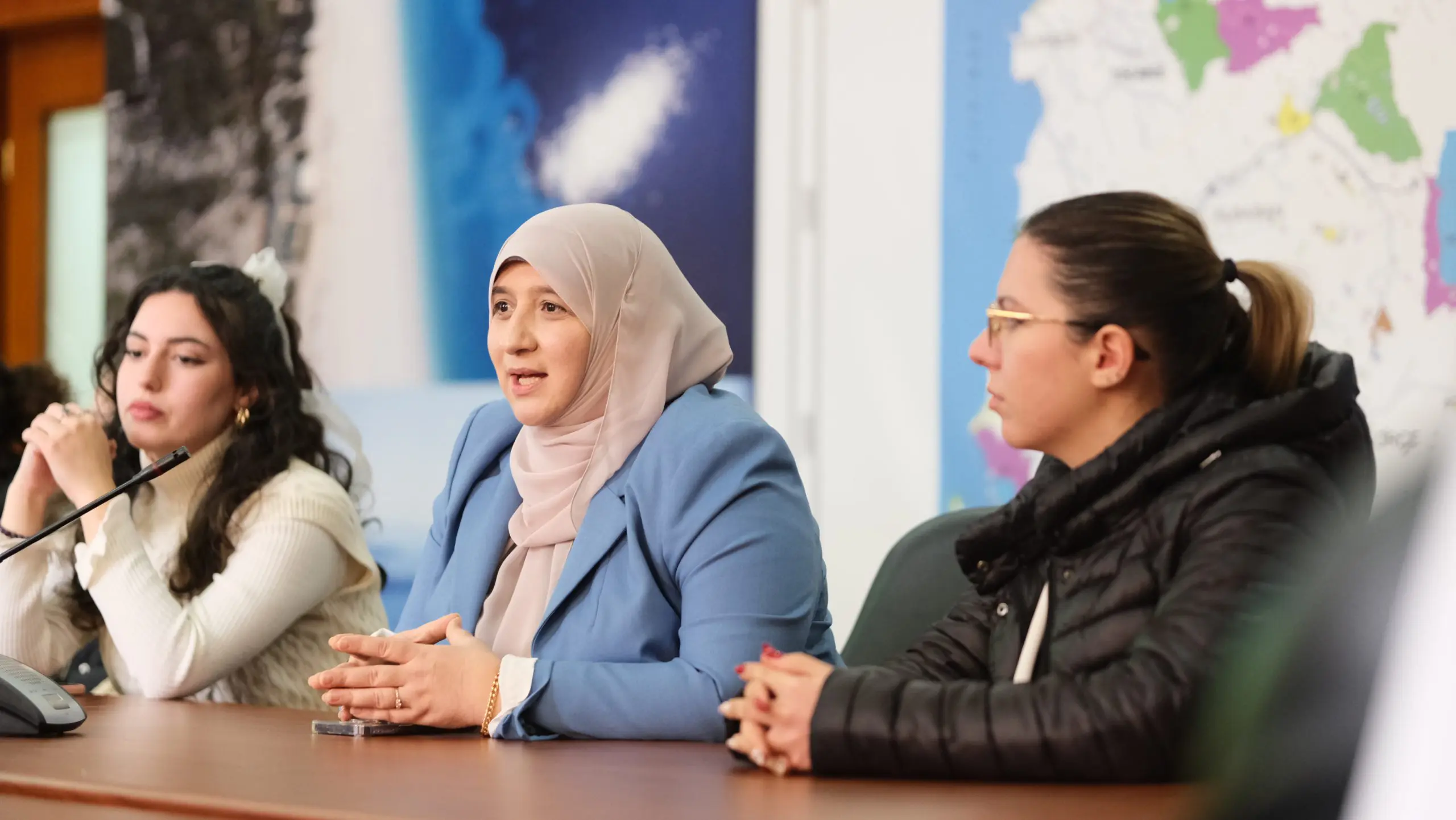
Germany’s Foreign Minister, Heiko Maas, shared the stage with ICAN Founder and CEO, Sanam Naraghi Anderlini, together with South Africa’s Permanent Representative to the UN, Ambassador Mathu Joyini, Mexico’s PR, Ambassador Juan Ramón de la Fuente Ramírez, and UN Women’s Assistant Secretary General and Deputy Executive Director, Anita Bhatia. Onscreen zooming in from Tripoli, Libya and Khartoum, Sudan were Dr. Rida Altubuly, Director of Together We Build it and member of the Mediterranean Women’s Mediators’ Network and Enass Muzamel, Executive Director of Madanyia and member of the global Women’s Alliance for Security Leadership (WASL).
Women peacebuilders’ voices have credibility; they know the situation on the ground.”
– Minister Heiko Maas, Germany
Francesca Donner, the New York Times’s Gender Editor skilfully moderated the 90-minute discussion, prompting speakers to offer frank and candid insights into the current state of peacemaking internationally, and how to improve on the 50% failure rate that still persists. “The Global Peace Index shows a deterioration in peacefulness in nine of the past 13 years,” she said. The correlation between fragility and failure to meet the Sustainable Development Goals (SDGs) is stark.
“There is plenty of evidence proving that women’s peacebuilding and presence in peace processes makes a significant positive impact on their outcomes.
– Francesca Donner, New York Times
“There is plenty of evidence proving that women’s peacebuilding and presence in peace processes makes a significant positive impact on their outcomes,” noted Ms. Donner. Minister Maas agreed, adding emphatically that, “Women peacebuilders’ voices have credibility; they know the situation on the ground.” Ambassador De La Fuente concurred, offering Mexico’s endorsement, “Mexico recognizes the important role women-led organization’s play in increasing resilience, mediating conflicts in the community and generating greater social cohesion”. UN Women’s Ms. Bhatia, didn’t pull any punches either: “The world continues to fail women in fragile and conflict states.”
“Mexico recognizes the important role women-led organization’s play in increasing resilience, mediating conflicts in the community and generating greater social cohesion.”
– Ambassador Mathu Joyini, Mexico
For Dr. Altubuly and Ms. Muzamel, this failure is occurring in real time. In 2012 women led the non-violent protests against dictatorship in Libya, said Dr. Altubuly, but the UN’s design of the transition process, where power was divided across regional representation, has meant that women were locked out of the processes that shaped the country’s future. Libyan women have lost previously gained rights and are excluded from the security sector, including as prisons guards, in ports and airports or as part of the police force. She stressed that women are systematically excluded from processes, even those “that are facilitated and designed by the international community.” Ms. Muzamel explained that despite playing a prominent role in the revolution, Sudanese women once again find themselves excluded from political and decision-making positions, which she said, “remain a man’s business.”
“We need to recognize, support and protect the peace actors, and ensure their voices are present as independent delegations in peace processes”
– Sanam Naraghi Anderlini, ICAN
“The international community has to shift the way it thinks about war and peace,” said Ms. Anderlini, reminding the audience that in today’s wars, there are non-state unarmed actors who are taking on the responsibility to protect communities, while the powerful political and armed groups perpetrate violence. “Peace processes that are focused on the power sharing between violent entities and the political elite, do not result in peace” she warned, reminding the audience of the current failure of the Afghan peace process that elevated the Taliban and marginalized Afghan society. “We need to recognize, support and protect the peace actors, and ensure their voices are present as independent delegations in peace processes” said Ms. Anderlini drawing attention to the global She Builds Peace campaign and Frameworks for Action. “The good news is we have precedence of good inclusive design of processes. We had it in the 1990s in South Africa! We just need to make them the norm, not the exception.”
The 50% representation of women in the South African transition, and the subsequent commitment to gender equality in the constitution and the Gender Equality Commission, were the result of women’s organizing and movement building across the political spectrum, affirmed Ambassador Joyini. While the challenges remain, their presence and influence of the transition was a critical inflection point.
“It is time for all donors to step up their funding for gender equality and conflict.”
– Anita Bhatia, UN Women
Dr. Altubuly also pointed out the risks women peacebuilders face in Libya and their need for protection: “Libyan peacebuilders are being targeted across the country, they are attacked, intimidated, killed or forced to disappear.” Ambassador Juan Ramón de la Fuente Ramírez, promised that Mexico was committed to further exploring mechanisms to protect women human rights defenders and peacebuilders. Ms. Bhatia from UN Women drew attention to the poor funding to women peacebuilding organizations, highlighting that spending on defense and the military in the last 25 years has doubled: “It has gone up to $1.8 trillion” she explained “It is time for all donors to step up their funding for gender equality and conflict”. The need to resource women peacebuilders was reiterated by Sanam Naraghi Anderlini: “we need international actors to side with those who are caring for their communities, trying to make peace, they are often women peacebuilders. They must have independent representation in our processes.”
“From the international community we need awareness of our situation and help to pressure the government.”
– Enass Muzamel, Madaniya, Sudan
“What should be done now practically?” asked Ms. Donner. “From the international community we need awareness of our situation and help to pressure the government,” said Ms. Muzamel. “Step up the funding for gender equality in conflict settings,” said Ms. Bhatia. “Ensure that all peace processes have local women peacebuilders included, not in the track 2 but in the main event,” added Ambassador Joyini.
“Stop calling for women’s training, let’s appoint the women and train the men instead!” said Anderlini drawing applause from the audience. Closing the event, Minister Maas concurred with others, adding “Ambitious goals need substantial support.”
Ambitious goals need substantial support.”
– Minister Heiko Maas, Germany