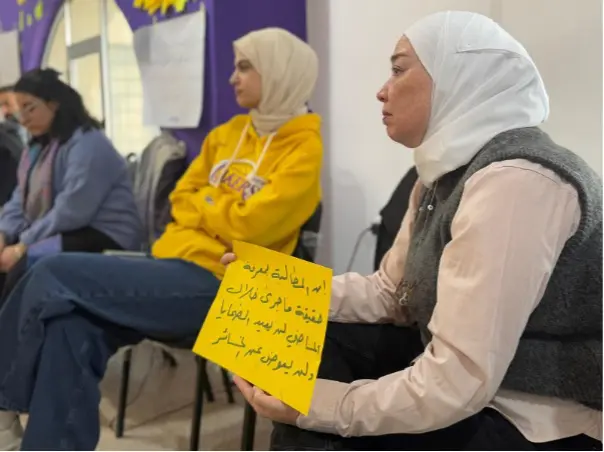
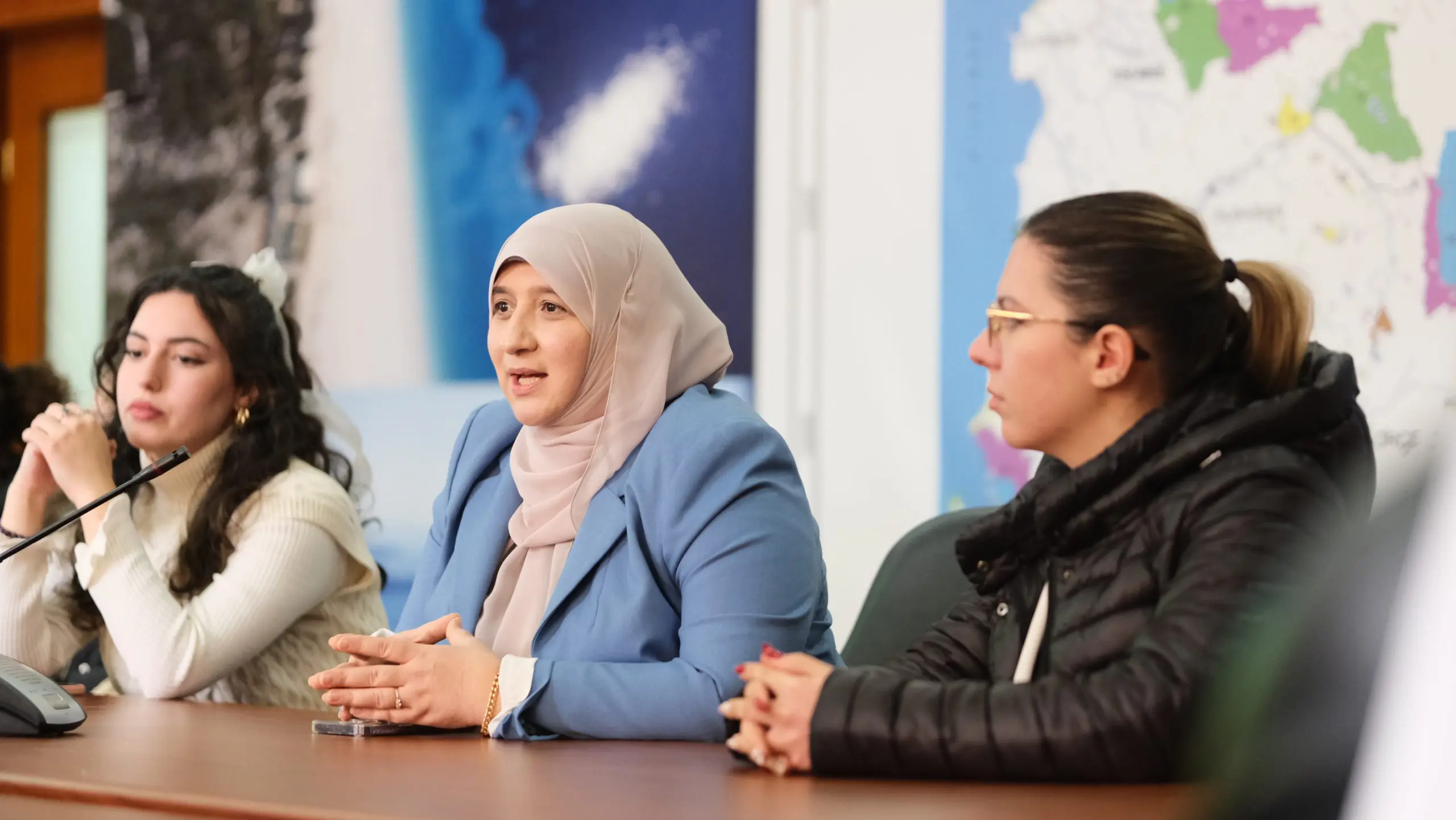
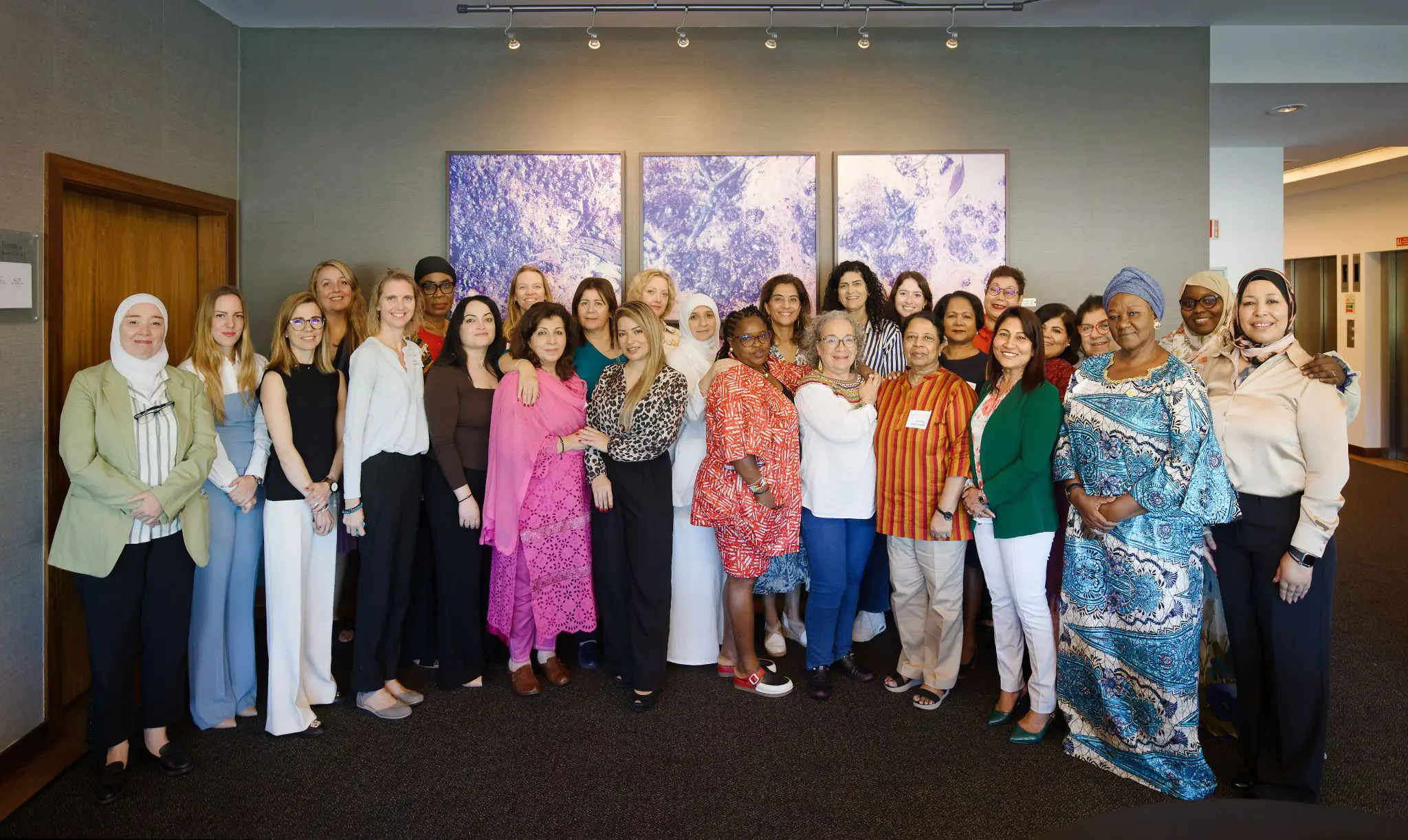
On August 6, 2018, 19 participants from 12 partner organizations from Iraq and Syria met in Beirut for a five day training on an Introduction to Psychosocial Support. Designed jointly by Stacey Schamber from ICAN and Dr. Abiye Iruayenama from the Neem Foundation, one of ICAN’s Nigerian partners, this training was in direct response to our partners’ request for training on this topic. The goal is to build the capacity of these women-led civil society organizations to provide counseling and psychosocial support within their communities.
The challenges facing Syria and Iraq are tremendous. In Iraq, family disintegration, divorce, children with disabilities, early marriage, and suicide, are some of the mental health and trauma challenges facing this conflict context. Likewise, displaced families, gender based violence, children out of school, and conflict both across Syria and with hosting countries are some of the challenges facing the Syrian community. The participants expressed a desire for more in depth, advanced training in mental health and psychosocial support (MHPSS), beyond the basics which many international and local organizations provide. Therefore, this pilot training was designed to offer a more sustainable intervention, as it’s comprised of two one-week in-person trainings in addition to four months of online coaching and technical support. It’s in line with ICAN’s relational approach of fostering trusting relationships and supporting people over time, not just through a one off project.
“This training will help me be a trainer in PSS and to create my group in psychological first aid because we really need it in my country.”
Psychologist Zainab Kadim, Al Amal Association, Iraq
In addition, this pilot training recognizes the wealth of experience across different conflict contexts and draws upon the work of MHPSS in countries affected by violent conflict and working with limited resources. Nigeria, for instance, while most well known for its conflict with Jama’atu Ahlis Sunna Lidda’awati wal-Jihad, commonly known as Boko Haram, has also negotiated many other ethno-religious and resource-based conflicts, like the oil exploration induced conflict in the southern part of the country. Neem Foundation works in geographic regions typically beyond the reach of international NGOs, trains and builds the capacity of local NGOs, and collaborates with government in providing MHPSS at the Transit Center in Maiduguri and aims to inform policies through its research programs.
Neem Foundation also has a training center where they have developed a context-specific curriculum on lay counseling and MHPSS. The “Counselling on Wheels” program goes to underserved and hard-to-reach host communities in and around Maiduguri, Borno State, to advocate on the need to address mental health challenges and provide psychoeducation on the issue of stigma associated with seeking the help of a mental health service provider. After which, the Counselling on Wheels team deploys to the community for seven weeks, conducting individual assessments and collecting baseline data, group therapy (including talk therapy and expressive therapy) and post assessments to measure the impact of their intervention. Signs of trauma are quite common, including PTSD, and Neem Foundation’s evaluative research indicates significant improvement across a wide range of symptoms.
Dr. Abiye Iruayenama is an expert sociocognitive and research psychologist and strategic communications specialist. He is currently the project lead for the “Counselling on Wheels” program, which offers counselling in hard-to-reach traumatized communities in Maiduguri. In 2017 alone over 8,000 survivors of the Boko Haram violent insurgency received psychological and psychosocial care as part of the program.
Dr. Iruayenama designed the Beirut MPHSS training along with ICAN’s Stacey Schamber, who is a licensed Clinical Social Worker, with a post graduate certificate in the assessment and treatment of psychological trauma, who worked in healthcare and mental healthcare settings in the US and has trained counselors internationally in Lebanon, Ethiopia, and India.
The first phase of training addressed the following topics:
- Introduction to Psychosocial Support
- Humanitarian Principles
- Therapeutic communication
- Clinical Interviewing with individuals and families
- Psychological first aid
- An Introduction to Trauma and PTSD
- Self-care
The second phase of the training will be held on December 10thand will focus on more advanced topics like gender based violence, specific psychological theories, support groups, and working with children.
The participants valued the participatory approach with time for questions and discussion, group exercises, and case examples from their contexts for role plays. In addition, they appreciated the module on self-care; as one participant expressed, they’re aware of a gap between the direct beneficiaries of their organization’s projects and their own experience as staff and Syrians living in the same context.