ICAN is hiring a Staff Accountant to provide financial and administrative support to ICAN’s Finance Director and broader team.
Just before heading home to Australia last August, Maj. Bettina Stelzer did her last round of village visits in the outskirts of Juba, South Sudan. A member of the United Nations peacekeeping mission, Stelzer was searching for an elderly woman with an eye infection she’d promised to help. Her rounds, which included stops in other nearby communities, gave Stelzer a chance to speak to local women about their daily struggles with health and poverty and all that comes from years of living with war.
U.N. peacekeepers like Stelzer (commonly known as Blue Helmets for that distinctive part of their uniform) serve in countries afflicted by civil war or natural disasters. Their ranks are made up of soldiers and police officers—but also medical personnel, experts on gender violence, civil-society advisers and first responders. To their detriment, Blue Helmets are overwhelmingly male.
“Women bring a different perspective to peacekeeping operations,” Stelzer told News Deeply. “[We] are able to access different areas of the communities and gather different information.”
The U.N. seems to notice and value this difference. In May 2017, the organization awarded the Mongolian peacekeeping unit also serving in South Sudan with the prestigious U.N. Medal. In reflecting on the unit’s service, David Shearer, head of the U.N. Mission in South Sudan, paid special tribute to the 41 women in the Mongolian forces, calling women peacekeepers “critical because they…empower women in local communities [and] provide a greater sense of security for women.”
Neighboring Darfur has the first majority-female unit. Forty of the 77 Malawian police officers deployed there are women. Given that their mandate includes the protection of civilians, the women are well-placed to engage with local populations of women and children. Their presence contributes to better information gathering about local conditions and improved community relations, which in turn contributes to the seeding and sustaining of peace.
These examples are a sharp and refreshing contrast to the kinds of stories about Blue Helmets that have made headlines. In October, Amnesty International reported the story of a teenage girl who was walking home from a funeral in a rural town in the Central African Republic (CAR). Feeling unwell, she accepted a cup of tea at a U.N. checkpoint from some soldiers who’d been sent to uphold the peace and bring some sense of security to the people of that war-torn nation. The young woman woke up several hours later, nearly nude, heavily sedated and with traces of drugs in her bloodstream. Medical examinations later proved the soldiers had given her neither peace nor security. Instead, they had drugged, stripped and raped her.
There are other cases to consider. In 2013, the Associated Press broke the story of a child sex ring run by U.N. peacekeepers in Haiti. Some 134 peacekeepers were implicated; 114 of them were sent home, but neither they nor their commander served any prison time. Meanwhile, Haiti’s children live with the lasting effects of this abuse. One little boy reported being raped by more than 100 peacekeepers—on average four times a day over a three-year period.
“The inclusion of women in peacekeeping forces,” says Phumzile Mlambo-Ngcuka, undersecretary of the U.N. and executive director of U.N. Women, “is one important way of addressing issues of sexual violence and reducing its incidence.” Examining U.N. peacekeeping missions between 2009 and 2013, researchers Sabrina Karim and Kyle Beardsley found that “increasing the proportion of women from 0 percent to 5 percent in military components reduces the expected counts of allegations of sexual exploitation and abuse by more than half.”
But the experiences of Maj. Stelzer, the Mongolian officers and the Malawi police demonstrate that women’s contributions to peacekeeping aren’t limited to reducing egregious acts of sexual abuse (as important as that is). They can be models for women in the societies in which they serve. And they play a vital role in engaging the community.
As Mlambo-Ngcuka points out: “Why would we expect village women to trust strange men in military uniform in peace when so many have experienced the brutality of uniformed men with guns in conflict?”
This article was originally published on Ms. Magazine. To read the full article, please click here

بعد أكثر من عقد من الحرب، تشهد سوريا مرحلة انتقالية هشة. لقد كتب سقوط نظام الأسد في ديسمبر/كانون الأول من عام 2024 نهاية أكثر من 50 عاما من الحكم الاستبدادي، ولكنه لم يجلب الاستقرار الفوري. بل على العكس، يواجه البلد أزمة اقتصادية متفاقمة، وتوترات أمنية، وانتهاكات مستمرة لحقوق الإنسان، ونزوحا جماعيا، وتفككا اجتماعيا حادا. أكثر […]
ICAN Featured Mobaderoon Our Stories Stories Women's Alliance for Security Leadership
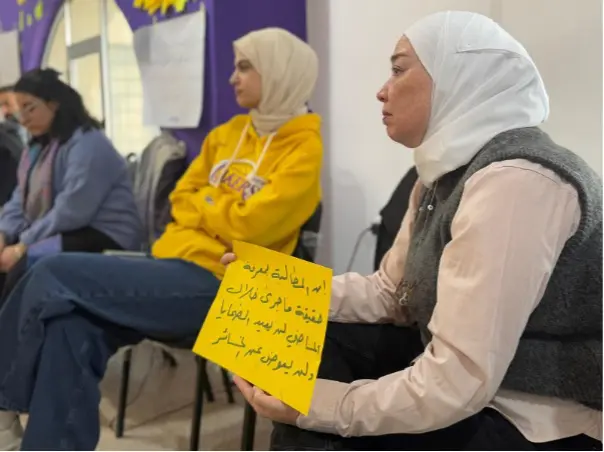
Across Syria, communities are finding ways to reconnect after years of war through dialogue, storytelling, art, and collective action. Mobaderoon’s Local Peace Committees demonstrate why lasting peace begins within communities themselves.
ICAN Featured Innovative Peace Fund Mobaderoon Our Stories Stories WASL Updates Women's Alliance for Security Leadership
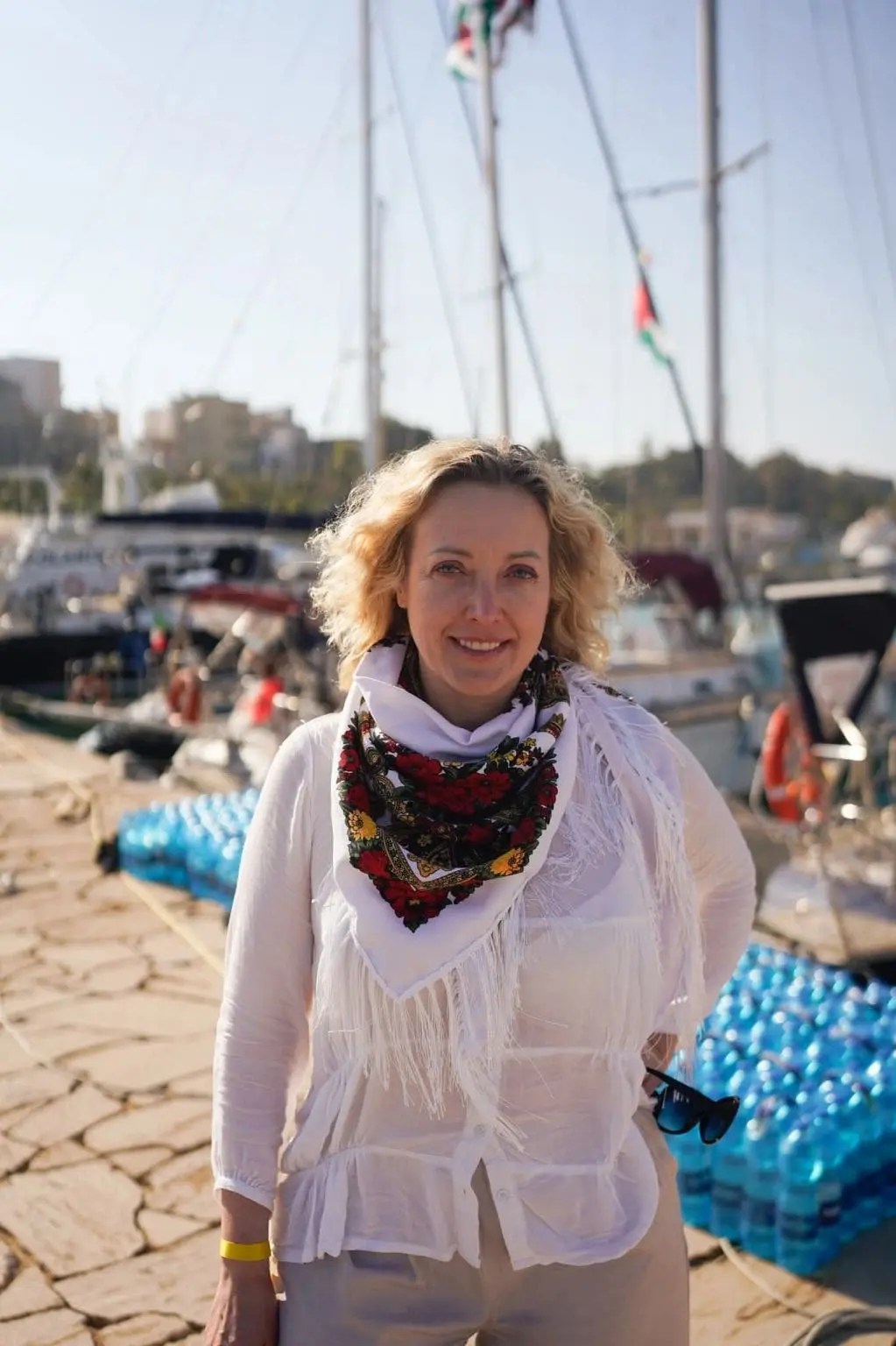
Nina Potarska, a member of the ICAN-spearheaded Women’s Alliance for Security Leadership, is currently at sea with the Global Sumud Flotilla, a civilian-led mission organized with the Freedom Flotilla Coalition, en route to Gaza.
ICAN Featured Our Stories Stories Women's Alliance for Security Leadership
مدينة البصرة في جنوب العراق، المدينة التي تضررت طويلا من الحرب وقلة الاستثمارات، تواجه تهديدات متزايدة بسبب خطاب الكراهية والتطرف وتآكل الثقة بين المواطنين والمؤسسات. وغالبا ما يقع الشباب -وخاصة الشابات- في قلب هذه التوترات، في عالم تتقاطع فيه المضايقات والتحرش الالكتروني مع الواقع. وفي مثل هذه البيئة، تتبنى جمعية الفردوس العراقية (الفردوس) نهجا جديدا […]
ICAN Featured Our Stories Stories Women's Alliance for Security Leadership
The International Civil Society Action Network (ICAN) and the Women’s Alliance for Security Leadership (WASL) Statement: The Escalating U.S.-Israeli War on Iran and its Regional Ramifications
ICAN Featured ICAN Latest
In March 2020, ICAN and its global network of women-led peacebuilding organizations, WASL, launched the She Builds Peace (SBP) campaign.
Allamin Foundation CAGEAD COEC ICAN Featured ICAN Latest Our Stories PAIMAN SBP Frameworks She Builds Peace Countries Stories WCDCA Women Relief Aid Women's Alliance for Security Leadership
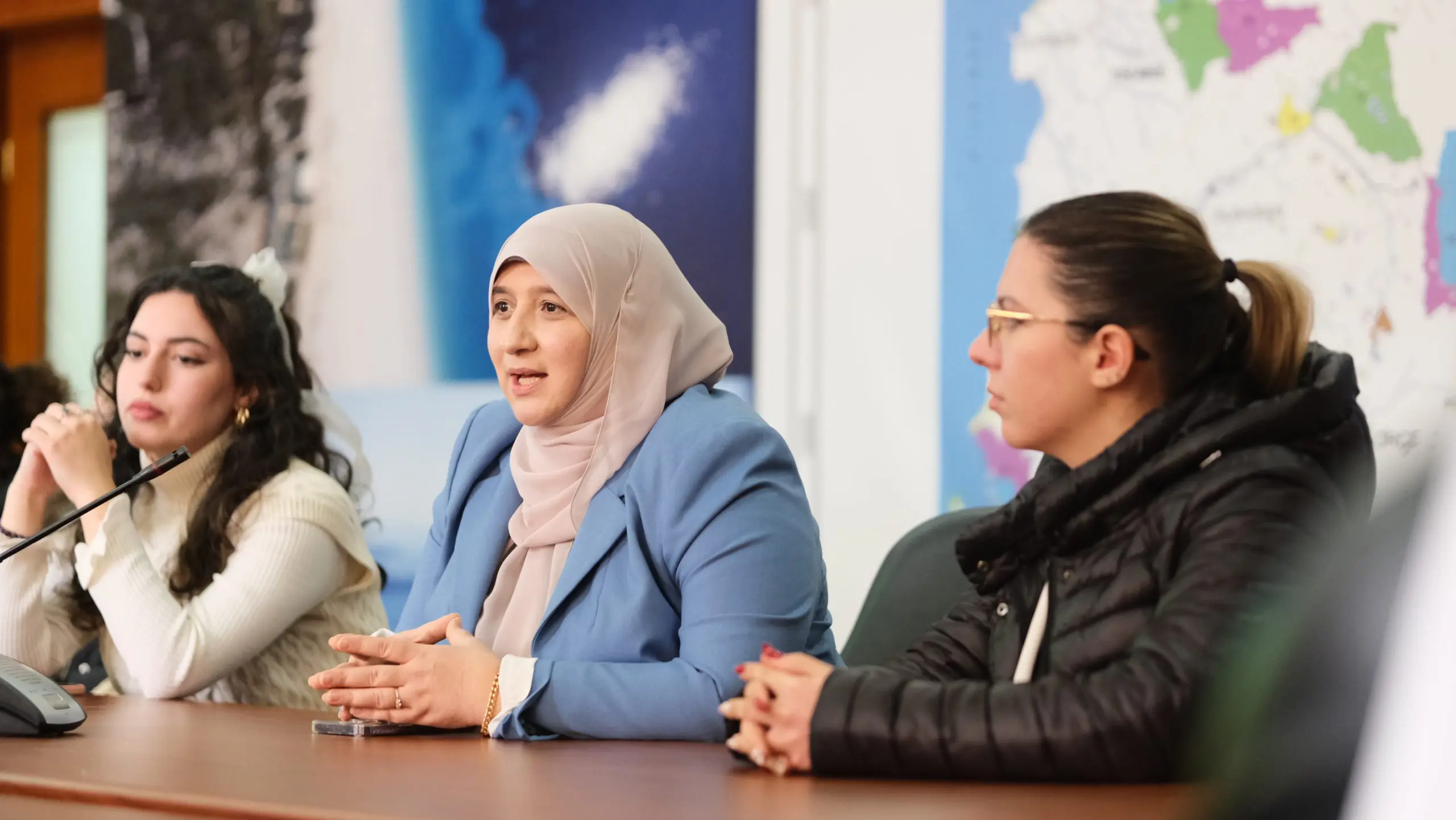
Iraqi Al-Firdaws Society (Al-Firdaws) is taking a new approach to peacebuilding. Their project, Horizon: Promoting Community Peace, supported by ICAN’s Innovative Peace Fund (IPF), brings together youth, local security forces, and civil society actors to address violent extremism through dialogue, education, and community-based action.
ICAN Featured Our Stories Stories Women's Alliance for Security Leadership
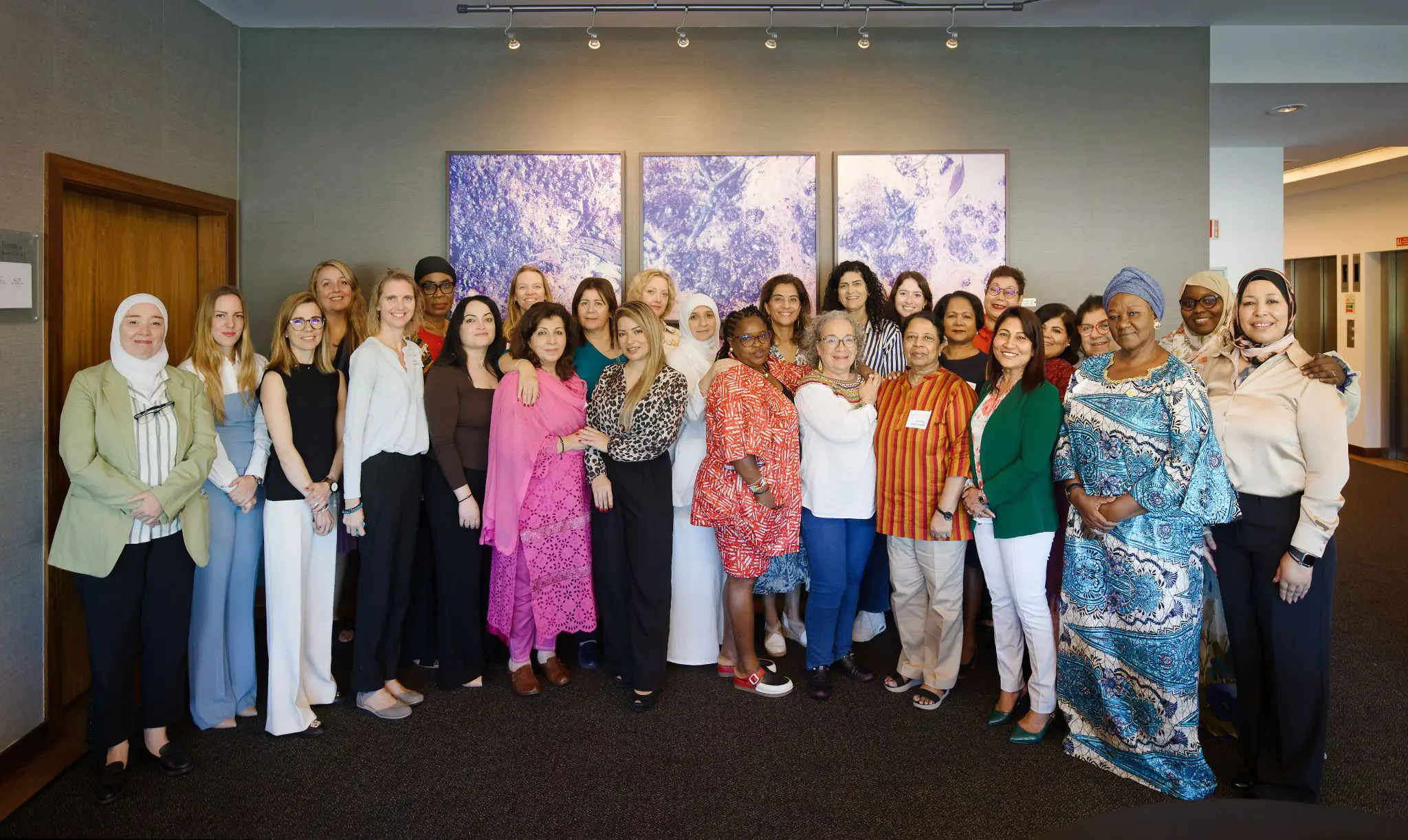
ICAN convened 20 members of WASL in Lisbon for the “Our Strategies, Our Peace” Writers’ Workshop. This unique gathering provided a secure and creative space for women peacebuilders to share their strategies, experience, expertise, and stories from conflict and crisis contexts.
Addu Women's Association Allamin Foundation AWAW CAGEAD CIASE COEC ICAN Featured Mobaderoon Our Stories PAIMAN Rescue Me Stories WCDCA Wi'am Women's Alliance for Security Leadership WPSO
On October 6, 2025, the U.N. Security Council holds its annual open debate on Resolution 1325 on Women, Peace, and Security. Today, we are not issuing a new statement. Instead, we are honoring our community of women peacebuilders—who appeared before the Security Council throughout these 25 years, speaking for the millions they represent—by echoing their messages.
ICAN Featured ICAN Latest ICAN Updates WASL Updates Women's Alliance for Security Leadership
In South Sudan, a nation where peace has long remained fragile and democratic progress uncertain, women are stepping forward to shape the future of their country. Long excluded from the corridors of power, they are forging their own movement for lasting change.
ICAN Featured Innovative Peace Fund Our Stories Stories Women's Alliance for Security Leadership
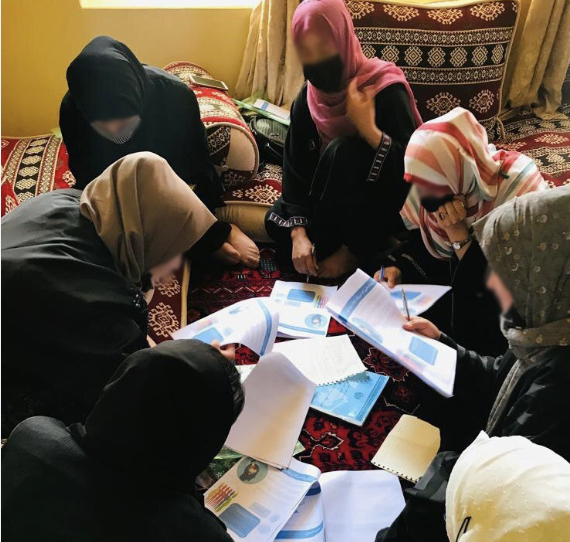
در عرصه صحت روانی، افغانستان با بحران پیچیدهای مواجه است که این بحران به طور جدایی ناپذیر با ناامنی شدید فیزیکی، سیاسی و اقتصادی در کشور گره خورده و این نا امنی ها بحران را تشدید میکند. برای رسیدگی به آسیب های روانی، صحت و بهداشت جامعه به شیوه های پاسخگو به جنسیت و با مد نظر گرفتن حساسیت های فرهنگی، سازمانهای فعال در عرصه صلح سازی به رهبری زنان افغان در موقعیتی منحصربه فرد قرار دارند. این سازمان ها خدمات ابتدایی ارائه میدهند، مهارتها را توسعه میبخشند و در شکلدهی هنجارهای فرهنگی و جنسیتی نقش مؤثر ایفا میکنند.
ICAN Featured ICAN Latest ICAN Updates WASL Updates Women's Alliance for Security Leadership WPSO
افغانستان له یوه ډېر پېچلي اروایي/رواني روغتیايي حالت سره مخ دی چې دا حالت د هېواد له ناامنۍ، سیاسي ګډوډۍ او اقتصادي ستونزو سره تړلی او لا یې دا ستونزې زیاتې کړي دي. د افغان ښځو په مشرۍ سولهپالې ادارې کولی شي د خلکو روغتیا او هوساینې ته پاملرنه وکړي، ځکه د دوی کار د ښځو اړتیاوو ته په پاملرنه ترسره کیږي، له کلتوري حساسیتونو سره سمون لري او د ټروما په معلوماتو باندې متکي (trauma-informed) تګلارې دي. دا ادارې اساسي خدمتونه وړاندې کوي، خلکو ته مهارتونه ورزده کوي او کلتوري دودونه او جنسیتي اړخونه تر پوښښ لاندې نیسي.
ICAN Featured ICAN Latest ICAN Updates WASL Updates Women's Alliance for Security Leadership WPSO