PAIMAN Alumni Trust (PAIMAN) is actively tackling the issue of violent extremism in Pakistan by engaging key stakeholders such as women, youth, local religious leaders, and teachers. Their primary goal is to cultivate effective leadership among these groups. To achieve this, PAIMAN develops economic and social programs that empower women and youth to improve social cohesion, prevent violent extremism (PVE), engage local influential leaders and advocate for more inclusive security policies at the local level.
A crucial aspect of their work involves preventing the recruitment of youth and women into extremist groups by spreading awareness among community members, especially mothers and other women. Additionally, PAIMAN conducts research, provides capacity building and support services, and engages in advocacy efforts to address the challenges faced by communities and find sustainable solutions for them.
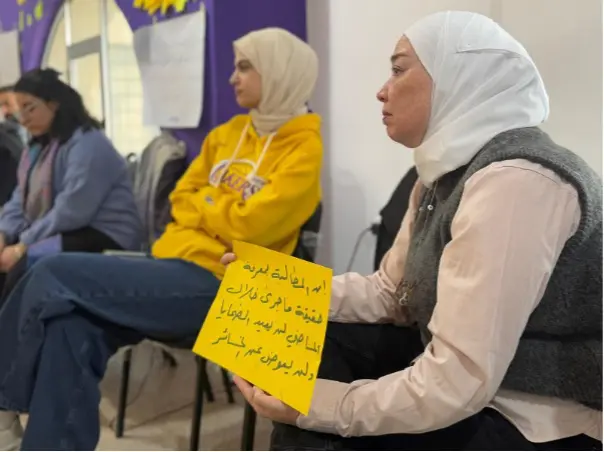
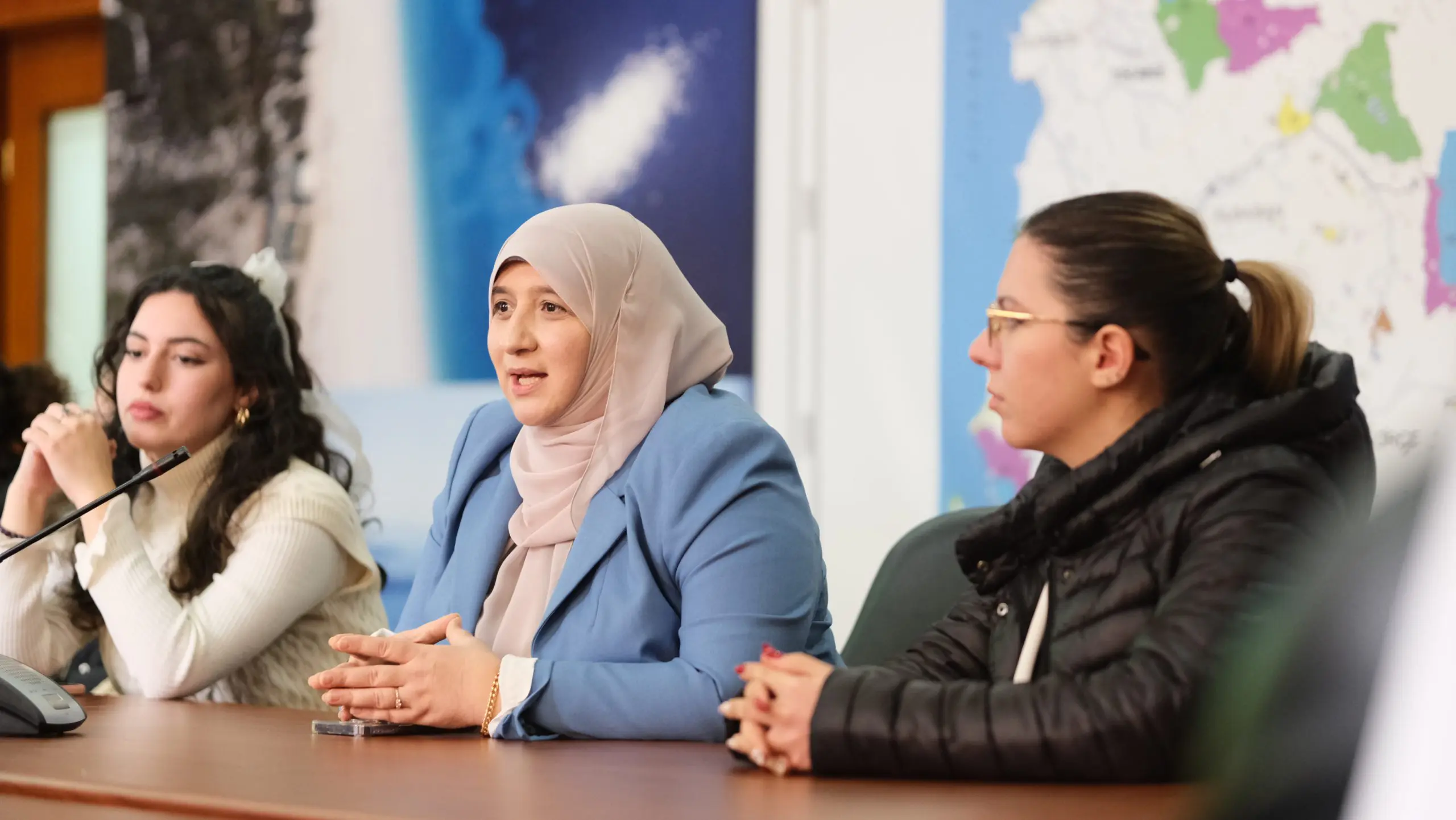
With support from ICAN’s Innovative Peace Fund (IPF), PAIMAN has been actively working in the Charsadda district of Pakistan to strengthen its TOLANA Network, a peace network comprising over 150 women, mainly mothers. The aim is to equip these women with the necessary tools to improve their livelihoods and combat violent extremism effectively.
To achieve this, PAIMAN has engaged and capacitated the network members through various means. For example, while teaching income-generating skills such as sewing or making samosas, they also provide training on identifying early warning signs of violent extremism in individuals and communities. The organization employs Islamic texts and indigenous practices to foster a sense of community and prevent violence.
Previously, many women in the community had been supporting the Taliban through various means. However, PAIMAN’s interventions have successfully convinced several of them to choose paths of peace instead. In one instance, when TOLANA members discovered ten women sewing suicide vests for the Taliban, they managed to persuade six of them to abandon such activities and engage in projects that uplift themselves, their families, and the community.
The impact of the TOLANA network has been significant. It has prevented 13 bombing attempts and suicide attacks, and uncovered three weapon storages. Moreover, it has dissuaded numerous youth and women from joining extremist groups. The success of this model has led to its replication in other countries including Bangladesh, Somalia, and Afghanistan.
Recently, the TOLANA members took the initiative to raise awareness about the double pandemic of COVID-19 and increased gender-based violence. They established a rooftop network to share essential information and maintain social connections while adhering to social distancing measures. This culturally-rooted approach proved to be effective in protecting the community.
In the conservative community of Charsadda, women’s leadership in PVE initiatives and social cohesion has been scarce. However, PAIMAN’s interventions have brought about a positive change. Now, more young girls and women from various sectors are mobilizing men to support their participation in TOLANA projects. This mobilization has resulted in the creation of resilient communities, increased peacebuilding initiatives, and advocacy for women and children’s issues with local administrations.
“PAIMAN can be considered a torch bearer for PVE/CVE in Charsadda because their community empowerment program has developed vigilant communities. This discourages extremist groups from exploiting the vulnerable and has helped communities understand the importance of pluralism, tolerance and social cohesion.”
– TOLANA Member
“Our women keep a vigilant eye on their children’s activities and whereabouts and are quick to intervene if they see them deviating from the normal path. All this is possible because PAIMAN taught our women to detect signs of early warning.”
– Project Participant